
 By admin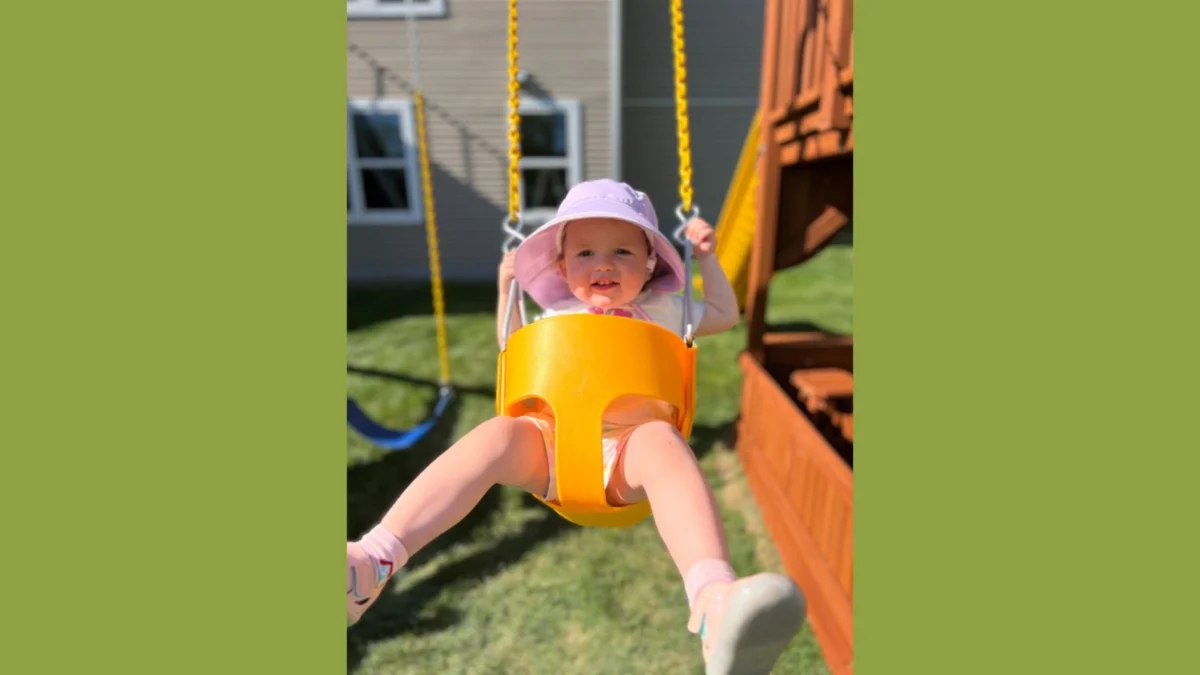
The landscape of pediatric oncology is undergoing a significant transformation as innovative treatment protocols and collaborative research efforts begin to improve the prognosis for some of the most aggressive forms of childhood cancer. At the center of this medical evolution is the story of Emma, a two-year-old patient whose journey through a rare and high-risk form of leukemia highlights the intersection of experimental medicine, community support, and a family’s determination to redefine the traditional milestones of recovery. For Emma’s parents, Ashley and Jacob, the standard medical protocols for finishing treatment have been replaced by a philosophy they call "celebrate everything," an approach that emphasizes the importance of incremental victories in the face of a diagnosis that carries a historically low survival rate.
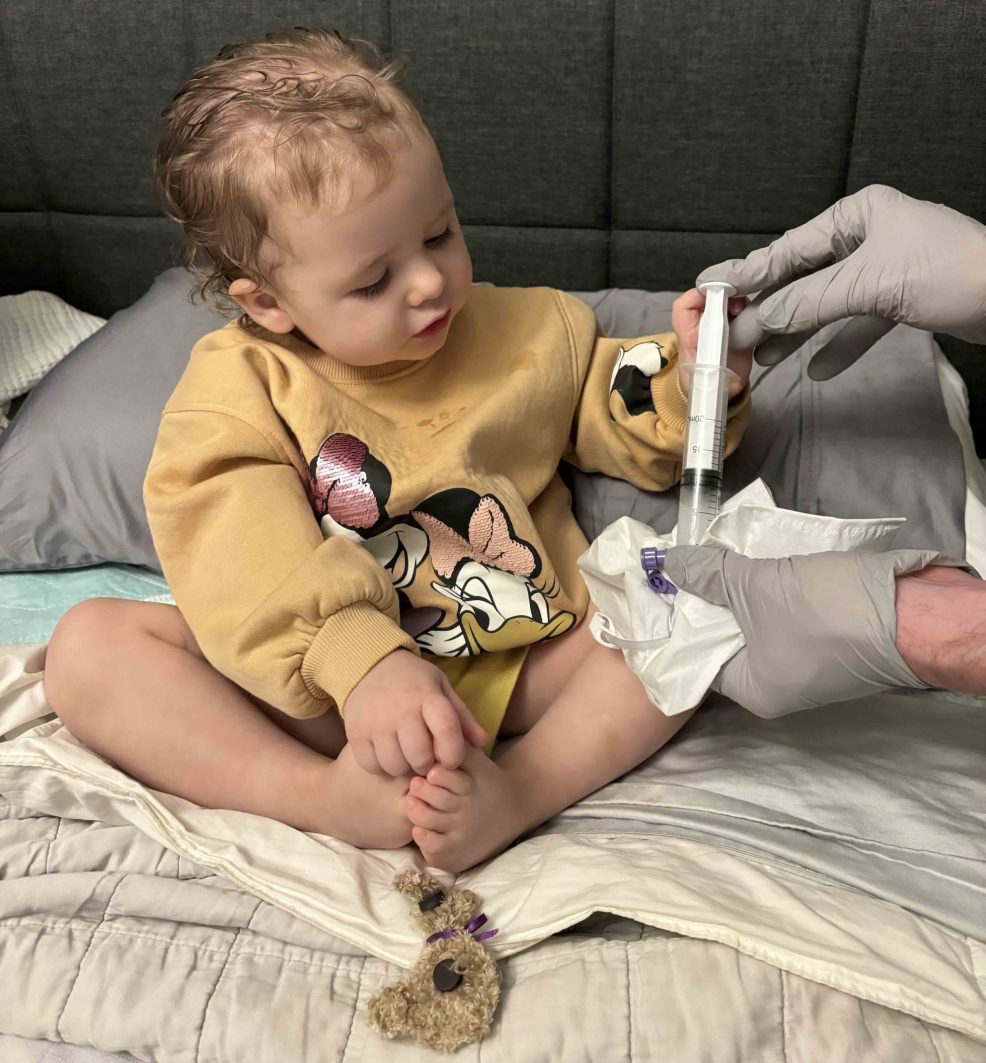
Emma was diagnosed with Acute Myeloid Leukemia (AML) with a RAM phenotype, a specific and rare genetic subgroup of leukemia known for its resistance to conventional therapies and its high rate of relapse. While pediatric AML generally has a five-year survival rate of approximately 65% to 70%, the RAM phenotype variant is significantly more lethal, with overall survival rates often cited as low as 15%. The diagnosis marked the beginning of an intensive eight-month medical odyssey that included five months of chemotherapy, a bone marrow transplant, and 67 nights spent at Children’s Minnesota. However, the trajectory of Emma’s care diverged from the standard inpatient experience through the use of "compassionate use" drugs, allowing her to receive much of her treatment in a home setting—a shift that medical experts suggest could become a blueprint for balancing the quality of life with aggressive clinical intervention.
The Clinical Challenge of the RAM Phenotype
Acute Myeloid Leukemia is a cancer of the blood and bone marrow characterized by the rapid growth of abnormal myeloid cells. In pediatric patients, the RAM phenotype is a relatively recent discovery in the field of genomic medicine. It is identified by specific transcriptomic signatures that render the cancer cells particularly "sticky" and resistant to the apoptotic (cell-death) signals usually triggered by standard chemotherapy. When Emma was first admitted to the hematology and oncology unit—known to patients and families as "the seventh floor"—the outlook was grim. Her symptoms had initially been mistaken for a common virus or a urinary tract infection, a common occurrence in pediatric oncology where early symptoms of leukemia often mimic minor childhood ailments.
Upon the confirmation of the AML-RAM diagnosis, Emma’s medical team, led by pediatric oncologist Dr. Megan, had to weigh the benefits of high-dose, inpatient chemotherapy against the psychological and developmental toll such a regimen takes on a toddler. The standard of care for AML typically involves multiple cycles of intensive chemotherapy that require month-long hospital stays due to the severe suppression of the immune system. For a two-year-old, these extended periods of isolation can lead to developmental delays and significant emotional distress for the entire family unit.
Compassionate Use and the Quality of Life Paradigm
In a move that highlights the growing importance of personalized medicine, Emma’s care team opted to pursue experimental treatments through the Food and Drug Administration’s (FDA) expanded access program, commonly known as "compassionate use." This pathway allows patients with immediately life-threatening conditions to gain access to investigational medical products outside of traditional clinical trials when no comparable alternative therapy options are available.
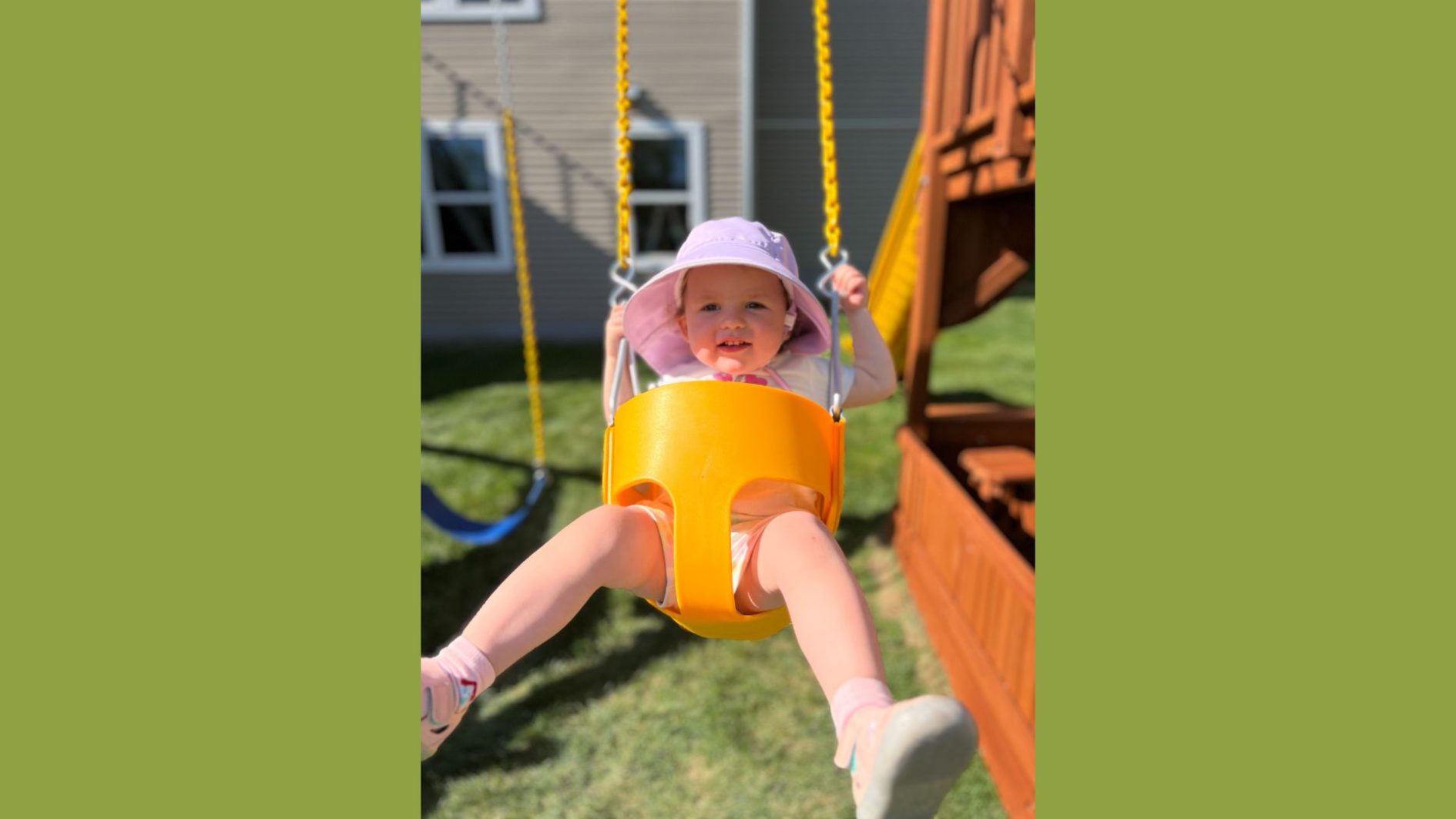
By utilizing newer, targeted drugs that were less systemically toxic than traditional cytarabine-based regimens, Emma was able to spend the majority of her treatment phase at home. This allowed her to maintain physical activity, such as playing soccer and visiting playgrounds with her sister, Nora. Ashley noted that the reduction in treatment intensity did not appear to compromise efficacy; rather, it preserved Emma’s physical strength, which became a critical factor when she eventually transitioned to a bone marrow transplant.
Medical analysis suggests that maintaining a child’s physical activity and nutritional status during chemotherapy can significantly improve outcomes for subsequent high-intensity procedures. In Emma’s case, her ability to remain active contributed to what her doctors described as an exceptional response to treatment. By October 2025, Emma reached the "100 days post-transplant" mark, a definitive milestone in the world of hematology. This period is considered the most critical window for monitoring graft-versus-host disease (GVHD) and other life-threatening complications. Reaching this point has allowed her medical team to revise her projected survival probability from 15% to nearly 50%.
A New Philosophy: The "Celebrate Everything" Protocol
In many oncology wards, the ringing of a brass bell signifies the end of a patient’s treatment. However, the uncertainty inherent in a high-risk AML diagnosis led Ashley and Jacob to reject the idea of waiting for a final "finish line" that was not guaranteed. Instead, they implemented a "multiple bell" strategy, ringing the bell for every small victory—be it a successful round of medication, a day without pain, or a milestone in blood counts.
"We are ringing multiple bells for Emma, even if that’s kind of against protocol," Ashley explained. "When making it to the finish line isn’t a guarantee, you have to celebrate every step in the right direction."
This psychological approach is increasingly recognized by child life specialists as an effective tool for maintaining family resilience. By breaking down a multi-year treatment plan into manageable, celebratory segments, the family was able to pivot from a state of constant crisis to one of "cherishing and savoring" the time they had. This shift was supported by a robust community network that provided practical interventions, such as the "craft train" organized by local parents and the installation of a backyard swing set by the nonprofit Wishes and More. These actions served to interweave the normalcy of childhood with the clinical reality of cancer, creating an environment where Emma could thrive despite her illness.
The Broader Impact: The Pediatric AML Collaborative
Emma’s case is more than an individual success story; it serves as a catalyst for broader institutional changes in how pediatric AML is researched and funded. The Children’s Cancer Research Fund (CCRF) has recently launched the Pediatric AML Collaborative, a national coalition designed to address the specific hurdles associated with rare myeloid leukemias.
The Collaborative aims to unify clinicians, researchers, and foundations to create a high-impact scientific strategy. Historically, pediatric cancer research has been fragmented, with different institutions competing for limited federal funding. Because pediatric AML is rare compared to adult cancers, it often lacks the commercial incentive for pharmaceutical companies to develop new drugs. The Collaborative seeks to bridge this "innovation gap" by funding multi-institutional trials and genomic sequencing projects specifically focused on phenotypes like RAM.
The implications of this research are twofold: increasing the "quantity" of life (survival rates) and the "quality" of life (reducing long-term side effects). Emma’s current status—living at home, planning trips to the apple orchard, and greeting her medical team with "See you later, alligator"—represents the tangible outcome of these research efforts. However, as Ashley points out, the "road" in front of Emma still needs to be built. She will remain on maintenance medications for the next two years, all of which carry risks of long-term cardiotoxicity, secondary cancers, and developmental impacts.
Analysis of Future Implications in Pediatric Oncology
The success seen in Emma’s journey to date underscores several emerging trends in the medical field. First, the move toward "home-based" oncology care is likely to expand as targeted therapies become more sophisticated. The ability to keep a patient out of the hospital reduces the risk of healthcare-associated infections and lowers the overall cost of care.
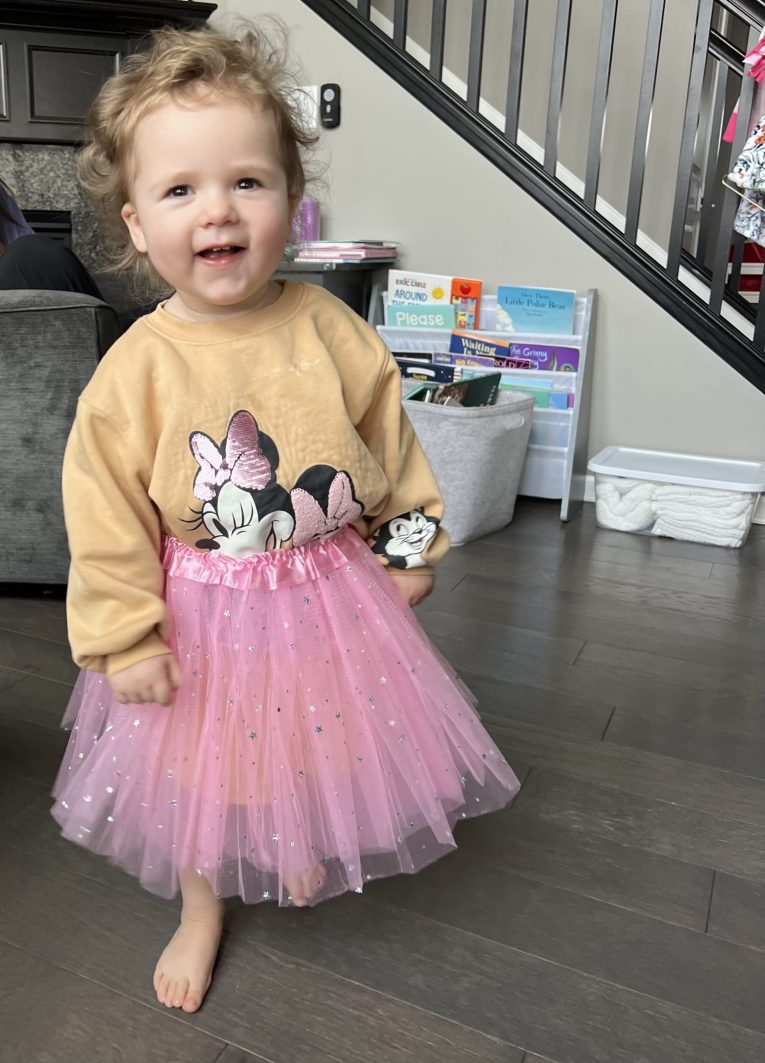
Second, the role of patient advocacy and family-led storytelling is becoming vital in securing research funding. By sharing the granular details of Emma’s treatment—the whiteboard in the kitchen, the love for "hospital socks," and the first bites of solid food—the family humanizes the cold statistics of a 15% survival rate. This storytelling is essential for organizations like the CCRF to mobilize donors and influence policy.
Finally, the shift in survival projections for Emma from 15% to 50% demonstrates that "incurable" or "high-risk" labels are not static. They are benchmarks that can be moved through the application of precision medicine and coordinated research strategies. While a cancer-free future remains an objective rather than a certainty, the momentum generated by Emma’s "multiple bells" provides a template for hope for the thousands of families who will face similar diagnoses in the coming years.
As Emma continues her two-year maintenance phase, her story stands as a testament to the fact that supporting childhood cancer research does more than just fund laboratory equipment; it buys time, creates memories, and provides a "fighting chance" for children who were once told the odds were entirely against them. The Pediatric AML Collaborative continues to invite families and researchers to join this effort, ensuring that the road laid down for Emma continues to extend for every child who follows.
