
 By admin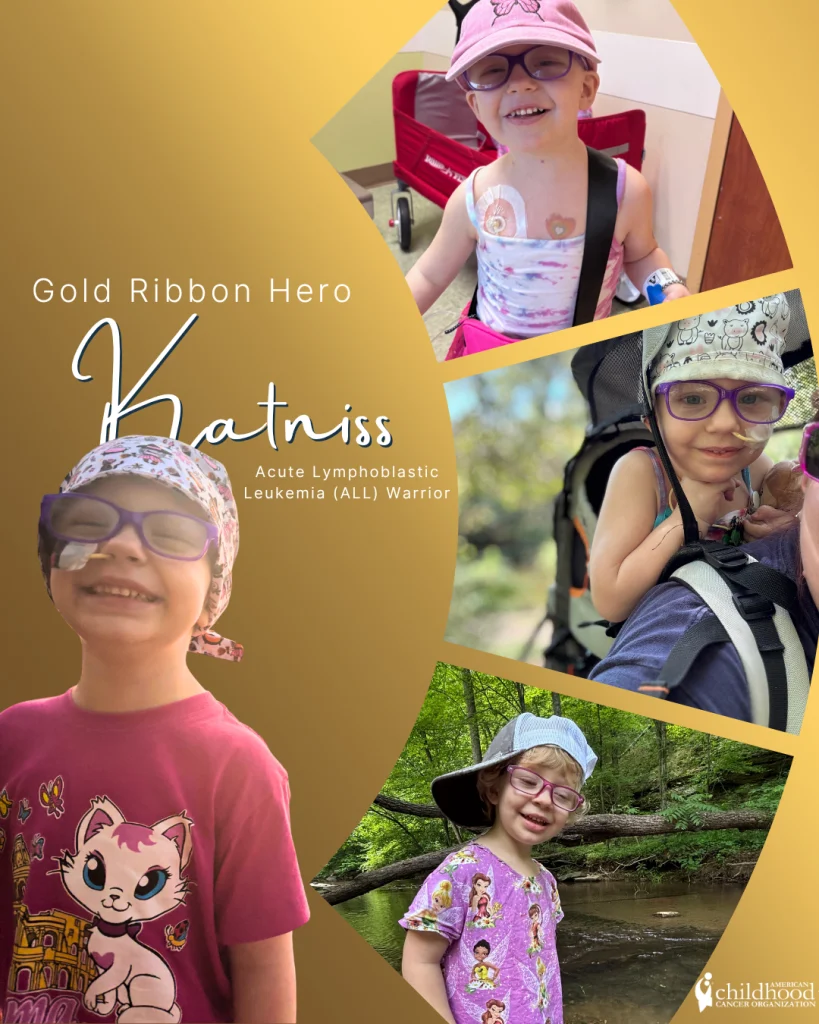
The landscape of pediatric oncology is defined by a rigorous intersection of medical intervention, familial resilience, and community-driven advocacy. In June 2025, the narrative of childhood cancer found a poignant representative in Katniss, a young patient diagnosed with Acute Lymphoblastic Leukemia (ALL). Her journey, marked by an unexpected diagnosis and a multi-generational connection to the disease, underscores the ongoing challenges faced by thousands of families annually. As Katniss navigates a comprehensive two-and-a-half-year treatment protocol, her story serves as a focal point for awareness efforts, most notably through her role as an ambassador for the American Childhood Cancer Organization (ACCO) and her association with high-profile advocacy events like the Grand Ole Opry Chili Cook-Off in Nashville, Tennessee.
Clinical Presentation and Initial Diagnosis
The onset of Katniss’s medical journey began with symptoms that initially mirrored common childhood ailments. In early June 2025, she was treated for strep throat, a routine bacterial infection. However, when the condition failed to improve and escalated to the point of hematemesis—the vomiting of blood—her family sought emergency medical intervention. Clinical evaluations at the emergency department revealed critical hematological abnormalities: Katniss was both neutropenic and anemic.
Neutropenia, characterized by an abnormally low count of neutrophils (a type of white blood cell essential for fighting infections), and anemia, a deficiency in red blood cells or hemoglobin, are hallmark indicators of bone marrow dysfunction. In pediatric cases, these symptoms often necessitate immediate bone marrow aspiration and biopsy to rule out or confirm malignancy. Within days of her admission, diagnostic tests confirmed that Katniss was suffering from Acute Lymphoblastic Leukemia, a fast-growing cancer of the white blood cells.
The Biological Reality of Acute Lymphoblastic Leukemia
Acute Lymphoblastic Leukemia is the most common form of cancer diagnosed in children, accounting for approximately 25% of all pediatric cancer cases. It occurs when the bone marrow produces too many immature lymphocytes, which are unable to function correctly and eventually crowd out healthy blood cells. This overcrowding leads to the symptoms Katniss experienced, including severe fatigue, susceptibility to infection, and bruising or bleeding issues.
While the five-year survival rate for pediatric ALL has seen remarkable improvement over the last several decades—climbing from less than 10% in the 1960s to approximately 90% today—the treatment remains among the most intensive in the field of oncology. The standard of care involves a multi-phase chemotherapy regimen designed to first induce remission and then eliminate any residual cancer cells to prevent relapse.
A Multi-Generational Battle: The Survivor’s Perspective
The diagnosis of Katniss carries a profound emotional weight for her family, particularly her mother, Katherine. In a rare and distressing occurrence, Katherine is herself a survivor of childhood leukemia. The recurrence of the disease in the next generation highlights the complex emotional landscape navigated by "cancer families."
“As a childhood leukemia survivor myself, hearing my baby girl has the same cancer broke my heart,” Katherine stated during a recent update on her daughter’s condition. This unique perspective provides Katherine with an intimate understanding of the rigors of treatment, yet it also amplifies the psychological burden of watching a child endure the same physical hardships she once faced. This narrative of survival and subsequent secondary diagnosis within a family unit is a subject of ongoing study in the fields of genetic predisposition and psychological resilience.
The Roadmap of Treatment: Procedures and Protocols
Following her diagnosis in June 2025, Katniss immediately entered the "induction" phase of treatment. The medical plan outlined for her spans a duration of thirty months—two and a half years—a standard timeline for female ALL patients (male patients often undergo a three-year protocol). This extensive period is necessary to ensure that the aggressive leukemia cells are fully eradicated from the nervous system and bone marrow.
The clinical management of Katniss’s case involves several invasive and taxing procedures:
- Port-a-Cath Placement: A surgical procedure to install a semi-permanent device under the skin, allowing medical staff to administer chemotherapy and draw blood without repeated needle sticks.
- Bone Marrow Biopsies: Periodic extractions of bone marrow tissue to monitor the presence of leukemic blasts and assess the effectiveness of the chemotherapy.
- Lumbar Punctures: Also known as spinal taps, these are performed to deliver chemotherapy directly into the cerebrospinal fluid, a critical step in preventing the leukemia from spreading to the central nervous system.
Throughout these procedures, medical staff and family members have noted Katniss’s "sassy personality" and inherent resilience. Such psychological fortitude is often cited by pediatric specialists as a vital component of a patient’s ability to cope with the prolonged side effects of chemotherapy, which can include nausea, hair loss, and physical exhaustion.
Advocacy and the Grand Ole Opry Chili Cook-Off
Beyond the clinical setting, Katniss has become a face for pediatric cancer advocacy. She was selected as an ambassador for the Grand Ole Opry Chili Cook-Off in Nashville, Tennessee, an annual event that partners with the ACCO to raise funds and awareness for childhood cancer research. The event is part of a broader initiative to "Go Gold," utilizing the color gold to represent the bravery of children fighting cancer, much like pink represents breast cancer awareness.
Although Katniss was unable to attend the primary event due to the constraints of her treatment schedule and her immunocompromised status, she was later granted a private visit to the iconic Nashville venue. Accompanied by her family, Katniss toured the Grand Ole Opry facility and attended a live performance, providing a necessary reprieve from the hospital environment. These community-led initiatives serve a dual purpose: they provide financial support for families facing the exorbitant costs of cancer treatment and offer social "normalization" for children whose lives have been upended by illness.
The Role of the American Childhood Cancer Organization (ACCO)
The ACCO, the organization featuring Katniss, is the oldest and largest grassroots childhood cancer organization in the United States. Founded in 1970 by a group of parents whose children had been diagnosed with cancer, the ACCO focuses on providing educational resources, advocacy at the legislative level, and direct support to families.
The organization’s involvement in events like the Nashville fundraiser is critical, as pediatric cancer research remains significantly underfunded compared to adult cancers. According to data from the National Cancer Institute, only about 4% of federal funding for cancer research is directed specifically toward pediatric types. This funding gap necessitates the involvement of private organizations and high-profile ambassadors like Katniss to drive public contributions and policy changes.
Broader Implications and the Path Forward
The story of Katniss and Katherine is more than a singular medical case; it is a testament to the advancements in oncology and the persistent gaps in our understanding of pediatric malignancies. The fact that a survivor of childhood leukemia is now raising a daughter with the same diagnosis illustrates the "long-term" reality of the disease. Survivors of childhood cancer often face late effects from their original treatment, and the psychological impact of a "re-entry" into the oncology world as a parent is a significant area of concern for social workers and psychologists.
As Katniss continues her two-and-a-half-year journey, her progress will be closely monitored by her oncology team. The immediate goal remains the maintenance of remission and the management of chemotherapy side effects. In the broader context, her role as an ambassador continues to humanize the statistics of ALL.
The integration of Nashville’s cultural institutions, such as the Grand Ole Opry, into the support network for pediatric oncology highlights a growing trend of corporate and community responsibility. By leveraging the visibility of major public events, advocacy groups can ensure that the needs of patients like Katniss remain at the forefront of the public consciousness.
In conclusion, Katniss’s journey from a June 2025 diagnosis to becoming a symbol of resilience at the Grand Ole Opry reflects the complex reality of modern pediatric oncology. It is a reality defined by grueling medical protocols, the profound emotional strength of families, and the vital importance of community support. As research continues to evolve, the hope remains that the burdens of treatment will decrease, and the visibility provided by warriors like Katniss will lead to a future where childhood cancer is no longer a life-threatening reality.
