
 By admin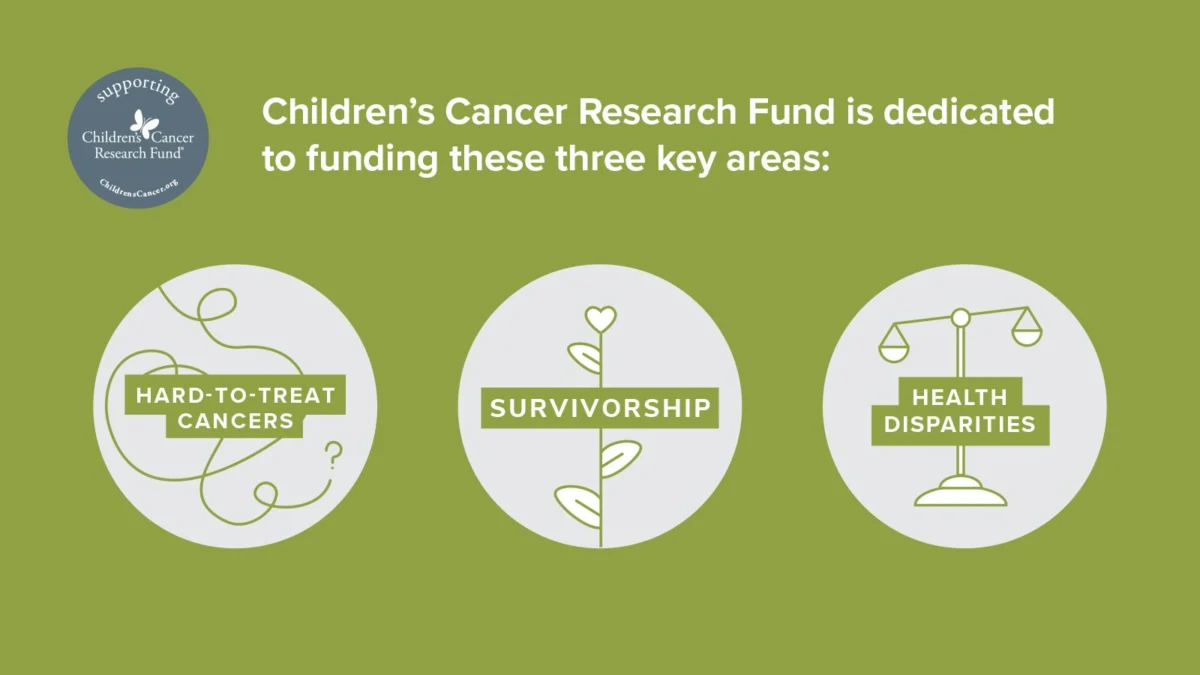
The landscape of pediatric cancer research is facing an unprecedented surge in demand for private funding as federal resources stagnate, leaving hundreds of potentially life-saving projects without the necessary capital to move forward. The Children’s Cancer Research Fund (CCRF), a leading national nonprofit dedicated to ending childhood cancer, has reported a historic 86% increase in research proposals for the 2025 funding cycle. This sharp uptick across all funding areas—ranging from hard-to-treat malignancies to long-term survivorship care—underscores a critical bottleneck in the scientific community: a wealth of bold, innovative ideas met with a finite pool of available resources.
According to internal data released by the CCRF, the organization received a record-breaking volume of Letters of Intent (LOIs) from researchers across the United States this year. While the influx of proposals indicates a vibrant and motivated scientific community, it also highlights a growing crisis. Despite the high quality of the submissions, the organization notes that it can currently only fund a small fraction of the proposals it receives, raising concerns among medical experts that vital breakthroughs in sarcomas, brain tumors, and leukemia may remain stalled in the conceptual phase.
The Landscape of Federal Funding Disruption
The surge in applications to private organizations like the CCRF is largely attributed to ongoing disruptions and limitations in federal funding. While the National Cancer Institute (NCI) remains the largest funder of cancer research globally, historical data shows that pediatric cancer typically receives only about 4% of the NCI’s annual budget. This "four percent" disparity has long been a point of contention for advocates, but recent economic pressures have exacerbated the issue.
In 2024 and heading into 2025, federal research grants have faced additional hurdles, including inflationary pressures on laboratory supplies and a shifting legislative focus that has left many early-stage researchers in a precarious position. When federal budgets tighten or prioritize large-scale, established clinical trials, the "seed funding" required for high-risk, high-reward pilot studies often vanishes. Consequently, researchers are increasingly turning to private philanthropy to bridge the gap between a promising hypothesis and the preliminary data required to secure larger federal grants in the future.
A Detailed Breakdown of the 2025 Funding Cycle
The 86% overall increase in proposals is distributed across several key pillars of pediatric oncology. The CCRF’s internal review process begins with a Letter of Intent, which serves as a rigorous vetting mechanism. Each LOI is peer-reviewed by a panel of scientific experts to ensure that only the most viable and impactful projects move to the full proposal stage. The data from the most recent cycle illustrates the sheer volume of "unfunded potential" currently sitting on the sidelines.
Hard-to-Treat Cancers: The Quest for Cures
The category for hard-to-treat cancers, which includes aggressive sarcomas, pediatric brain tumors, and resistant forms of leukemia, saw an 88% jump in LOIs. Of the 130 submissions received in this category, the CCRF was only able to invite 35 researchers to submit full proposals. This means that nearly 100 projects—many focused on the deadliest forms of childhood cancer—were unable to advance due to budget constraints. Brain tumors currently remain the leading cause of disease-related death in children, yet the disparity between the number of researchers ready to tackle the problem and the available funding remains vast.
Survivorship: Addressing the Long-Term Toll
Advancements in initial treatments have led to an increase in the number of childhood cancer survivors, but this success has birthed a new medical challenge. Applications for survivorship research nearly doubled this year, rising by 93%. Researchers are seeking to investigate the "late effects" of toxic treatments, including chronic cardiac health issues, infertility, and mental health struggles that can persist for decades after a child is declared cancer-free. Out of the surge in applications, only 19 were selected to move forward to the full proposal phase.
Health Disparities: Bridging the Gap in Outcomes
The 2025 cycle also saw a 64% increase in applications focused on health disparities. These projects aim to identify and mitigate the barriers that lead to worse outcomes for children based on race, socioeconomic status, or geographic location. Research in this area explores the impact of genetics on drug metabolism across different populations, as well as logistical barriers to specialized care. Despite the critical nature of this work, only nine proposals were invited to the next stage of the funding process.
The Evolution of the Grant Process: A Chronology of Evaluation
The path from a scientific idea to a clinical "lifeline" is a multi-year journey characterized by rigorous oversight. The CCRF follows a standardized chronology to ensure fiscal responsibility and scientific excellence:
- The Call for Proposals: Early in the fiscal year, the CCRF opens its portal to the national scientific community, targeting researchers at major academic and medical institutions.
- Letter of Intent (LOI) Submission: Researchers submit a brief summary of their project, outlining the scientific rationale, the potential impact, and the alignment with funding priorities.
- Peer Review Phase: A panel of independent scientific experts reviews each LOI. They score the projects based on innovation, feasibility, and the likelihood of the project leading to a clinical trial or a larger federal grant.
- The "Full Proposal" Invitation: Only the top-tier projects are invited to submit a comprehensive, multi-page proposal detailing every aspect of the research design and budget.
- Final Selection and Funding: After a second round of intensive review, the final projects are selected. Funding typically begins at the start of the following calendar year.
The 2025 cycle was unique not just for the volume of applications, but for the speed at which the demand accelerated, catching many in the industry by surprise and highlighting a desperate need for a broader donor base.
Perspectives from the Scientific Community
While the CCRF maintains a professional and objective stance, the implications of these numbers are felt deeply across the medical field. Leading oncologists and researchers suggest that the high rejection rate of quality proposals could lead to a "brain drain" in pediatric oncology.
"When a brilliant young researcher has a groundbreaking idea for a new immunotherapy but cannot find the $50,000 or $100,000 in seed money to prove it works in the lab, they may be forced to leave pediatric research for more well-funded adult oncology fields or private industry," noted one industry analyst familiar with the CCRF’s data. "Every rejected LOI represents a missed opportunity to find a cure that might have been just around the corner."
Furthermore, the surge in survivorship applications reflects a shift in the oncology community’s philosophy. It is no longer enough to simply "cure" the cancer; the goal has shifted toward "curing without harm." The 93% increase in survivorship proposals indicates that the scientific community is ready to address the quality of life for the estimated 500,000 childhood cancer survivors in the U.S., provided the funding is available to support them.
Analysis of Broader Implications and the Path Forward
The data provided by the Children’s Cancer Research Fund serves as a barometer for the state of pediatric medicine in 2025. The 86% increase in interest suggests that scientific technology—such as CRISPR gene editing, mRNA applications, and advanced imaging—has reached a point where researchers see more "solvable" problems than ever before. However, the economic reality of research has not kept pace with the scientific potential.
The reliance on private philanthropy—whether through monthly giving, one-time donations, or community-led fundraisers—has transitioned from a "supplemental" source of income to a "foundational" necessity for the pediatric cancer sector. Without private intervention, the "valley of death"—the gap between laboratory discovery and clinical application—will likely widen.
The implications of the 2025 funding gap are twofold. First, it delays the opening of new clinical trials, which are often the only remaining hope for children with relapsed or refractory cancers. Second, it slows the progress of health equity, as the few projects that are funded tend to be those with the most established infrastructure, potentially overlooking innovative solutions for underserved communities.
As the 2025 research projects begin their work, the shadow of the hundreds of unfunded proposals remains. The scientific community has stepped up with the "bold ideas" mentioned by the CCRF; the remaining challenge lies in the mobilization of resources to ensure that the next major breakthrough does not die on a reviewer’s desk for lack of a budget. The trend line is clear: the desire to innovate is at an all-time high, but the bridge from the lab to the lifeline remains under construction, heavily dependent on the volatility of private support in an era of federal uncertainty.
