
 By Gabriel Paijo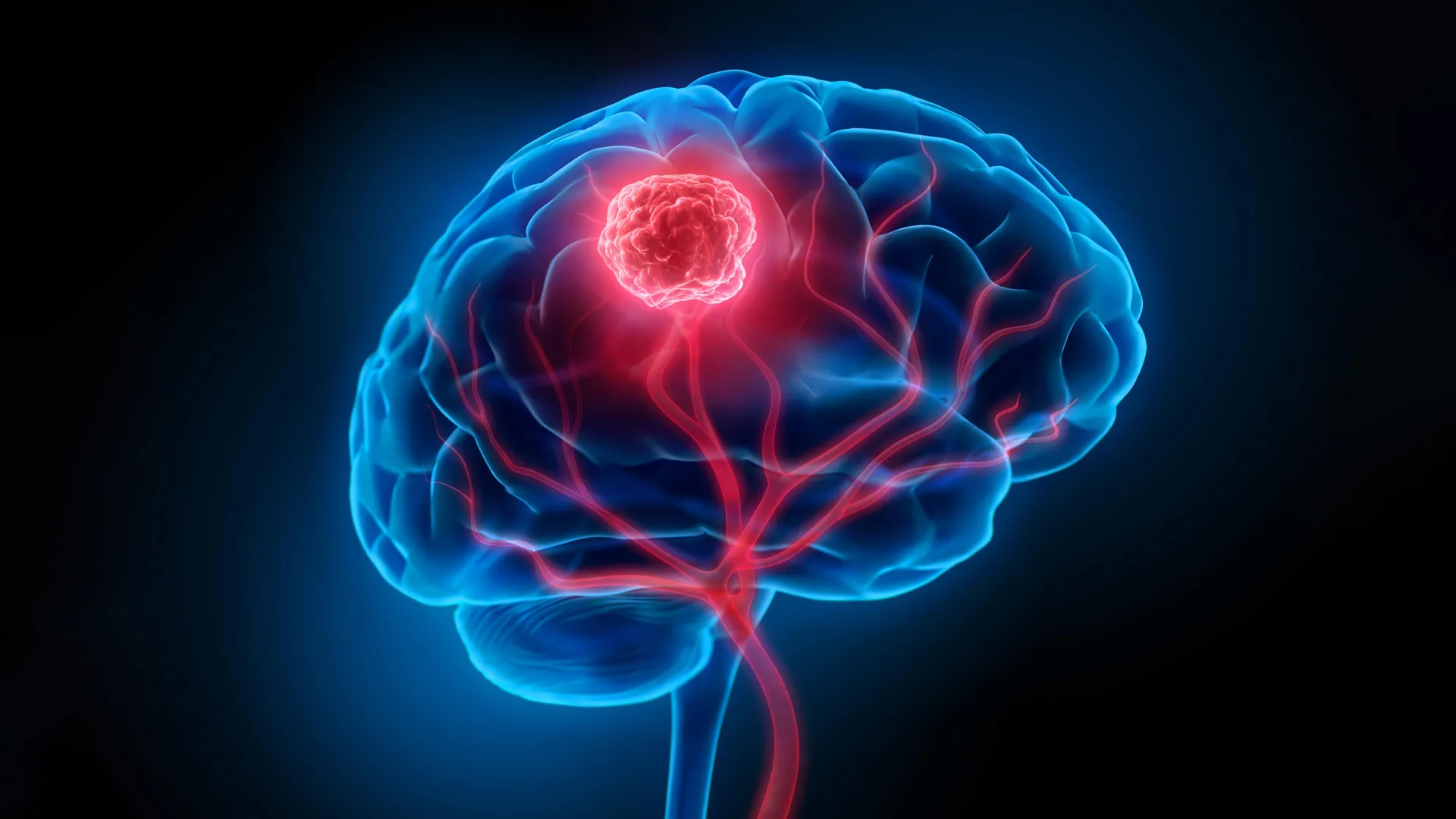
For more than two millennia, the foundational philosophy of oncology has remained largely unchanged: to identify, isolate, and eradicate malignant growths through increasingly aggressive means. From the early surgical interventions of the ancient Greeks to the modern-day precision of radiotherapy and the systemic toxicity of chemotherapy, the "seek and destroy" mandate has defined the patient experience. However, a landmark study emerging from the Advanced Centre for Treatment, Research and Education in Cancer (ACTREC) at the Tata Memorial Centre in Mumbai suggests that this long-standing approach may be overlooking a fundamental biological truth. Led by Professor Indraneel Mittra, a team of researchers is proposing a radical departure from traditional methods, suggesting that the key to managing one of the world’s most lethal cancers lies not in destruction, but in a biological process of "healing."
The study, recently published in the journal BJC Reports, focuses on glioblastoma multiforme (GBM), a primary brain tumor known for its rapid progression and resistance to conventional therapies. By utilizing a simple, low-cost combination of two nutraceuticals—resveratrol and copper—researchers have observed significant shifts in tumor biology that suggest a malignant environment can be stabilized and potentially neutralized. This "gentle strategy" challenges the conventional wisdom that cancer must be met with maximum tolerated doses of toxins, offering instead a vision of oncology where tumors are coaxed into a benign state.
The Philosophical Shift: Cancer as a Non-Healing Wound
The conceptual framework for Professor Mittra’s work finds its roots in a seminal 1986 article published in the New England Journal of Medicine. In that paper, Dr. Harold Dvorak famously proposed that "tumors are wounds that do not heal." Dvorak observed that the physiological processes involved in cancer—such as angiogenesis (the formation of new blood vessels), inflammation, and the remodeling of the extracellular matrix—are nearly identical to the body’s natural response to injury. The critical difference is that in a healthy individual, these processes terminate once the wound is closed. In cancer, the "wound" remains perpetually open, driving a cycle of uncontrolled growth and invasion.
Professor Mittra’s research builds upon this observation by suggesting that if cancer is a wound that refuses to heal, the clinical objective should be to provide the biochemical environment necessary for that healing to finally occur. Rather than inflicting further "wounds" via radiation or caustic chemicals—which can often trigger the body’s inflammatory repair mechanisms and inadvertently fuel further tumor growth—the Mumbai team sought a method to suppress the triggers of malignancy at the molecular level.
The Role of Cell-Free Chromatin Particles (cfChPs)
The biological driver behind this persistent state of "un-healing" is believed to be cell-free chromatin particles (cfChPs). When cells die—whether through natural turnover or as a result of aggressive treatments like chemotherapy—they release fragments of DNA and proteins into the surrounding environment. These cfChPs are not merely inert debris; they are biologically active agents.
Earlier research conducted by Professor Mittra’s group demonstrated that these fragments can enter healthy cells, integrate into their genomes, and cause double-stranded DNA breaks. This process triggers a cascade of genomic instability and chronic inflammation, effectively "reprogramming" surrounding tissue to become more aggressive and cancerous. In a cruel irony, traditional treatments that kill large numbers of cancer cells may actually exacerbate the disease by flooding the body with cfChPs, thereby promoting metastasis and treatment resistance.
The innovation presented by the ACTREC team involves the use of a pro-oxidant combination of resveratrol, a polyphenol found in grapes, and copper. When these two substances interact, they generate oxygen radicals that specifically target and deactivate cfChPs. By neutralizing these particles, the researchers hypothesized they could halt the inflammatory cycle and allow the tumor to transition from an aggressive state to a more stable, "healed" condition.
Clinical Methodology and Striking Results in Glioblastoma
To test this hypothesis, the researchers conducted a controlled study involving 20 patients diagnosed with glioblastoma. This particular cancer was chosen due to its dismal prognosis; despite the "Stupp protocol"—the current standard of care involving surgery followed by temozolomide and radiation—the median survival rate remains approximately 15 months, a figure that has seen little improvement in decades.
The study participants were divided into two groups of ten. The treatment group received a tablet containing small doses of resveratrol and copper (R-Cu) four times daily for an average of 11.6 days leading up to their scheduled brain surgeries. The control group received standard care without the nutraceutical intervention. Following the surgical removal of the tumors, both sets of tissue were subjected to rigorous analysis, including immunofluorescence, immune-staining, and transcriptome analysis.
The results were described by the research team as "striking." In the patients who received the R-Cu tablets, the presence of cfChPs within the tumor tissue was almost entirely eliminated. Furthermore, the analysis revealed a significant down-regulation of several key markers associated with cancer progression:
- MMP9 Reduction: Matrix metalloproteinase-9, an enzyme that tumors use to break down surrounding tissue and facilitate invasion, was significantly decreased.
- Inhibition of Epithelial-to-Mesenchymal Transition (EMT): The markers for EMT, a process by which cancer cells become more mobile and resistant to treatment, were suppressed.
- Induction of Apoptosis: The treated tumors showed signs of controlled cell death (apoptosis) rather than necrotic cell death, which is a cleaner biological process that does not release inflammatory cfChPs.
- Absence of Toxicity: Perhaps most importantly for patient quality of life, the R-Cu intervention produced no detectable side effects, a sharp contrast to the debilitating nausea, fatigue, and immunosuppression associated with standard oncology drugs.
A Low-Cost Alternative to High-Tech Immunotherapy
One of the most significant findings of the study involves the impact of the R-Cu combination on immune checkpoints. Modern oncology has been revolutionized by Immune Checkpoint Inhibitors (ICIs), drugs designed to block proteins like PD-1 or CTLA-4 that prevent the immune system from attacking cancer cells. While effective for some, these drugs are prohibitively expensive—often costing upwards of $100,000 per course of treatment—and can cause severe auto-immune reactions.
Professor Mittra’s study found that the simple resveratrol-copper combination effectively down-regulated multiple immune checkpoints naturally. This suggests that the nutraceutical approach might achieve some of the same therapeutic goals as high-end immunotherapy but at a fraction of the cost and with a much higher safety profile. For healthcare systems in developing nations, or for patients who cannot tolerate the toxicity of ICIs, this represents a potentially transformative shift in accessibility.
Analysis of Implications and Future Directions
The implications of this research extend far beyond the treatment of glioblastoma. If the cfChP-deactivating mechanism of R-Cu is as effective as this small-scale study suggests, it could theoretically be applied to a wide range of solid tumors. The concept of "metronomic" or "gentle" therapy—using low-dose, non-toxic agents to manage cancer as a chronic, stable condition rather than trying to eradicate it through high-dose toxicity—is gaining traction in the global scientific community.
However, the medical establishment remains cautious. Critics and independent observers note that while the results are promising, the study size of 20 patients is statistically small. Large-scale, Phase III clinical trials will be necessary to confirm these findings and determine the long-term survival benefits of the R-Cu tablet. Furthermore, the transition from a "killing" paradigm to a "healing" paradigm requires a massive shift in the pharmaceutical industry’s economic model, which currently prioritizes high-cost, patented molecules over inexpensive, non-patentable nutraceuticals.
Professor Mittra, who holds the Dr. Ernest Borges Chair in Translational Research at ACTREC, remains optimistic. He points out that the quest to "kill" cancer has been ongoing for 2,500 years with limited success in many advanced stages of the disease. "Maybe it is time to look at cancer treatment differently and work towards healing tumors, rather than annihilating them," Mittra stated.
Chronology of Development
The path to this clinical trial was decades in the making. Professor Mittra’s group has spent over 20 years investigating the role of cell-free DNA in human health.
- Early 2000s: Initial discovery of the damaging effects of cfChPs on healthy cells.
- 2010-2015: Laboratory studies identifying resveratrol and copper as a potent generator of oxygen radicals capable of degrading chromatin.
- 2017-2021: Animal model testing showing that R-Cu could reduce the toxicity of chemotherapy and inhibit tumor metastasis.
- 2023-2024: Completion of the human glioblastoma study and publication in BJC Reports.
As the medical community digests these findings, the focus will likely turn to how this "healing" approach can be integrated with existing treatments. Some suggest that R-Cu could be used as a "priming" agent before surgery or as a maintenance therapy to prevent recurrence.
This study, supported by the Department of Atomic Energy, Government of India, stands as a testament to the potential of translational research to find innovative solutions in unexpected places. While the "war on cancer" has long been defined by its casualties, the work being done in Mumbai offers a quieter, more hopeful alternative: the possibility that the path to a cure is not through more violence against the body, but through the restoration of its natural balance.
