
 By admin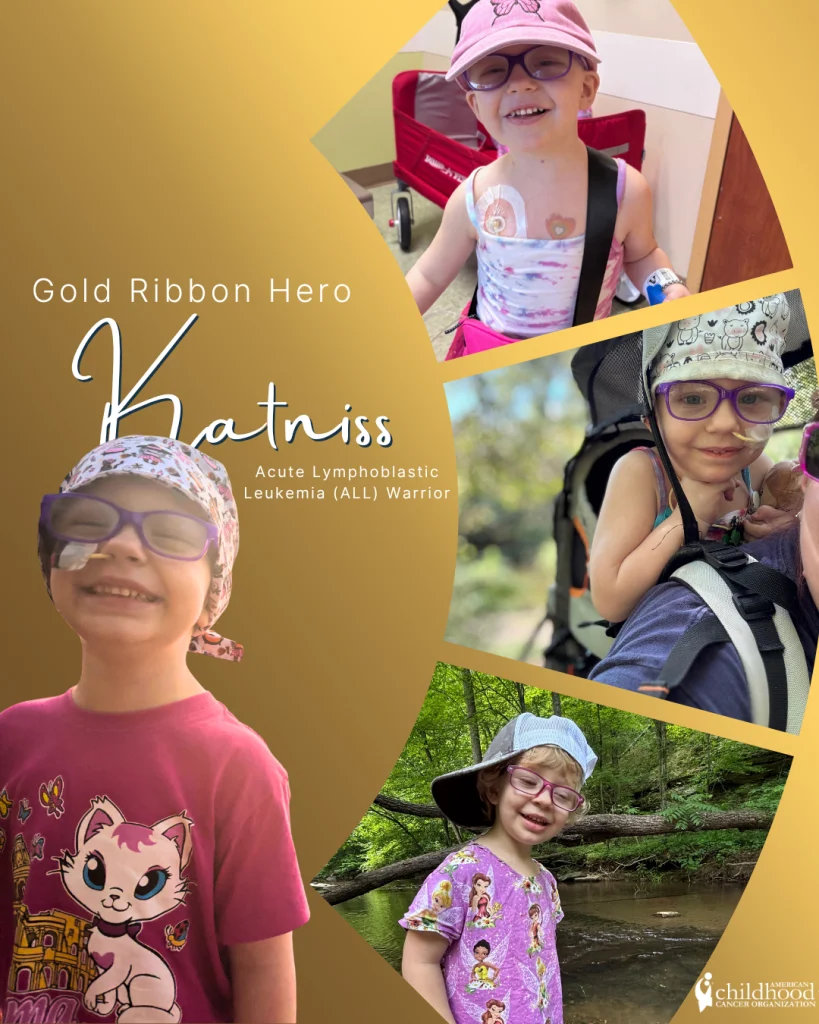
The landscape of pediatric oncology is often defined by stories of profound personal struggle and the remarkable resilience of the human spirit, a reality exemplified by the recent diagnosis and ongoing treatment of Katniss, a young patient diagnosed with Acute Lymphoblastic Leukemia (ALL). In June 2025, a series of seemingly routine health concerns escalated into a life-altering medical emergency, marking the beginning of a multi-year clinical journey for Katniss and her family. Her story, while unique in its familial history, mirrors the experiences of thousands of families navigating the complexities of childhood cancer, highlighting both the advancements in modern hematology and the persistent need for robust community support systems.
Clinical Presentation and the Path to Diagnosis
The onset of Katniss’s medical challenges began with a persistent case of strep throat, a common pediatric ailment that failed to respond to standard interventions. The situation took a critical turn when Katniss began vomiting blood, a symptom that necessitated immediate emergency room evaluation. Clinical assessments conducted upon her admission revealed significant hematological abnormalities, specifically neutropenia—a dangerously low count of neutrophils, which are essential white blood cells for fighting infection—and anemia, a deficiency in red blood cells or hemoglobin.
These symptoms are classic indicators of bone marrow dysfunction, often associated with the rapid proliferation of malignant cells. Within days of her initial ER visit, diagnostic testing confirmed that Katniss was suffering from Acute Lymphoblastic Leukemia (ALL). ALL is a type of cancer that affects the blood and bone marrow, characterized by the overproduction of immature white blood cells called lymphoblasts. According to the American Cancer Society, ALL is the most common form of childhood cancer, accounting for approximately four out of every five cases of leukemia in children.
A Generational Struggle: The Emotional Weight of a Recurrent Diagnosis
The diagnosis of Katniss carried a particularly heavy emotional burden for her family due to a rare and poignant coincidence: her mother, Katherine, is herself a survivor of childhood leukemia. The revelation that her daughter would have to face the same oncological battle she once fought was a devastating blow. "As a childhood leukemia survivor myself, hearing my baby girl has the same cancer broke my heart," Katherine noted, reflecting on the psychological toll of seeing a child mirror a traumatic chapter of one’s own past.
From a clinical perspective, while most cases of ALL are not considered hereditary, the occurrence of the disease in multiple generations of a single family often prompts discussions regarding genetic predispositions and the long-term monitoring of survivor health. For the family, the diagnosis transformed a personal history of survival into a renewed mission of advocacy and care, as they navigate a medical landscape that has evolved significantly since Katherine’s own treatment years prior.
The Treatment Roadmap: A Two-and-a-Half-Year Protocol
Following the confirmation of the diagnosis, Katniss was immediately enrolled in a rigorous treatment protocol designed to achieve and maintain remission. The standard of care for pediatric ALL is notably lengthy, typically spanning two to three years. For Katniss, the projected timeline includes two and a half years of intensive chemotherapy.
The treatment of ALL is generally divided into several phases:
- Induction Therapy: The initial phase aimed at killing the leukemia cells in the blood and bone marrow to bring the cancer into remission.
- Consolidation (Sustained Intensification): This phase focuses on eliminating any remaining leukemia cells that may not be active but could cause a relapse.
- Maintenance Therapy: A less intensive phase intended to prevent the cancer from returning, often involving oral chemotherapy and periodic outpatient visits.
Katniss’s journey involves several invasive but necessary procedures. These include the surgical placement of a chemo port—a device implanted under the skin to allow easy access for intravenous medications—as well as frequent bone marrow biopsies and lumbar punctures. Lumbar punctures, or spinal taps, are critical in pediatric ALL treatment to ensure that leukemia cells have not migrated to the central nervous system and to administer prophylactic chemotherapy directly into the cerebrospinal fluid.
Despite the physical toll of these procedures, medical staff and family members report that Katniss has maintained a "sassy personality" and a high degree of resilience. This psychological fortitude is often cited by pediatric specialists as a vital component of a patient’s overall well-being during long-term hospitalization and treatment.
Supporting Data: The Current State of Pediatric ALL
The broader context of Katniss’s battle is framed by significant advancements in pediatric hematology. In the mid-20th century, the survival rate for childhood ALL was extremely low. However, due to decades of clinical trials and the refinement of multi-agent chemotherapy regimens, the five-year survival rate for children with ALL is now approximately 90%.
Despite these high survival rates, the intensity of the treatment remains a significant concern for the medical community. Survivors of childhood ALL often face "late effects," which can include cardiovascular issues, secondary malignancies, and cognitive challenges resulting from the toxicity of the treatments. This underscores the importance of ongoing research into targeted therapies and "de-escalation" strategies that aim to maintain high cure rates while reducing long-term side effects.
| Statistic | Value |
|---|---|
| Annual Pediatric ALL Cases (U.S.) | Approximately 3,000 |
| Peak Age of Diagnosis | 2 to 5 years old |
| Average Treatment Duration | 2 to 3 years |
| 5-Year Survival Rate | ~90% |
Ambassadorship and Community Engagement: The Grand Ole Opry Event
In recognition of her courage, Katniss was selected as an ambassador for the Grand Ole Opry Chili Cook-Off in Nashville, Tennessee. This event serves as a significant fundraiser for the American Childhood Cancer Organization (ACCO), one of the oldest and largest grassroots organizations dedicated to providing support and resources to families affected by pediatric cancer.
The Chili Cook-Off is a high-profile community event that leverages the cultural heritage of Nashville to raise awareness and funds. Although Katniss’s treatment schedule and health status prevented her from attending the actual event in person, the organizers and the ACCO ensured that her contribution was recognized. Several weeks after the conclusion of the cook-off, Katniss and her family were invited to a private tour of the Grand Ole Opry facility.
The visit provided the family with a rare moment of respite from the clinical environment. They were given a behind-the-scenes look at the historic venue and were guests at a live performance. Such experiences are considered integral to "total care" in pediatric oncology, addressing the social and emotional needs of the patient and their family members who are often isolated by the demands of a cancer diagnosis.
Broader Implications and the Role of Advocacy
The story of Katniss and the Grand Ole Opry fundraiser highlights the critical role of public-private partnerships in addressing the "funding gap" in pediatric cancer research. While adult cancers receive significant federal and private investment, pediatric cancer research often relies heavily on philanthropic organizations and community-led initiatives.
The ACCO and similar organizations utilize the stories of ambassadors like Katniss to humanize the statistics of childhood cancer. By putting a face to the diagnosis, these advocates help drive legislative change and increase public donations. The funds raised through events like the Nashville cook-off are directed toward:
- Family Support Programs: Providing educational materials, "comfort kits," and financial assistance to families in active treatment.
- Legislative Advocacy: Pushing for increased federal funding through initiatives like the STAR (Survivors’ Rights, Treatment, Access, and Research) Act.
- Research Initiatives: Funding clinical trials that explore more effective and less toxic treatment options for pediatric patients.
Conclusion: A Trajectory of Hope
As Katniss continues her two-and-a-half-year treatment plan, her journey remains a testament to the intersection of medical science and personal endurance. The transition from the emergency room in June 2025 to her role as a Nashville ambassador represents a shift from crisis to management and advocacy.
The medical community continues to monitor patients like Katniss closely, not only for the immediate eradication of cancer cells but for the preservation of their quality of life. The resilience shown by Katniss, supported by a mother who understands the path ahead and a community that rallies behind them, provides a powerful narrative of hope. While the road to recovery is long and fraught with clinical challenges, the integration of high-quality medical care with robust community support ensures that "warriors" like Katniss are not fighting alone. The continued success of pediatric oncology depends on this multifaceted approach, combining the rigors of science with the compassion of community-driven advocacy.
