
 By admin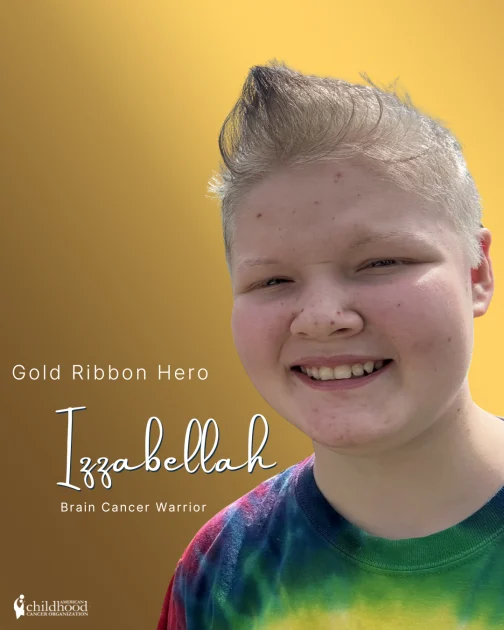
The trajectory of pediatric oncology is often defined by a series of clinical hurdles, surgical interventions, and the profound resilience of young patients like Izzabellah “Bellah,” whose multi-year battle with brain cancer highlights both the complexities of modern neuro-oncology and the significant gaps in the pediatric healthcare support system. For Bellah, the onset of her medical journey was marked not by a sudden trauma, but by persistent, worsening headaches that spanned a period of four months, a common but frequently misdiagnosed early symptom of intracranial pressure. This period of diagnostic uncertainty culminated in a magnetic resonance imaging (MRI) scan that revealed the presence of a tumor, setting into motion a rapid sequence of events that saw Bellah transferred from a regional medical center to Riley Children’s Hospital, a nationally recognized leader in pediatric care.
The clinical progression of Bellah’s case underscores the aggressive nature of pediatric brain tumors. Following the initial surgical resection of her first tumor, subsequent imaging and pathology revealed additional growths, necessitating a comprehensive and multimodal treatment plan. This plan included a 13-month regimen of oral chemotherapy, a second neurosurgical procedure to address recurrent or residual tumor masses, eight weeks of localized radiation therapy, and a subsequent return to systemic chemotherapy. Bellah’s journey is representative of the approximately 4,000 children and adolescents diagnosed with primary brain and central nervous system (CNS) tumors each year in the United States, a demographic that faces unique physiological and psychological challenges compared to adult cancer patients.
Chronology of Diagnosis and Clinical Intervention
The timeline of Bellah’s treatment reflects the standard but grueling protocols established for pediatric brain cancer, which prioritize tumor reduction while attempting to minimize long-term developmental damage. The initial four-month period of headaches serves as a critical window in the diagnostic timeline. In pediatric neuro-oncology, symptoms such as chronic headaches, nausea, and changes in vision or motor skills are often the first indicators of a mass in the brain. Upon the discovery of the abnormality via MRI, the immediate transfer to a specialized facility like Riley Children’s Hospital was a vital step, as pediatric neurosurgery requires specialized equipment and surgical teams trained in the nuances of developing brain tissue.
Following the first surgery, the discovery of further tumors shifted the clinical focus from localized treatment to a chronic management strategy. The 13-month oral chemotherapy phase was designed to target rapidly dividing cancer cells throughout the CNS. However, the persistence of the disease necessitated a second surgical intervention. Surgery in these cases is often a delicate balance between maximal safe resection—removing as much of the tumor as possible—and preserving critical neurological functions.
The subsequent eight-week radiation cycle introduced a new set of risks. Radiation therapy, while effective at killing tumor cells, can have significant "late effects" on pediatric patients, including cognitive impairments, endocrine dysfunction, and an increased risk of secondary malignancies later in life. The return to chemotherapy following radiation highlights the cyclical and often repetitive nature of cancer treatment, where medical teams must continuously pivot based on the patient’s response to therapy.
Supporting Data and Pediatric Cancer Statistics
To understand the broader context of Bellah’s journey, it is necessary to examine the current state of pediatric oncology research and funding. According to the National Cancer Institute (NCI), brain tumors are the most common cause of cancer-related death among children and adolescents under the age of 19. While overall survival rates for childhood cancers have improved significantly over the last several decades—climbing from less than 50% in the 1970s to over 80% today—brain tumors remain among the most difficult to treat due to the blood-brain barrier and the inherent sensitivity of the organ.
Data from the American Childhood Cancer Organization (ACCO) indicates that pediatric cancer receives a disproportionately small amount of federal research funding compared to adult cancers. This "funding gap" often results in a reliance on treatments that were originally developed for adults, which may not be optimally suited for the biological makeup of children. Furthermore, the rarity of specific pediatric tumor types makes large-scale clinical trials difficult to conduct, often leading to slower advancements in targeted therapies.
Psychosocial Impact and the Social Death of Cancer
Beyond the physical toll of surgeries and chemical treatments, Bellah’s experience sheds light on the profound psychosocial challenges faced by pediatric patients. The source material notes that Bellah faced the "challenges of losing friends and missing out socially." In the field of medical sociology, this is often referred to as the "social death" or social isolation that accompanies long-term illness.
Extended hospital stays and the debilitating side effects of chemotherapy—such as fatigue, hair loss, and immunosuppression—often prevent children from participating in standard developmental milestones, such as attending school, participating in sports, or maintaining peer relationships. For many young patients, the loss of a social circle can be as distressing as the physical symptoms of the disease.
Bellah’s response to this isolation was the creation of digital content. By producing short videos and blogs, she engaged in a form of self-advocacy and "narrative medicine," a practice where patients use storytelling to process their trauma and connect with a wider community. This digital outreach serves two purposes: it provides the patient with a sense of agency and purpose, and it offers a support network for other families navigating similar diagnoses.
Institutional and Community Response
The role of specialized institutions like Riley Children’s Hospital cannot be overstated. As a member of the Children’s Oncology Group (COG), Riley is part of a global network of researchers and clinicians dedicated to improving outcomes for children with cancer. While specific statements from Bellah’s medical team are not publicly available, the standard of care at such institutions involves a multidisciplinary approach including neuro-oncologists, radiation therapists, pediatric nurses, and social workers.
Organizations like the ACCO play a pivotal role in bridging the gap between clinical treatment and family support. By providing resources like "Medical Play Kits" and educational materials, these organizations help families navigate the complexities of the healthcare system. The ACCO’s advocacy for increased research funding and better access to care is central to their mission, encapsulated in their slogan that "kids can’t fight cancer alone."
Broader Implications and Survivorship
Bellah’s current status—attending school and working as an activity aide at a local nursing facility—represents a successful transition into the phase of "survivorship." However, survivorship in pediatric oncology is a lifelong journey. According to the Journal of Clinical Oncology, nearly two-thirds of childhood cancer survivors will experience at least one chronic health condition as a result of their treatment. These can include cardiovascular issues, hearing loss, or learning disabilities.
Bellah’s choice of employment as an activity aide at a nursing facility is particularly noteworthy from a rehabilitative perspective. It demonstrates a high level of resilience and a commitment to service, likely informed by her own experiences within the healthcare system. This transition from patient to caregiver is a significant milestone, indicating a level of physical and emotional recovery that allows for full participation in the workforce and community life.
The implications of Bellah’s story extend to the legislative and policy-making spheres. Her journey highlights the need for:
- Early Diagnostic Tools: Improved training for primary care physicians to recognize the early signs of pediatric brain tumors.
- Psychosocial Support Systems: Greater integration of mental health and social support within the oncology clinical pathway to mitigate the effects of social isolation.
- Targeted Pediatric Research: Continued pressure on federal agencies and private donors to fund research specifically for pediatric-grade tumors, which differ biologically from adult tumors.
- Survivorship Care Plans: Robust long-term follow-up care to monitor and treat the late effects of radiation and chemotherapy.
Conclusion
Izzabellah “Bellah” represents the thousands of children who navigate the harrowing intersection of intensive medical intervention and the normal desire for a childhood. Her case serves as a poignant reminder of the progress made in pediatric neurosurgery and oncology, as well as the work that remains. While her return to school and her employment signify a triumph of the human spirit and medical science, the broader context of her journey emphasizes the systemic need for increased funding, specialized care, and a comprehensive understanding of the long-term impact of cancer treatment on the youngest members of society. As Bellah continues her path, her story remains a vital data point in the ongoing effort to transform pediatric brain cancer from a life-threatening crisis into a manageable, and ultimately curable, condition.
