
 By admin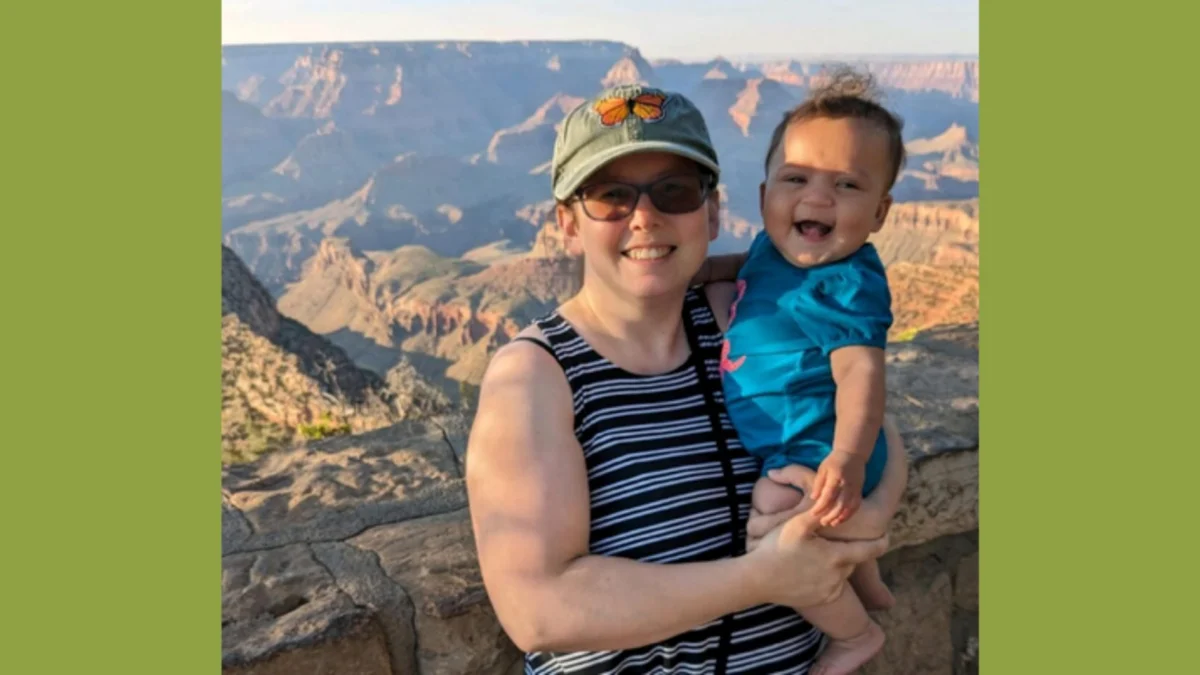
The trajectory of a childhood cancer survivor is rarely a straight line from diagnosis to cure; rather, it is a complex, lifelong journey marked by resilience, medical hurdles, and the enduring consequences of toxic treatments. Liz Kaiser’s story, beginning with a suspected sports injury at age 13 and culminating in her current life as a mother and medical professional, serves as a poignant case study in the evolution of pediatric oncology and the persistent gaps in research for rare adolescent cancers. Two decades after her initial diagnosis of osteosarcoma, Kaiser’s experience highlights the dual reality of modern medicine: the triumph of survival and the sobering necessity for safer, more innovative therapeutic interventions.
The Onset of a Medical Crisis: From Volleyball to Biopsy
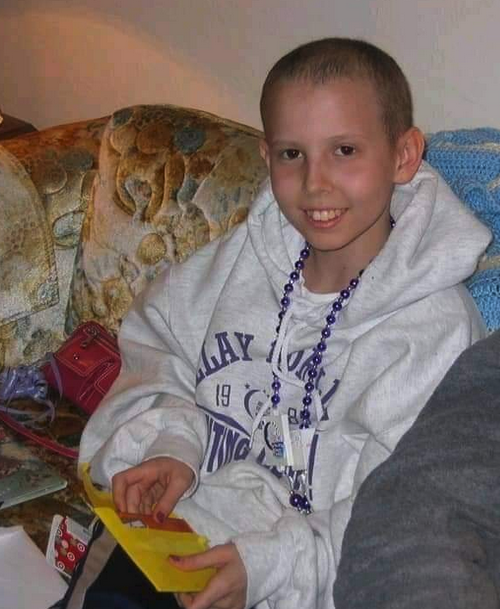
In the autumn of her eighth-grade year, Liz Kaiser was a typical 13-year-old athlete focused on her volleyball season. When persistent pain developed in her right leg, it was initially dismissed by both the player and her family as a routine sports injury. Following standard protocols for minor trauma, Kaiser utilized rest, ice, elevation, and compression (RICE) to manage the discomfort, attempting to finish the competitive season. However, the failure of the pain to subside prompted a return to her pediatrician, a decision that would fundamentally alter the course of her life.
A subsequent Magnetic Resonance Imaging (MRI) scan revealed a suspicious mass located just below the growth plate of her right knee. On the day after Thanksgiving—a period usually reserved for family celebration—Kaiser underwent a diagnostic biopsy. The results confirmed the family’s greatest fear: osteosarcoma, a primary bone malignancy that most frequently affects adolescents and young adults during periods of rapid growth.
For her father, Greg Kaiser, the memory of the diagnosis remains etched in vivid detail. The clinical terminology of "cancer" was introduced even before the specific subtype was confirmed, plunging the family into a state of immediate crisis. The psychological impact of such a diagnosis on a family unit is profound, often described by parents as a loss of innocence and the beginning of a relentless battle against an invisible enemy.
A Rigorous Clinical Path: The Osteosarcoma Treatment Regimen
Osteosarcoma is an aggressive form of cancer that requires a multi-modal treatment approach. Kaiser’s protocol, which began in December of that year, involved several rounds of neoadjuvant chemotherapy intended to shrink the tumor before surgical intervention. The standard of care for osteosarcoma has remained largely unchanged for decades, typically involving a combination of high-dose methotrexate, doxorubicin (Adriamycin), and cisplatin.
Following the initial chemotherapy cycles, Kaiser underwent an intensive eight-hour reconstructive surgery on her knee. This procedure, often referred to as limb-salvage surgery, is a complex orthopedic feat that involves removing the cancerous bone and replacing it with a combination of internal prosthetics and bone grafts. While such surgeries have largely replaced the need for amputation in many cases, they require meticulous rehabilitation and carry a high risk of long-term mechanical complications.
After a brief period of post-operative recovery, Kaiser transitioned into maintenance chemotherapy. This phase lasted nearly a year, concluding on the day before Halloween. The imagery of Kaiser trick-or-treating in a wagon, dressed as a character from Sesame Street while still reliant on crutches, underscores the juxtaposition of childhood milestones and the heavy burden of oncological treatment.
The Physical and Psychological Toll of Recovery
The end of active treatment is often mischaracterized as the end of the medical journey. For Kaiser, the following months brought new emergencies. The systemic nature of chemotherapy, particularly agents that interfere with bone metabolism and density, left her skeletal system fragile. A subsequent fall resulted in the breaking of both her legs, necessitating further hospitalization and additional corrective surgeries.
Beyond the physical trauma, the reintegration into a middle school environment presented unique social challenges. Kaiser recalls the pragmatic adjustments required for daily life, such as using a wheelchair to navigate school hallways. While she reflects on these moments with humor—noting that classmates often vied for the opportunity to push her wheelchair as a means of leaving class early—the underlying reality was one of significant disruption to her social and educational development.
Supporting Data on Pediatric Osteosarcoma and Survivorship
To understand the broader implications of Kaiser’s journey, it is necessary to examine the statistical landscape of pediatric bone cancers. According to the American Cancer Society, approximately 800 to 1,000 new cases of osteosarcoma are diagnosed in the United States annually, with about half of these occurring in children and teens.
While the five-year survival rate for localized osteosarcoma is approximately 70%, the long-term "late effects" of treatment remain a significant concern for the survivor community. Data from the Childhood Cancer Survivor Study (CCSS) indicates that more than 70% of childhood cancer survivors will develop at least one chronic health condition related to their treatment, and nearly 35% will experience a severe or life-threatening complication by age 45.
In Kaiser’s case, these late effects have manifested as permanent hearing loss (a known side effect of cisplatin), limited range of motion in her right knee, and the eventual necessity of a total knee replacement. These complications are not incidental; they are the direct result of using "blunt instrument" therapies that, while effective at killing cancer cells, cause collateral damage to healthy tissues.
The Innovation Gap in Pediatric Oncology
One of the most critical aspects of Kaiser’s story is the critique offered by her father regarding the lack of pharmaceutical innovation. Greg Kaiser pointed out that the treatment his daughter received 20 years ago was already three decades old at the time. This highlights a systemic issue in the medical industry: the "orphan" status of many pediatric cancers.
Because pediatric cancers are relatively rare compared to adult malignancies like lung or breast cancer, there is often a lack of financial incentive for pharmaceutical companies to invest in the research and development of new drugs. Consequently, pediatric oncologists are frequently forced to use decades-old protocols that, while life-saving, are characterized by high toxicity.
Advocacy groups emphasize that pediatric cancer research receives only about 4% of the National Cancer Institute’s (NCI) federal budget. This funding disparity means that breakthroughs in immunotherapy and targeted molecular therapies, which have revolutionized adult oncology, are slower to reach the pediatric population.
From Patient to Professional: A Career Born of Experience
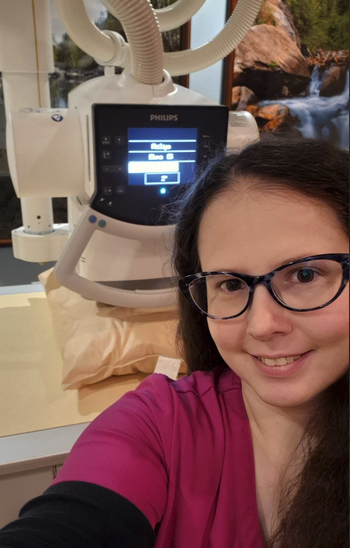
Despite the hardships, Kaiser’s experience in the radiology suite during her treatment sparked a professional interest that would define her adult career. Today, she works as a radiologic technologist, the very professional responsible for the imaging scans that once monitored her tumor. This career choice represents a powerful reclamation of her narrative, turning a source of childhood anxiety into a vehicle for helping others.
Her professional perspective provides her with a unique empathy for patients undergoing similar diagnostic hurdles. In the field of radiologic technology, Kaiser is not just an operator of machinery; she is a survivor who understands the weight of the images she produces.
The Milestone of Motherhood: Navigating New Challenges
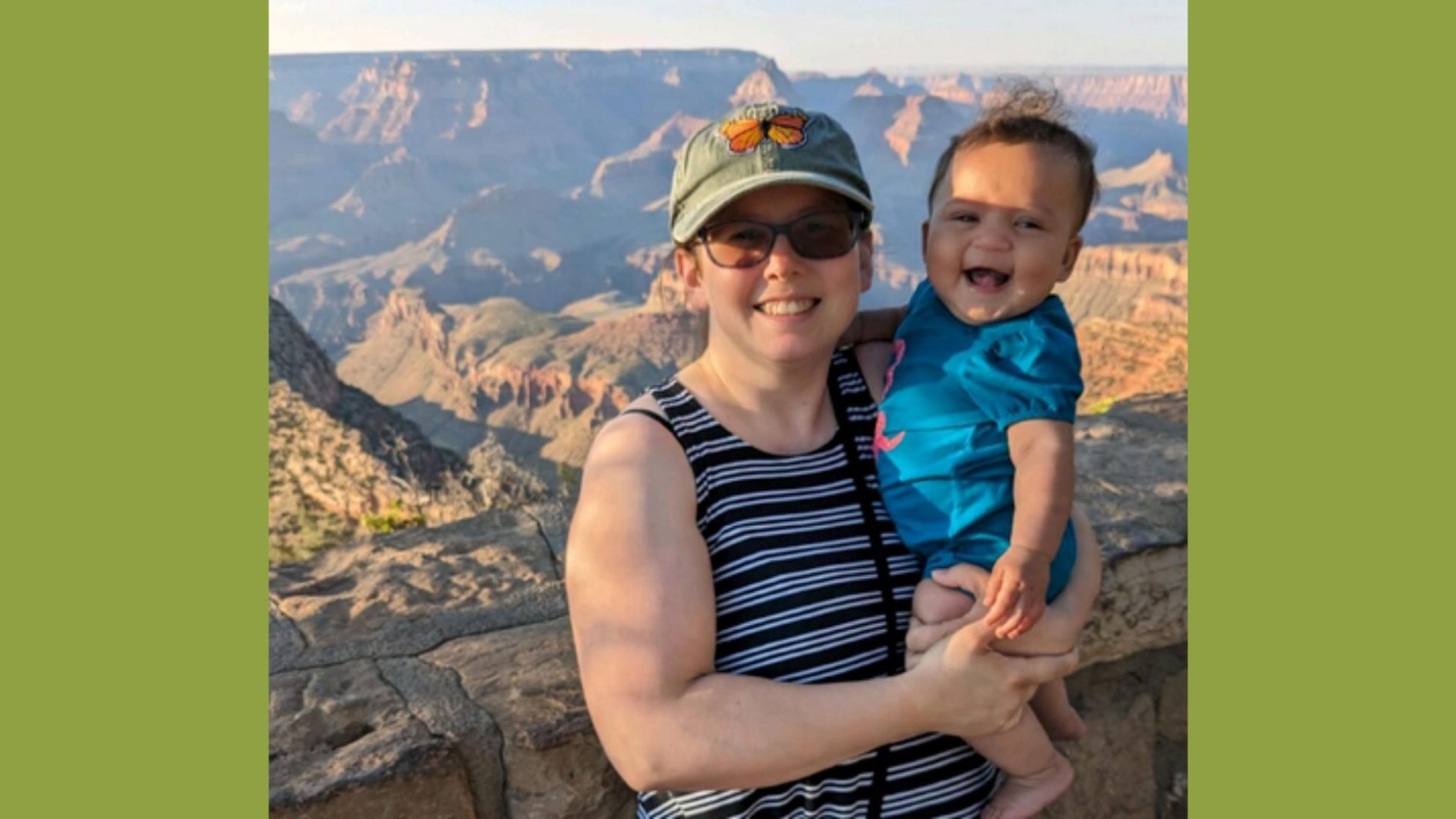
Perhaps the most significant milestone in Kaiser’s two-decade journey is the birth of her daughter, Isabelle. For many childhood cancer survivors, the prospect of starting a family is clouded by concerns over fertility—a common side effect of certain chemotherapy agents—and the physical ability to keep up with the demands of parenting.
Now three years old, Isabelle (Izzy) represents a future that once seemed uncertain. However, the "late effects" of Kaiser’s cancer treatment continue to influence her daily life as a parent. The limited mobility in her knee means she cannot run after her daughter or easily engage in floor-based play. "Mommy can’t do that" has become a necessary phrase in their household, though Kaiser delivers it with the same resilience that saw her through chemotherapy.
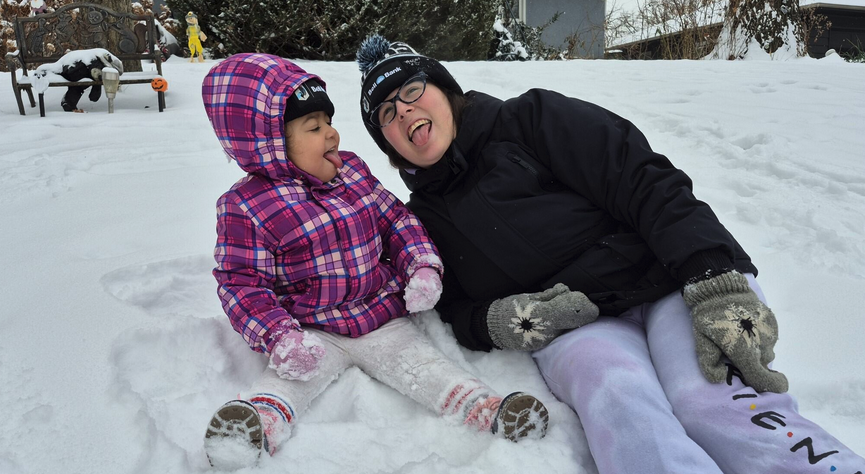
The presence of a strong support system, including her mother and stepfather, has been instrumental in ensuring that Isabelle receives the active engagement she requires. This intergenerational support highlights the long-term role of the family in the life of a cancer survivor.
Broader Implications for Healthcare and Policy
Kaiser’s story is a reminder that the "cure" is only the beginning. As the population of childhood cancer survivors grows—now estimated at over 500,000 in the United States—healthcare systems must adapt to provide comprehensive survivorship care. This includes:
- Specialized Survivorship Clinics: Long-term follow-up care that monitors for secondary malignancies, cardiac issues, and orthopedic complications.
- Increased Research Funding: Federal and private investment must be directed toward "low-toxicity" treatments that minimize late effects.
- Legislative Advocacy: Policies such as the STAR Act (Survivorship, Treatment, Access, and Research) are essential for maintaining a national infrastructure for pediatric cancer data and research.
Conclusion: A Legacy of Hope and Advocacy
Nearly 20 years after her diagnosis, Liz Kaiser stands as a symbol of the progress made in pediatric oncology and a reminder of the work that remains. Her message to other families facing similar diagnoses is one of unwavering persistence: "Don’t give up. Don’t avoid trying something because you think it might be difficult."
Her father, Greg, echoes this sentiment, emphasizing that while the medical journey is grueling, there is a path forward. The Kaiser family’s journey from a 13-year-old’s "volleyball injury" to the laughter of a three-year-old granddaughter is a powerful testament to the value of every dollar raised for cancer research. It is a call to action for the medical community and the public alike to ensure that the next generation of survivors does not have to rely on 50-year-old treatments, but rather on the cutting-edge innovations that their lives deserve.
