
 By Budi Oetomo Narendra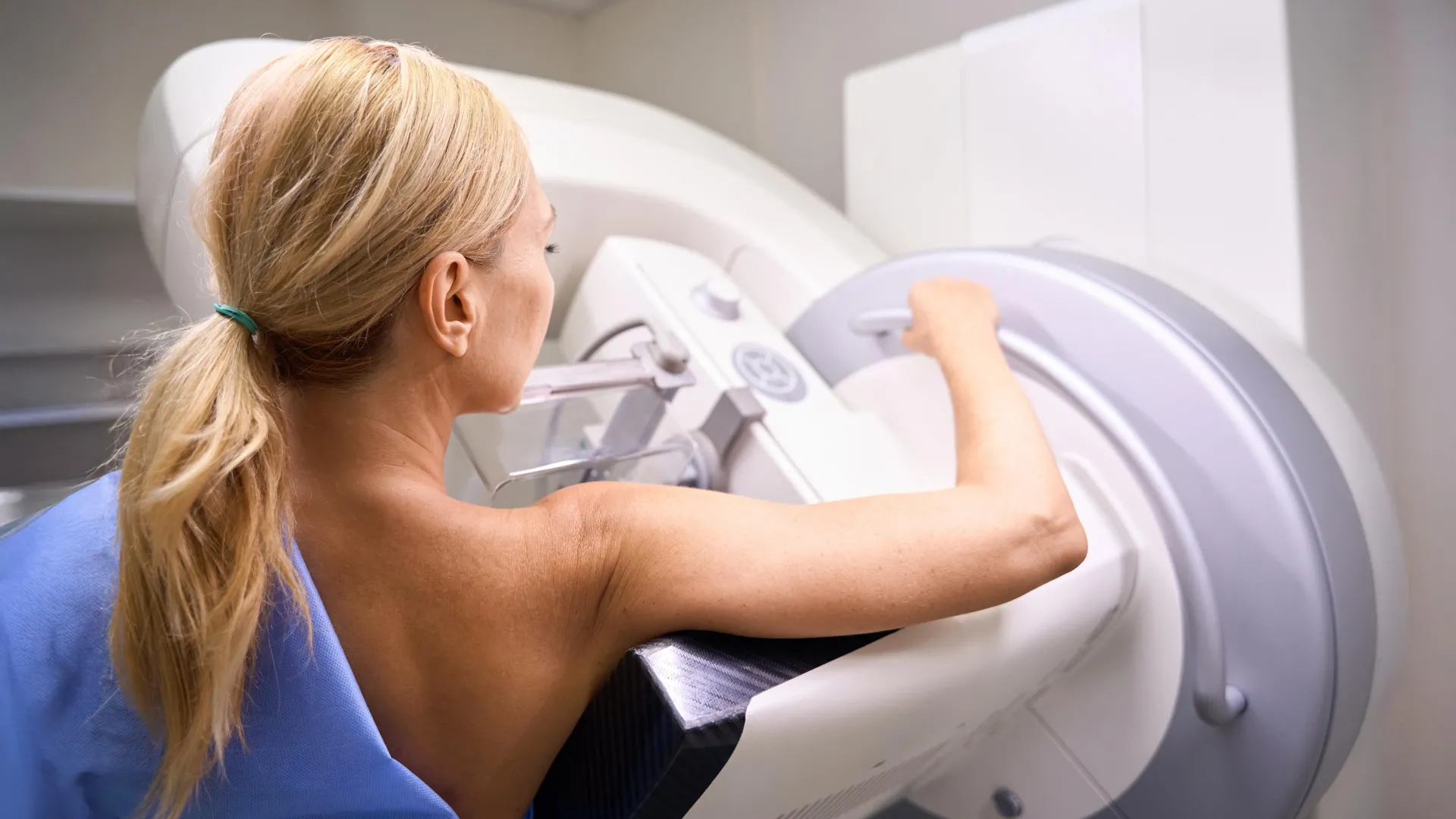
Breast cancer screening, a cornerstone of preventive health for millions of women globally, has long grappled with the complex issue of overdiagnosis. This phenomenon occurs when screening identifies cancers that, if left undetected, would never have progressed to cause symptoms or threaten a woman’s health during her lifetime. For decades, the specter of overdiagnosis has been considered a significant potential drawback, prompting extensive debate among researchers, clinicians, and public health authorities worldwide. New research, however, is poised to dramatically recalibrate this understanding, suggesting that the problem may be far less prevalent than previously believed, thus offering substantial reassurance regarding the overall benefits of screening programs.
Historically, estimates regarding the frequency of overdiagnosis have varied wildly, often creating confusion and influencing critical policy discussions. Some studies, particularly those derived from early interpretations of randomized controlled trials, suggested alarmingly high figures, positing that between 30% and 50% of breast cancers detected through screening might fall into this category. These high-end estimates fueled international conversations about the ethical implications, resource allocation, and the delicate balance between the benefits of early detection and the potential harms of unnecessary treatment. They led to calls for more cautious approaches to screening, revised age recommendations, and intensified efforts to improve patient communication about potential risks.
Now, a comprehensive re-evaluation of all available evidence from randomized controlled trials, combined with real-world data from Denmark, challenges these long-held assumptions. The study, led by Sisse Helle Njor, a professor at the University of Southern Denmark and Lillebælt Hospital, and her team, aimed to synthesize the vast body of research to achieve a clearer, more accurate picture of overdiagnosis. "Randomized trials have often been cited as evidence that overdiagnosis is a substantial problem," Professor Njor explains. "Our study shows that this interpretation is not as straightforward as it may seem." The researchers found that, when meticulously re-analyzed with a crucial focus on temporal context and follow-up duration, the additional breast cancer cases detected in these trials closely mirrored patterns observed in Denmark, where overdiagnosis associated with screening is estimated to be below 5%. This dramatic downward revision, from potentially 50% to less than 5%, represents a paradigm shift in the understanding of breast cancer screening’s efficacy and its inherent trade-offs.
The Enduring Debate: Tracing the History of Overdiagnosis Estimates
The concept of overdiagnosis in cancer screening is not unique to breast cancer but is perhaps most intensely studied and debated in this field due to the widespread nature of mammography screening programs. The journey to understanding overdiagnosis began shortly after the widespread adoption of mammography in the latter half of the 20th century. As screening programs expanded, clinicians and researchers observed an increase in the incidence of breast cancer, which was initially celebrated as a triumph of early detection. However, over time, some began to question whether all these detected cancers truly represented a threat to women’s lives.
The earliest randomized controlled trials, considered the gold standard for medical evidence, commenced in the 1960s and 1970s. Trials such as the New York Health Insurance Plan (HIP) study, the Malmö Mammographic Screening Trial, the Two-County Trial in Sweden, and later the Canadian National Breast Screening Study (CNBSS), among others, were designed to assess whether mammography screening reduced breast cancer mortality. While these trials largely demonstrated a mortality benefit, particularly for older women, they also revealed an increased incidence of cancer in the screened groups that did not always translate into a proportional decrease in advanced cancers or overall mortality in the long run. This discrepancy laid the groundwork for the hypothesis of overdiagnosis.
The initial interpretations of these trial data, often based on follow-up periods that, in retrospect, were insufficient to capture the full trajectory of cancer incidence, led to the higher estimates of overdiagnosis. Researchers struggled with the methodological challenges of differentiating between "lead time bias" – where screening simply brings forward the diagnosis of a cancer that would have eventually become symptomatic – and true overdiagnosis, where the cancer would never have manifested clinically. The 30-50% figures, though contentious, gained significant traction in academic circles and influenced various national guidelines, often leading to more conservative recommendations for screening frequency or age at initiation. This scientific uncertainty often translated into public confusion and anxiety, making informed decision-making about screening participation particularly challenging for women.
A New Look at Mammography Trials: The Danish Model’s Insights
To reconcile the conflicting estimates and achieve a more definitive understanding, the research team embarked on a meticulous re-analysis. Their approach involved two key components: a comprehensive review and re-interpretation of all eight major randomized trials of mammography screening, and a comparison of these findings with real-world data from Denmark. The trials included the New York Health Insurance Plan, Malmö, Two-County, Edinburgh, the Canadian National Breast Screening Study, Stockholm, Gothenburg, and UK Age, spanning decades of research.
Denmark provided a uniquely valuable "real-world" reference point for this investigation. The country’s organized breast cancer screening programs were introduced in different regions at different times, with a significant 17-year gap between the earliest and latest implementations. This staggered rollout created a natural experiment, allowing researchers to observe how breast cancer diagnoses changed immediately after screening was introduced in a population, and critically, how those patterns evolved over much longer periods. This longitudinal perspective is paramount for accurately distinguishing between lead time and overdiagnosis.
"When screening is introduced, the number of breast cancer diagnoses initially rises because cancers are detected earlier than they would have been without screening," explains Elsebeth Lynge, professor emerita at the Department of Public Health, University of Copenhagen, and a co-author of the study. "Over time, this should be followed by a drop, as some of these cancers would otherwise have been diagnosed later. This pattern can also be affected if women in either group continue to undergo screening after the trials had ended, which was common. If researchers do not take these factors into account, the initial increase can be mistaken for overdiagnosis." This crucial insight underscores the methodological sophistication required to correctly interpret screening data. The team compared breast cancer incidence at matching points in time in the randomized trials and in Denmark’s routine screening programs, allowing them to assess pattern similarities and, by extension, the true scale of overdiagnosis.
The Critical Role of Timing and Follow-up in Overdiagnosis Estimates
The core of the re-analysis lies in understanding how timing and follow-up duration profoundly influence overdiagnosis estimates. When mammography is introduced, it inevitably leads to an initial surge in diagnoses. This is primarily due to "lead time" – screening detects cancers earlier than they would have been found clinically. If a study concludes its follow-up period before enough time has passed for this initial surge to be balanced by a subsequent decline in diagnoses (as those "brought forward" cases would no longer appear later), researchers can incorrectly attribute some of the early increase to overdiagnosis. This is a critical methodological trap that the new study meticulously addresses.
Furthermore, estimates can be distorted if women in the control groups of randomized trials later receive screening themselves, blurring the distinction between screened and unscreened populations. The new analysis systematically accounted for these factors: the duration of screening exposure, the length of follow-up, and the potential for screening in control groups. By doing so, the researchers believe they have provided a more accurate and temporally complete interpretation of the trial data.
"Taken together, we believe some previous high estimates of overdiagnosis, which influenced screening guidelines and communication, were based on evidence before trial data had fully matured," states Matejka Rebolj, Senior Epidemiologist at Queen Mary University of London and another key researcher on the study. "When interpreted in their full temporal context, randomized trial data are consistent with overdiagnosis of less than five percent, rather than with estimates nearing 50%." This conclusion carries immense weight, suggesting that the benefits of screening have been potentially underestimated due to an overestimation of one of its primary drawbacks.
Implications for Public Health, Clinical Practice, and Patient Choice
The implications of this revised understanding of breast cancer overdiagnosis are far-reaching, affecting public health policy, clinical guidelines, and individual women’s decisions about screening.
1. Reassurance for Women: For many women, the fear of overdiagnosis – of undergoing invasive procedures and treatments for a cancer that would never have harmed them – has been a significant deterrent to participating in screening programs. The new findings offer substantial reassurance. Knowing that the risk of overdiagnosis is likely below 5% rather than potentially 50% significantly shifts the benefit-harm ratio in favor of screening. As Professor Njor highlights, "Most women will not develop breast cancer, but with this study we can now be reassured that the benefits of detecting breast cancer early and preventing premature death will outweigh the small risk of unnecessary treatment." This clarity is vital for fostering informed decision-making and potentially increasing screening uptake.
2. Impact on Screening Guidelines: International and national screening guidelines have often been cautious, partly due to the high overdiagnosis estimates. For instance, some guidelines have recommended starting screening later or screening less frequently. This new evidence may prompt a re-evaluation of these recommendations, potentially leading to a renewed emphasis on the benefits of regular screening for eligible populations. Public health bodies, such as the U.S. Preventive Services Task Force, the European Commission, and various national health services, will likely consider these findings in their next review cycles.
3. Enhanced Patient-Physician Communication: Healthcare providers can now offer more precise and less anxiety-provoking information to women considering mammography. The ability to confidently state that the risk of overdiagnosis is relatively low can empower women to make choices based on more accurate data, fostering greater trust in the healthcare system and preventive medicine. This facilitates a more balanced discussion, emphasizing the significant reduction in breast cancer mortality achieved through screening while acknowledging the minimal, though still present, risk of overdiagnosis.
4. Resource Allocation and Economic Considerations: While overdiagnosis carries a human cost in terms of anxiety and unnecessary treatment, it also has economic implications. Unnecessary biopsies, surgeries, radiation therapy, and chemotherapy consume healthcare resources. A reduction in the estimated rate of overdiagnosis could mean that the resources currently allocated to managing these cases might be more efficiently used elsewhere, or it could strengthen the economic argument for maintaining or expanding breast cancer screening programs, given a more favorable benefit-to-harm ratio.
5. Future Research Directions: This study, while definitive in its re-evaluation of past trials, also opens avenues for future research. Scientists can now focus on refining methods to identify which specific types of breast cancers are most likely to be overdiagnosed, potentially leading to more personalized screening strategies or less aggressive management for certain low-risk lesions like ductal carcinoma in situ (DCIS). The study examined both invasive breast cancer and DCIS, a non-invasive condition that can sometimes progress to invasive cancer but often does not. Further research into the natural history of DCIS remains crucial.
Conclusion: A Clearer Horizon for Breast Cancer Screening
The re-analysis of breast cancer screening trials represents a pivotal moment in public health. By meticulously addressing methodological biases related to timing and follow-up, researchers have provided a much clearer and more reassuring picture of overdiagnosis. The dramatically revised estimate of less than 5% for overdiagnosis significantly alters the landscape of breast cancer screening, emphasizing its life-saving potential while mitigating one of its most persistent and unsettling drawbacks.
This study underscores the dynamic nature of scientific understanding and the importance of continuously re-evaluating evidence with refined methodologies and longer observational periods. It provides a robust framework for a more realistic interpretation of the evidence, empowering both healthcare professionals and women to make more informed decisions about participation in breast cancer screening programs. As Professor Njor aptly concludes, "With this in mind, we hope this study will provide a framework for a more realistic interpretation of the evidence and help us better inform women when they are invited for screening." The horizon for breast cancer screening now appears clearer, with renewed confidence in its ability to detect life-threatening cancers early, save lives, and ultimately improve women’s health outcomes globally.
