
 By Billy Candra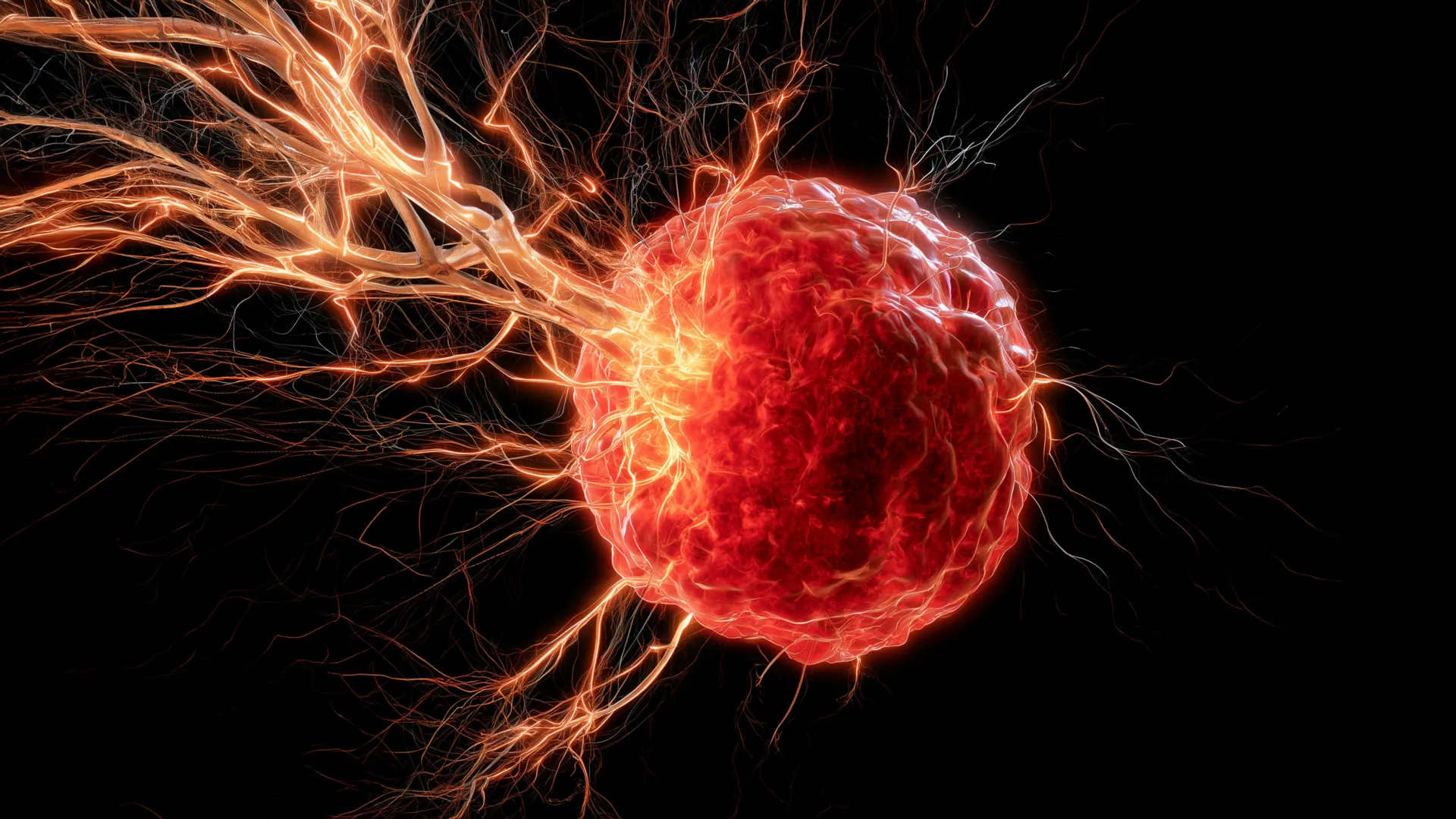
New research emanating from the University of Oklahoma has unveiled a sophisticated mechanism by which an aggressive subtype of breast cancer manipulates the body’s immune system to facilitate the infiltration of nerves into tumors, thereby creating an environment conducive to cancer growth and progression. This discovery, published in the peer-reviewed journal Cell Death & Differentiation, sheds critical light on a previously underexplored aspect of the tumor microenvironment, particularly in the context of triple-negative breast cancer (TNBC), a notoriously challenging form of the disease to treat effectively. The findings not only provide a clearer understanding of nerve-tumor interactions but also propose a novel therapeutic strategy that could potentially repurpose existing medications to interrupt this detrimental communication pathway.
The Enigma of Nerves in Tumors: A Long-Standing Question
For many years, oncologists and cancer researchers have observed the widespread presence of nerve networks within various solid tumors. While the existence of these neural components has been acknowledged, the precise mechanisms governing their recruitment and the specific roles they play in cancer development and resistance to therapy have remained largely elusive. The tumor microenvironment – the complex ecosystem surrounding a tumor, comprising immune cells, blood vessels, fibroblasts, and the extracellular matrix – is increasingly recognized as a critical determinant of cancer behavior. Within this intricate milieu, the integration of neural elements represents a compelling frontier for investigation. This latest study from the University of Oklahoma provides a significant piece of the puzzle, offering a detailed explanation for how these nerves are drawn into the cancerous mass, particularly in aggressive breast cancers.
Triple-Negative Breast Cancer: A Formidable Foe
Triple-negative breast cancer accounts for approximately 10-15% of all breast cancers, but its impact is disproportionately severe. Defined by the absence of estrogen receptors (ER), progesterone receptors (PR), and human epidermal growth factor receptor 2 (HER2), TNBC lacks the specific molecular targets that make many other breast cancers susceptible to hormone therapy or HER2-targeted drugs. Consequently, treatment options are primarily limited to chemotherapy, surgery, and radiation, which often carry significant side effects and may not always prevent recurrence or metastasis. TNBC is known for its aggressive nature, higher rates of metastasis, and poorer prognosis compared to other breast cancer subtypes. The median survival for metastatic TNBC remains a significant clinical challenge, underscoring the urgent need for novel therapeutic approaches and a deeper understanding of its biological intricacies. The University of Oklahoma’s research directly addresses this critical need by identifying a vulnerability that could be exploited for targeted intervention.
Unveiling the Mechanism: Macrophages as Unwitting Accomplices
The core of the OU research lies in the discovery that TNBC tumors actively recruit macrophages, a type of immune cell that typically plays a beneficial role in the body. Macrophages are essential components of the innate immune system, responsible for engulfing cellular debris, pathogens, and promoting tissue repair. However, within the tumor microenvironment, these versatile cells can be "re-educated" or "polarized" by the cancer to adopt pro-tumorigenic functions, often contributing to immunosuppression, angiogenesis (new blood vessel formation), and metastasis.
In this specific scenario of breast cancer, the researchers identified a sinister twist: once inside the tumor, these co-opted macrophages begin to secrete brain-derived neurotrophic factor (BDNF). BDNF is a well-established neurotrophin, a protein crucial for the growth, survival, and differentiation of neurons in the central and peripheral nervous systems. Its primary role in the brain is to support neural plasticity, learning, and memory. However, the OU team demonstrated that TNBC tumors exploit this fundamental biological signal. By prompting macrophages to release BDNF, the tumors effectively create a chemical beacon that encourages nearby nerves to grow towards and penetrate the cancerous tissue.
"Macrophages are the critical source for drawing nerves into the tumor," explained Dr. Maureen Cox, Ph.D., an assistant professor in the Department of Microbiology and Immunology at the OU College of Medicine and a research member of OU Health Stephenson Cancer Center. "Although macrophages typically play a positive role in the body, they are facilitating a negative function in this scenario of breast cancer." This observation is pivotal, as it highlights how the tumor microenvironment can subvert the very cells designed to protect the body, turning them into agents that inadvertently promote cancer progression and potentially contribute to resistance against conventional treatments.
Experimental Validation and Promising Outcomes in Pre-Clinical Models
To validate their hypothesis and explore potential therapeutic avenues, Dr. Cox and her colleagues embarked on a series of rigorous experiments using pre-clinical mouse models of breast cancer. This phase of the research was crucial for demonstrating the causal link between macrophage-derived BDNF, nerve infiltration, and tumor growth.
The researchers employed a strategic intervention: they utilized a pharmaceutical agent designed to block BDNF signaling. This drug, which specifically inhibits the interaction of BDNF with its receptors, was administered to mice bearing breast tumors. The results were compelling. In mice treated with the BDNF blocking drug, the pathological growth of nerves into the tumors was significantly curtailed. More importantly, this interruption of nerve recruitment translated into a substantial reduction in overall tumor growth.
This outcome carries immense promise for several reasons. Firstly, it provides strong proof-of-concept that targeting this specific nerve-tumor communication pathway can indeed impede cancer progression. Secondly, and perhaps most excitingly, Dr. Cox noted, "It looks really promising that we can use this drug, which is already on the market, to target BDNF." The potential to repurpose an existing, FDA-approved drug for a new indication in oncology could drastically accelerate its clinical application, bypassing years of costly and time-consuming drug development and safety trials. The availability of such a drug could mean a faster route to patients, offering a new lifeline where options are currently limited.
Evidence from Human Patients: Translating Findings to Clinical Relevance
Translating findings from pre-clinical models to human relevance is a critical step in cancer research. To ascertain whether the observed biological pattern in mice might also occur in human patients, the OU researchers meticulously analyzed clinical data from individuals diagnosed with triple-negative breast cancer.
Their analysis revealed a compelling correlation: tumors from patients containing higher levels of both macrophages and BDNF were statistically linked with poorer survival outcomes. This crucial piece of evidence provides strong support for the hypothesis that the mechanism uncovered in the mouse models is indeed relevant to human TNBC pathology. It suggests that the presence of an active macrophage-BDNF-nerve axis within a patient’s tumor could serve as a prognostic indicator, highlighting patients who might benefit most from therapies that disrupt this pathway. This direct correlation strengthens the clinical potential of the research, moving it beyond a purely academic discovery to one with tangible implications for patient care.
Shifting Paradigms: Targeting the Tumor Microenvironment
This research contributes to a broader paradigm shift in oncology, moving beyond the sole focus on directly killing cancer cells. Increasingly, researchers are recognizing that effectively combating cancer requires understanding and disrupting its complex interactions with the surrounding microenvironment. Targeting components like nerves, immune cells, or the signaling molecules they produce represents a sophisticated approach to therapy.
The current study’s emphasis on nerves is particularly noteworthy. While the role of tumor-associated macrophages (TAMs) in promoting cancer has been extensively studied, the specific mechanism of BDNF-mediated neurogenesis within tumors offers a fresh perspective. Dr. Cox’s hypothesis that "the nerves are immunosuppressive" is a critical insight. If nerves actively contribute to creating an immune-privileged environment within the tumor, blocking their infiltration could have a dual benefit: not only inhibiting tumor growth directly but also potentially "boosting the immune response to help fight the cancer." This could make tumors more susceptible to existing immunotherapies, which aim to harness the patient’s own immune system to attack cancer cells. In an era where immunotherapy has revolutionized the treatment of several cancers, finding ways to enhance its efficacy in difficult-to-treat subtypes like TNBC is of paramount importance.
Future Directions: Unraveling the Full Extent of Neural Influence
While the discovery of BDNF’s role in nerve recruitment is significant, Dr. Cox and her team are eager to delve deeper into the exact mechanisms by which nerves contribute to tumor growth and progression. The interplay between nerves and other components of the tumor microenvironment is complex and multifaceted.
Several hypotheses are currently being explored:
- Angiogenesis Stimulation: Some evidence suggests that nerves may actively stimulate the formation of new blood vessels (angiogenesis). Tumors, being rapidly growing masses, require a constant supply of oxygen and nutrients, which are delivered by blood vessels. If nerves promote angiogenesis, they effectively act as supply lines for the tumor, fueling its expansion.
- Metastasis Facilitation: Other research points to the possibility that cancer cells may utilize nerve fibers as conduits or "highways" to leave the primary tumor site and metastasize to distant organs. This perineural invasion is a known poor prognostic factor in several cancers, including pancreatic and prostate cancer. Understanding if and how nerves facilitate this spread in breast cancer could open new avenues for preventing metastasis, the primary cause of cancer-related deaths.
The researchers also plan to extend their investigations beyond breast cancer, specifically testing the same intervention in high-grade ovarian cancer. Ovarian cancer, much like TNBC, is an aggressive disease often diagnosed at advanced stages and notoriously difficult to treat, with high recurrence rates. If the BDNF-mediated nerve recruitment mechanism is conserved across other aggressive cancers, the therapeutic strategy identified by the OU team could have broad applicability, impacting a wider spectrum of patients.
"Ultimately, we want to turn the anti-tumor immunity back on in cancer patients so their own immune systems can reject the tumors," Dr. Cox articulated, underscoring the overarching goal of her research: to empower the body’s natural defenses against cancer. This holistic approach, focusing on the intricate interactions within the tumor microenvironment, represents a promising future for oncology.
Collaborative Science and Funding Support
This groundbreaking research was made possible through significant collaborative efforts and robust funding. The study received support from the National Institute of General Medical Sciences of the National Institutes of Health (NIH) through award numbers P20GM103447 and P20GM103639. Further critical backing was provided by Oklahoma’s Tobacco Settlement Endowment Trust (TSET), a primary funder of the Stephenson Cancer Center and TSET Health Promotion Research Center at the University of Oklahoma. Additionally, the Oklahoma Shared Clinical and Translational Resources, via an Institutional Development Award from the National Institute of General Medical Sciences (grant no. U54GM104938), contributed to the project. Such multi-institutional and multi-agency support is vital for driving innovative biomedical research that has the potential to transform patient care. The collective investment in foundational science at institutions like the University of Oklahoma continues to yield discoveries that push the boundaries of medical understanding and offer new hope in the fight against devastating diseases like cancer.
In conclusion, the University of Oklahoma’s discovery marks a significant leap forward in understanding the complex biology of aggressive breast cancer. By revealing how triple-negative breast cancer co-opts macrophages to attract nerves via BDNF signaling, the research not only elucidates a critical aspect of the tumor microenvironment but also presents a tangible, actionable therapeutic target. The potential to repurpose an existing drug to disrupt this pathway offers a beacon of hope for patients facing limited treatment options, heralding a future where targeted interventions against the tumor’s neural network could significantly improve outcomes and enhance the efficacy of immunotherapies.
