
 By Suherman Candra Maholtra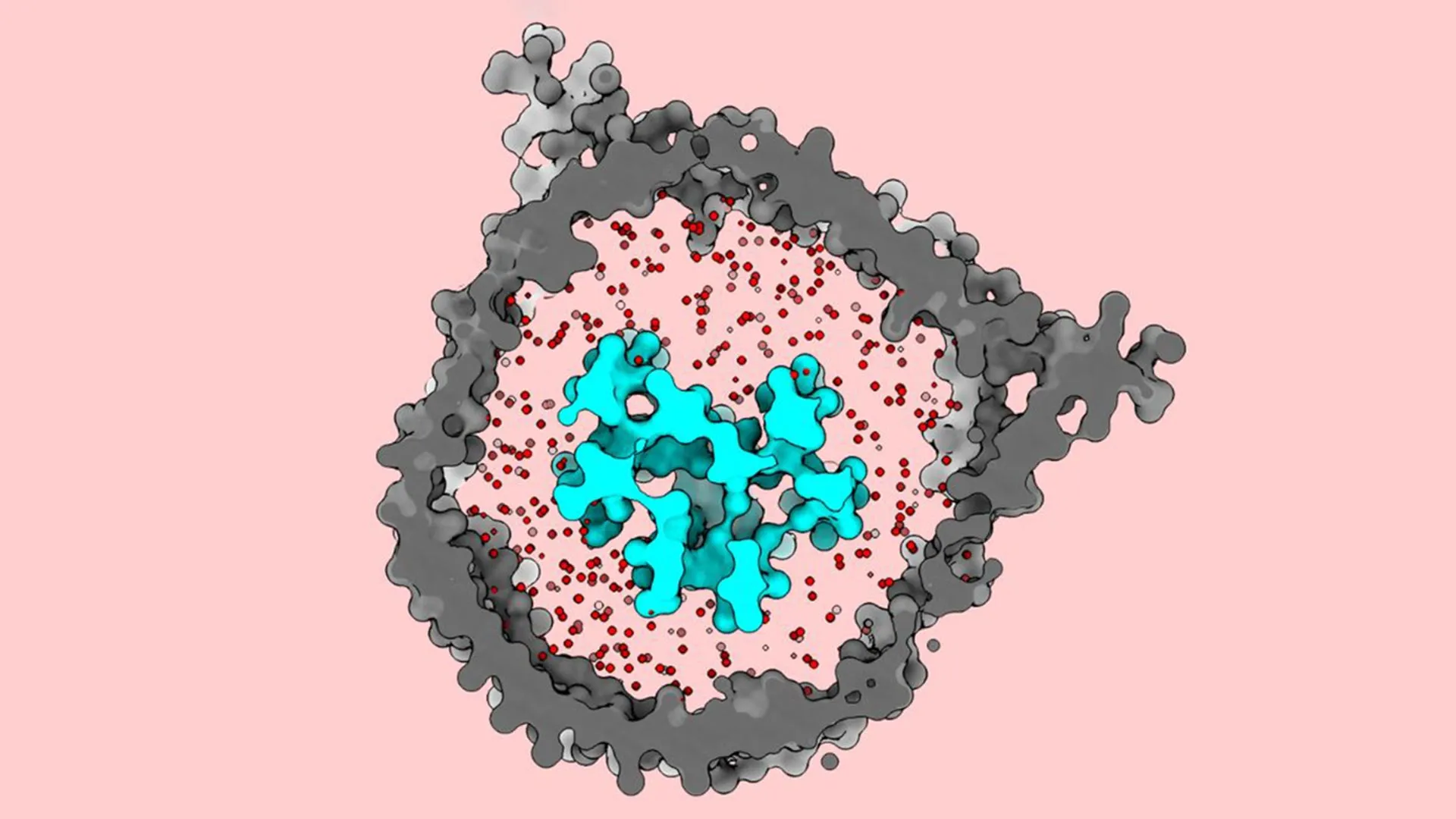
In a landmark study that resolves a long-standing mystery in molecular biology, researchers at The Rockefeller University have identified a previously unknown structural transformation in the T cell receptor (TCR), the primary engine of the human immune system’s response to cancer. By utilizing advanced cryogenic electron microscopy (cryo-EM) and a novel biochemical environment that mimics the human cell membrane, the team discovered that the TCR operates via a "jack-in-the-box" mechanism. This finding, published in the journal Nature Communications, contradicts years of established structural data and provides a vital roadmap for re-engineering the next generation of cancer immunotherapies, particularly for solid tumors that have historically remained resistant to treatment.
For over a decade, T cell immunotherapy has been hailed as a revolutionary pillar of oncology, standing alongside surgery, radiation, and chemotherapy. These treatments, which include Chimeric Antigen Receptor (CAR) T-cell therapy and TCR-engineered therapies, work by harnessing the patient’s own immune system to identify and eliminate malignant cells. However, while these therapies have achieved remarkable remission rates in blood cancers such as leukemia and lymphoma, they have largely struggled to penetrate and destroy solid tumors, such as sarcomas, lung cancer, and breast cancer. Scientists have long suspected that the lack of clinical success in these areas stems from a fundamental misunderstanding of how the TCR initiates the signaling process at the molecular level.
The Structural Mystery of the T Cell Receptor
The T cell receptor is an extraordinarily complex protein assembly embedded in the membrane of T cells. Its primary function is to scan the surfaces of other cells for signs of infection or malignancy. It does this by binding to antigens—small protein fragments—that are presented by the human leukocyte antigen (HLA) complex. Once the TCR recognizes a specific antigen, it sends a signal to the interior of the T cell, triggering an aggressive immune response.
Despite the TCR’s central role in immunology, its precise activation mechanism has remained elusive. Previous structural studies, many of which utilized cryo-EM, depicted the TCR as a relatively static, "open" structure. In these models, the receptor appeared extended even when it was not bound to an antigen, suggesting that no major structural change occurred during the transition from a dormant to an active state. This lack of a clear "on/off" switch made it difficult for pharmaceutical researchers to understand how to tune the receptor’s sensitivity to better detect cancer cells.
The research team at Rockefeller, led by Thomas Walz, a world-renowned expert in cryo-EM imaging, and Ryan Notti, an instructor in clinical investigation and a physician at Memorial Sloan Kettering Cancer Center, hypothesized that previous studies might have inadvertently altered the receptor’s shape. Most earlier experiments used detergents to extract the TCR from the cell membrane. While detergents are necessary to isolate proteins for imaging, they also strip away the lipids that form the natural environment of the cell membrane.
Rebuilding the Native Environment: The Nanodisc Breakthrough
To observe the TCR in its true form, the Rockefeller team realized they had to move beyond traditional detergent-based methods. They employed a sophisticated technology known as "nanodiscs"—tiny, disc-shaped sections of membrane held together by a scaffold protein. These nanodiscs allowed the researchers to reinsert the TCR into a lipid bilayer that closely resembles the environment of a living human cell.
"We can change the biochemical composition, the thickness of the membrane, the tension and curvature, the size—all kinds of parameters that we know have an influence on the embedded protein," explained Thomas Walz. The team spent years perfecting the assembly of the TCR complex, which consists of eight individual protein chains that must be perfectly aligned to function.
A critical component of the study’s success was the use of a specific lipid mixture that mirrored the native T cell membrane. The researchers discovered that the presence of these specific lipids acts as a physical restraint, holding the TCR in a compact, "closed" state when no antigen is present. This dormant state had never been seen before because previous studies using detergents had removed the very lipids required to keep the receptor closed.
The Jack-in-the-Box Mechanism Revealed
When the researchers introduced an antigen-presenting molecule to the TCR embedded in the nanodisc, the results were immediate and transformative. Upon binding to the antigen, the TCR underwent a dramatic conformational change, springing from its compact, dormant state into an extended, open position.
"The data that were available when we began this research depicted this complex as being open and extended in its dormant state," said Ryan Notti. "But we found that it does, springing open like a sort of jack-in-the-box."
This "jack-in-the-box" motion is the physical signal that tells the T cell it has found a target. By extending outward, the receptor likely facilitates the recruitment of internal signaling molecules that initiate the immune attack. This discovery provides the first clear evidence of a mechanical "switch" in the TCR, offering a new target for drug developers. If the threshold for this "spring" can be adjusted, scientists could theoretically make T cells more sensitive to the faint signals emitted by many solid tumors, which often "hide" from the immune system.
Clinical Context and the Challenge of Solid Tumors
The impetus for this research was rooted in the clinical challenges faced by oncologists like Notti, who specializes in treating sarcomas—cancers that arise in the soft tissue and bone. Unlike liquid cancers, sarcomas are notoriously difficult to treat with immunotherapy. The environment inside a solid tumor is often immunosuppressive, and the antigens presented by sarcoma cells are frequently too few or too weak to trigger a robust T cell response.
The current timeline of immunotherapy progress shows a stark divide. In 2017, the FDA approved the first CAR-T therapies for B-cell lymphomas, leading to high survival rates. However, in the years since, progress in solid tumors has been incremental. The Rockefeller study suggests that the reason for this stagnation is that current engineered receptors may not be optimized for the "jack-in-the-box" mechanics required for natural activation.
"The T cell receptor is really the basis of virtually all oncological immunotherapies," Walz noted. "It’s remarkable that we use the system but really have had no idea how it actually works. This is some of the most important work to ever come out of my lab."
Broader Implications for Vaccine Design and Synthetic Biology
Beyond the immediate applications in cancer treatment, the Rockefeller findings have significant implications for vaccine design and the broader field of synthetic biology. Vaccines work by training the immune system to recognize specific antigens from pathogens like viruses or bacteria. By understanding the refined details of the interaction between the TCR and the HLA-antigen complex, researchers can now design vaccines that more effectively trigger the "jack-in-the-box" activation, potentially leading to more potent and long-lasting immunity.
In the realm of synthetic biology, this discovery allows for the "fine-tuning" of immune receptors. Scientists can now experiment with the amino acid sequences of the TCR to alter the tension of the "spring." A "tighter" spring might prevent the immune system from overreacting and causing autoimmune diseases, while a "looser" spring could be used to ensure that T cells react to even the most elusive cancer cells.
Expert Analysis and Future Directions
The scientific community has reacted with high interest to the publication. Independent structural biologists have noted that the use of nanodiscs in this study sets a new standard for the field, emphasizing that membrane proteins cannot be fully understood in isolation from their lipid environments.
The next phase of research for the Rockefeller team will involve studying the TCR in even more complex environments, potentially looking at how other co-receptors on the T cell surface influence the "jack-in-the-box" mechanism. There is also significant interest in how various mutations associated with autoimmune disorders might affect the stability of the TCR’s dormant state.
For patients with rare and aggressive cancers like sarcomas, the research offers a new glimmer of hope. By moving from a "black box" understanding of T cell signaling to a mechanical, structural understanding, the medical community is now better equipped to design "smart" therapies that can be customized to the specific molecular landscape of a patient’s tumor.
"Re-engineering the next generation of immunotherapies tops the charts in terms of unmet clinical needs," Notti concluded. "We can now imagine using our insights to re-engineer the sensitivity of those receptors by tuning their activation threshold."
As the field of oncology continues to move toward personalized medicine, the ability to manipulate the fundamental switches of the human immune system will likely be the key to unlocking treatments for the world’s most resilient cancers. The "jack-in-the-box" discovery marks a pivotal shift in that journey, providing the structural blueprint needed to turn the immune system into an even more formidable weapon against disease.
