
 By Suherman Candra Maholtra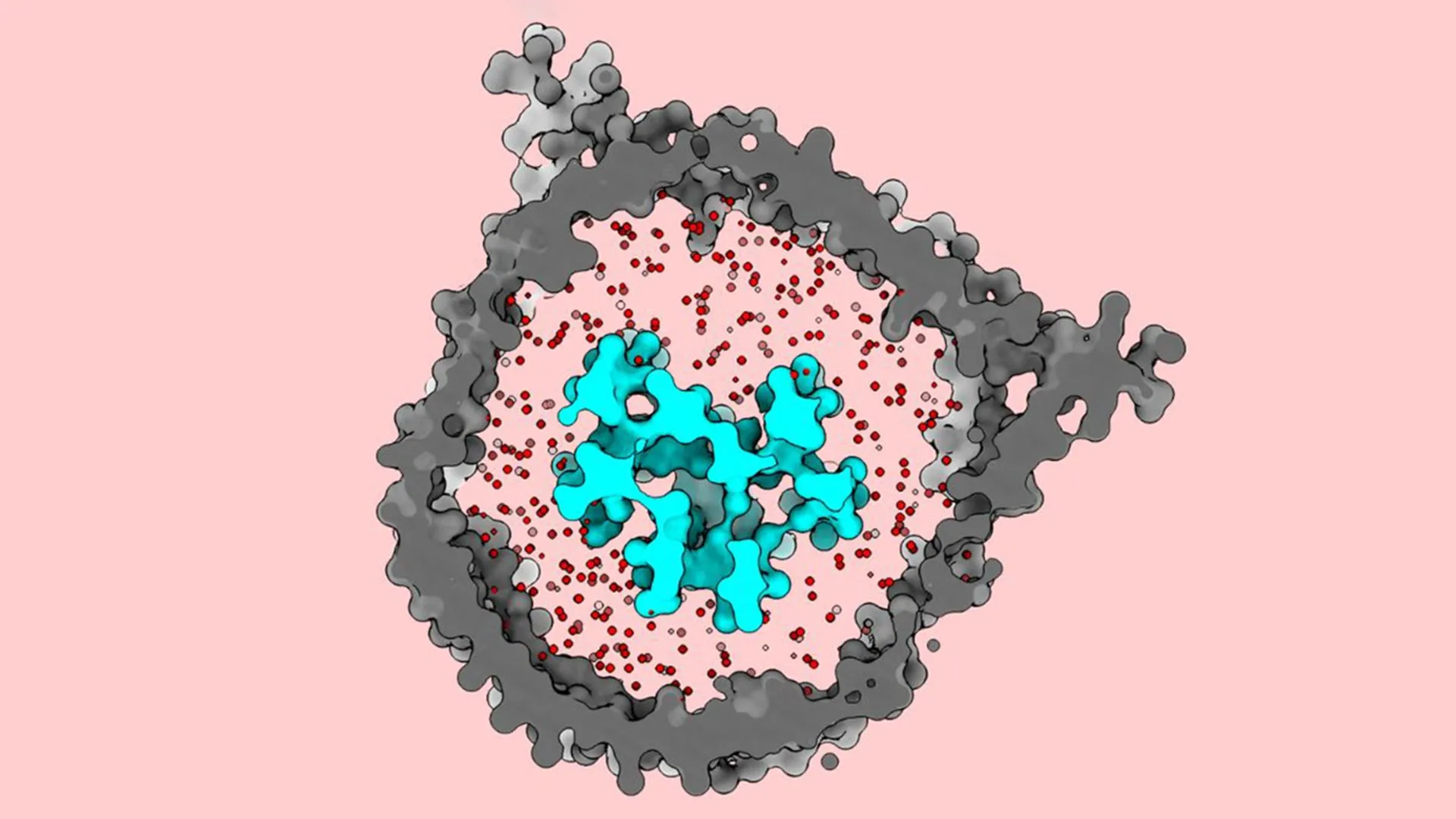
The landscape of oncology has undergone a radical transformation over the last decade, driven primarily by the advent of T cell immunotherapies. These treatments, which harness the body’s own immune system to identify and eradicate malignant cells, have provided long-term remission for patients who previously faced terminal diagnoses. However, despite the clinical success of these "living drugs," a fundamental mystery has persisted at the heart of immunology: how exactly do T cells translate the detection of a cancer marker into a molecular signal that triggers a full-scale immune attack?
For years, this lack of structural clarity has acted as a bottleneck for the pharmaceutical industry. While T cell therapies have proven remarkably effective against certain "liquid" cancers, such as leukemias and lymphomas, they have largely struggled to penetrate and destroy solid tumors. Researchers at The Rockefeller University have now bridged this knowledge gap, publishing a landmark study in Nature Communications that reveals the T cell receptor (TCR) functions through a "jack-in-the-box" mechanism—a discovery that could redefine the engineering of next-generation cancer treatments.
The Molecular Gatekeeper: Understanding the T Cell Receptor
At the center of the immune response is the T cell receptor, a highly complex protein structure embedded within the cell membrane. The TCR’s primary role is to scan other cells for signs of infection or malignancy. It does this by interacting with human leukocyte antigen (HLA) complexes, which present small fragments of proteins—antigens—on the cell surface. If the TCR recognizes an antigen as foreign or "non-self," it initiates a signaling cascade that activates the T cell to kill the target.
Despite its importance, the TCR has remained one of the most difficult proteins to study. It is not a single entity but a sophisticated assembly of eight different protein subunits. Because these proteins are embedded in the oily, hydrophobic environment of the cell membrane, they often lose their structural integrity when removed for laboratory analysis.
Thomas Walz, head of the Laboratory of Molecular Electron Microscopy at Rockefeller and a world-renowned expert in cryo-electron microscopy (cryo-EM), notes that the TCR is the foundation of virtually all modern oncological immunotherapies. "It is remarkable that we have been using this system in the clinic without truly understanding how it functions at a mechanical level," Walz stated. This research represents a turning point, shifting T cell therapy from an era of trial-and-error to one of precision molecular engineering.
Overcoming the Limitations of Detergent-Based Research
The primary reason the TCR’s true nature remained hidden for so long lies in the limitations of traditional structural biology. In previous studies, researchers typically used detergents to extract membrane proteins from cells. While detergents are effective at solubilizing proteins, they often strip away the surrounding lipids—the fat molecules that make up the cell membrane.
Without the physical constraints and chemical influence of the lipid bilayer, the TCR subunits tended to relax or fall apart. Earlier cryo-EM images, produced using these detergent-based methods, depicted the TCR as a relatively static, "open" structure even when it was not in contact with an antigen. This led to a prevailing theory that the receptor did not undergo significant shape changes during activation.
The Rockefeller team, led by Walz and first author Ryan Notti, an instructor in clinical investigation and a physician at Memorial Sloan Kettering Cancer Center (MSKCC), suspected that these earlier models were incomplete. They hypothesized that the membrane itself played a vital role in keeping the receptor in a "dormant" or "closed" state.
To test this, the team utilized a cutting-edge technology known as "nanodiscs." These are microscopic, disc-shaped sections of membrane held together by a scaffold protein. By carefully assembling the TCR’s eight proteins into these nanodiscs, the researchers were able to recreate the receptor’s natural environment. Crucially, they used a specific lipid mixture that mimicked the exact chemical composition of a real T cell membrane, including the correct thickness and tension.
The Jack-in-the-Box Discovery
When the researchers visualized the TCR within the nanodiscs using cryo-EM, they observed something entirely different from previous models. In its resting state, the receptor was tightly packed and compact. It did not look like the sprawling, open protein seen in detergent-based studies.
However, the most significant discovery occurred when the receptor encountered an antigen. Upon binding, the TCR underwent a dramatic conformational change. It "sprang" open, extending outward in a motion the researchers compared to a jack-in-the-box. This rapid transition from a compressed, dormant state to an extended, active state is what sends the signal through the cell membrane and into the T cell’s interior, effectively "flipping the switch" on the immune response.
"The data available when we began suggested the complex was always open," said Ryan Notti. "Our findings show that the membrane actually acts as a restraint, holding the receptor in a ready-to-fire position. This change in shape is the critical first step in how information gets from the outside of the cell to the inside."
Clinical Context: The Struggle with Solid Tumors
The implications of this discovery are particularly profound for patients with solid tumors, such as sarcomas. Sarcomas are cancers that arise in the bones or soft tissues, and they have historically been resistant to many forms of immunotherapy.
Notti’s dual role as a researcher and a clinician at MSKCC provided the impetus for this study. He observed firsthand that while T cell therapies were a miracle for some, many of his sarcoma patients saw no benefit. The failure of the therapy often came down to the T cells’ inability to recognize the tumor or maintain a strong enough signal to stay activated within the harsh environment of a solid tumor.
"By understanding the activation threshold of the TCR—how much force or what kind of binding is required to trigger that ‘spring’—we can begin to re-engineer these receptors," Notti explained. This could involve tuning the sensitivity of the TCR, making it more likely to "spring open" when it encounters low levels of cancer antigens, which are common in solid tumors that try to hide from the immune system.
Supporting Data and Technical Significance
The study’s success relied on the extreme precision of cryo-EM, a technique that involves flash-freezing biological samples in a thin layer of vitreous ice. This preserves the proteins in their near-native state, allowing for atomic-resolution imaging.
Key data points from the study include:
- Protein Assembly: The successful integration of all eight subunits (alpha, beta, gamma, delta, two epsilons, and two zeta chains) into a single lipid nanodisc.
- Lipid Specificity: The researchers found that using a generic "model lipid" was insufficient; only the specific T cell lipid mixture maintained the TCR in its dormant, closed state.
- Structural Comparison: A direct comparison between detergent-solubilized TCRs and nanodisc-embedded TCRs proved that the "open" state previously observed was likely an artifact of the detergent removing the membrane’s structural support.
This data suggests that many other membrane proteins currently being studied for drug development may also have been misinterpreted due to the absence of a proper lipid environment.
Reactions and Broader Industry Impact
The scientific community has responded to the Rockefeller findings with significant interest. Structural biologists note that this work sets a new standard for how membrane proteins should be studied. Instead of viewing proteins as isolated machines, they must be viewed as part of a holistic system that includes the surrounding cell membrane.
Pharmaceutical companies currently developing CAR-T (Chimeric Antigen Receptor) therapies and TCR-engineered therapies are expected to utilize these structural maps to refine their products. Current CAR-T therapies often bypass the natural TCR complex entirely, using a synthetic receptor. However, these synthetic versions often lack the sophisticated "tuning" and signaling control of the natural TCR. The Rockefeller study provides a blueprint for building "smarter" synthetic receptors that mimic the natural jack-in-the-box mechanism to achieve more controlled and sustainable immune responses.
Future Outlook: Beyond Cancer to Vaccines and Autoimmunity
While cancer treatment is the immediate focus, the discovery has applications across the spectrum of human health. Thomas Walz points out that the TCR is also the primary player in how the body responds to vaccines. By understanding the refined details of the interaction between different antigens and the TCR, scientists can design vaccines that trigger a more robust and precise T cell memory.
Furthermore, the research could have implications for autoimmune diseases, such as multiple sclerosis or rheumatoid arthritis, where T cells mistakenly attack the body’s own tissues. If researchers can understand how to "spring" the TCR open, they can also learn how to keep it "locked" in its dormant state, potentially leading to new treatments for overactive immune systems.
The timeline for translating these basic science findings into clinical trials is estimated at five to ten years. However, the Rockefeller team’s work has provided the essential "instruction manual" for the T cell receptor that has been missing for decades.
As Ryan Notti and the Walz lab continue their investigations, the focus will shift toward how different types of antigens—some that bind weakly and others that bind strongly—affect the speed and duration of the "jack-in-the-box" response. This level of molecular granularity promises to usher in a new era of immunotherapy, moving closer to the goal of making cancer a manageable, or even curable, condition for all patients.
