
 By admin
Sarcoma, a rare and notably complex group of cancers, has historically presented significant therapeutic challenges, but the burgeoning field of immunotherapy is beginning to redefine what is possible for a growing cohort of patients. While not yet universally applicable, this innovative treatment modality is rapidly expanding its reach, offering new avenues of hope where traditional therapies have often fallen short. A diagnosis of sarcoma can plunge individuals into a world of uncertainty, fear, and pressing questions. Given its rarity, the quest for clear, reliable information can often feel as daunting as the arduous journey of treatment itself.
For many sarcoma patients, surgery, chemotherapy, and radiation therapy continue to form the bedrock of their treatment plans. However, the advent of immunotherapy is progressively carving out new possibilities, with researchers diligently working to extend these options to a broader patient population. As Sarcoma Awareness Month shines a spotlight on this often-overlooked disease, it is imperative to delve into the intricacies of sarcoma, the transformative potential of immunotherapy, and the promising trajectory of current research.
Understanding Sarcoma: A Diverse and Elusive Cancer
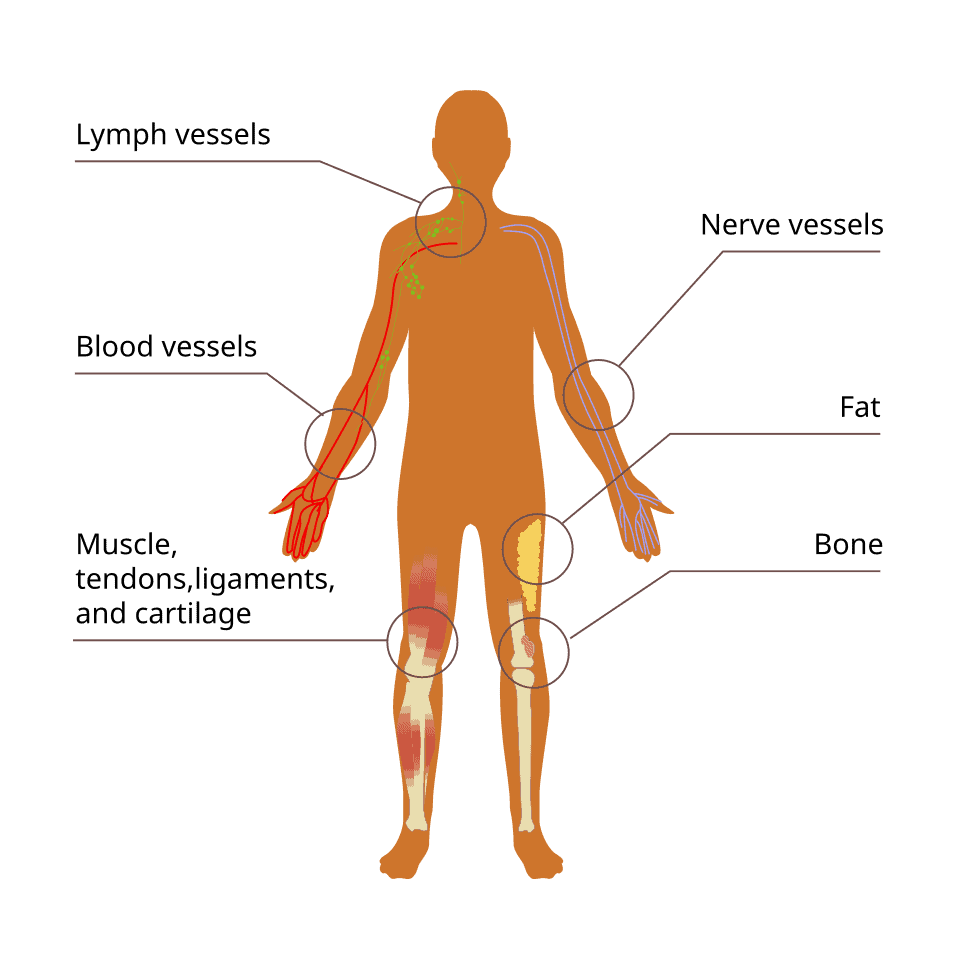
Sarcoma encompasses a diverse collective of over 70 distinct cancer types that originate in the body’s connective and supportive tissues. Unlike more prevalent malignancies that arise in organs such as the breast, lung, or colon, sarcomas can manifest virtually anywhere, impacting bone, muscle, fat, cartilage, blood vessels, and tendons. This widespread potential for origin underscores their complexity and the challenges inherent in diagnosis and treatment.
Prevalence and Classification:
Sarcomas are relatively uncommon, accounting for approximately 1% of all adult cancers and about 15% of all childhood cancers. In the United States, an estimated 13,000 new cases of soft tissue sarcoma and 3,000 new cases of bone sarcoma are diagnosed annually. This rarity contributes to the diagnostic delays and the scarcity of specialized expertise. The broad classification divides sarcomas into two main categories: soft tissue sarcomas and bone sarcomas. Each subtype possesses unique biological characteristics, growth patterns, and responses to therapy, making an accurate and precise diagnosis absolutely critical for effective management.
Key Sarcoma Subtypes:
Among the multitude of sarcoma types, several are more frequently encountered or particularly challenging:
-
Soft Tissue Sarcomas:
- Liposarcoma: Originates in fat cells, often found in the limbs or retroperitoneum.
- Leiomyosarcoma: Arises from smooth muscle cells, commonly found in the uterus, abdomen, or blood vessels.
- Undifferentiated Pleomorphic Sarcoma (UPS): Formerly known as malignant fibrous histiocytoma, it is a high-grade tumor that can occur anywhere.
- Synovial Sarcoma: Despite its name, it rarely originates from the synovium; it often occurs near joints in the arms or legs.
- Rhabdomyosarcoma: A highly aggressive cancer of skeletal muscle, primarily affecting children and adolescents.
- Gastrointestinal Stromal Tumor (GIST): Though technically originating from specialized cells in the GI tract wall, GISTs share clinical and pathological features with sarcomas and are often managed by sarcoma specialists.
- Angiosarcoma: A rare and aggressive cancer of the inner lining of blood vessels or lymphatic vessels, often found in the skin, breast, or liver.
-
Bone Sarcomas:
- Osteosarcoma: The most common primary bone cancer, often affecting adolescents and young adults, typically in the long bones of the arms and legs.
- Ewing Sarcoma: A highly malignant tumor that primarily affects children and young adults, often found in bones (pelvis, femur, tibia) or soft tissue.
- Chondrosarcoma: Arises from cartilage-forming cells, most common in older adults, often affecting the pelvis, shoulder, or ribs.
Etiology and Risk Factors:
The precise causes of most sarcomas remain largely unknown. However, research has identified several factors that can elevate an individual’s risk:
- Genetic Syndromes: Certain inherited genetic conditions, such as Li-Fraumeni syndrome (associated with mutations in the TP53 gene), Neurofibromatosis type 1, Gardner syndrome, and Werner syndrome, significantly increase the risk of developing various sarcomas.
- Radiation Exposure: Previous therapeutic radiation for other cancers can, in rare instances, induce secondary sarcomas many years later.
- Chemical Exposure: Occupational exposure to certain chemicals, like vinyl chloride (linked to angiosarcoma of the liver) and some herbicides, has been implicated.
- Lymphedema: Chronic swelling, often a side effect of cancer treatment (e.g., lymph node removal), can rarely lead to angiosarcoma.
- Damaged Lymphatic System: Compromised lymphatic drainage can also increase risk.
Symptoms and Diagnosis:
Many sarcomas develop silently and deeply within muscles or other soft tissues, often growing considerably large before causing noticeable symptoms. The most common initial sign is a new lump or swelling. Crucially, any new lump — especially one that is growing, painful, or larger than a golf ball (approximately 5 cm) — warrants immediate evaluation by a healthcare provider. While the vast majority of lumps are benign, early assessment is paramount for timely diagnosis and intervention. Diagnostic procedures typically involve physical examination, advanced imaging techniques such as MRI, CT scans, and PET scans, followed by a biopsy to obtain tissue for pathological examination. Specialized pathology is critical, given the vast number of sarcoma subtypes, to ensure an accurate diagnosis, which in turn guides appropriate treatment.
Traditional Treatment Paradigms and Their Limitations:
The cornerstone of sarcoma treatment traditionally involves surgery, often the primary approach when the tumor can be safely and completely removed. This may be complemented by chemotherapy and/or radiation therapy, administered either before surgery (neoadjuvant) to shrink the tumor, or after surgery (adjuvant) to eliminate residual cancer cells and reduce recurrence risk, or as palliative care for advanced, unresectable disease.
Despite these established methods, certain sarcomas exhibit inherent resistance to conventional chemotherapy or radiation, leading to high recurrence rates or disease progression in advanced stages. The anatomical location of some tumors can also render complete surgical removal challenging or impossible without significant functional impairment. These limitations underscore the urgent and ongoing need for novel, more effective therapeutic strategies, with immunotherapy emerging as a beacon of hope.
The Emergence of Immunotherapy: Harnessing the Body’s Defenses
Immunotherapy represents a paradigm shift in cancer treatment, working by empowering the patient’s own immune system to recognize, target, and destroy cancer cells. Normally, the immune system possesses an inherent ability to detect and eliminate abnormal cells. However, cancer cells are cunning adversaries, developing sophisticated mechanisms to evade immune surveillance or to actively switch off immune responses. Immunotherapy intervenes by removing these immunological barriers, thereby unleashing the immune system’s full potential to combat the malignancy.
A Historical Perspective: Sarcoma’s Role in Immunotherapy’s Genesis:
Intriguingly, the narrative of cancer immunotherapy finds some of its earliest chapters intertwined with sarcoma. More than a century ago, in the late 19th century, New York surgeon Dr. William B. Coley observed a remarkable phenomenon: some of his sarcoma patients experienced spontaneous tumor regression after developing severe bacterial infections. This keen observation led him to postulate that the immune system played a critical role in combating cancer. He subsequently developed "Coley’s toxins," a mixture of inactivated bacteria, which he intentionally administered to patients to stimulate an immune response against their tumors. While controversial at the time and later overshadowed by radiation and chemotherapy, Coley’s pioneering work is now widely acknowledged as one of the foundational cornerstones of modern cancer immunotherapy. His daughter, Helen Coley Nauts, dedicated her life to documenting his findings and eventually co-founded the Cancer Research Institute (CRI) in 1953, an organization that remains at the forefront of immunotherapy research today. This historical link highlights sarcoma’s enduring significance in the evolution of immune-based cancer treatments.
Immunotherapy’s Application in Sarcoma Treatment: A Tailored Approach
While immunotherapy has revolutionized the treatment landscape for several cancer types, its application in sarcoma presents unique complexities. The sheer diversity of sarcoma subtypes means that a therapeutic strategy effective for one type may have little to no impact on another. Consequently, immunotherapy is not a one-size-fits-all solution for sarcoma but is currently approved or showing promise for specific sarcoma subtypes or tumors exhibiting particular genetic features.
Key Immunotherapeutic Modalities and Their Relevance to Sarcoma:
-
Checkpoint Inhibitors: These drugs, such as PD-1/PD-L1 and CTLA-4 inhibitors, block "checkpoints" that cancer cells use to suppress immune responses. By releasing these brakes, checkpoint inhibitors allow T-cells to recognize and attack tumor cells more effectively.
- Alveolar Soft Part Sarcoma (ASPS): This rare soft tissue sarcoma has shown notable responsiveness to checkpoint inhibitors, particularly PD-1 blockade. This is thought to be due to its specific genetic translocation (ASPL-TFE3 fusion), which can lead to an inflamed tumor microenvironment more amenable to immune attack.
- Gastrointestinal Stromal Tumor (GIST): While targeted therapies like imatinib remain the primary treatment for GIST, a subset of GISTs, especially those resistant to tyrosine kinase inhibitors or with specific genetic profiles (e.g., succinate dehydrogenase-deficient GIST), have shown some response to checkpoint inhibitors.
- High Tumor Mutational Burden (TMB) and Microsatellite Instability (MSI): Tumors with a high number of genetic mutations (high TMB) or defects in DNA repair pathways (MSI-High) tend to be more immunogenic and responsive to checkpoint inhibitors. While generally less common in sarcoma than in some other cancers, these biomarkers can identify a subset of sarcoma patients who may benefit.
- Undifferentiated Pleomorphic Sarcoma (UPS) and Dedifferentiated Liposarcoma: Emerging research suggests potential benefits for these aggressive subtypes, often in combination with other therapies.
-
Adoptive Cell Therapies (ACT): This involves collecting and modifying a patient’s immune cells (e.g., T-cells) to enhance their cancer-fighting ability before reinfusing them.
- Tumor-Infiltrating Lymphocytes (TILs): TIL therapy involves extracting T-cells directly from a patient’s tumor, expanding them in large numbers in the lab, and then reinfusing them. This approach is under investigation for various solid tumors, including some sarcomas, particularly those with a higher density of immune cells within the tumor.
- CAR T-cell Therapy: Chimeric Antigen Receptor (CAR) T-cell therapy involves genetically engineering a patient’s T-cells to express a CAR that specifically recognizes a protein on cancer cells. While currently approved mainly for blood cancers, research is ongoing to develop CAR T-cells targeting sarcoma-specific antigens.
-
Oncolytic Viruses: These are viruses engineered to selectively infect and destroy cancer cells while sparing healthy tissue, often also stimulating an anti-tumor immune response. Early trials are exploring their potential in sarcoma.
Challenges and the Path Forward:
Despite these advancements, several challenges persist. Many sarcomas are characterized by a "cold" tumor microenvironment, meaning they have few immune cells infiltrating them, making them less responsive to current immunotherapies. The genomic stability and low tumor mutational burden in many sarcoma subtypes also limit the efficacy of checkpoint inhibitors. Furthermore, the rarity and heterogeneity of sarcomas make large-scale clinical trials challenging to conduct, slowing down progress.
Therefore, close consultation with a multidisciplinary healthcare team specializing in sarcoma is crucial to determine if immunotherapy is a suitable option, considering the specific sarcoma subtype, genetic features, and overall clinical picture.
Ongoing Research: Expanding the Horizon for Sarcoma Patients
While today’s immunotherapies do not yet benefit every individual with sarcoma, dedicated researchers are making steady and significant progress toward broadening their applicability. The field is characterized by intense investigation into understanding the unique immune evasion mechanisms employed by different sarcoma subtypes and developing innovative strategies to overcome them.
CRI-funded scientists, among others, are actively pursuing several cutting-edge approaches to enhance immune-based treatments for sarcoma and other notoriously difficult-to-treat solid tumors:
- Biomarker Discovery: A critical area of research is the identification of novel predictive biomarkers beyond TMB and MSI. These biomarkers could help clinicians more accurately identify which sarcoma patients are most likely to respond to specific immunotherapies, thereby personalizing treatment strategies and avoiding ineffective therapies.
- Novel Immunotherapeutic Agents: Development continues for new classes of checkpoint inhibitors, agonistic antibodies (which activate immune cells), and other immunomodulatory agents designed to prime the immune system to recognize and attack sarcoma cells.
- Combination Therapies: Researchers are exploring the synergistic potential of combining immunotherapy with traditional treatments like chemotherapy and radiation, as well as with targeted therapies, anti-angiogenic drugs, or other immunotherapeutic agents. These combinations aim to overcome resistance mechanisms and enhance anti-tumor immunity.
- Advanced Adoptive Cell Therapies: Efforts are underway to refine TIL therapy and develop next-generation CAR T-cells and other engineered T-cell therapies that can effectively target specific antigens found on sarcoma cells, improving their persistence and anti-tumor activity in solid tumors.
- Oncolytic Virus Development: Further research into genetically modified oncolytic viruses aims to increase their selectivity for sarcoma cells and enhance their ability to trigger robust anti-tumor immune responses.
- Understanding the Tumor Microenvironment: In-depth studies of the sarcoma tumor microenvironment are crucial to uncover how it suppresses immune responses. This knowledge can lead to strategies to "reprogram" the microenvironment, making it more hospitable to immune cell infiltration and activity.
- Personalized Medicine Approaches: The ultimate goal is to move towards a personalized medicine approach, where treatment decisions are guided by a comprehensive understanding of each patient’s specific sarcoma biology, genomic profile, and immune landscape.
The collaborative efforts of academic institutions, pharmaceutical companies, and patient advocacy organizations are driving this research forward, fostering a climate of innovation and accelerating the translation of scientific discoveries into clinical practice.
Navigating a Sarcoma Diagnosis: Empowerment Through Information and Support
Receiving a sarcoma diagnosis can undoubtedly feel overwhelming, but patients and their families need not navigate this complex journey in isolation. Empowering oneself with knowledge, actively engaging with healthcare providers, and seeking specialized care are pivotal steps.
- Seek Specialized Care: Given the rarity and complexity of sarcoma, it is paramount to seek care from a multidisciplinary team of specialists with extensive experience in treating these cancers. This team typically includes surgical oncologists, medical oncologists, radiation oncologists, musculoskeletal radiologists, and expert pathologists. A multidisciplinary approach ensures a comprehensive evaluation and a tailored treatment plan.
- Understand Your Subtype: Learning about the specific subtype of sarcoma diagnosed is crucial, as it profoundly influences prognosis and treatment options. Patients should not hesitate to ask their medical team detailed questions about their diagnosis, staging, and recommended treatment plan.
- Consider Clinical Trials: Clinical trials offer access to cutting-edge therapies that are not yet widely available. For sarcoma patients, who often face limited conventional options, clinical trials can provide promising new avenues for treatment while simultaneously contributing vital data to advance research for future patients. Patients should proactively discuss clinical trial eligibility with their care team.
- Advocacy and Support: Leaning on family, friends, and a robust network of healthcare providers and patient advocacy organizations (such as the Sarcoma Foundation of America, Liddy Shriver Sarcoma Initiative, or Cancer Research Institute) is essential for emotional and practical support throughout the treatment journey. These organizations often provide valuable resources, educational materials, and connections to support groups.
- Second Opinions: Especially for a rare and complex diagnosis like sarcoma, obtaining a second opinion from another specialized center can provide reassurance, confirm the diagnosis, and potentially offer alternative perspectives on treatment strategies.
The landscape of sarcoma treatment is evolving, propelled by a deeper understanding of its biology and the revolutionary potential of immunotherapy. While challenges remain, the dedication of the scientific and medical communities, coupled with the resilience of patients, continues to fuel progress, bringing us closer to a future where sarcoma is more effectively managed and, ultimately, cured. Sarcoma Awareness Month serves as a crucial reminder of this ongoing fight and the vital importance of continued research and support.
