
 By Hendra Lukman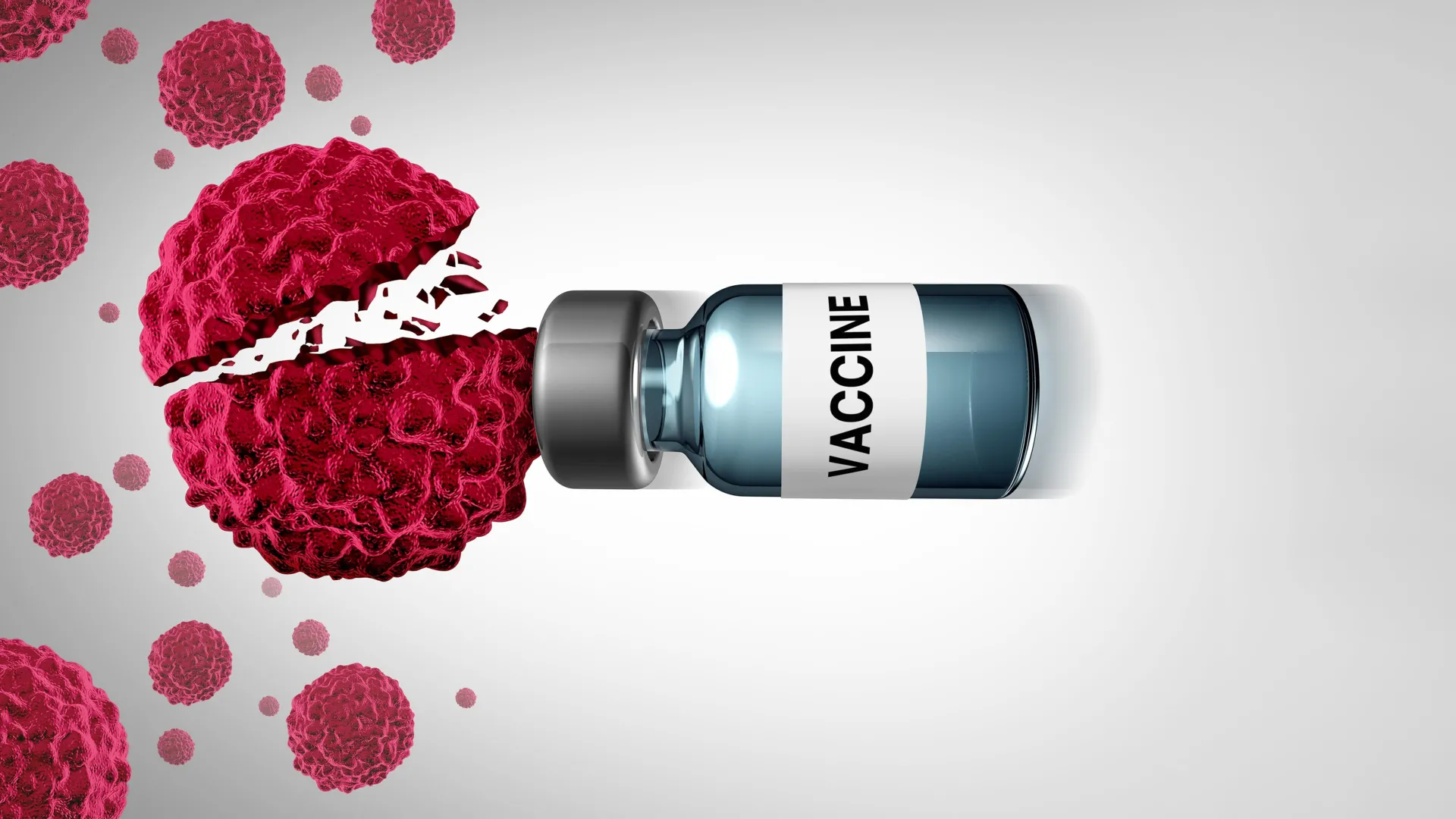
Patients battling advanced lung or skin cancer who received a COVID-19 mRNA vaccine within 100 days of initiating immunotherapy treatment have demonstrated considerably longer survival rates compared to their unvaccinated counterparts, according to groundbreaking new research. This pivotal discovery, emerging from the collaborative efforts of scientists at the University of Florida (UF) and the University of Texas MD Anderson Cancer Center, builds upon years of dedicated investigation into the potential of messenger RNA (mRNA) technology to harness the body’s immune system for therapeutic benefit against cancer. The findings represent a significant stride toward the long-sought goal of a universal cancer vaccine capable of amplifying the efficacy of existing immunotherapy drugs.
The retrospective analysis, which examined the medical records of over 1,000 patients at MD Anderson, has provided compelling preliminary data. Researchers are now actively planning a large-scale, randomized clinical trial to rigorously validate these observations and establish a causal link between mRNA vaccination and improved cancer outcomes.
Extraordinary Implications for Oncological Care
The potential ramifications of this discovery are being hailed as revolutionary for the entire field of cancer treatment. Elias Sayour, M.D., Ph.D., a co-senior author of the study, pediatric oncologist at UF Health, and the Stop Children’s Cancer/Bonnie R. Freeman Professor for Pediatric Oncology Research, expressed profound optimism. "The implications are extraordinary — this could revolutionize the entire field of oncologic care," Dr. Sayour stated. "We could design an even better nonspecific vaccine to mobilize and reset the immune response, in a way that could essentially be a universal, off-the-shelf cancer vaccine for all cancer patients."
This advancement underscores the far-reaching, and often unexpected, benefits stemming from initiatives like Operation Warp Speed, the federal program credited with accelerating the development of COVID-19 vaccines. Jeff Coller, Ph.D., an esteemed mRNA expert and professor at Johns Hopkins University, remarked that this research highlights another significant contribution of these federal efforts. "The results from this study demonstrate how powerful mRNA medicines truly are and that they are revolutionizing our treatment of cancer," Coller commented, emphasizing the transformative nature of mRNA technology.
A Decade of mRNA Innovation Culminates in Cancer Breakthrough
Published on October 22 in the prestigious scientific journal Nature, the research represents the culmination of Dr. Sayour’s eight years of pioneering work in combining lipid nanoparticles with mRNA technology. Messenger RNA, a fundamental molecule found in all cells, plays a crucial role in cellular function by carrying genetic instructions for the synthesis of proteins.
Earlier in July, Dr. Sayour’s laboratory reported a surprising finding that paved the way for this current research: it is not always necessary to target a specific protein within cancer cells to elicit a robust immune response. Instead, stimulating the immune system in a general manner, akin to its response to viral infections, could be sufficient to generate an antitumor effect.
In previous laboratory experiments, Dr. Sayour’s team had developed an experimental "nonspecific" mRNA vaccine. When combined with immune checkpoint inhibitors, a class of anticancer drugs designed to unleash the immune system against tumors, this experimental vaccine demonstrated the ability to induce a powerful immune response in mice. Notably, this experimental vaccine was not engineered to target the COVID-19 spike protein or any other specific molecule. Instead, it utilized the same underlying mRNA technology as COVID-19 vaccines but was designed to operate more broadly to stimulate a general immune activation.
Bridging COVID-19 Vaccines and Cancer Therapy
This significant prior discovery, the product of years of dedicated research, prompted a crucial question from Adam Grippin, M.D., Ph.D., a former lab member who trained at UF’s Preston A. Wells Center for Brain Tumor Therapy and now practices at MD Anderson. Dr. Grippin posed the question that would ultimately lead to this new research: Could the commercially available COVID-19 mRNA vaccine, developed under emergency authorization, function similarly to their experimental nonspecific vaccine in boosting anti-cancer immunity?
To investigate this hypothesis, the research team meticulously analyzed existing patient data from MD Anderson, focusing on individuals diagnosed with Stage 3 and Stage 4 non-small cell lung cancer and metastatic melanoma who received treatment between 2019 and 2023.
The results of this extensive data review were striking. The analysis revealed a statistically significant association between receiving a COVID-19 mRNA vaccine within 100 days of commencing immunotherapy treatment and an extended lifespan. Dr. Sayour highlighted that the most pronounced survival benefit was observed in patients who, based on their tumor’s molecular characteristics and other clinical factors, were not initially expected to mount a strong immune response to cancer.
As with all observational studies, these findings are considered preliminary and necessitate confirmation through prospective, randomized clinical trials. However, the significance of this initial discovery is undeniable. Duane Mitchell, M.D., Ph.D., Dr. Grippin’s doctoral mentor and the director of the UF Clinical and Translational Science Institute, commented on the profound nature of the findings. "Although not yet proven to be causal, this is the type of treatment benefit that we strive for and hope to see with therapeutic interventions — but rarely do," Dr. Mitchell stated. "I think the urgency and importance of doing the confirmatory work can’t be overstated."
Unraveling the Mechanism: How COVID Vaccines May Enhance Immunotherapy
In the treatment of advanced lung and skin cancers, medical professionals frequently employ immunotherapy drugs. These drugs are designed to "release the brakes" on the immune system, enabling it to more effectively recognize and attack cancer cells. However, in the advanced stages of these diseases, a significant proportion of patients exhibit a poor response to these treatments and often have exhausted other conventional options such as radiation, surgery, and chemotherapy.
The current study involved a comprehensive review of patient records. For advanced lung cancer patients, the analysis included 180 individuals who received a COVID-19 vaccine within 100 days before or after initiating immunotherapy drugs. This group was compared to 704 patients who received the same immunotherapy treatments but did not receive the vaccine. The data indicated that receiving the COVID-19 vaccine was associated with a near doubling of median survival, increasing from 20.6 months to an impressive 37.3 months.
Among patients with metastatic melanoma, the study identified 43 individuals who received a COVID-19 vaccine within 100 days of starting immunotherapy, contrasted with 167 patients who did not receive the vaccine. In this cohort, the median survival increased from 26.7 months to a range of 30 to 40 months. Crucially, at the time the data were collected, some patients who received the vaccine were still alive, suggesting that the true survival benefit of the vaccine could be even greater.
Importantly, the study also found that receiving non-mRNA vaccines, such as those for pneumonia or influenza, did not yield any significant changes in patient longevity, further highlighting the specific role of mRNA technology.
Laboratory Experiments Corroborate Human Data
To further bolster their observational findings in human patients, UF scientists conducted experiments in mice. These laboratory studies involved combining immunotherapy drugs with an mRNA vaccine specifically designed to target the COVID-19 spike protein. The results from these experiments were highly encouraging, demonstrating that this combination therapy could effectively transform tumors that had previously resisted treatment into tumors that responded, leading to a halt in tumor growth.
Dr. Sayour explained one of the proposed mechanisms behind this phenomenon: "One of the mechanisms for how this works is when you give an mRNA vaccine, that acts as a flare that starts moving all of these immune cells from bad areas like the tumor to good areas like the lymph nodes." This suggests that the mRNA vaccine may act as a powerful adjuvant, redirecting immune cells to sites where they can be more effectively primed and deployed against cancer.
The Road Ahead: Clinical Trials and Future Potential
The next critical step in this research trajectory is the launch of a large-scale clinical trial. This trial will be conducted through the UF-led OneFlorida+ Clinical Research Network, a collaborative consortium comprising hospitals, health centers, and clinics across Florida, Alabama, Georgia, Arkansas, California, and Minnesota.
Betsy Shenkman, Ph.D., who leads the OneFlorida consortium, emphasized the network’s mission. "One of our key motivations at OneFlorida is to move discoveries from academic settings out into the real world and the places where patients get care," Dr. Shenkman remarked. This initiative underscores the commitment to translating scientific breakthroughs into tangible clinical benefits for patients.
If the findings of this study are confirmed by the upcoming clinical trials, the implications for cancer care are vast. The researchers envision the development of even more refined, nonspecific universal cancer vaccines. For patients with advanced cancers, such a vaccine could offer a priceless commodity: more time. Dr. Sayour, an investigator with UF’s McKnight Brain Institute, expressed this sentiment, stating, "If this can double what we’re achieving currently, or even incrementally — 5%, 10% — that means a lot to those patients, especially if this can be leveraged across different cancers for different patients."
The research was generously supported by funding from the National Cancer Institute and multiple private foundations. It is important to note that Dr. Sayour, Dr. Grippin, and Dr. Mitchell hold patents related to UF-developed mRNA vaccines. These patents have been licensed by iOncologi Inc., a biotechnology company that originated as a "spinout" from UF, and in which Dr. Mitchell has a vested interest. This financial disclosure is standard practice in scientific reporting and does not diminish the potential impact of the research.
