
 By Suherman Candra Maholtra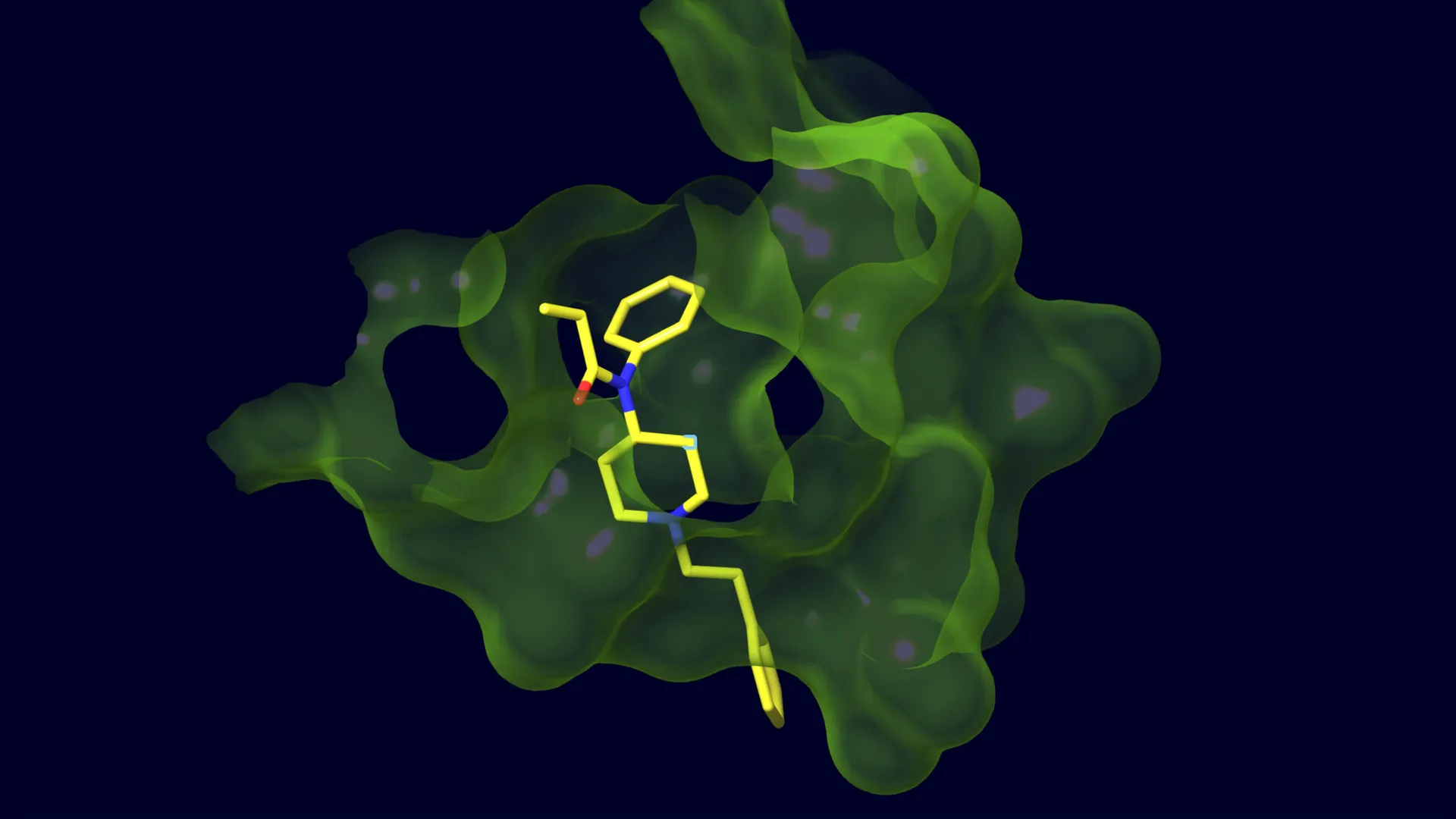
The United States is currently grappling with a public health crisis of unprecedented proportions, driven largely by the proliferation of synthetic opioids. Fentanyl, a potent synthetic opioid, has emerged as the primary driver of overdose deaths, now claiming more lives annually than motor vehicle accidents and firearm-related incidents combined. In the face of this escalating epidemic, researchers at Scripps Research have announced a significant breakthrough: the development of an experimental vaccine designed to preemptively block fentanyl and its numerous "designer" derivatives from entering the brain. This proactive approach represents a fundamental shift in addiction science, moving beyond reactive treatments like naloxone toward a long-term biological defense system.
The findings, recently published in the Journal of Medicinal Chemistry, detail a vaccine that trains the immune system to recognize the molecular signature of the entire fentanyl class. By generating antibodies that bind to the drug while it is still in the bloodstream, the vaccine prevents the substance from crossing the blood-brain barrier. Without access to the central nervous system, the drug cannot trigger the euphoria that leads to addiction or the respiratory depression that leads to death.
The Evolution of the Opioid Epidemic and the Need for Innovation
To understand the significance of the Scripps Research vaccine, one must examine the trajectory of the opioid crisis. Public health experts generally categorize the epidemic into three distinct waves. The first wave began in the late 1990s with an increase in prescriptions for natural and semi-synthetic opioids. The second wave started in 2010, marked by a surge in heroin-related deaths. The current third wave, which began around 2013, is defined by the rise of synthetic opioids, particularly illicitly manufactured fentanyl.
Fentanyl is approximately 50 times more potent than heroin and 100 times more potent than morphine. Because it is cheap to produce and highly concentrated, it is frequently mixed into other illicit drugs, such as cocaine, methamphetamine, and counterfeit pills, often without the user’s knowledge. This "poisoning" of the drug supply has led to a vertical spike in mortality rates. According to data from the Centers for Disease Control and Prevention (CDC), synthetic opioids were involved in over 70,000 of the nearly 107,000 drug overdose deaths reported in the U.S. in 2021.
While the emergency opioid-reversal agent naloxone (Narcan) has saved countless lives, it is a reactive measure. It requires a bystander to be present, recognize the signs of an overdose, and administer the medication within a very narrow window of time. Furthermore, the increasing potency of fentanyl analogues, such as carfentanil, sometimes requires multiple doses of naloxone to be effective. The Scripps vaccine aims to eliminate the "window of failure" by providing continuous protection.
A Radically Reconfigured Molecular Architecture
The development of a vaccine against a small molecule like fentanyl is a complex pharmacological challenge. Unlike viruses or bacteria, drug molecules do not naturally trigger an immune response because they are too small for the immune system to detect. To overcome this, scientists use a "hapten"—a small molecule that mimics the drug—and attach it to a larger carrier protein to "unmask" it to the immune system.
Traditionally, researchers have designed haptens that are near-identical copies of the target drug. However, Kim Janda, PhD, the Ely R. Callaway, Jr. Professor of Chemistry at Scripps Research and the study’s senior author, recognized two major flaws in this traditional path. First, using the drug itself as a template involves navigating strict regulatory hurdles associated with controlled substances. Second, the resulting immune response is often too narrow, meaning a vaccine for fentanyl might not protect against a slightly modified version created in a clandestine lab.
"The way the fentanyl landscape is evolving, the black-market drug makers are constantly coming up with new versions to skirt regulations and avoid detection in standard screenings," Janda explained. "We need countermeasures that are going to work against all these future variants at once, not just one at a time."
The Scripps team, led by first author and research associate Arran Stewart, tested an unconventional hypothesis. They utilized a molecule with a fundamentally different core structure than fentanyl, yet one that shared certain key spatial characteristics. This "radically reconfigured molecular architecture" was designed to force the immune system to focus on the broader structural hallmarks of the fentanyl class rather than the specific details of a single molecule.
Experimental Results and Broad-Spectrum Protection
The efficacy of this unconventional design was tested in animal models over an eight-week period. Mice were administered four doses of the vaccine, and the resulting immune response was analyzed for its breadth and strength. The results were highly encouraging, demonstrating what the researchers described as "broad-class protection."
The antibodies generated by the vaccine did not just recognize fentanyl; they successfully bound to a suite of dangerous "designer" variants. These included:
- Carfentanil: An ultra-potent opioid used as a sedative for large animals, estimated to be 10,000 times more potent than morphine.
- China White (α-methylfentanyl): A potent analogue that gained notoriety in the 1980s.
- Acetylfentanyl and Furanylfentanyl: Common illicit variants used to increase potency in the current market.
Crucially, the vaccine showed high selectivity. The antibodies did not bind to other opioids used in legitimate medical settings, such as morphine, oxycodone, or methadone. This is a vital feature for clinical application, as it ensures that a vaccinated individual could still receive standard pain management or medication-assisted treatment (MAT) for opioid use disorder if necessary.
In physiological tests, the results were equally stark. Vaccinated mice were exposed to doses of fentanyl that would typically cause severe respiratory depression—the primary cause of overdose death. The vaccinated group maintained nearly normal breathing patterns. Furthermore, biochemical analysis revealed that fentanyl levels in the brains of vaccinated mice were 70% lower than those in the control group, proving the vaccine’s ability to sequester the drug in the periphery of the body.
Timeline and Comparative Analysis of Vaccine Development
The journey toward an opioid vaccine has been decades in the making. Dr. Janda’s laboratory has been at the forefront of this research since the 1990s, previously developing candidates for cocaine and heroin.
- 2010-2015: Early iterations of opioid vaccines focused on heroin. While successful in animal trials, the rapid shift in the illicit market toward fentanyl necessitated a change in focus.
- 2016-2020: Development of the first fentanyl-specific vaccine candidates. These early versions proved the concept but faced the "specificity" problem—they were easily bypassed by new synthetic analogues.
- 2021-2023: The team shifted toward the "class-wide" recognition strategy, culminating in the current study published in the Journal of Medicinal Chemistry.
When compared to other pharmacological interventions, the vaccine offers a unique profile. While methadone and buprenorphine work by satisfying the brain’s opioid receptors to reduce cravings and withdrawal, they are themselves opioids and carry a risk of diversion or misuse. The vaccine, by contrast, is non-addictive and does not interact with the brain’s reward system. It acts as a passive shield rather than a mood-altering substance.
Official Responses and Potential Public Health Impact
While the vaccine is still in the experimental phase and must undergo rigorous human clinical trials, the response from the scientific and public health communities has been one of cautious optimism. If the results can be replicated in humans, the implications for public health are vast.
Logically, the vaccine could serve several high-risk populations. First, it could be a vital tool for individuals in recovery programs. The risk of overdose is highest immediately following a period of abstinence, as a person’s tolerance drops significantly. A single "slip" or relapse during this period is often fatal; a vaccine would provide a biological safety net during these vulnerable windows.
Second, the vaccine could offer protection to first responders, such as police officers and paramedics, who may be accidentally exposed to high-potency synthetics like carfentanil during the course of their duties.
"The public health potential here is significant," says Janda. "But so is the lesson that we can design vaccines that recognize an entire drug class, not just a singular drug."
Public health analysts suggest that such a vaccine could also disrupt the economic model of illicit drug trafficking. If a significant portion of the "market" is biologically immune to the effects of the product, the incentive for traffickers to lace supplies with fentanyl may decrease. However, experts also warn that a vaccine is not a "silver bullet." Addiction is a multifaceted disease involving psychological, social, and economic factors that biology alone cannot solve.
Future Directions and Clinical Outlook
The next phase for the Scripps Research team involves optimizing the vaccine for human use and seeking FDA approval for Phase I clinical trials. These trials will focus primarily on safety and the ability of the vaccine to produce a sustained antibody response in humans. One of the key questions to be answered is the duration of the protection—how often a "booster" shot might be required to maintain effective antibody levels.
The study, titled "Redefining Drug Immune Recognition: A Radically Reconfigured Molecular Architecture Enables Broad Fentanyl-Class Protection," was a collaborative effort involving Lisa Eubanks, Bin Zhou, and Rachel Steinhardt. The research was supported by the Shadek Family Foundation, highlighting the role of private philanthropy in addressing the opioid crisis when federal funding may be tied to more traditional research avenues.
As the synthetic opioid crisis continues to evolve, with new and more dangerous chemicals appearing on the streets every month, the Scripps Research vaccine represents a proactive defense. By training the human immune system to stay one step ahead of the chemists in illicit labs, this research provides a glimmer of hope in one of the most challenging public health battles of the 21st century. The shift from treating the symptoms of the epidemic to fundamentally altering the body’s vulnerability to the substance marks a new chapter in the fight against addiction.
