
 By Budi Oetomo Narendra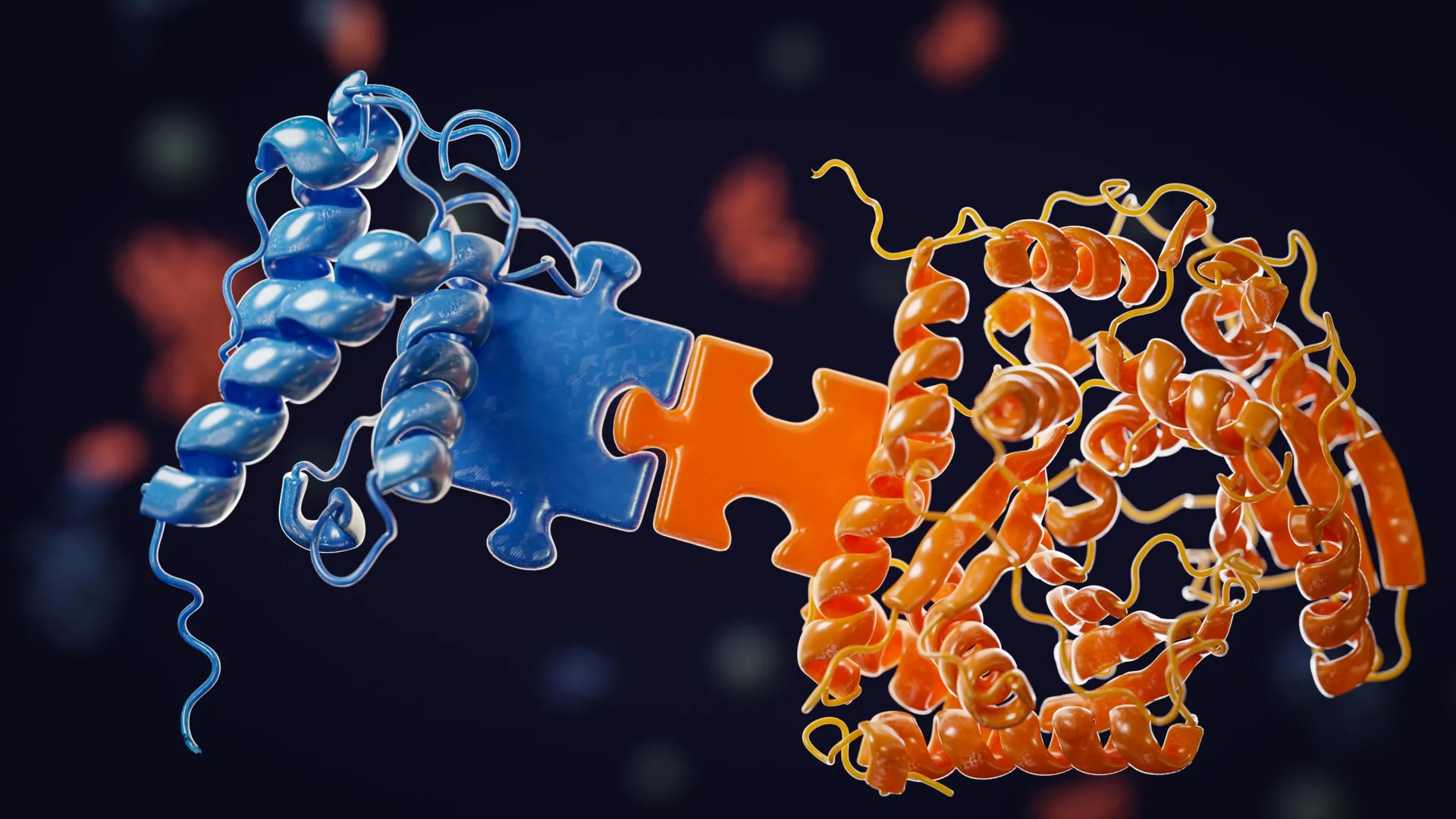
Scientists have uncovered how bacteria naturally manufacture multiple versions of powerful cancer drugs, solving a mystery that has puzzled researchers for decades. The discovery, detailed in a recent publication in Nature Communications, offers a revolutionary blueprint for accelerating the development of novel treatments for cancers that remain stubbornly difficult to treat. This breakthrough promises to reshape the landscape of pharmaceutical research, moving beyond mere understanding to active engineering of life-saving medicines.
For years, the scientific community has harbored ambitions of leveraging the inherent enzymatic machinery of bacteria to synthesize new drug variants through a sophisticated process known as combinatorial biosynthesis. This approach, akin to a molecular Lego set, allows for the creation of diverse chemical structures from a limited set of building blocks. However, despite its immense potential, progress in this field has been significantly hampered. The core impediment lay in a fundamental lack of understanding: researchers simply did not fully grasp the intricate mechanisms by which bacterial enzymes coordinated their complex work, orchestrating the precise assembly of these potent therapeutic compounds. This recent study has finally cracked that code, illuminating a sophisticated natural system that promises to unlock a new era of drug design.
The Decades-Long Enigma of Bacterial Drug Synthesis
The allure of natural products in medicine is well-documented, with countless life-saving drugs, from antibiotics like penicillin to anti-cancer agents like taxol, tracing their origins back to microbial or plant sources. Bacteria, in particular, are prolific producers of a vast array of chemically diverse secondary metabolites, many of which possess profound biological activities. Among these are complex molecules with potent anti-cancer properties. The challenge, however, has always been to decipher the genetic and biochemical pathways responsible for their production and, more importantly, to understand how bacteria manage to generate not just one, but a family of closely related compounds, each with slightly different properties.
This ability to produce multiple variants is crucial. In drug development, subtle changes to a molecule’s structure can dramatically alter its potency, selectivity, solubility, and side-effect profile. Nature, through evolution, has perfected this "mix and match" system, yielding a diverse chemical library from a single biosynthetic pathway. For researchers, replicating this natural efficiency in the laboratory has been the holy grail of combinatorial biosynthesis – a strategy that promises to rapidly generate a multitude of drug candidates, thereby significantly streamlining the drug discovery pipeline. The mystery persisted because the underlying enzymatic coordination appeared incredibly complex, yet elegantly economical, defying simple explanation.
Unveiling Nature’s "Mix and Match" System
The groundbreaking research, published in Nature Communications, meticulously reveals the intricate communication network that bacterial enzymes employ to assemble a family of closely related anti-cancer compounds. Among these vital compounds is Romidepsin (Istodax), an FDA-approved treatment that has proven effective against certain blood cancers, specifically T-cell lymphomas. By not only uncovering this natural "mix and match" system but also successfully reproducing its fundamental principles in a controlled laboratory setting, the research team has established a novel and powerful strategy for designing future cancer therapies.
Dr. Munro Passmore, a Research Fellow in the Department of Chemistry at the University of Warwick and the study’s first author, articulated the profound significance of this discovery: "For decades, we’ve known that bacteria can naturally produce multiple versions of powerful anti-cancer drugs, yet we had no idea how they achieved this level of elegant variation. This work finally cracks that code. We’ve identified how the different enzymes communicate and cooperate to produce these drug variants, something that has eluded researchers because the system is so elegantly economical in its design. It’s truly the breakthrough we needed to actually engineer these drugs ourselves, rather than simply relying on what nature serendipitously provides." His statement underscores the shift from passive observation to active, guided biosynthesis.
The Crucial Role of Tiny Molecular Connectors: Docking Domains
The key to this long-standing puzzle lies in what the researchers termed ‘docking domains.’ These are small, specialized molecular regions that act as sophisticated connectors. They serve as essential bridges between the core machinery responsible for building the drug molecule and various peripheral enzymes tasked with adding different components or modifying the nascent structure.
What makes these docking domains so remarkably efficient and versatile is their design: they share a highly conserved connection point. This shared interface allows a single docking domain to interact flexibly with multiple enzyme partners. Imagine a universal adapter that can plug into various tools, enabling a diverse set of operations. This flexible, yet precise, design is the secret to how bacteria can generate a wide array of related drug molecules from a single assembly line, all while maintaining the critical precision required for these complex compounds to remain biologically active and therapeutically effective. Without such precision, the resulting molecules would be inert or even toxic, rendering the entire process useless.
Evolutionary Insights into Natural Drug Pathways
Beyond the immediate biochemical implications, the study also sheds crucial light on the evolutionary trajectory of these natural drug-producing systems. According to the researchers, the newly identified compound, FR-901375 (a close chemical relative of Romidepsin), most likely evolved from a pre-existing, related drug-producing pathway. This evolutionary development is hypothesized to have occurred through a combination of gene duplication and subsequent recombination events over vast stretches of geological time.
Understanding this evolutionary logic is not merely an academic exercise. By deciphering how nature innovates and diversifies its molecular repertoire, scientists gain invaluable insights into how to rationally design their own synthetic evolutionary pathways. This "reverse-engineering" of natural selection provides a powerful framework for developing novel compounds with optimized properties.
Professor Challis on Reverse-Engineering Nature: A Blueprint for the Future
Prof. Greg Challis, a distinguished Monash Warwick Alliance Professor of Sustainable Chemistry at both the University of Warwick and Monash University, eloquently summarized the transformative potential of this research. "This research gives us a blueprint to do what nature does, but better and faster," he stated. "By reverse-engineering nature’s evolutionary logic, we can now design synthetic pathways that generate new anti-cancer drug candidates with properties optimized for clinical use, such as superior potency, improved selectivity, and significantly fewer side effects."
The immediate goal, as outlined by Prof. Challis, is ambitious and urgent: "Our immediate goal is to build an expanded library of candidates for various cancers where new treatments are urgently needed. This discovery is moving us from merely understanding how these systems work to actively building new ones." This shift from descriptive science to generative engineering represents a paradigm change, promising to accelerate the drug discovery process and address unmet medical needs more effectively.
Focus on HDAC Inhibitors: A Powerful Class of Anti-Cancer Drugs
The work specifically centers on a critically important class of anti-cancer medicines known as histone deacetylase (HDAC) inhibitors. These drugs exert their therapeutic effect by blocking the activity of histone deacetylases, a family of enzymes that play a crucial role in regulating which genes are switched on or off inside cells. By inhibiting HDACs, these drugs can lead to changes in gene expression that promote cell differentiation, halt cell proliferation, and induce programmed cell death (apoptosis) in cancer cells.
Romidepsin (Istodax), as previously mentioned, is a well-established and FDA-approved HDAC inhibitor used in the treatment of T-cell lymphomas, a type of non-Hodgkin lymphoma. Its efficacy highlights the therapeutic potential of targeting epigenetic mechanisms in cancer. For decades, a chemically related compound known as FR-901375 has been recognized by scientists, but the specific biological pathway bacteria utilized to produce it remained an elusive puzzle. This study finally provides the missing piece, completing our understanding of its biosynthesis.
Like other HDAC inhibitors within its family, FR-901375 belongs to a group of structurally complex cyclic molecules referred to as depsipeptides. These fascinating compounds are meticulously assembled from various amino acid building blocks, often incorporating a conserved hydroxy acid pharmacophore – the part of the molecule responsible for its biological activity. All these components are intricately linked together through a combination of both peptide bonds (characteristic of proteins) and ester bonds (characteristic of fats and lipids), forming a robust cyclic structure that confers stability and specific biological interactions.
The Molecular Architecture: PKS-NRPS Hybrids
Within the microscopic world of bacteria, these intricate depsipeptide molecules are constructed by massive, multi-domain protein complexes known as PKS-NRPS hybrids. These remarkable molecular machines combine the activities of polyketide synthase (PKS) and nonribosomal peptide synthetase (NRPS) enzymes.
- Polyketide synthases (PKSs) are responsible for synthesizing polyketides, a large family of natural products often used as antibiotics, antifungals, and immunosuppressants. They typically build carbon chains through iterative condensation reactions.
- Nonribosomal peptide synthetases (NRPSs) assemble peptides from a diverse range of amino acids, including non-proteinogenic ones, without the involvement of ribosomes (hence "nonribosomal"). They are crucial for producing a variety of peptide antibiotics, toxins, and siderophores.
The new research definitively shows that the ingenuity of this assembly process – the ability to create diverse variants – hinges entirely on the aforementioned docking domains. These domains function much like molecular connectors on a sophisticated biochemical assembly line, allowing one part of the production machinery to recognize, bind to, and seamlessly pass its partially completed product to the next enzyme in the sequence. This elegant, modular mechanism is precisely what enables combinatorial biosynthesis, granting bacteria the extraordinary ability to naturally generate multiple, subtly distinct drug variants from a single core pathway.
Methodology: Cracking the Code with Multidisciplinary Science
To unravel the intricate workings of this bacterial drug-making system, the research team employed a comprehensive and multidisciplinary approach, integrating cutting-edge techniques from various scientific fields. Their collaborative effort combined:
- Structural Biology: This involved determining the three-dimensional atomic structures of the key enzymes and their interactions. Techniques such as X-ray crystallography or cryo-electron microscopy (cryo-EM) would have been instrumental in visualizing the precise arrangement of atoms within the docking domains and their partner enzymes, revealing how they physically connect and communicate. This provides a static "snapshot" of the molecular machinery.
- Biochemistry: Biochemical assays were crucial for studying the function of the enzymes in isolation and in combination. This involved purifying the enzymes, characterizing their catalytic activities, and identifying the specific substrates they act upon. Understanding reaction kinetics and enzyme specificity was vital to map out the exact sequence of molecular events.
- Genetics: Genetic manipulation techniques were employed to modify the bacterial genome. This could include gene knockout experiments (disabling specific genes to observe the effect on drug production) or gene overexpression (increasing the production of certain enzymes to study their impact). These genetic tools allowed researchers to pinpoint which genes encode which enzymes and how their expression affects the overall biosynthetic pathway.
- Computational Modeling: Advanced computational tools were utilized to simulate molecular interactions and predict the behavior of the enzymes. Techniques like molecular dynamics simulations can model the movement of atoms and molecules over time, providing insights into the flexibility and dynamics of the docking domains and their binding partners. In silico modeling also helped in predicting potential new drug variants and optimizing synthetic pathways, guiding experimental design and interpretation.
By synergistically combining these powerful methodologies, the team was able to move beyond individual pieces of the puzzle and reconstruct a holistic understanding of this complex natural system.
Broader Implications for Cancer Treatment and Drug Discovery
The implications of this discovery extend far beyond merely satisfying scientific curiosity; they hold profound promise for revolutionizing cancer treatment and drug discovery:
- Accelerated Drug Development: The ability to rationally design and engineer biosynthetic pathways means that the lead optimization phase of drug discovery – where initial drug candidates are refined for improved properties – can be significantly accelerated. Instead of relying on laborious chemical synthesis or random screening, researchers can now intelligently generate libraries of compounds with desired characteristics.
- Precision Medicine and Tailored Therapies: With a clearer understanding of how to modify drug structures, scientists can potentially create highly selective drugs that target cancer cells with greater precision, minimizing damage to healthy tissues. This aligns perfectly with the burgeoning field of precision medicine, where treatments are tailored to the specific genetic and molecular profile of a patient’s cancer.
- Overcoming Drug Resistance: Cancer cells notoriously develop resistance to existing therapies. By being able to rapidly generate structural variants of known effective drugs, researchers can explore new compounds that might circumvent resistance mechanisms, offering fresh hope for patients whose cancers have become refractory to standard treatments.
- Reduced Side Effects: One of the primary goals in drug development is to reduce adverse side effects. The ability to fine-tune molecular properties could lead to drug candidates with improved safety profiles, enhancing patient quality of life during treatment.
- Economic Impact and Pharmaceutical Innovation: The current drug discovery process is incredibly time-consuming and expensive. This new methodology could significantly reduce both the time and cost associated with bringing new drugs to market, fostering greater innovation within the pharmaceutical industry and making life-saving treatments more accessible.
- Advancements in Synthetic Biology and Bioengineering: This research represents a significant leap forward in synthetic biology and metabolic engineering. It demonstrates the feasibility of designing and constructing complex biological systems for specific purposes, paving the way for engineered microbes to serve as efficient and sustainable "bio-factories" for a wide range of pharmaceuticals, not just anti-cancer drugs.
- Addressing Unmet Needs in Difficult-to-Treat Cancers: While Romidepsin targets blood cancers, the methodology developed here is universally applicable. Cancers such as pancreatic cancer, glioblastoma (an aggressive brain tumor), and certain aggressive solid tumors remain notoriously difficult to treat effectively. The capacity to generate novel drug candidates with optimized properties offers a glimmer of hope for these patient populations, where new and more potent therapeutic options are desperately needed.
The Road Ahead: From Blueprint to Bedside
The immediate next steps, as articulated by Professor Challis, involve translating this "blueprint" into a tangible library of drug candidates. This entails rigorous pre-clinical testing to assess the efficacy, safety, and pharmacokinetics of these new compounds. Successful candidates would then progress to human clinical trials, a multi-phase process designed to evaluate their performance in patients.
While the journey from laboratory discovery to an approved medicine is long and fraught with challenges, this foundational research provides an unprecedented advantage. By moving from a reactive understanding of natural processes to a proactive ability to engineer them, scientists have taken a monumental step towards a future where the development of highly effective, precisely targeted, and safer cancer drugs can be achieved with unparalleled speed and efficiency. This discovery truly marks a pivotal moment in the ongoing battle against cancer, offering a powerful new weapon in the arsenal of medical science.
