
 By Suherman Candra Maholtra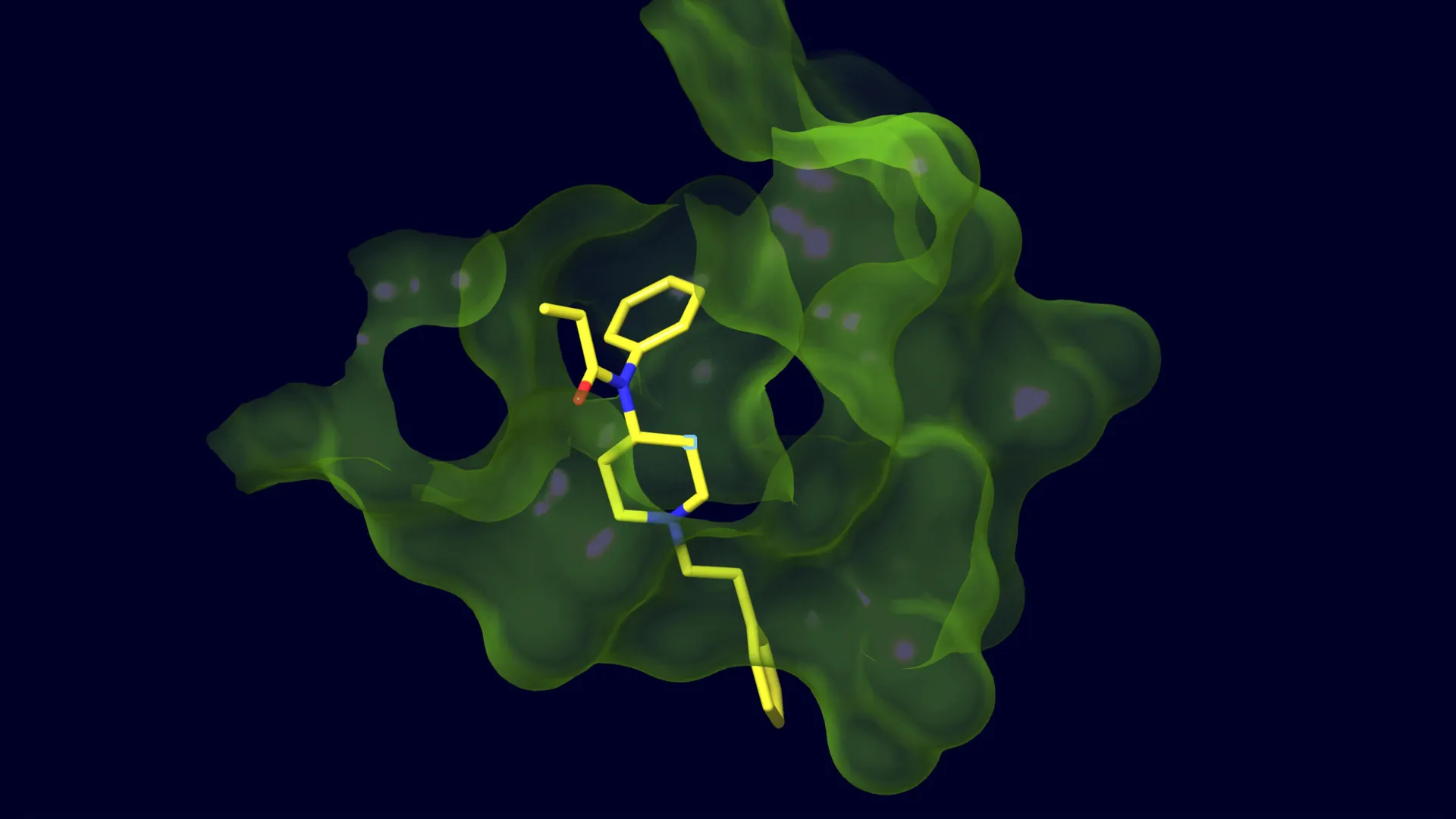
The United States is currently grappling with the most devastating drug crisis in its history, driven largely by the proliferation of synthetic opioids. Fentanyl, a synthetic opioid that is up to 50 times stronger than heroin and 100 times stronger than morphine, has become the primary driver of overdose deaths nationwide. According to data from the Centers for Disease Control and Prevention (CDC), synthetic opioids are now responsible for more annual fatalities than automobile accidents and firearm-related incidents combined. In 2023 alone, over 100,000 Americans lost their lives to drug overdoses, with a vast majority of those cases involving fentanyl or its chemical analogues.
While emergency interventions like naloxone (Narcan) have saved countless lives by reversing the respiratory depression caused by opioids, these treatments are reactive. They require immediate administration by a bystander or first responder during the narrow window when a victim is still salvageable. Seeking a more proactive solution, researchers at Scripps Research have announced a breakthrough in immunopharmacotherapy: an experimental vaccine designed to prevent fentanyl from ever reaching the brain. This new approach, detailed in the Journal of Medicinal Chemistry, represents a paradigm shift in how the medical community may soon address substance use disorders and accidental exposure.
The Mechanism of Immunopharmacotherapy
The concept of a "drug vaccine" differs fundamentally from traditional vaccines used to fight viruses or bacteria. Instead of training the immune system to recognize a biological pathogen, this vaccine trains the body to identify a specific chemical structure. When a person is vaccinated against a drug, their immune system produces specialized antibodies that circulate in the bloodstream. If the drug is subsequently ingested, injected, or inhaled, these antibodies bind to the drug molecules.
Because the resulting antibody-drug complex is too large to cross the blood-brain barrier, the drug is effectively sequestered in the blood. This prevents the chemical from reaching the opioid receptors in the central nervous system, thereby neutralizing the drug’s psychoactive effects and, more importantly, its ability to suppress the respiratory system. For years, scientists have attempted to perfect this "molecular sponge" approach for various substances, including nicotine, cocaine, and heroin. However, fentanyl has posed unique challenges due to its extreme potency and the rapid evolution of its chemical variants.
Overcoming the "Cat and Mouse" Game of Designer Drugs
One of the most significant hurdles in addressing the opioid epidemic is the constant emergence of "designer drugs." Illicit manufacturers frequently alter the molecular structure of fentanyl to create new analogues, such as acetylfentanyl, furanylfentanyl, or the extremely potent carfentanil—a substance originally intended as a tranquilizer for large elephants. These modifications are often made to circumvent legal regulations, avoid detection in standard drug screenings, and increase the addictive potential of the product.
Traditional vaccine designs have historically been highly specific, meaning a vaccine designed for Fentanyl A might be completely ineffective against Fentanyl B. Kim Janda, PhD, the Ely R. Callaway, Jr. Professor of Chemistry at Scripps Research and senior author of the study, noted that the traditional approach was failing to keep pace with the black market. "The way the fentanyl landscape is evolving, the black-market drug makers are constantly coming up with new versions to skirt regulations," Janda explained.
To address this, the Scripps team pivoted to an unconventional design. Instead of using a molecule that mimicked fentanyl exactly, they developed a vaccine based on a radically reconfigured molecular architecture. This "hapten"—the small molecule used to trigger the immune response—shared certain core characteristics with the fentanyl class but featured a fundamentally different scaffold.
Experimental Success and Surprising Results
The research team, led by first author Arran Stewart, a research associate in the Janda lab, initially harbored doubts about whether the immune system would recognize the actual drug if the vaccine component looked different. "Conventional wisdom says that to get the immune system to recognize fentanyl, you have to use something that looks like fentanyl," Stewart stated.
To test the efficacy of this new design, the researchers attached the modified molecule to a carrier protein and administered four doses to murine models over an eight-week period. The results were better than anticipated. The immune systems of the test subjects did not just produce antibodies for the specific vaccine molecule; instead, they generated a broad-spectrum immune response that recognized a universal molecular signature shared across the entire fentanyl class.
Key data points from the study include:
- Brain Penetration Reduction: Fentanyl levels in the brains of vaccinated mice were approximately 70% lower than those in the control group.
- Respiratory Protection: Vaccinated mice maintained near-normal breathing rates even after being administered doses of fentanyl that typically cause fatal respiratory depression.
- Broad Recognition: The antibodies successfully bound to fentanyl, carfentanil, China White (α-methylfentanyl), acetylfentanyl, and furanylfentanyl.
- Medical Selectivity: Crucially, the antibodies did not bind to other opioids used in clinical settings, such as morphine, oxycodone, or anesthesia agents like remifentanil. This ensures that a vaccinated individual could still receive necessary pain management or surgical anesthesia if required.
A Chronology of Innovation at Scripps Research
This breakthrough is the culmination of decades of research conducted within the Janda laboratory. Kim Janda has been a pioneer in the field of immunopharmacotherapy since the 1980s.
- 1990s-2000s: The lab focused heavily on cocaine and nicotine vaccines, establishing the foundational science of how antibodies can blunt the "rush" of addictive substances.
- 2010s: As the opioid crisis shifted from prescription pills to heroin, the lab developed a successful heroin vaccine candidate that progressed toward clinical evaluation.
- 2017-2021: With the rise of synthetic opioids, Janda’s team began focusing on fentanyl. They initially developed vaccines that were highly specific but realized the need for a "pan-fentanyl" solution as overdose deaths from analogues began to spike.
- 2023-2024: The team successfully identified the "radically reconfigured" molecule that provides broad-class protection, leading to the current findings published in the Journal of Medicinal Chemistry.
Broader Public Health and Economic Implications
The potential impact of a universal fentanyl vaccine extends far beyond individual recovery. Public health experts suggest that such a tool could be a cornerstone of a multi-pronged strategy to stabilize communities ravaged by the epidemic.
From an economic perspective, the opioid crisis costs the United States an estimated $1.5 trillion annually, according to a 2022 report from the Congressional Joint Economic Committee. This figure includes healthcare costs, lost productivity, and the immense burden on the criminal justice system. A successful vaccine could significantly reduce these costs by lowering the rate of recidivism in drug-related crimes and decreasing the frequency of emergency room visits for overdoses.
Furthermore, the vaccine offers a layer of protection for high-risk populations. This includes first responders—police, firefighters, and EMTs—who are at risk of accidental exposure during raids or medical interventions. It also provides a safety net for individuals in early recovery, where the risk of a fatal overdose is highest during a relapse due to decreased tolerance.
Challenges on the Path to Human Trials
While the animal trial results are promising, the transition to human clinical trials involves significant hurdles. The FDA requires rigorous testing to ensure that the vaccine does not cause autoimmune issues or interfere with the body’s natural chemistry.
One of the primary challenges is the variability of the human immune system. While mice in a controlled environment respond uniformly, humans have diverse genetic backgrounds and health histories that may affect how many antibodies they produce. Additionally, the duration of the vaccine’s effectiveness remains a question. Researchers must determine how often "booster" shots would be required to maintain protective antibody levels in the bloodstream.
Funding also remains a critical factor. The Scripps study was supported by the Shadek Family Foundation, but moving a vaccine through Phase I, II, and III clinical trials requires hundreds of millions of dollars. The researchers are hopeful that the "broad-class" nature of this vaccine will attract the necessary investment from both public and private sectors.
Conclusion: A New Frontier in Addiction Science
The work of Janda and his team at Scripps Research represents a fundamental change in the philosophy of vaccine design. By training the immune system to recognize a general molecular architecture rather than a specific drug, they have effectively created a "future-proof" defense against the ingenuity of illicit chemists.
"The public health potential here is significant," Janda concluded. "But so is the lesson that we can design vaccines that recognize an entire drug class, not just a singular drug." As the United States continues to search for answers to the fentanyl crisis, this universal vaccine platform offers a rare glimmer of hope—a way to stay one step ahead of a deadly and ever-changing enemy. If proven safe and effective in humans, it could become one of the most powerful weapons in the arsenal of modern medicine, turning the tide in a battle that has claimed far too many lives.
