
 By Suherman Candra Maholtra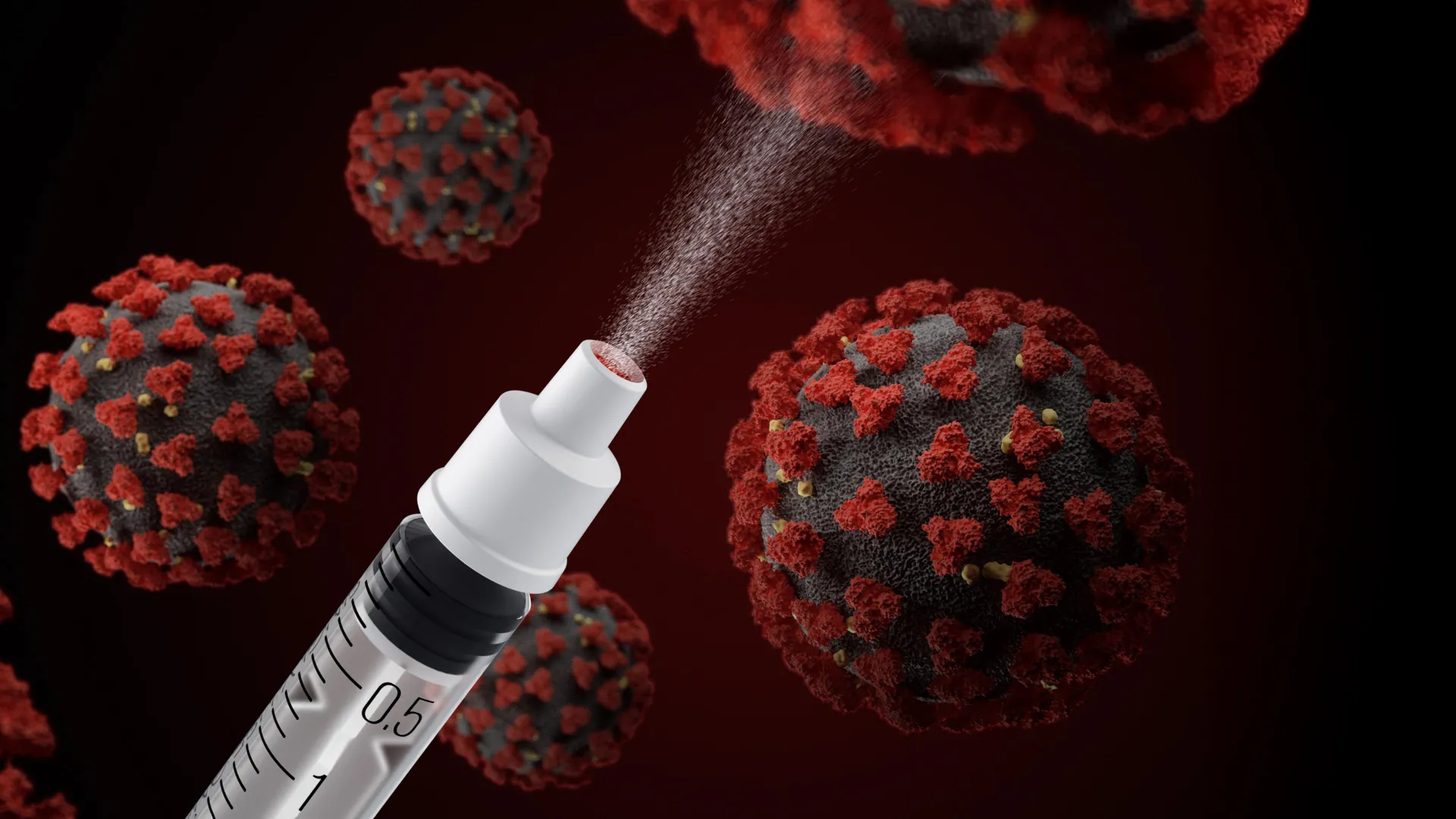
In a landmark study that challenges over two centuries of immunological doctrine, researchers at Stanford Medicine have announced the development of an experimental universal vaccine capable of providing broad-spectrum protection against a diverse array of respiratory threats. The study, published on February 19 in the journal Science, details a novel intranasal vaccine that shielded laboratory mice not only from various strains of coronaviruses but also from virulent bacteria and common environmental allergens. This breakthrough marks a significant departure from traditional vaccine design, which has historically focused on narrow, pathogen-specific antigens. By targeting the fundamental communication pathways between the body’s innate and adaptive immune systems, the Stanford team has demonstrated that a single medical intervention could potentially offer a "one-size-fits-all" defense against the most pressing respiratory challenges of the modern era.
The implications of this research are vast, suggesting a future where seasonal flu shots and frequent COVID-19 boosters could be replaced by a biennial or annual nasal spray. Beyond viral pathogens, the vaccine’s ability to suppress allergic reactions and bacterial infections like Staphylococcus aureus points toward a transformative shift in preventive medicine. Led by senior author Bali Pulendran, PhD, the Violetta L. Horton Professor II and professor of microbiology and immunology, and lead author Haibo Zhang, PhD, a postdoctoral scholar, the research represents the culmination of years of investigation into how the immune system coordinates long-term memory with immediate-response mechanisms.
A Paradigm Shift in Vaccinology
For approximately 230 years, the field of vaccinology has operated under the principle of antigen specificity. This paradigm began in the late 18th century with Edward Jenner, who utilized the cowpox virus to train the human immune system to recognize and fight smallpox. Since then, vaccines have functioned by introducing a harmless piece of a specific pathogen—such as a protein or a weakened version of a virus—to the body. This "training" allows the immune system to produce antibodies and T cells tailored to that specific threat.
However, this traditional approach has hit a significant bottleneck in the 21st century. Many of the most prevalent respiratory viruses, including influenza and SARS-CoV-2, are highly mutable. As Bali Pulendran noted, these pathogens act like the "proverbial leopard that changes its spots," frequently altering their surface proteins to evade the immunity granted by previous infections or vaccinations. This rapid evolution necessitates the constant updating of vaccines, leading to the logistical and public health challenges of annual booster campaigns.
The Stanford team’s approach bypasses this "cat-and-mouse" game by moving away from specific viral antigens. Instead of trying to predict which mutation will dominate the next season, the new experimental vaccine, currently designated as GLA-3M-052-LS+OVA, focuses on "integrated immunity." It aims to keep the body’s broad-spectrum, first-responder defenses—the innate immune system—in a state of heightened alertness for extended periods, while simultaneously priming the adaptive immune system to respond with unprecedented speed.
The Mechanism: Bridging Innate and Adaptive Immunity
The human immune system is composed of two primary branches: the innate and the adaptive. The innate immune system is the body’s first line of defense, deploying macrophages, neutrophils, and dendritic cells within minutes or hours of a perceived threat. While versatile and capable of attacking almost any foreign invader, innate immunity is typically short-lived, fading within a few days. In contrast, the adaptive immune system—comprising B cells that produce antibodies and T cells—takes days or weeks to mobilize but provides long-lasting, specific memory.
The Stanford breakthrough lies in its ability to synchronize these two systems. The researchers drew inspiration from the Bacillus Calmette-Guerin (BCG) tuberculosis vaccine, which has long been observed to provide "off-target" protection against other infections in newborns. In a 2023 study, Pulendran’s team discovered that the BCG vaccine works by recruiting T cells to the lungs, which then send continuous cytokine signals to innate immune cells. These signals keep the innate system "switched on" for months rather than days.
The new experimental vaccine replicates this signaling process synthetically. It utilizes a combination of toll-like receptor (TLR) stimuli and a harmless egg protein (ovalbumin) to draw T cells into the respiratory tract. Once settled in the lungs, these T cells act as sentinels, emitting chemical signals that maintain a state of constant vigilance among the local innate immune cells. This creates a fortified environment in the lungs that is hostile to a wide variety of incoming pathogens.
Experimental Results and Comparative Data
The efficacy of the GLA-3M-052-LS+OVA vaccine was tested through a series of rigorous mouse models. The findings revealed a level of protection that the researchers described as exceeding their initial expectations.
In the viral trials, mice received the vaccine intranasally in multiple doses spaced one week apart. When subsequently exposed to lethal doses of SARS-CoV-2 and other related coronaviruses, the vaccinated mice showed remarkable resilience. While unvaccinated control groups suffered from severe weight loss, massive lung inflammation, and high mortality rates, the vaccinated group remained healthy. Key data points from the study include:
- Viral Load Reduction: Vaccinated mice exhibited a 700-fold reduction in viral levels in their lungs compared to the control group.
- Survival Rate: 100% of the vaccinated mice survived exposure to pathogens that were fatal to the majority of the unvaccinated mice.
- Response Speed: Perhaps most significantly, the vaccinated mice launched a full adaptive immune response (specific T cells and antibodies) in just three days. In a typical unvaccinated subject, this process takes approximately 14 days.
- Duration of Protection: The heightened state of immunity lasted for at least three months in the mouse models, which, when translated to human biology, could suggest protection lasting for an entire respiratory season or longer.
Broad-Spectrum Efficacy: Beyond Viruses
One of the most startling aspects of the study was the vaccine’s performance against non-viral threats. The researchers tested the formulation against Staphylococcus aureus and Acinetobacter baumannii, two bacteria frequently associated with hospital-acquired pneumonia and known for their antibiotic resistance. The vaccinated mice demonstrated the same three-month window of protection against these bacterial invaders as they did against viruses.
Furthermore, the team investigated the vaccine’s impact on environmental allergens. Using house dust mite proteins, which typically trigger a Th2 immune response characterized by mucus production and airway inflammation (asthma), the researchers observed that the vaccine effectively recalibrated the immune response. Vaccinated mice showed significantly less mucus accumulation and a much weaker allergic reaction compared to the control group. This suggests that by maintaining a specific type of immune environment in the lungs, the vaccine can prevent the overactive inflammatory responses that characterize asthma and allergies.
Chronology of Development
The journey toward this universal vaccine has been a multi-year endeavor involving several key milestones:
- Pre-2021: Pulendran and his colleagues begin investigating the "off-target" effects of the BCG vaccine, questioning why a tuberculosis vaccine would reduce mortality from unrelated respiratory infections.
- 2021-2023: The team identifies the specific signaling pathway—involving T cells and toll-like receptors—that allows innate immunity to persist in the lungs of mice.
- Late 2023: Based on these findings, the researchers speculate that a synthetic nasal spray could replicate this effect without the need for a live bacterial vaccine.
- 2024 (February): The results of the synthetic formulation trials are published in Science, proving that the theoretical "outrageous" idea of a universal vaccine is biologically feasible in animal models.
Institutional Collaboration and Funding
The success of the project was the result of a broad collaborative effort. While led by Stanford Medicine, the research team included experts from the Emory University School of Medicine, the University of North Carolina at Chapel Hill, Utah State University, and the University of Arizona. This interdisciplinary approach was essential for testing the vaccine against a diverse range of pathogens, from emerging viruses to common bacteria.
The research was supported by several major institutions, reflecting the high level of interest in pandemic preparedness and universal vaccine technology. Funding sources included:
- The National Institutes of Health (NIH), specifically through grant AI167966.
- The Violetta L. Horton Professor endowment.
- The Soffer Fund endowment.
- Open Philanthropy, an organization known for its focus on global catastrophic biological risks.
Future Outlook and Public Health Implications
The next phase of this research involves transitioning from animal models to human clinical trials. A Phase I safety trial is the immediate priority to ensure that the synthetic signaling molecules are well-tolerated by the human respiratory system. If safety is established, Phase II and III trials would follow to determine the optimal dosage and the duration of protection in humans.
Bali Pulendran estimates that, provided funding remains consistent and clinical results mirror the animal studies, a universal respiratory vaccine could be commercially available within five to seven years. Such a timeline is considered ambitious but achievable given the technological foundation laid by the recent study.
The potential impact on global public health is difficult to overstate. A universal nasal vaccine could:
- Simplify Public Health Logistics: Eliminating the need for multiple specific boosters would increase vaccine uptake and reduce the burden on healthcare infrastructure.
- Provide Pandemic "Insurance": In the event of a "Pathogen X"—a newly emerging virus—a universal vaccine could provide immediate, baseline protection to the population while specific vaccines are being developed.
- Combat Antibiotic Resistance: By preventing bacterial pneumonia through vaccination, the medical community could reduce the reliance on antibiotics, slowing the rise of "superbugs."
- Alleviate Chronic Respiratory Conditions: For individuals suffering from allergic asthma, the vaccine could offer a preventative measure that reduces the frequency of attacks.
As the scientific community moves forward, the Stanford study stands as a pivotal moment where the "mythical" goal of universal protection moved into the realm of laboratory reality. By rethinking the very architecture of the immune response, researchers have opened a new door in the fight against infectious disease, potentially ending the era of the "seasonal shot" in favor of a more robust, integrated defense system.
