
 By Suherman Candra Maholtra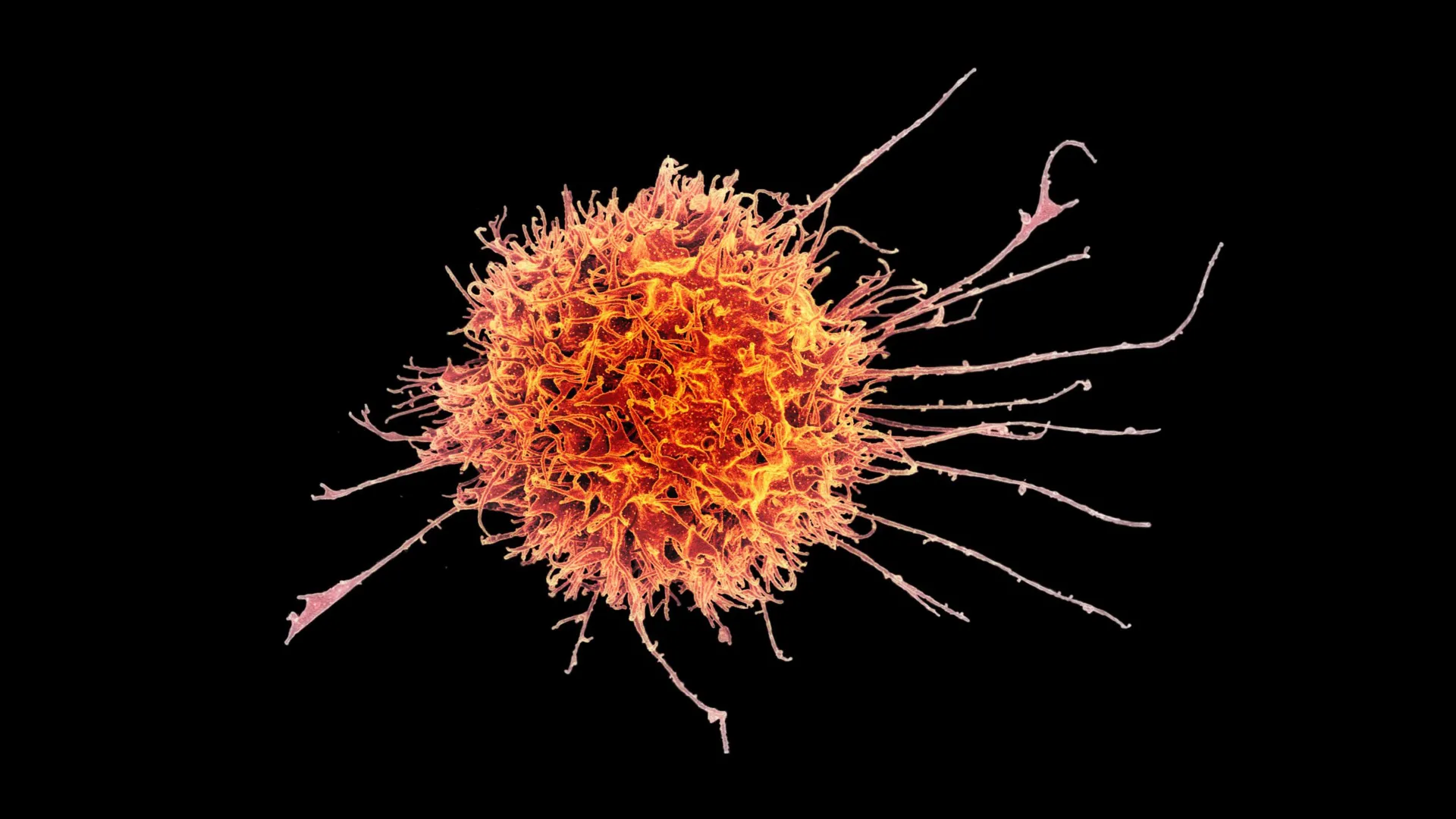
The landscape of modern oncology has been fundamentally reshaped by the advent of cell-based immunotherapies, yet a persistent divide remains between the treatment of liquid and solid cancers. While chimeric antigen receptor (CAR) T-cell therapies have achieved remarkable remission rates in patients with B-cell leukemias and lymphomas, they have largely struggled to replicate this success against solid tumors. These dense, localized masses—ranging from lung and breast cancers to head and neck carcinomas—employ sophisticated physical and chemical defenses that prevent immune cells from entering and surviving within the tumor microenvironment. In a significant breakthrough, researchers at Stanford Medicine and their collaborating partners have unveiled a novel strategy to overcome these barriers by "reprogramming" natural killer (NK) cells into specialized tissue-resident forms capable of infiltrating and destroying solid tumors from the inside out.
The study, published in Science Translational Medicine, details how the research team successfully transformed conventional circulating natural killer cells into a highly aggressive, tissue-resident phenotype. These modified cells demonstrated a superior ability to penetrate the dense architecture of solid tumors in laboratory and animal models, offering a potential "off-the-shelf" solution that could make advanced cell therapy more accessible, affordable, and effective for a broader range of cancer patients.
The Challenge of the Solid Tumor Microenvironment
The primary obstacle in treating solid tumors with immunotherapy is the "cold" nature of the tumor microenvironment (TME). Unlike blood cancers, where malignant cells circulate freely in the bloodstream and are easily accessible to therapeutic cells, solid tumors are essentially biological fortresses. They are surrounded by a dense extracellular matrix and a "stroma" of connective tissue that acts as a physical barrier. Furthermore, solid tumors secrete immunosuppressive signaling molecules, such as transforming growth factor-beta (TGF-b), which can neutralize or even "exhaust" any immune cells that manage to penetrate the mass.
Natural killer cells, a critical component of the innate immune system first identified in the 1970s, were long considered a promising candidate for cell therapy because they do not require prior sensitization to a specific antigen to attack a target. However, conventional NK cells are primarily "circulating" cells; they travel through the blood and lymphatic systems but often fail to take up permanent residence in the specific tissues where solid tumors grow. This lack of "tissue residency" has historically limited their efficacy against non-circulating malignancies.
The Science of Reprogramming: The TGF-b "Goldilocks" Principle
To address the issue of infiltration, the Stanford team, led by John Sunwoo, MD, focused on the biological signals that tell an immune cell to stop circulating and settle into a specific tissue. The researchers discovered that the transition from a circulating NK cell to a tissue-resident NK (trNK) cell is governed by a delicate balance of cellular signals, most notably the protein TGF-b.
In the past, the role of trNK cells in cancer was poorly understood, with conflicting studies suggesting they could either be potent killers or passive bystanders. The Stanford study clarifies this discrepancy by highlighting the importance of the "Goldilocks" principle: the amount and duration of TGF-b exposure determine the cell’s ultimate function.
"If you give just enough of a TGF-b signal, then the natural killer cells become tissue resident with strong toxic activity against malignant cells," explained Dr. Sunwoo. "If you give too much TGF-b, they’re still tissue resident, but they’re inhibited and dysfunctional."
The researchers found that prolonged exposure to high levels of TGF-b—a condition often found within the core of a tumor—eventually exhausts the cells. To solve this, the team developed a "pulsed" exposure method. By briefly exposing human NK cells to short-lived epithelial tumor cells that provide a temporary burst of active TGF-b, the researchers were able to trigger the tissue-residency program without inducing cellular exhaustion. This method also required direct physical contact between the NK cells and the tumor cells, suggesting that secondary, membrane-bound signals are necessary to complete the transformation into a "super-killer" state.
Identifying the Markers of Potency
The study meticulously mapped the molecular differences between effective and ineffective tissue-resident NK cells. Both types expressed the surface proteins CD49a and CD103, which are standard markers for tissue residency. However, only the highly aggressive, cancer-killing cells expressed CD39.
Furthermore, the "programmed" trNK cells were found to possess a significantly higher concentration of cytotoxic "tools." These include perforin, which acts like a biological drill to create holes in the membranes of cancer cells, and granzyme A, a toxic enzyme that enters through those holes to trigger programmed cell death. This molecular profile ensures that once the trNK cell infiltrates the tumor, it is equipped to execute its mission rapidly.
Pre-clinical Success and Combination Therapy
The efficacy of these modified cells was tested against several types of solid tumors, including melanoma and head and neck squamous cell carcinoma. In mouse models, the trNK cells demonstrated a striking ability to slow tumor growth over several weeks.
One of the most significant findings was the synergy observed when the trNK cells were paired with cetuximab. Cetuximab is a monoclonal antibody currently used to treat metastatic colorectal cancer and advanced head and neck cancers. While cetuximab’s effectiveness as a monotherapy is often limited, it acts as a "beacon" for immune cells. When the Stanford team combined their modified trNK cells with cetuximab, they observed a dramatic suppression of tumor growth. In many cases, the combination therapy was far more effective than either treatment alone, with the treated mice remaining healthy 30 days after the initial dose—a point at which control groups had succumbed to the disease.
A Potential "Off-the-Shelf" Revolution
Beyond the biological efficacy, the use of NK cells offers a logistical advantage that could revolutionize the cost and speed of cancer treatment. Most current cell therapies, such as CAR-T, are "autologous," meaning they must be manufactured using the patient’s own cells. This process is time-consuming, expensive (often costing hundreds of thousands of dollars per patient), and carries the risk that the patient’s own immune cells may already be weakened by previous rounds of chemotherapy.
NK cells, however, do not typically cause graft-versus-host disease, meaning they can be harvested from healthy donors and given to different patients without the need for complex genetic matching. Dr. Sunwoo’s team has already developed and applied for a patent on a method to scale this production. They estimate that a single healthy donor could provide enough material to produce approximately 20 doses of treatment in just two weeks. These doses can then be cryopreserved, allowing them to be shipped and administered to patients immediately upon diagnosis.
"It would be almost an off-the-shelf drug," Sunwoo noted. "It could make cell therapy much more accessible to a wider variety of patients."
Chronology of Development and Future Outlook
The journey toward this discovery spans decades of immunological research:
- 1970s: Natural killer cells are first identified and characterized for their innate ability to kill tumor cells.
- 2010s: The rise of CAR-T therapy proves that "living drugs" can cure blood cancers, sparking intense interest in adapting the technology for solid tumors.
- 2018–2022: Stanford researchers investigate the heterogeneity of tissue-resident immune cells, noticing that some populations are more aggressive than others.
- 2023: The specific "Goldilocks" signaling mechanism involving TGF-b is identified, and the method for pulsing NK cells with tumor-derived signals is perfected.
- 2024: Publication of the findings in Science Translational Medicine and the preparation for human trials.
The research team is now moving toward a Phase I clinical trial to test the combination of modified trNK cells and cetuximab in patients with advanced squamous cell carcinoma. Pending approval from the U.S. Food and Drug Administration (FDA), this trial could begin as early as the end of 2024.
Broader Implications for Oncology
The implications of this research extend beyond head and neck cancers. If the "tissue-resident" programming strategy proves successful in humans, it could theoretically be applied to any solid tumor where infiltration is the primary barrier to success. This includes pancreatic cancer, glioblastoma, and lung cancer—diseases that have remained largely resistant to the first wave of immunotherapies.
The study also underscores a shift in immunology toward looking at "tissue-based" rather than "blood-based" immune responses. As bioinformatics and single-cell sequencing tools become more advanced, the ability to tailor immune cells to specific organ environments—such as the liver, lungs, or skin—may become a standard part of personalized cancer care.
While Dr. Sunwoo cautions that results in mice do not always translate perfectly to humans, the "proof of concept" provided by this study offers a clear roadmap for the next generation of cell therapies. By moving from circulating cells to resident hunters, medical science may finally have the tool it needs to breach the defenses of the world’s most stubborn cancers.
The work was supported by several prestigious institutions, including the National Institutes of Health, the Tai Tsun Wu Research Fund for Natural Killer Cell Immunotherapy, and the Stanford Bio-X Fellowship. Contributions from Ohio State University and Washington University School of Medicine highlight the collaborative nature of this milestone in cancer research.
