
 By Suherman Candra Maholtra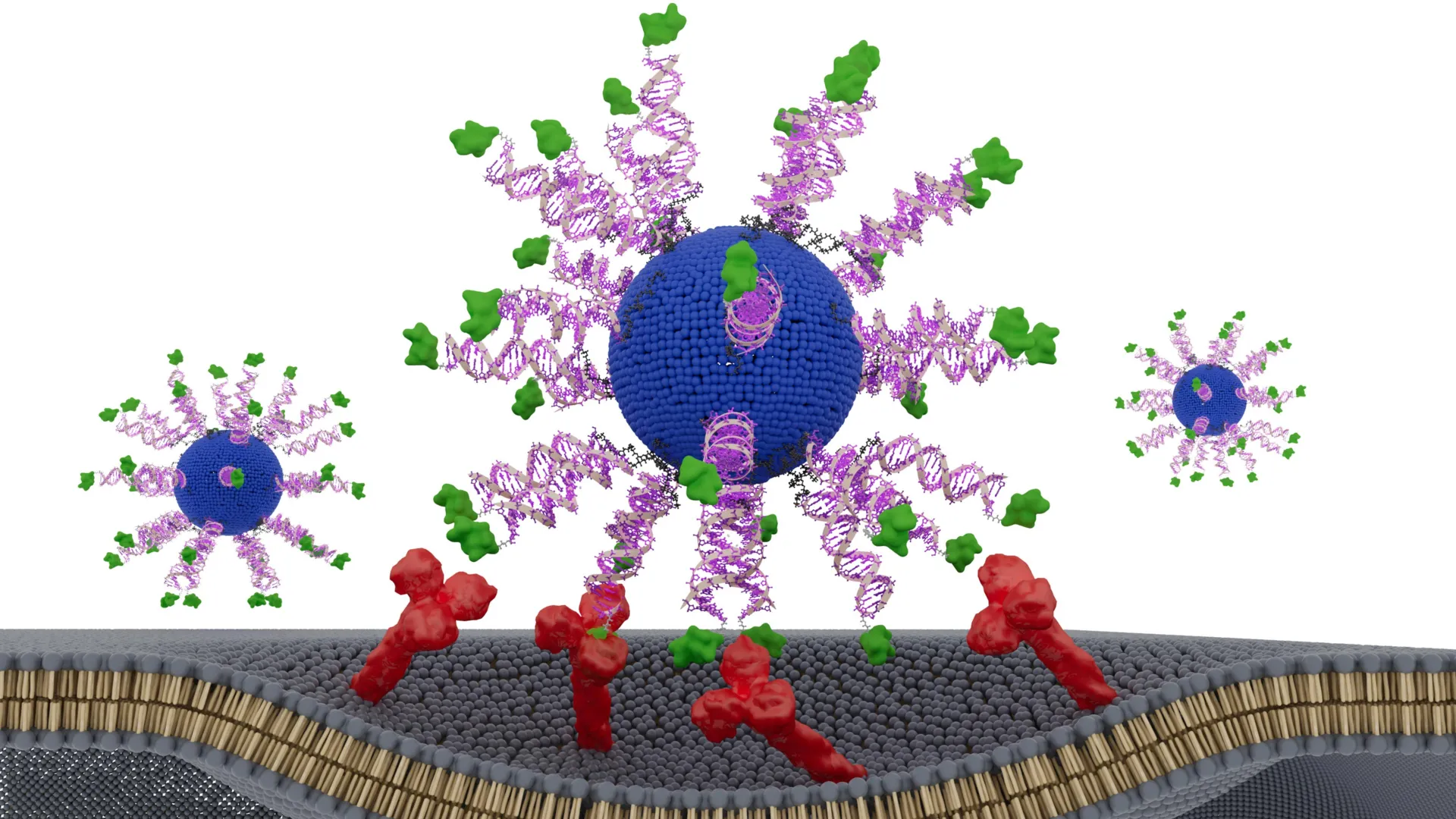
Researchers at Northwestern University have unveiled a paradigm shift in vaccine design, demonstrating that the physical arrangement of vaccine components—rather than just the chemical ingredients themselves—is a primary driver of therapeutic efficacy. Over the last decade, scientists at the institution have refined a concept known as "structural nanomedicine," which posits that the spatial orientation of antigens and adjuvants at the nanoscale can determine the difference between a negligible immune response and a potent, tumor-destroying reaction. In a study published February 11 in the journal Science Advances, a team led by nanotechnology pioneer Chad A. Mirkin applied this principle to therapeutic vaccines for human papillomavirus (HPV)-driven cancers, finding that a subtle adjustment in the position of a single peptide could significantly amplify the immune system’s ability to eradicate tumors.
The Evolution of Structural Nanomedicine
Traditional vaccine development has long relied on what Dr. Mirkin describes as the "blender approach." In this conventional model, researchers identify necessary components—such as antigens (the targets for the immune system) and adjuvants (the stimulants that alert the immune system)—and mix them into a single formulation. While this method has been successful for many infectious diseases, it lacks precise control over how those components interact with immune cells at a molecular level.
The emergence of structural nanomedicine seeks to move beyond these unstructured mixtures. The field is built upon the foundation of Spherical Nucleic Acids (SNAs), a class of nanostructures invented by Mirkin. Unlike linear DNA or RNA found in nature, SNAs consist of a dense shell of oligonucleotides arranged in a spherical geometry around a nanoparticle core. This unique architecture allows SNAs to enter cells more effectively than their linear counterparts and provides a scaffold for the precise placement of other medicinal components.
The recent study represents a culmination of years of validation. By treating the vaccine as a piece of engineered architecture rather than a chemical soup, the Northwestern team has demonstrated that they can build "better medicines from the bottom up." This approach is particularly critical for therapeutic cancer vaccines, which must not only prevent infection but also train the immune system to identify and destroy established, complex malignant cells.
Addressing the Global Burden of HPV-Positive Cancers
The research focused specifically on cancers driven by the human papillomavirus (HPV), a group of viruses that are the primary cause of cervical cancer and a rapidly increasing number of head and neck cancers globally. According to the World Health Organization (WHO), cervical cancer remains the fourth most common cancer in women, with hundreds of thousands of deaths annually. Furthermore, the Centers for Disease Control and Prevention (CDC) notes that HPV-associated oropharyngeal (head and neck) cancers have surpassed cervical cancer as the most common HPV-related malignancy in the United States.
While prophylactic vaccines like Gardasil are highly effective at preventing the initial infection, they offer no therapeutic benefit to patients who have already developed HPV-positive tumors. For these patients, the challenge lies in activating CD8+ "killer" T cells—the immune system’s most specialized units for seeking out and destroying cancerous cells. The Northwestern study aimed to address this clinical gap by designing an SNA-based therapeutic vaccine that could maximize T-cell activation through structural optimization.
Experimental Design: Orientation and Position at the Nanoscale
To test the influence of structure on vaccine performance, the researchers developed a vaccine platform featuring a lipid nanoparticle core surrounded by immune-activating DNA. They incorporated a specific peptide fragment from an HPV protein already present in tumor cells to serve as the antigen.
The team created three distinct vaccine configurations, all using identical ingredients and dosages. The only variable was the placement of the HPV-derived peptide:
- Encapsulated Design: The peptide was hidden inside the core of the nanoparticle.
- Surface-Attached (C-terminus): The peptide was displayed on the exterior of the SNA, attached via its C-terminus (the "tail" end of the protein chain).
- Surface-Attached (N-terminus): The peptide was displayed on the exterior, attached via its N-terminus (the "head" end of the protein chain).
The researchers evaluated these designs in humanized animal models of HPV-positive cancer and in tumor samples obtained from patients with head and neck cancer. This dual approach ensured that the findings were relevant to human biology and actual clinical pathology.
Data Analysis: The Power of Geometric Precision
The results were stark and consistent. The version of the vaccine that presented the antigen on the surface via its N-terminus outperformed the other configurations by a wide margin. This specific arrangement triggered a massive increase in the production of interferon-gamma, a critical signaling molecule that coordinates the immune attack on tumors. Specifically, the N-terminus surface design produced up to eight times more interferon-gamma compared to the encapsulated version.
In animal models, this structural optimization translated to:
- Slower Tumor Growth: The N-terminus vaccine significantly inhibited the progression of HPV-positive tumors.
- Increased Survivability: Animals treated with the optimized SNA lived substantially longer than those treated with unstructured or poorly structured versions.
- Superior T-Cell Activity: The vaccine generated a higher density of highly active, tumor-infiltrating CD8+ T cells.
When the optimized vaccine was applied to tumor samples from human patients with head and neck cancer, the results were equally compelling. The researchers observed a twofold to threefold increase in the killing of cancer cells compared to the other designs. This suggests that the human immune system is highly sensitive to the geometry and orientation of molecules presented to it. By optimizing the "presentation" of the antigen, the researchers made it easier for immune cells to process the information and launch a counterattack.
Chronology of SNA Development and Clinical Progress
The success of the HPV study is part of a broader timeline of SNA development at Northwestern. Since Chad Mirkin first introduced the concept, the International Institute of Nanotechnology has explored the use of SNAs across various therapeutic areas.
- Preclinical Success: Before the HPV study, the structural nanomedicine strategy was successfully applied to vaccines for melanoma, prostate cancer, colon cancer, and triple-negative breast cancer.
- Commercial Integration: SNAs have already transitioned from the laboratory to the market, with more than 1,000 commercial products currently incorporating the technology.
- Clinical Trials: To date, seven SNA-based drugs have entered human clinical trials. These trials cover a range of applications, from oncology to dermatology and neurology, demonstrating the versatility of the platform.
Professional Perspectives and Reactions
The study was a collaborative effort between the International Institute of Nanotechnology and the Northwestern University Feinberg School of Medicine. Dr. Jochen Lorch, the medical oncology director of the Head and Neck Cancer Program at Northwestern Medicine and co-leader of the study, emphasized that the breakthrough was achieved without the need for new drugs or higher doses.
"The immune system is sensitive to the geometry of molecules," Lorch noted. "By optimizing how we attach the antigen to the SNA, the immune cells processed it more efficiently. This effect did not come from adding new ingredients; it came from presenting the same components in a smarter way."
Dr. Mirkin added that this precision allows for a "bottom-up" approach to medicine. He compared the current state of vaccine technology to the early days of small-molecule drug development, noting that while COVID-19 mRNA vaccines are effective, they still lack the structural uniformity that could lead to even higher efficacy and lower toxicity.
Broader Implications: AI and the Future of Vaccine Design
The findings have profound implications for the future of drug development. One of the most significant potential outcomes is the "revival" of failed vaccine candidates. Mirkin intends to use these structural principles to reexamine earlier vaccines that showed promise in the lab but failed in clinical trials. It is possible that these vaccines contained the correct ingredients but were delivered in an suboptimal configuration. By restructuring these existing components, researchers may be able to transform "failed" drugs into potent therapies.
Furthermore, the team anticipates that artificial intelligence (AI) and machine learning will play a pivotal role in the next phase of structural nanomedicine. Given the thousands of variables involved in vaccine configuration—such as particle size, density of DNA, and the specific orientation of multiple antigens—AI can be used to model and predict which arrangements will yield the highest immune response. This would drastically reduce the time and cost associated with experimental trial and error.
Conclusion: A New Standard for Nanovaccines
The Northwestern study reinforces the idea that in the world of nanomedicine, structure is not a secondary concern but a primary determinant of function. The demonstration that a simple change in the orientation of an HPV peptide can increase immune response by 800% challenges the industry to move away from the "blender approach" and toward a more disciplined, engineering-based methodology.
As structural nanomedicine continues to evolve, it offers a framework for more effective, less toxic, and more predictable therapies. The research supported by the National Cancer Institute and the Lefkofsky Family Foundation signals a future where the design of a vaccine is as carefully considered as its chemical composition, potentially leading to a new generation of treatments for some of the world’s most challenging cancers.
