
 By admin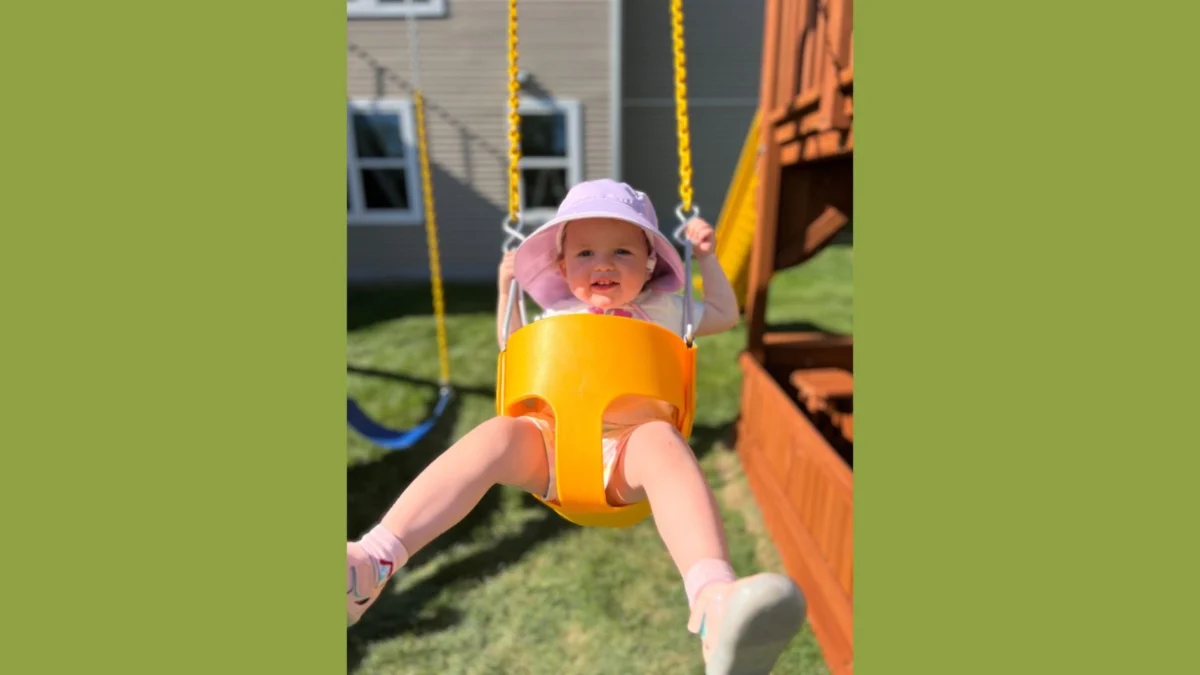
The landscape of pediatric oncology is undergoing a significant shift as precision medicine and compassionate use protocols begin to offer new pathways for children diagnosed with high-risk malignancies. For families navigating the complexities of rare cancers, the traditional metrics of success—often defined by rigid clinical milestones—are being replaced by a more holistic approach that prioritizes both the quantity and quality of life. This paradigm shift is exemplified by the case of two-year-old Emma, whose battle with a rare form of Acute Myeloid Leukemia (AML) highlights the critical intersection of clinical innovation, community support, and the urgent need for targeted research funding.
In the specialized world of pediatric hematology, the "ringing of the bell" traditionally marks the conclusion of a grueling treatment regimen. However, for patients facing aggressive diagnoses with low survival probabilities, families and care teams are increasingly adopting a "celebrate everything" philosophy. This approach involves marking every minor victory—from successfully completing a round of medication to reaching a specific day post-transplant—as a significant milestone. This shift in perspective is not merely emotional; it reflects a broader movement in medicine toward patient-centered care, where the psychological resilience of the family is viewed as a vital component of the clinical outcome.
The Diagnostic Challenge: Understanding AML with RAM Phenotype
The medical journey for Emma began with non-specific symptoms, a common and often frustrating hurdle in pediatric oncology. Initially suspected to be a routine virus or a urinary tract infection, her condition failed to improve with standard antibiotics. It was only after a visit to the emergency department at Children’s Minnesota that the gravity of the situation became clear. When the family was directed to the seventh floor—the hematology and oncology unit—they were introduced to a reality that few parents are prepared to face.
Emma was diagnosed with Acute Myeloid Leukemia (AML) featuring the RAM phenotype. AML is a cancer of the blood and bone marrow characterized by the rapid growth of abnormal white blood cells. While AML accounts for about 20% of childhood leukemias, the RAM (Recurrent AML) phenotype is a particularly aggressive and rare subset. Historically, the RAM phenotype has been associated with a dismal prognosis, with survival rates hovering around 15%. This specific strain is known for its resistance to conventional chemotherapy, often requiring more intensive interventions and higher-risk procedures like bone marrow transplants much earlier in the treatment cycle.
The timing of the diagnosis added a layer of poignancy to the clinical crisis. Emma began her first round of chemotherapy on her second birthday. In a departure from standard celebrations, her medical team, led by oncologist Dr. Megan, became her primary circle of support. This intersection of a major developmental milestone with a life-threatening diagnosis underscores the disruptive nature of pediatric cancer, which often halts the normal progression of childhood.

Navigating Treatment: The Role of Compassionate Use and Experimental Therapy
Faced with a 15% survival rate under standard protocols, Emma’s parents, Ashley and Jacob, collaborated with her medical team to explore alternative treatment avenues. The standard of care for pediatric AML typically involves months of continuous inpatient hospital stays, as the high-dose chemotherapy required to kill leukemia cells also destroys the patient’s immune system, leaving them vulnerable to life-threatening infections.
To mitigate these risks and improve Emma’s quality of life, the team turned to "compassionate use," also known as expanded access. This regulatory pathway allows patients with immediately life-threatening conditions to gain access to investigational medical products outside of traditional clinical trials. Through this program, Emma was able to receive newer, targeted drugs that were less toxic than traditional cytotoxic chemotherapy.
The results of this experimental approach were twofold. First, it allowed for a decentralized care model. Instead of being confined to hospital hallways, Emma spent much of her summer at home, playing on playgrounds and participating in soccer. This physical activity is increasingly recognized by oncologists as a key factor in maintaining organ function and psychological health during treatment. Second, the lower intensity of the newer drugs allowed her body to remain stronger heading into the next phase of care. According to her medical team, Emma’s physical condition was remarkably robust, with one doctor noting that her progress exceeded expectations for such a high-risk diagnosis.
Chronology of a High-Stakes Recovery
The timeline of Emma’s treatment illustrates the rapid and intense nature of pediatric leukemia care:
- Initial Diagnosis (Early 2025): Presentation of symptoms including fatigue and pain; initial misdiagnosis of a virus/UTI.
- Admission and Induction (Birthday, 2025): Formal diagnosis of AML-RAM; commencement of first-round chemotherapy.
- Consolidation and Experimental Phase (Summer 2025): Transition to compassionate use drugs; home-based care and maintenance of physical activity.
- Bone Marrow Transplant (Late Summer 2025): An intensive procedure involving the replacement of damaged bone marrow with healthy stem cells to restore blood cell production.
- The 100-Day Milestone (October 2025): Achievement of the critical post-transplant window. In transplant medicine, the first 100 days are vital, as this is when the risks of graft-versus-host disease (GVHD) and opportunistic infections are highest.
- Long-Term Maintenance (2025–2027): A planned two-year period of frequent follow-ups and maintenance therapy to prevent relapse.
As of late 2025, Emma’s projected survival rate has been adjusted by her doctors from 15% to nearly 50%. While a 50% chance remains a harrowing statistic for any parent, it represents a nearly three-fold increase in survival probability, directly attributed to the integration of research-driven experimental therapies.
Supporting Data: The Funding Gap in Pediatric Cancer Research
The progress seen in cases like Emma’s is heavily dependent on private research funding, a fact that highlights a systemic issue in the American medical landscape. According to the National Cancer Institute (NCI), only about 4% of federal funding for cancer research is directed specifically toward pediatric cancers. This "4% problem" means that rare subtypes like AML-RAM often rely on the advocacy of non-profit organizations and private donors to bridge the gap.
Research into AML-RAM is particularly resource-intensive because the patient population is small, making it difficult to conduct large-scale clinical trials. However, the insights gained from these rare cases often lead to breakthroughs in how more common cancers are treated. The use of targeted therapies that allow for outpatient care, for instance, is a direct result of specialized research into the molecular drivers of leukemia.
Community Integration and Holistic Support
While clinical interventions are the primary drivers of survival, the role of community support in the "quality of life" equation cannot be overstated. Throughout Emma’s eight months of active treatment and 67 nights in the hospital, various community initiatives provided essential support.
Local nonprofits, such as Wishes and More, contributed to Emma’s physical environment by installing a backyard swing set, providing a safe space for outdoor play during periods of immunosuppression. Additionally, a "craft train" organized by community members ensured that Emma and her sister, Nora, had constant cognitive and social engagement. These interventions serve a clinical purpose: they reduce the trauma of long-term medicalization and help the child maintain a sense of identity beyond their diagnosis.
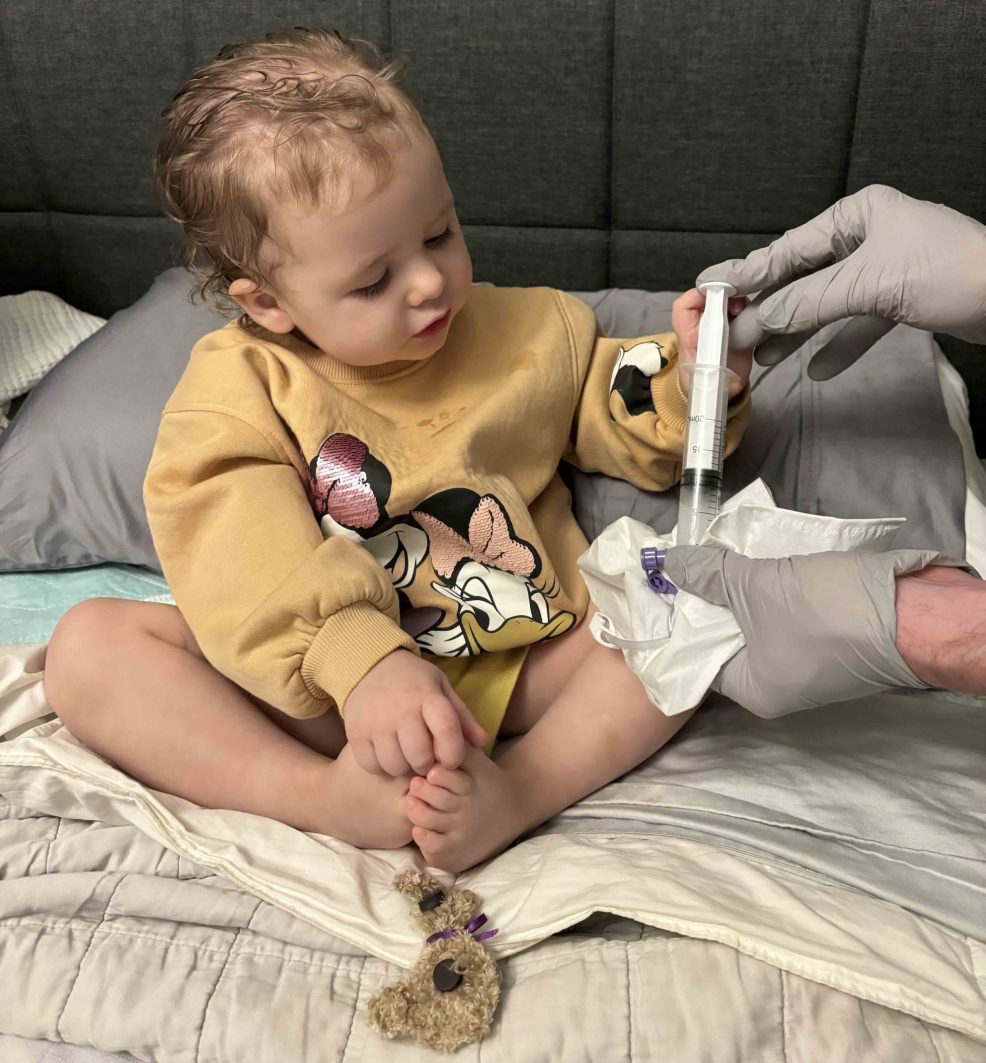
Emma’s story also highlights the unique psychological landscape of "cancer-interwoven childhood." For a two-year-old, the hospital becomes a familiar environment. Emma’s comfort items—hospital socks and a stuffed animal named after a therapy dog—demonstrate how children normalize the clinical setting. The "See you later, alligator!" farewells to nurses and doctors suggest a level of social integration into the medical team that is both heartwarming and a stark reminder of the time lost to the disease.
Broader Impact: The Pediatric AML Collaborative
In response to the challenges faced by families like Emma’s, the Children’s Cancer Research Fund (CCRF) has launched the Pediatric AML Collaborative. This national coalition is designed to unify the efforts of clinicians, researchers, and foundations across the United States. The goal is to move away from siloed research and toward a coordinated scientific strategy.
The Collaborative focuses on three primary pillars:
- Accelerated Research: Funding high-impact studies specifically targeting the most aggressive and rare forms of AML.
- Resource Unification: Creating a shared database of clinical findings to help doctors nationwide treat rare phenotypes with the latest data.
- Family Advocacy: Providing a platform for families to share their stories and influence the direction of future research.
By focusing on "laying down enough road" in front of current patients, the Collaborative aims to ensure that the momentum gained from individual successes like Emma’s is translated into a new standard of care for all children.
Analysis of Implications: The Future of Rare Leukemia Care
The transition of Emma’s survival odds from 15% to 50% is a significant milestone, but it also serves as a call to action. The fact that such an improvement was possible through compassionate use drugs suggests that there are existing scientific solutions that have yet to be codified into standard hospital protocols.
The move toward home-based treatment for pediatric cancer patients represents a major shift in oncology. It acknowledges that the hospital environment, while necessary for acute care, can be detrimental to a child’s developmental and psychological health. As precision medicine continues to evolve, the "one-size-fits-all" approach of month-long inpatient stays may eventually become obsolete for many patients.
Furthermore, Emma’s case underscores the importance of the "whiteboard" in the kitchen—the logistical burden placed on families. Even with successful treatment, the long-term risks of medications, including potential heart damage, secondary cancers, and developmental delays, require lifelong vigilance. The goal of modern research is not just to ensure survival, but to minimize these long-term "costs" of the cure.
For the medical community, Emma’s journey is a testament to the efficacy of aggressive, research-backed intervention. For families, it is a source of hope that can be found in the "middle of the night" when searching for answers. As Ashley, Emma’s mother, noted, the goal of sharing this story is to show that supporting childhood cancer research has a measurable, life-saving impact. The "fighting chance" given to Emma is the direct result of a decade of incremental scientific progress, and it serves as a blueprint for the future of pediatric oncology.
