
 By admin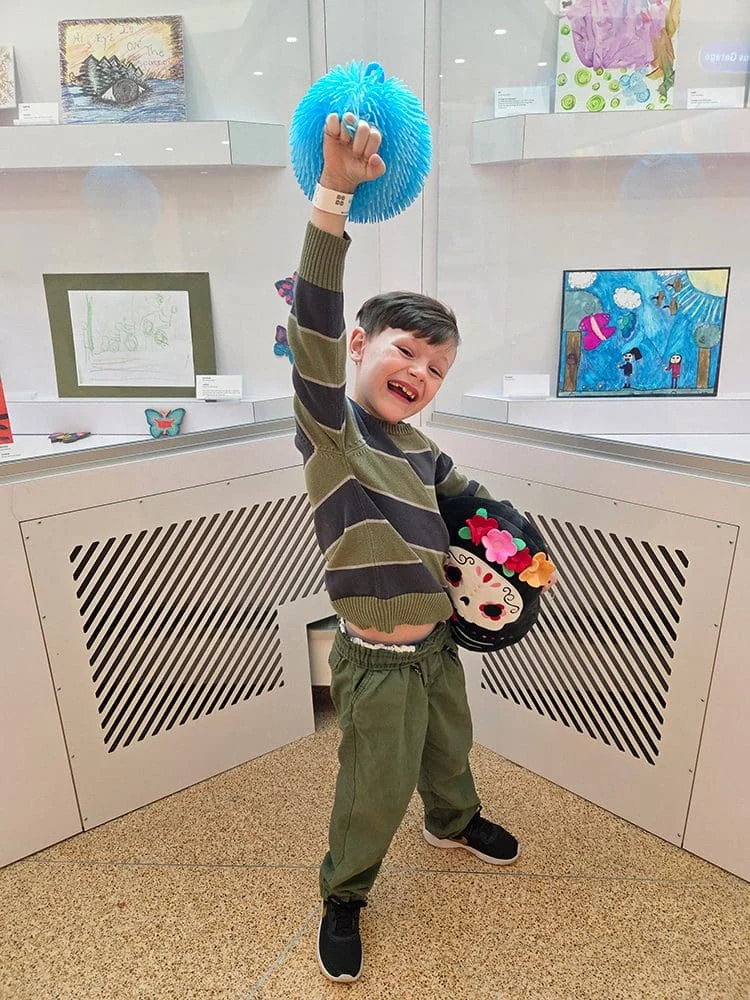
The observance of Cancer Survivors Month this June has catalyzed a renewed national focus on the funding of pediatric oncology research, with leading advocacy groups setting ambitious financial targets to support the next generation of medical scientists. Central to this month’s initiatives is a strategic drive to secure $37,500 in immediate funding—a sum designated to sustain a "Young Investigator" for a six-month tenure. This movement emphasizes a shift in pediatric care philosophy: transitioning from a focus on mere survival to a standard of "thriving," ensuring that children who overcome malignancy do so with minimal long-term physiological debt.
As the medical community evaluates the progress of pediatric oncology, the case of a young patient named Elias serves as a primary example of the efficacy of clinical trials and the critical role of innovative research. Diagnosed at the age of three with Acute Megakaryoblastic Leukemia (AMKL), Elias’s journey highlights both the severity of rare pediatric cancers and the life-altering potential of targeted therapeutic interventions. The success of his treatment protocol, which deviated from standard high-toxicity regimens, underscores the necessity of continued investment in specialized research roles.
The Clinical Landscape of Acute Megakaryoblastic Leukemia
Acute Megakaryoblastic Leukemia (AMKL) represents a rare and highly aggressive subtype of Acute Myeloid Leukemia (AML). In the pediatric population, it is characterized by the malignant proliferation of megakaryoblasts—the precursor cells to platelets. While AMKL is frequently associated with Down Syndrome in children, where it often carries a more favorable prognosis, it also occurs in non-Down Syndrome pediatric patients, where it has historically been associated with lower survival rates and higher resistance to conventional chemotherapy.
The diagnostic process for Elias began with the observation of non-specific symptoms, specifically unexplained bruising resulting from minor physical contact. This clinical sign, often indicative of thrombocytopenia (a deficiency in platelets), prompted immediate hematological testing. The subsequent referral to a specialized children’s hospital led to the AMKL diagnosis, a moment that typically marks the beginning of an intensive, multi-phase treatment plan.
In Elias’s case, the medical team presented an alternative to the standard of care: enrollment in a clinical trial. These trials are essential for the advancement of pediatric oncology, as they allow researchers to test novel drugs or combinations that aim to maintain high efficacy while reducing the "late effects" common in childhood cancer survivors. For Elias, the trial focused on a treatment designed to be less cardiotoxic—addressing one of the most significant risks associated with pediatric anthracyclines and other intensive chemotherapies.
Chronology of Treatment and the Impact of Global Health Crises
The timeline of Elias’s treatment provides a clear view of the rigors of inpatient pediatric oncology. Following his diagnosis at age three, treatment commenced within a week. The subsequent eight months were spent almost entirely within the confines of the hospital. This duration was necessitated by the aggressive nature of the chemotherapy, which induces profound immunosuppression, rendering the patient highly susceptible to life-threatening infections.
The complexity of Elias’s hospitalization was compounded by the timing of the COVID-19 pandemic. During this period, hospital protocols were drastically altered to mitigate the risk of viral transmission. For pediatric patients, this meant the implementation of strict "no visitor" policies, isolating families from their broader support networks during the most critical phases of treatment. The psychological and emotional burden of this isolation is a factor that medical staff and patient advocates increasingly recognize as a core component of the "survivor’s journey."
Throughout the eight-month stay, Elias faced severe side effects, including mucositis—a common but debilitating complication where the lining of the digestive tract breaks down, leading to painful sores and the inability to ingest food. The management of such symptoms often requires the use of heavy analgesics, including morphine, highlighting the physical toll that even "innovative" treatments can take on a developing body.
The Social Dynamics of the Pediatric Ward: "The Mayor of 9B"
Despite the physiological strain, the narrative of Elias’s recovery is notable for its focus on patient resilience and the humanization of the clinical environment. Elias became a central figure on the hospital’s oncology floor, earning the moniker "The Mayor of 9B." By engaging with other patients and hospital staff, Elias demonstrated the importance of social interaction in pediatric recovery.
His daily activities—ranging from racing the hospital’s industrial cleaning equipment (the "zamboni") to assisting maintenance staff with minor tasks—served as a form of informal occupational therapy. This level of engagement is frequently cited by child life specialists as a key indicator of psychological resilience, which can correlate with better adherence to treatment protocols and overall improved outcomes. The culmination of his inpatient stay was marked by a symbolic departure: riding the hospital zamboni through the exit doors, a milestone that signaled the end of his acute treatment phase and the beginning of his transition back into the community.
Supporting Data: The Funding Gap and the Role of Young Investigators
The push for $37,500 to fund a Young Investigator reflects a broader systemic issue in cancer research. While cancer is the leading cause of death by disease in children in the United States, pediatric cancer research receives a disproportionately small fraction of federal funding compared to adult cancers. According to data from various advocacy groups, only approximately 4% of the National Cancer Institute’s (NCI) budget is traditionally allocated specifically to childhood cancer research.
This funding gap necessitates a heavy reliance on private philanthropy and non-profit organizations. The "Young Investigator" grants are designed to bridge this gap by supporting early-career scientists who are often at the forefront of "bold, innovative research." These researchers are typically responsible for the laboratory work that leads to new clinical trials, such as the one that provided Elias with a less toxic treatment path.
The financial target of $37,500 is calculated based on the costs associated with laboratory resources, specialized equipment, and the stipends required to allow a researcher to focus exclusively on pediatric oncology. By securing these funds, advocacy organizations ensure that the pipeline of new treatments remains active, moving away from the "one-size-fits-all" approach of the past toward precision medicine.
Official Responses and Strategic Implications
Medical professionals and advocacy leaders emphasize that the success seen in patients like Elias is not a matter of chance, but the result of decades of incremental scientific progress. Statements from oncology researchers suggest that the current priority is the "Survivorship Program," a specialized area of medicine that monitors long-term outcomes.
Elias’s official entry into a survivorship program in April 2025 marks a significant clinical milestone. Survivorship programs are essential because more than 80% of childhood cancer survivors develop chronic health conditions by the time they reach age 45. These conditions can include secondary cancers, endocrine disorders, and, most notably, cardiovascular disease. The fact that Elias’s heart remains in "perfect" condition years after his AMKL treatment is a direct validation of the clinical trial he participated in, which prioritized long-term cardiac health.
The broader implication of this success is the push for universal access to such trials. Currently, access to cutting-edge pediatric clinical trials is often limited to patients treated at major academic medical centers. Organizations are working to expand this access, ensuring that every child, regardless of geographic location, can benefit from the latest advancements in targeted therapy.
Analysis of Future Outlook and Resilience
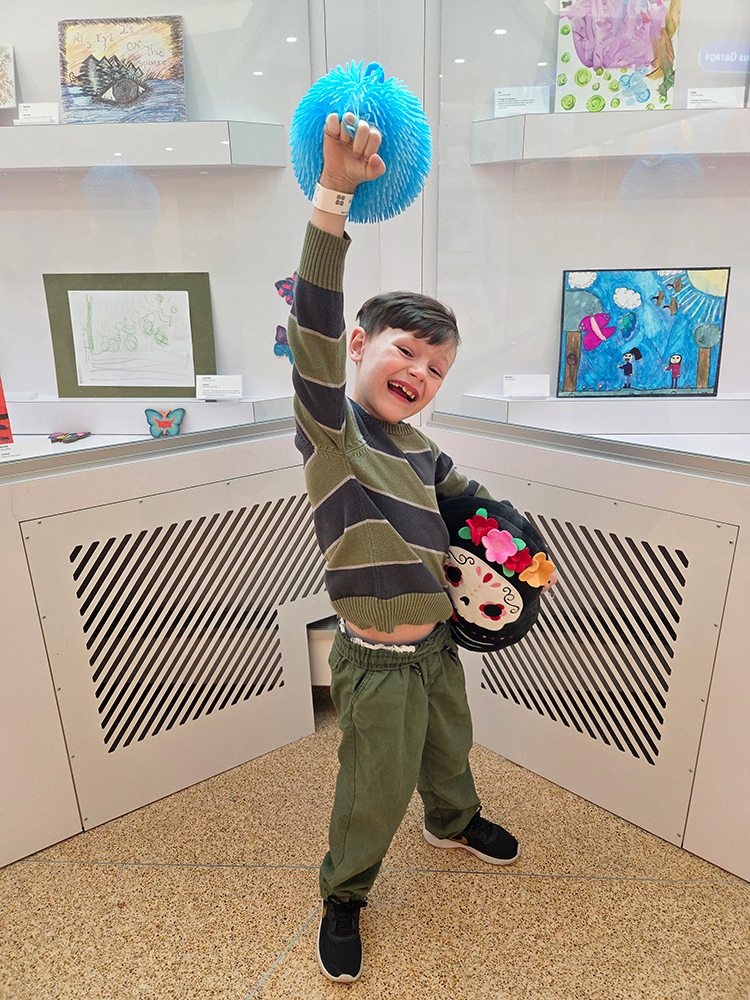
As Elias approaches his 8th birthday on June 11, his case provides a framework for understanding the future of pediatric oncology. His aspirations—to become an engineer or a nurse—reflect a return to normalcy that was once rare for children diagnosed with aggressive leukemias like AMKL.
However, the medical community remains cautious. The "mission" outlined for Cancer Survivors Month acknowledges that while survival rates have improved, the quality of that survival remains a critical area for improvement. The goal is to eliminate the "grueling" aspects of treatment that Elias endured, such as the need for morphine to manage mucositis or the long-term isolation necessitated by a depleted immune system.
The investment in Young Investigators is seen as the primary vehicle for this change. These researchers are currently exploring immunotherapy, CAR-T cell therapy, and genomic sequencing to identify specific mutations in a child’s cancer, allowing for even more precise interventions. For the advocacy community, the story of Elias is both a celebration of what has been achieved and a reminder of the work that remains. The drive to raise $37,500 by the end of June is a tactical step in a much larger strategy to redefine the standard of care for the thousands of children diagnosed with cancer each year.
In conclusion, the intersection of Cancer Survivors Month and the narrative of patients like Elias highlights a pivotal moment in pediatric medicine. Through the combination of philanthropic support, innovative clinical trials, and the dedication of early-career researchers, the oncology field is moving toward a future where "The Mayor of 9B" is not an exception, but the standard outcome for every child facing a cancer diagnosis. The focus remains steadfast: ensuring that every survivor has the opportunity to grow, create, and thrive in a world beyond the hospital walls.
