
 By Nana O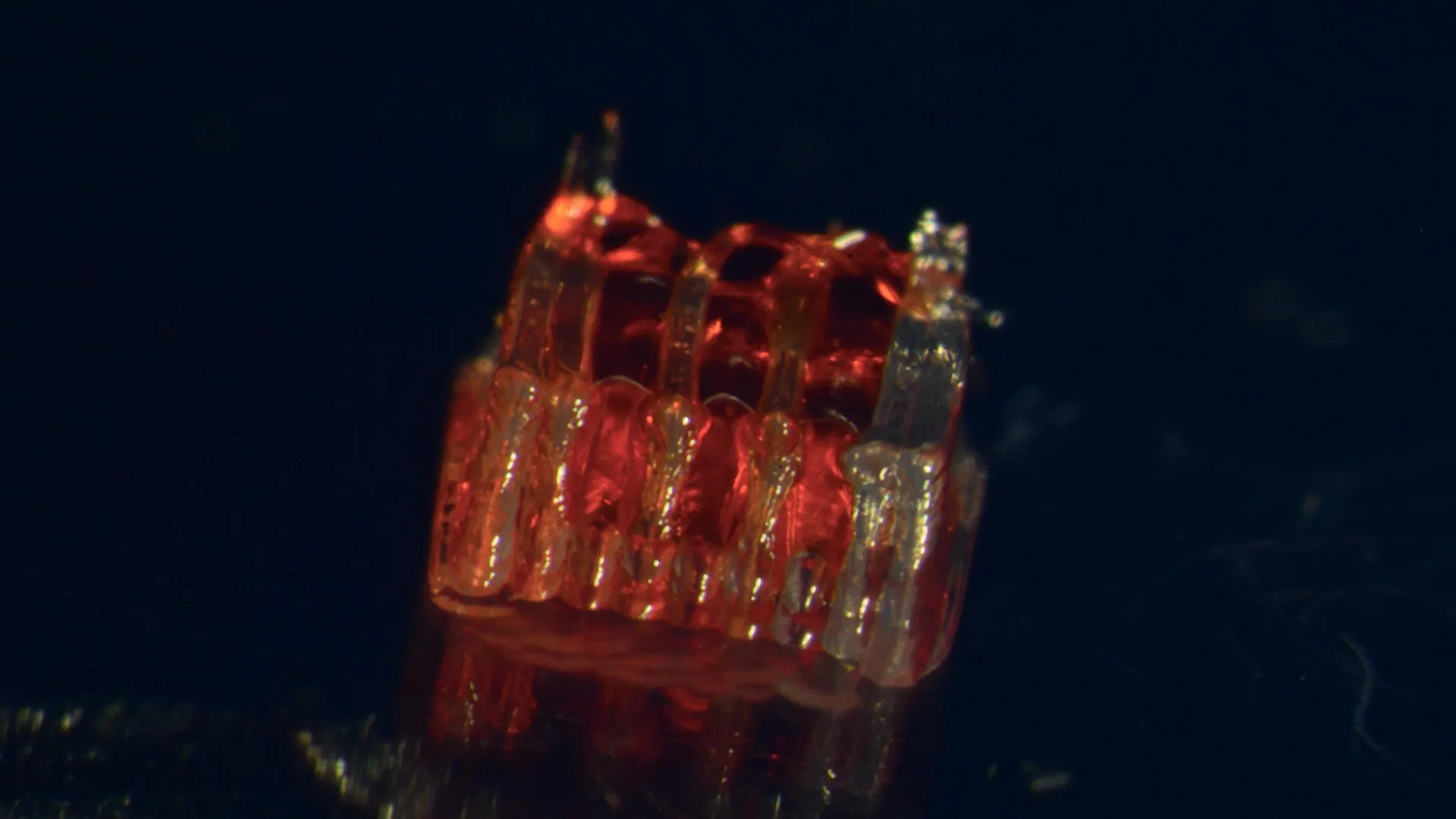
A pioneering breakthrough in regenerative medicine has emerged from the University of Minnesota Twin Cities, where researchers have successfully combined advanced 3D printing technology with cutting-edge stem cell biology and lab-grown tissues to address the devastating consequences of spinal cord injuries. This groundbreaking work, detailed in the prestigious peer-reviewed journal Advanced Healthcare Materials, represents a significant leap forward in the quest for therapies that can reverse paralysis and restore function after severe spinal cord damage.
The Unmet Need: Spinal Cord Injury and the Challenge of Regeneration
Spinal cord injuries (SCIs) represent a profound public health challenge, impacting the lives of hundreds of thousands of individuals. According to the National Spinal Cord Injury Statistical Center, the United States alone has a population exceeding 300,000 individuals living with SCIs. The severity of these injuries can range from partial to complete loss of motor and sensory function, leading to paralysis and a lifelong dependence on assistance. Despite decades of intensive research, a definitive cure or a method for complete reversal of damage and paralysis has remained elusive.
The primary obstacles to recovery stem from the inherent biological limitations of the central nervous system. Following an injury, nerve cells (neurons) within the spinal cord undergo significant cell death. Furthermore, the mature nerve fibers, known as axons, that are crucial for transmitting signals between the brain and the rest of the body, possess a very limited capacity for regrowth across the site of injury. This inability to bridge the gap creates a functional disconnect, resulting in paralysis. Current treatment strategies largely focus on managing symptoms, rehabilitation, and preventing secondary complications, rather than directly repairing the damaged neural circuitry.
A Novel Approach: The 3D-Printed Organoid Scaffold
The research team at the University of Minnesota has developed a novel approach that directly confronts these regenerative barriers. Their innovative method centers on the creation of a specialized 3D-printed framework, termed an "organoid scaffold," designed to mimic the intricate structure of the spinal cord. This scaffold is not merely a passive support; it is engineered with microscopic channels that provide a precisely controlled environment for the growth and organization of specialized stem cells.
The process begins with the 3D printing of these intricate scaffolds. These structures are then seeded with regionally specific spinal neural progenitor cells (sNPCs). sNPCs are a particularly promising type of cell derived from human adult stem cells. Their key characteristic is their plasticity: they possess the remarkable ability to divide and differentiate into various specific types of mature cells, including the crucial neurons and glial cells that form the nervous system.
Dr. Guebum Han, a former postdoctoral researcher in mechanical engineering at the University of Minnesota and the first author of the study, explained the significance of this controlled growth environment. "We use the 3D printed channels of the scaffold to direct the growth of the stem cells, which ensures the new nerve fibers grow in the desired way," Dr. Han stated. "This method creates a relay system that when placed in the spinal cord bypasses the damaged area." This "relay system" concept is central to the technology’s potential. Instead of attempting to force regeneration across a scar or a gap, the scaffold acts as a biological bridge, guiding the new neural growth to reconnect with existing pathways.
Pre-Clinical Success: Demonstrating Functional Recovery in Animal Models
The efficacy of this innovative approach was rigorously tested in a pre-clinical setting. The researchers transplanted these engineered organoid scaffolds into rats that had sustained completely severed spinal cords. This severe injury model provides a robust test of the scaffold’s ability to facilitate regeneration and functional recovery.
The results were highly encouraging. The sNPCs within the scaffold not only survived but also successfully differentiated into mature neurons. Crucially, these newly formed neurons extended their axons in both directions – rostral (towards the head) and caudal (towards the tail) – effectively bridging the severed spinal cord. These outgrowing nerve fibers then formed new connections with the host’s existing neural circuits, re-establishing functional communication pathways.
Over time, the researchers observed that the new nerve cells integrated seamlessly into the host spinal cord tissue. This integration was not merely structural; it translated into significant functional recovery in the experimental animals. While the specific metrics of recovery were not detailed in the initial announcement, the implication of "significant functional recovery" in such a severe injury model is profound. It suggests that the new neural connections were capable of transmitting signals effectively enough to restore some degree of motor or sensory control.
The Vision for Clinical Translation: "Mini Spinal Cords" for Human Patients
The potential implications of this research for human patients are immense. Ann Parr, a professor of neurosurgery at the University of Minnesota and a key figure in the study, expressed optimism about the future of this technology. "Regenerative medicine has brought about a new era in spinal cord injury research," Professor Parr commented. "Our laboratory is excited to explore the future potential of our ‘mini spinal cords’ for clinical translation." The term "mini spinal cords" aptly describes the engineered organoids, highlighting their function as functional neural conduits.
While the current research is still in its nascent stages, it represents a paradigm shift in how spinal cord injuries are approached. Instead of solely focusing on mitigating damage or managing long-term disability, this work offers a tangible pathway toward actual repair and regeneration. The team’s immediate goals include scaling up the production of these organoid scaffolds and refining the combination of 3D printing, stem cell biology, and tissue engineering for future clinical applications.
A Multidisciplinary Endeavor and Funding Support
The success of this ambitious project underscores the power of interdisciplinary collaboration. The research team comprised experts from various departments at the University of Minnesota, including Mechanical Engineering (Hyunjun Kim, Michael McAlpine, and Guebum Han), Neurosurgery (Nicolas S. Lavoie, Nandadevi Patil, Olivia G. Korenfeld, and Ann Parr), and Neuroscience (Manuel Esguerra). The team also benefited from the expertise of Daeha Joung from the Department of Physics at Virginia Commonwealth University, highlighting the broad reach of this scientific endeavor.
This groundbreaking research was made possible through significant financial support from several key organizations. Funding was provided by the National Institutes of Health (NIH), a primary driver of biomedical research in the United States. Additional support came from the State of Minnesota Spinal Cord Injury and Traumatic Brain Injury Research Grant Program, underscoring state-level commitment to addressing these debilitating conditions. The Spinal Cord Society also contributed funding, demonstrating its dedication to advancing SCI research.
Broader Impact and Future Directions
The implications of this research extend beyond the immediate goal of treating spinal cord injuries. The principles of using 3D-printed scaffolds to guide stem cell differentiation and tissue regeneration could be applicable to a wide range of neurological disorders and injuries, including stroke, traumatic brain injury, and neurodegenerative diseases. The ability to create precisely engineered biological structures with directed cellular growth opens up new avenues for treating conditions where tissue loss or dysfunction is a primary problem.
The development of "mini spinal cords" also raises fascinating questions about the future of bio-integrated devices and regenerative therapies. As the technology matures, it could lead to the development of implantable devices that not only replace damaged tissue but also actively integrate with the host’s nervous system, potentially restoring complex functions.
Next Steps and the Road Ahead
The publication of this study in Advanced Healthcare Materials marks a crucial milestone, validating the scientific rigor and novelty of the approach. The researchers are now focused on several key areas:
- Pre-clinical Refinement: Further studies will be necessary to optimize the sNPCs, scaffold materials, and transplantation techniques to maximize safety and efficacy. This will likely involve longer-term studies in larger animal models to assess the durability of the repairs and the potential for unforeseen complications.
- Scaling Up Production: For clinical translation, the ability to produce these organoid scaffolds consistently and in sufficient quantities will be critical. Developing scalable manufacturing processes will be a significant engineering challenge.
- Regulatory Pathways: Navigating the complex regulatory landscape for novel cell-based therapies will be essential. This will involve extensive safety testing and rigorous clinical trials in human patients.
- Understanding the Mechanisms: While functional recovery has been demonstrated, a deeper understanding of the precise cellular and molecular mechanisms driving this regeneration will be crucial for further optimization and to ensure long-term success.
The journey from laboratory breakthrough to clinical application is often long and arduous, particularly in the field of regenerative medicine. However, the work by the University of Minnesota team offers a tangible and scientifically robust new direction for addressing the profound challenges posed by spinal cord injuries. Their innovative fusion of 3D printing, stem cell biology, and tissue engineering has the potential to transform the lives of millions worldwide, offering a beacon of hope where previously there was little. The full paper, entitled "3D-Printed Scaffolds Promote Enhanced Spinal Organoid Formation for Use in Spinal Cord Injury," is available for review on the Advanced Healthcare Materials website, providing a detailed account of their groundbreaking research.
