
 By admin
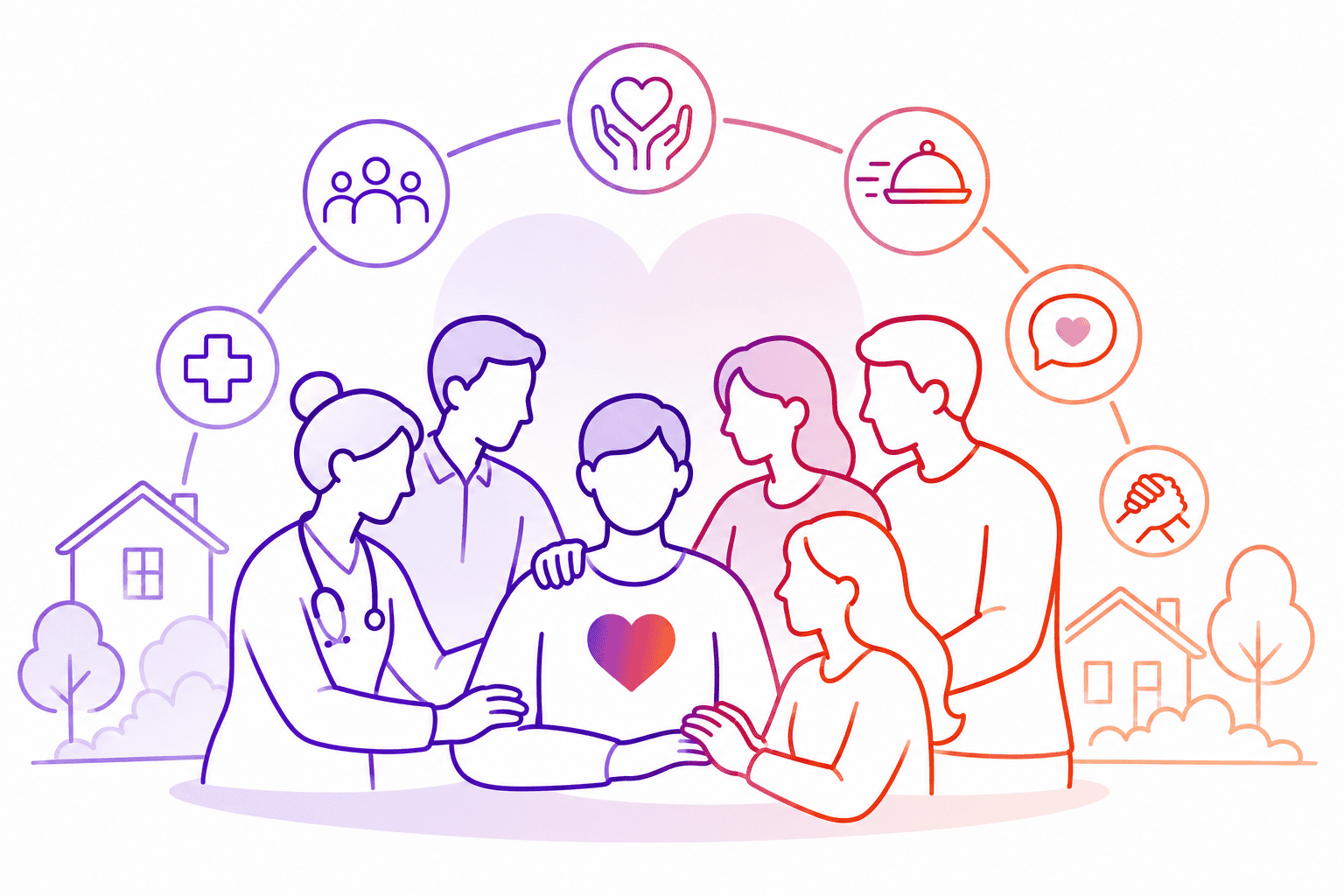
This World Cancer Support Month, communities worldwide are turning their focus to the often-unseen heroes behind every cancer patient: the vast network of support that forms an indispensable "village." While public attention frequently centers on the patient’s individual battle, the reality is that no one confronts cancer in isolation. Behind every diagnosis, every treatment, and every step of recovery stands a collective — family, friends, medical professionals, caregivers, and even strangers — whose unwavering presence and practical assistance can profoundly alter the trajectory of the cancer journey. This month serves as a crucial reminder to acknowledge and celebrate these vital contributors, recognizing that every act of support, from the grand gesture to the quiet companionship, plays a pivotal role in fostering resilience and hope.
The Multifaceted Nature of Support in Cancer Care
Cancer remains a formidable global health challenge. According to the World Health Organization (WHO), cancer is a leading cause of death worldwide, accounting for nearly 10 million deaths in 2020. The sheer scale of its impact underscores the necessity of comprehensive care, which extends far beyond medical intervention. Emotional, psychological, logistical, and financial support are critical components of holistic patient care. Studies have consistently shown that strong social support networks are associated with improved quality of life, better adherence to treatment, and even enhanced survival rates among cancer patients. A 2017 meta-analysis published in Cancer journal found that socially connected cancer patients had a 25% increased likelihood of survival compared to those who were socially isolated.
World Cancer Support Month, typically observed in October, aims to elevate this conversation, emphasizing that while medical advancements are paramount, human connection and practical aid are equally vital. The initiative highlights stories that illustrate the profound difference made by these support systems, encouraging individuals to actively participate in the "village" surrounding those affected by cancer. From organizing meal trains and coordinating transportation to offering a listening ear or simply being a steady presence, these acts collectively create an environment where patients feel seen, heard, and sustained.
Beyond the Patient: Recognizing the Broader Impact
The impact of cancer reverberates through entire families and communities. Caregivers, often close family members, face immense physical, emotional, and financial strain. A report by the National Alliance for Caregiving found that millions of Americans provide unpaid care to adults, with a significant portion caring for individuals with cancer. These caregivers often sacrifice their own careers, health, and social lives, underscoring the urgent need for support directed at them as well. World Cancer Support Month also implicitly acknowledges these hidden figures, advocating for resources and recognition for those who tirelessly support patients.
The evolution of cancer treatment, particularly the rise of immunotherapy, has brought new hope, transforming once-dire diagnoses into stories of long-term survival. However, even with groundbreaking therapies, the journey is rarely linear or easy. Side effects, emotional tolls, and the complexities of navigating healthcare systems necessitate a robust support structure. The following narratives from survivors, each a testament to the power of their unique "village," illuminate how this collective strength complements medical science to achieve extraordinary outcomes.
Dana Deighton: Navigating Esophageal Cancer with Unwavering Advocacy
Dana Deighton’s journey with stage 4 esophageal cancer began with a grim prognosis. Faced with limited options, her determination to find alternative paths was matched by the unexpected support she found along the way. Her story highlights the critical role of medical advocacy and persistent hope.
- The Crucial Nurse Coordinator: Dana’s initial struggle involved navigating the intricate maze of insurance approvals. It was during this challenging phase that she encountered a nurse coordinator who transcended her administrative role, becoming a staunch advocate. "She stayed with me for the rest of my treatment, and to this day, I still send her a Christmas card because she really moved mountains and made things happen," Dana recounts. This personal touch within the often-impersonal healthcare system proved invaluable, ensuring Dana had access to the necessary resources and expedited processes.
- A Friend’s Life-Changing Connection: When hope seemed to wane, a friend stepped in, connecting Dana with a specialist. This introduction was a turning point, providing not just a new medical opinion but a renewed sense of possibility. This connection ultimately led her to an aggressive course of treatment, culminating in a complex 15-hour surgery that initially rendered her disease-free.
- Immunotherapy and Resilience: A year later, when the cancer recurred, Dana’s medical team was prepared with another strategy: immunotherapy. Her tumor exhibited characteristics making it an ideal candidate for this innovative treatment. Through a compassionate use program, Dana received immunotherapy, leading to the complete disappearance of her remaining cancer.
- Paying It Forward: Today, Dana remains disease-free and has transformed her personal experience into a mission of support for others. She mentors newly diagnosed cancer patients, embodying the very spirit of the "village" that sustained her. Her advocacy underscores the profound impact one individual can have in guiding others through similar struggles.
Oswald Peterson: Building a Family of Friends Through Lung Cancer
Oswald Peterson’s stage 4 lung cancer diagnosis arrived during an already deeply sorrowful period, following the recent deaths of his mother and longtime partner. Initially overwhelmed by isolation, his journey unexpectedly revealed the profound strength of his chosen family — a diverse network of friends whose unwavering support became his lifeline.
- A Diagnosis Amidst Grief: Oswald’s cancer was discovered after a hospitalization for severe pain and breathing difficulties. The emotional weight of his diagnosis was compounded by personal loss, making the initial feelings of loneliness particularly acute.
- The Lifesaving Intervention of Immunotherapy: His oncologist, Dr. Catherine Shu, introduced him to immunotherapy. This advanced treatment proved to be life-saving, allowing Oswald to regain his health and return to his passions, including participating in Trinidad’s vibrant Carnival, a deeply cherished tradition.
- The Power of Chosen Family: As an only child, Oswald had cultivated a strong network of friends over decades, some spanning more than 45 years. These friends, regardless of how long they had known him, rallied with extraordinary dedication. During his hospitalization, they meticulously organized shifts, ensuring someone was constantly by his bedside, offering encouragement and companionship. This continuous presence provided immense comfort and a tangible sense of being loved and cared for.
- Practical Support Beyond the Hospital: The support extended far beyond the hospital walls. Upon his return home, friends assisted with practical tasks such as cleaning, preparing his living space, arranging healthy meals, and helping manage the daily routines that became challenging during recovery. "It was really, really special to know that there are people in your life who appreciate you that way, that they step up when you truly need them," Oswald reflects. His experience powerfully illustrates that while medical treatment is fundamental, the consistent, practical, and emotional presence of a supportive community is equally vital for healing and resilience.
Jeff Atkinson: A Decade of Survivorship with Mucosal Melanoma
In October 2016, Jeff Atkinson received the devastating news of a stage 4 mucosal melanoma diagnosis, a rare and aggressive form of melanoma. Despite the initial prognosis of no cure, his oncologist, Dr. Justin Favero, offered a glimmer of hope: promising treatments, including immunotherapy, were on the horizon. Jeff’s journey exemplifies the transformative potential of advanced therapies coupled with dedicated family and medical team support.
- A Rare Diagnosis and a Beacon of Hope: Mucosal melanoma, which develops in the mucous membranes, is notoriously challenging to treat. Hearing there was "no cure" was a profound shock for Jeff and his family. However, Dr. Favero’s mention of emerging immunotherapies provided a critical emotional lifeline, shifting the focus from despair to proactive pursuit of treatment.
- Navigating Immunotherapy: Jeff, previously unfamiliar with immunotherapy, embarked on treatment with the checkpoint inhibitors nivolumab and ipilimumab. These drugs work by unleashing the body’s own immune system to identify and attack cancer cells. The treatment path was not without its obstacles; Jeff experienced a significant rash that necessitated a temporary halt in therapy. However, his care team skillfully managed these side effects, enabling him to resume treatment. This collaborative management of adverse reactions highlights the importance of a vigilant and responsive medical team.
- The Breakthrough to Cancer-Free Status: One year after his diagnosis, in November 2017, Jeff received the news that every cancer patient and their loved ones long for: he was cancer-free. His unequivocal statement, "Without a shadow of a doubt, immunotherapy saved my life," underscores the profound impact of this therapeutic breakthrough.
- Advocacy and Inspiration: This October, Jeff will celebrate a remarkable 10 years since his diagnosis. His survival story is a powerful testament to the advancements in cancer research and treatment. He now dedicates his experience to educating others about the potential of cancer immunotherapy, joining a growing community of survivors who inspire hope and advocate for continued research funding and patient access to innovative therapies.
Jenney Bitner: Community Mobilization in the Face of Metastatic Melanoma
Jenney Bitner’s life took a dramatic turn at 22 weeks pregnant when severe headaches and falls, initially dismissed as pregnancy-related, led to the discovery of a large brain tumor. Her subsequent journey involved two brain surgeries, a premature birth, and a diagnosis of stage 4 metastatic melanoma that had spread extensively. Jenney’s story is a powerful illustration of how an entire community can rally to provide indispensable support during a period of unimaginable vulnerability.
- A Cascade of Crises: The rapid succession of a brain tumor, complex surgeries, a premature delivery, and a stage 4 cancer diagnosis created an overwhelming crisis for Jenney and her family. The effects of brain surgery further complicated her ability to process information and navigate her care.
- Rapid Response to Immunotherapy: Jenney began immunotherapy with ipilimumab and nivolumab. Remarkably, after just four infusions, scans revealed no evidence of disease. She was declared in remission in January 2021, a status she maintains today, showcasing the extraordinary efficacy of modern immunotherapy for certain advanced cancers.
- An Unparalleled Support System: Throughout her ordeal, Jenney was enveloped by an extraordinary network of support. Her husband was a constant presence, meticulously helping her remember crucial medical information and navigate complex conversations. Nurses extended their care beyond Jenney, providing education and reassurance to her anxious family. The most striking aspect of her support system was the mobilization of her wider community: neighbors, church members, friends, and even strangers provided meals for nearly a year, assisted with childcare, and gathered essential supplies for her newborn son.
- The Power of Proactive Help: Jenney’s advice resonates deeply: "If someone needs help, just do something. Don’t even ask what they need, because they need everything. Just find something and do it. You’ll make a world of difference." This sentiment highlights the importance of proactive, tangible assistance during a time when patients and their families are often too overwhelmed to articulate their needs. Her gratitude for her family, community, medical teams, and cancer researchers underscores the collective effort required to make such recoveries possible.
Gordon Levine: From Recurrence to Advocacy with Colorectal Cancer
Gordon Levine’s battle with stage 3 colon cancer began in 2014, marked by repeated recurrences and progression to stage 4, spreading to his abdomen, liver, lungs, and bones despite surgery and chemotherapy. His journey from dwindling options to long-term survivorship and advocacy highlights the critical value of second opinions, persistent medical innovation, and the power of sharing one’s story.
- Persistent Recurrence and a Desperate Search: After an immunotherapy clinical trial ended due to severe side effects and continued cancer progression, Gordon was at a critical juncture, with treatment options rapidly diminishing. This period of uncertainty and escalating disease underscores the relentless nature of some cancers and the desperate need for continued research.
- The Pivotal Second Opinion: A second opinion with Dr. Aaron Miller at UC San Diego proved to be a life-altering decision. Dr. Miller, demonstrating astute clinical insight, viewed Gordon’s previous adverse reaction to immunotherapy not as a failure, but as evidence of an immune response. This reinterpretation suggested that immunotherapy might still be a viable path, leading to a renewed sense of hope.
- Remarkable Response to Immunotherapy: Gordon subsequently began treatment with ipilimumab and nivolumab. The results were dramatic: by his fourth treatment, his tumor markers had plummeted, and scans revealed his tumors were "melting away." In 2021, surgery removed the last trace of the disease, and in 2026, Gordon celebrated an incredible five years of being cancer-free. His case illustrates the personalized nature of cancer treatment and how a nuanced understanding of immune responses can lead to breakthroughs.
- Survivorship as Advocacy: As Gordon transitioned from the fight for survival to living as a long-term survivor, he embraced community and advocacy. Through a Cancer Research Institute (CRI) patient conference, he connected with fellow patients, survivors, families, and physicians. "I sat on the patient panel, and it was an amazing day just to meet the other survivors and patients and their families and the doctors, and to start to tell my story," he shares. This experience solidified his belief that giving back is an integral part of survivorship, offering a platform for patients to find purpose, make their voices heard, and support others navigating similar paths. He now advocates for greater attention to caregivers and the unique challenges faced by the growing community of long-term survivors, ensuring that the lessons learned from his journey benefit future patients.
Immunotherapy: A Paradigm Shift in Cancer Treatment
The stories of Dana, Oswald, Jeff, Jenney, and Gordon all prominently feature immunotherapy as a critical component of their successful treatments. Immunotherapy represents a revolutionary approach in oncology, distinct from traditional methods like chemotherapy, radiation, or surgery. Instead of directly attacking cancer cells, it harnesses and enhances the body’s own immune system to recognize and destroy malignant cells.
Key advancements in immunotherapy include:
- Checkpoint Inhibitors: Drugs like nivolumab and ipilimumab (used by several survivors mentioned) block proteins (checkpoints) that cancer cells use to evade immune detection. By removing these "brakes" on the immune system, T-cells are activated to target and eliminate cancer.
- CAR T-cell Therapy: A more complex treatment where a patient’s T-cells are genetically engineered to specifically recognize and attack cancer cells, then reinfused into the patient.
- Oncolytic Viruses: Viruses modified to infect and kill cancer cells while sparing healthy tissue, simultaneously stimulating an anti-tumor immune response.
While not universally effective for all cancer types or all patients, immunotherapy has achieved remarkable and durable responses in many, particularly in advanced melanoma, lung cancer, kidney cancer, and certain lymphomas. Its success has transformed the landscape of cancer care, offering hope where little existed before. However, immunotherapy can also have significant side effects, known as immune-related adverse events, which require careful management by experienced medical teams, as seen in Jeff and Gordon’s experiences. The ongoing research in this field continues to expand its applications and refine treatment strategies, promising even more breakthroughs in the future.
Broader Implications and The Enduring Power of Connection
The narratives presented here underscore several critical implications for cancer care, research, and public health:
- Holistic Patient Care: These stories emphasize that effective cancer treatment extends beyond medical interventions. Emotional, psychological, logistical, and social support are fundamental to patient well-being, treatment adherence, and overall recovery. Healthcare systems must integrate these support services more robustly.
- The Value of Advocacy and Second Opinions: Dana’s and Gordon’s experiences highlight how patient advocacy, whether self-driven or facilitated by a dedicated professional, and the willingness to seek second opinions can uncover life-saving treatment paths. Patients and families should feel empowered to explore all options.
- Community Engagement: Jenney’s story, in particular, showcases the immense power of community mobilization. Proactive and practical support from neighbors, friends, and wider social networks can alleviate significant burdens for patients and caregivers.
- The Role of Research and Innovation: The consistent thread of immunotherapy in these survivors’ stories underscores the profound impact of scientific research. Continued investment in basic and translational research is crucial for developing new treatments and improving existing ones. Organizations like the Cancer Research Institute (CRI) play a vital role in funding such groundbreaking work.
- Survivorship and Advocacy: Gordon’s evolution into an advocate demonstrates how cancer survivorship can become a powerful platform for giving back. Engaging with survivor communities provides mutual support, reduces feelings of isolation, and amplifies patient voices in shaping future cancer care policies.
Cancer, in its deeply personal nature, often feels like an isolated struggle. Yet, these compelling accounts unequivocally remind us that no one should ever face it alone. The "patient’s village" manifests in countless forms: the unwavering spouse at every appointment, the thoughtful neighbor delivering a meal, the visionary doctor relentlessly pursuing another option, the dedicated researcher whose discoveries unlock new possibilities, or the survivor who extends a hand to those following in their footsteps.
This World Cancer Support Month, we celebrate every individual who shows up, every act of kindness, large or small, that helps carry someone through their darkest hours. Because in supporting people with cancer, we do more than just help; we become an integral part of their enduring story of resilience, hope, and triumph.
