
 By admin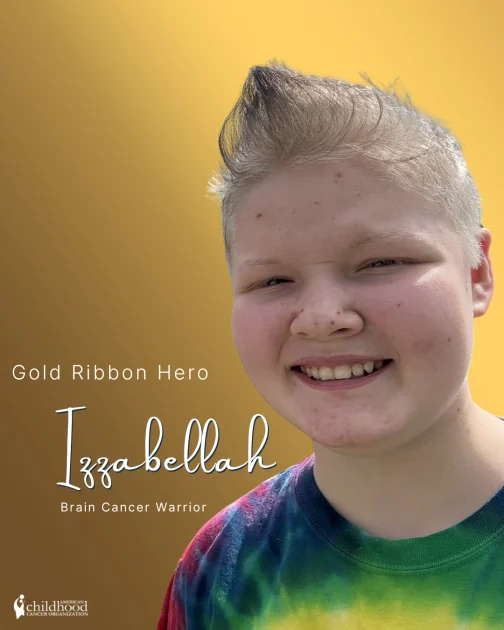
The landscape of pediatric oncology is defined by complex clinical pathways, significant psychological hurdles, and a persistent need for specialized care, as evidenced by the medical journey of Izzabellah “Bellah,” a young brain cancer survivor whose experience highlights both the progress and the remaining gaps in the treatment of childhood malignancies. Pediatric brain tumors remain the leading cause of cancer-related death in children and adolescents under the age of 19 in the United States. While survival rates have improved due to advancements in neurosurgery, radiation oncology, and targeted therapies, the long-term impact on the patient’s physical and social well-being remains a critical area of concern for healthcare providers and advocacy groups alike. Bellah’s case serves as a comprehensive case study in the diagnostic process, the intensity of multi-modal treatment, and the eventual transition into survivorship and community service.
The Diagnostic Phase: Recognizing Symptoms and Clinical Intervention
The onset of pediatric brain tumors often presents with non-specific symptoms that can delay definitive diagnosis. In the case of Izzabellah, the diagnostic window spanned four months, during which she experienced persistent and worsening headaches. This timeframe is not uncommon in pediatric neuro-oncology; symptoms such as headaches, nausea, and vision changes are frequently attributed to more common childhood ailments like migraines, stress, or viral infections. However, the progression of symptoms eventually necessitated advanced imaging.
The clinical turning point occurred when an Magnetic Resonance Imaging (MRI) scan was performed to investigate the etiology of the headaches. According to her mother, Natalie, the results were immediately concerning. Following the scan, the family received a call within an hour—a timeframe that indicates a "critical finding" in radiological terms. The urgency of the situation resulted in a rapid escalation of care, moving from a regional medical center to Riley Children’s Hospital, a specialized Level I Pediatric Trauma Center and a leader in pediatric neurosurgery. This immediate transfer underscores the necessity of specialized pediatric facilities that possess the neurosurgical expertise and intensive care infrastructure required to manage intracranial pressure and tumor resection in young patients.
A Multi-Modal Treatment Chronology
The management of pediatric brain cancer rarely relies on a single intervention. Instead, it involves a multi-modal approach combining surgery, chemotherapy, and radiation. Bellah’s treatment history reflects the aggressive nature of these protocols.
Surgical Resection and Recurrence
The initial phase of treatment involved the surgical removal of the primary tumor. Neurosurgical resection is the gold standard for many brain tumors, aimed at debulking the mass to relieve pressure and obtaining tissue samples for histopathological and molecular analysis. However, the discovery of additional tumors shortly after the first surgery complicated the prognosis, necessitating a shift from a localized surgical focus to a systemic and longitudinal treatment plan.
Longitudinal Chemotherapy and Second Intervention
Following the discovery of further malignancies, Bellah began a 13-month regimen of oral chemotherapy. Oral chemotherapy agents, such as temozolomide, are often used in neuro-oncology because of their ability to cross the blood-brain barrier. While more convenient than intravenous administration, long-term chemotherapy carries significant risks, including myelosuppression (a decrease in bone marrow activity), fatigue, and gastrointestinal distress.
The persistence of the disease required a second major neurosurgical intervention. Secondary surgeries are inherently more complex due to the presence of scar tissue from previous procedures and the potential for the tumor to be located near eloquent areas of the brain that govern motor skills, speech, or sensory perception.
Radiation Therapy and Maintenance
Following the second surgery, Bellah underwent an eight-week course of radiation therapy. In pediatric patients, cranial radiation is a highly scrutinized treatment due to the potential for late-onset cognitive effects and endocrine disruptions. However, it remains a vital tool for eradicating residual microscopic cancer cells. This was followed by a return to chemotherapy, completing a rigorous cycle of treatment designed to ensure maximum suppression of oncogenic activity.
The Socio-Psychological Impact of Chronic Illness
Beyond the physiological toll, pediatric cancer exerts a profound impact on the social and developmental trajectory of adolescents. During her treatment, Bellah faced the multifaceted challenge of managing severe side effects while navigating the loss of her social circle.
Social Isolation and Peer Dynamics
One of the most underreported aspects of pediatric oncology is the "social death" that can occur during treatment. Long-term hospitalizations, the physical changes associated with chemotherapy and radiation (such as hair loss or weight fluctuations), and the inability to attend school regularly often lead to a disconnect from peer groups. Bellah’s experience of losing friends and missing out on social milestones is a common phenomenon in adolescent oncology. This isolation can lead to increased rates of depression and anxiety, which in turn can affect treatment compliance and overall recovery.
The Role of Digital Advocacy
In response to these challenges, Bellah utilized digital platforms to reclaim her narrative. By creating short videos and blogs, she transitioned from a passive recipient of care to an active advocate. This form of "digital storytelling" serves two purposes: it provides the patient with a sense of agency and purpose, and it offers a peer-support resource for other children undergoing similar treatments. Her efforts align with broader trends in healthcare where patient-led content helps bridge the gap between clinical data and the lived experience of illness.
Supporting Data: The Current State of Pediatric Brain Cancer
The challenges faced by Bellah are reflected in national health statistics. According to data from the American Cancer Society and the National Cancer Institute’s Surveillance, Epidemiology, and End Results (SEER) program, brain and other central nervous system (CNS) tumors are the most common solid tumors in children, accounting for approximately 20% of all pediatric cancers.
- Incidence and Survival: Each year, approximately 4,000 to 5,000 children and adolescents are diagnosed with a primary brain or CNS tumor in the United States. While the five-year survival rate for pediatric brain tumors is approximately 75%, this figure varies significantly based on the tumor type, grade, and molecular markers.
- The Funding Gap: A significant point of contention among advocacy groups, including the American Childhood Cancer Organization (ACCO), is the disparity in research funding. Historically, only about 4% of the National Cancer Institute’s (NCI) federal budget is allocated specifically to pediatric cancer research. This lack of funding often results in a reliance on "repurposed" adult medications rather than the development of therapies specifically designed for the developing biology of a child.
- Long-term Morbidity: Up to 60% of pediatric cancer survivors experience at least one chronic health condition as a result of their treatment, ranging from hearing loss and hormonal imbalances to secondary malignancies and cognitive impairments.
Transition to Survivorship and Community Contribution
Bellah’s current status represents a successful transition into the survivorship phase, characterized by a return to academic life and entry into the workforce. Her role as an activity aide at a local nursing facility is a significant indicator of her resilience. The transition from being a recipient of intensive medical care to a provider of care for the elderly demonstrates a high level of functional recovery and emotional maturity.
Workplace integration for cancer survivors can be challenging, particularly for those who have undergone neurosurgical procedures. However, Bellah’s ability to balance school with a professional role in a healthcare-adjacent environment suggests that the cognitive and physical rehabilitation efforts following her surgeries and radiation were effective. This phase of her life highlights the importance of comprehensive survivorship programs that focus not just on the absence of disease, but on the restoration of quality of life.
Institutional and Systematic Implications
The case of Izzabellah underscores the critical role of specialized pediatric oncology networks. Institutions like Riley Children’s Hospital provide the interdisciplinary approach—integrating oncology, neurosurgery, social work, and rehabilitation—that is essential for managing complex cases.
Furthermore, the American Childhood Cancer Organization emphasizes that "kids can’t fight cancer alone," a slogan that reflects the systematic need for family support services and legislative advocacy. The ACCO and similar organizations play a vital role in lobbying for increased research funding, such as the STAR (Survivorship, Treatment, Access, and Research) Act, which aims to improve the quality of life for survivors and enhance the collection of biospecimens for research.
Conclusion and Future Outlook
Izzabellah’s journey from a four-month period of unexplained headaches to her current role as a healthcare worker and student is a testament to the efficacy of modern pediatric neuro-oncology, while also serving as a reminder of the hardships inherent in the process. The complexity of her treatment—involving multiple surgeries and long-term chemoradiation—illustrates the aggressive measures required to combat pediatric brain cancer.
As the medical community moves toward more personalized medicine, the hope is that molecular profiling of tumors will lead to less toxic and more effective treatments, reducing the social and physical burden on young patients. For now, the resilience of survivors like Bellah remains a primary driver for advocacy and continued investment in pediatric cancer research. Her story highlights that while the clinical battle is fought in the operating room and the infusion clinic, the battle for a return to normalcy is fought in the classroom, the workplace, and through the power of shared experience.
