
 By admin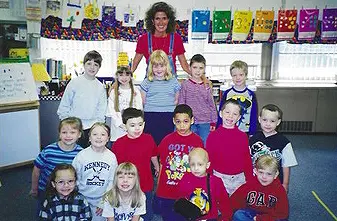
The rugged terrain of Minnesota’s Superior Hiking Trail will serve as the backdrop this August for a profound act of endurance and memory. Michele Benyo and Alicia, a childhood friend of Michele’s late son, David, are set to embark on a 25.5-mile trek known as the CureSearch Ultimate Hike. This grueling journey is not merely a physical challenge but a symbolic continuation of a story that began in a kindergarten classroom more than a quarter-century ago. The hike aims to raise both awareness and critical funding for pediatric cancer research, specifically targeting rare and aggressive forms of the disease like the one that claimed David Benyo’s life in 2000. By lacing up their boots, these two women are transforming decades of personal grief into a collective effort to alter the trajectory of future pediatric diagnoses.
A Diagnosis That Defined a Decade
The Benyo family’s lives were irrevocably altered in December 1997 when David’s parents discovered a physical abnormality that led to a devastating diagnosis: rhabdomyosarcoma. A rare type of cancer that forms in soft tissue—specifically skeletal muscle tissue or sometimes hollow organs—rhabdomyosarcoma accounts for approximately 3% of all childhood cancers. At the time of his diagnosis, David was only four years old, facing a grapefruit-sized tumor that required immediate and aggressive intervention.
For the next two and a half years, David’s life became a cycle of medical procedures. His treatment regimen included intensive chemotherapy, multiple surgeries, and frequent blood transfusions. Despite the harrowing nature of the treatments, David earned a reputation among the nursing staff for his fierce spirit. He famously compared himself to a cheetah, a metaphor for his speed and fighting instinct, which clinicians often noted as a hallmark of pediatric patients who show high levels of resilience during prolonged hospitalizations.
The initial phase of treatment appeared successful. The tumor retreated, and David was granted a period of stability that allowed his family to participate in a Make-A-Wish trip to Disney World. These interludes of normalcy are often cited by pediatric oncologists as vital for the psychological well-being of both the patient and the family unit. However, the reprieve was short-lived. Shortly after returning from the trip, the cancer relapsed, migrating to David’s bone marrow—a progression that significantly complicates the prognosis for rhabdomyosarcoma patients.
Pioneering Treatments and the Limits of Medicine
In the late 1990s, the medical community was beginning to explore more aggressive frontiers in pediatric oncology. Faced with David’s relapse, doctors at Minneapolis Children’s Hospital—now known as Children’s Minnesota—utilized every available tool, including high-dose chemotherapy and radiation. David also became one of the first pediatric patients at the facility to undergo a stem cell transplant, a procedure that was then on the cutting edge of pediatric hematology.
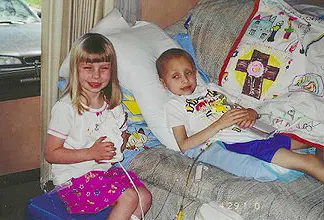
While the transplant successfully induced a second remission, the cancer eventually returned for a third time. In the spring of 2000, facing the exhaustion of viable medical options and the toll of years of invasive therapy, David, not yet seven years old, expressed a desire to cease further treatment. His family honored this wish, bringing him home to spend his final weeks surrounded by loved ones. David passed away in May 2000. The loss left a profound void in his family, articulated poignantly by his younger sister, who told her mother at the time that "half of me is gone." This sentiment reflects the unique psychological trauma experienced by "glass children"—the siblings of chronically ill patients who often grapple with profound grief and a sense of fragmentation after a loss.
The Endurance of Childhood Bonds
Among those impacted by David’s death was Alicia, a kindergarten classmate who had shared a simple but deep bond with him. Their friendship was rooted in the shared spaces of their elementary school and their local church, where Alicia’s mother served as David’s Sunday school teacher. For Alicia, David’s passing represented her first encounter with death, a trauma that manifested as a long-term aversion to the subject of cancer.
Despite the pain associated with the memory, Alicia maintained a consistent connection with Michele Benyo over the ensuing decades. This relationship serves as a rare example of "continuing bonds," a psychological concept where the bereaved maintain a symbolic relationship with the deceased through shared history and ongoing community. When Alicia graduated from high school, she invited Michele to the ceremony, presenting her with a locket containing David’s photograph and the inscription, "We remember." Alicia noted that the gesture was a way to ensure David "walked across the stage" with her, bridging the gap between the life he lost and the milestones his peers continued to reach.
Alicia’s career path eventually led her back to the same elementary school she attended with David, where she now serves as a special needs teacher. The recent death of her own mother—David’s former Sunday school teacher—to cancer served as the final catalyst for Alicia to move from silent remembrance to active advocacy.
The Ultimate Hike: A Physical and Philanthropic Challenge
The CureSearch Ultimate Hike is the only national hiking series dedicated to ending childhood cancer. The event on the Superior Hiking Trail is particularly demanding, covering 25.5 miles of rugged, uneven terrain along the ridgeline overlooking Lake Superior. The trail is known for its steep elevation changes, rocky paths, and technical difficulty, making the one-day completion of the 25.5-mile segment a significant physical feat.
Participants in the Ultimate Hike undergo months of physical training and fundraising. The funds raised are directed toward CureSearch for Children’s Cancer, a national non-profit foundation that accelerates pediatric cancer research by driving targeted clinical trials and funding innovative research that might otherwise struggle to find support through traditional federal channels.
For Michele and Alicia, the hike represents a convergence of their individual grief. Alicia views the event as an opportunity to honor both David and her mother, stating that the hike provides a meaningful outlet for a loss that is often too heavy for words. For Michele, the hike is part of a long-term commitment to ensuring that other families do not face the same outcome David did.
Pediatric Cancer: The Current Landscape and Funding Gaps
The stories of families like the Benyos highlight a persistent issue in the American medical research landscape: the disparity in funding for pediatric versus adult cancers. According to data from the National Cancer Institute (NCI), pediatric cancer research historically receives approximately 4% of the total federal budget for cancer research. This "4% gap" is a primary driver for organizations like CureSearch, which seek to fill the void left by federal funding and pharmaceutical investment.
Because pediatric cancers are biologically distinct from adult cancers, they require specialized research. Many drugs used to treat children were originally developed for adults and can have devastating long-term side effects on developing bodies, including heart damage, secondary cancers, and cognitive impairments. For rare subtypes like rhabdomyosarcoma, the challenge is even greater due to the smaller patient population available for clinical trials.
Statistical analysis of pediatric cancer survival rates shows significant improvement since the 1970s, with the overall five-year survival rate now exceeding 80%. However, for high-risk or relapsed cases like David’s, the statistics remain sobering. Research funded by events like the Ultimate Hike focuses on identifying new biomarkers and developing targeted therapies that can treat the cancer more effectively while minimizing toxicity.
Broader Implications of Community-Led Advocacy
The collaboration between Michele and Alicia underscores the importance of community-led advocacy in the medical field. When survivors and their families take an active role in fundraising, they provide more than just financial capital; they provide "narrative capital" that humanizes clinical data and motivates public engagement.
The Superior Hiking Trail event is expected to draw dozens of hikers, each with their own connection to the cause. The psychological impact of such events is significant, offering participants a sense of agency in the face of a disease that often feels arbitrary and uncontrollable. For the Benyo family and Alicia, the 25.5 miles represent a journey toward healing, turning a decades-old tragedy into a catalyst for scientific progress.
As the medical community continues to make strides in immunotherapy and genomic sequencing, the legacy of patients like David Benyo lives on in the protocols and treatments being developed today. The "cheetah" spirit David displayed in the halls of Minneapolis Children’s Hospital is now reflected in the endurance of those hiking the Superior trails in his name. The goal remains clear: to fund the breakthroughs that will eventually ensure no child has to tell their family they are tired of fighting, and no sister has to feel that half of her is gone.
