
 By George Ongkojoyo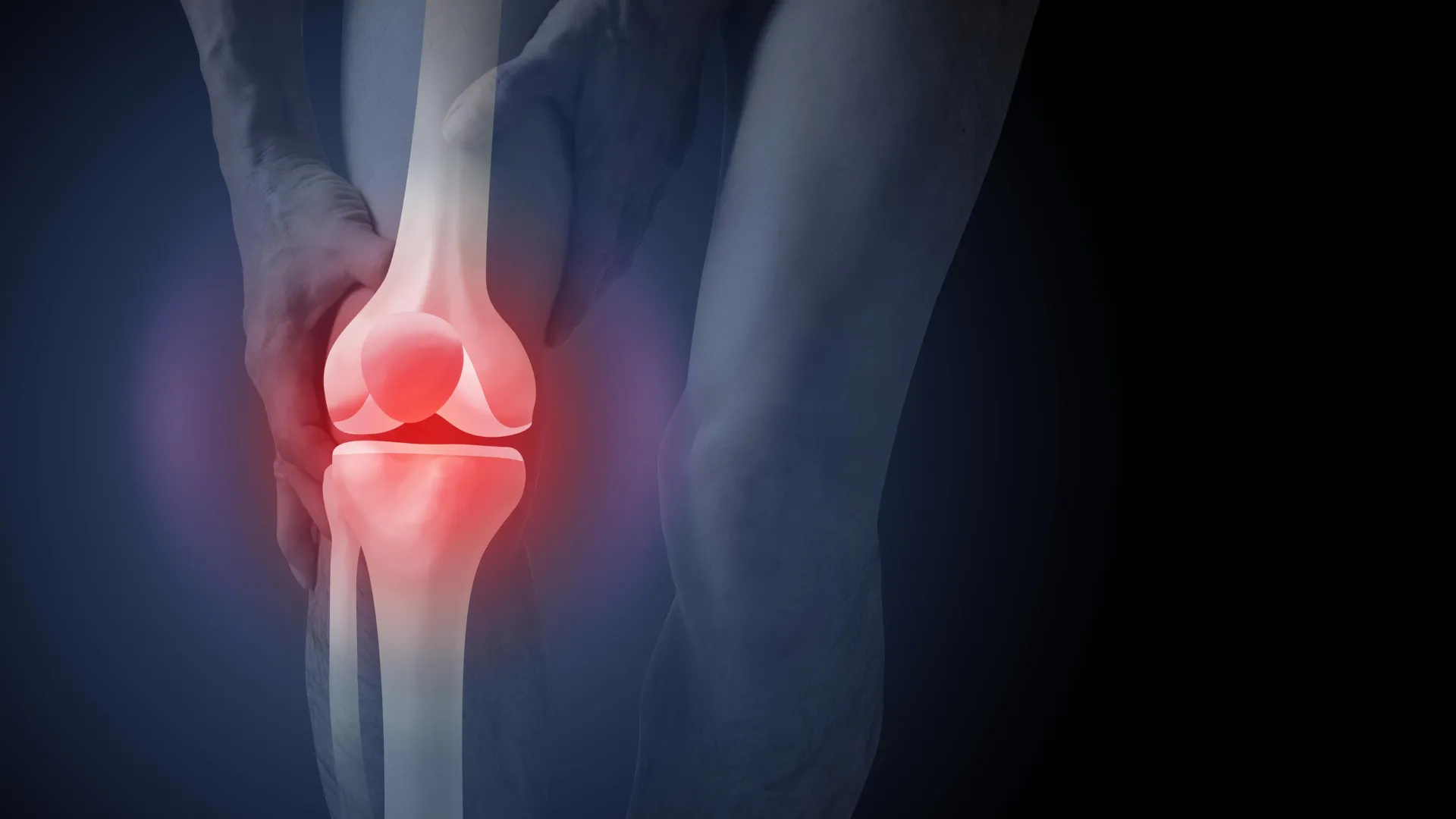
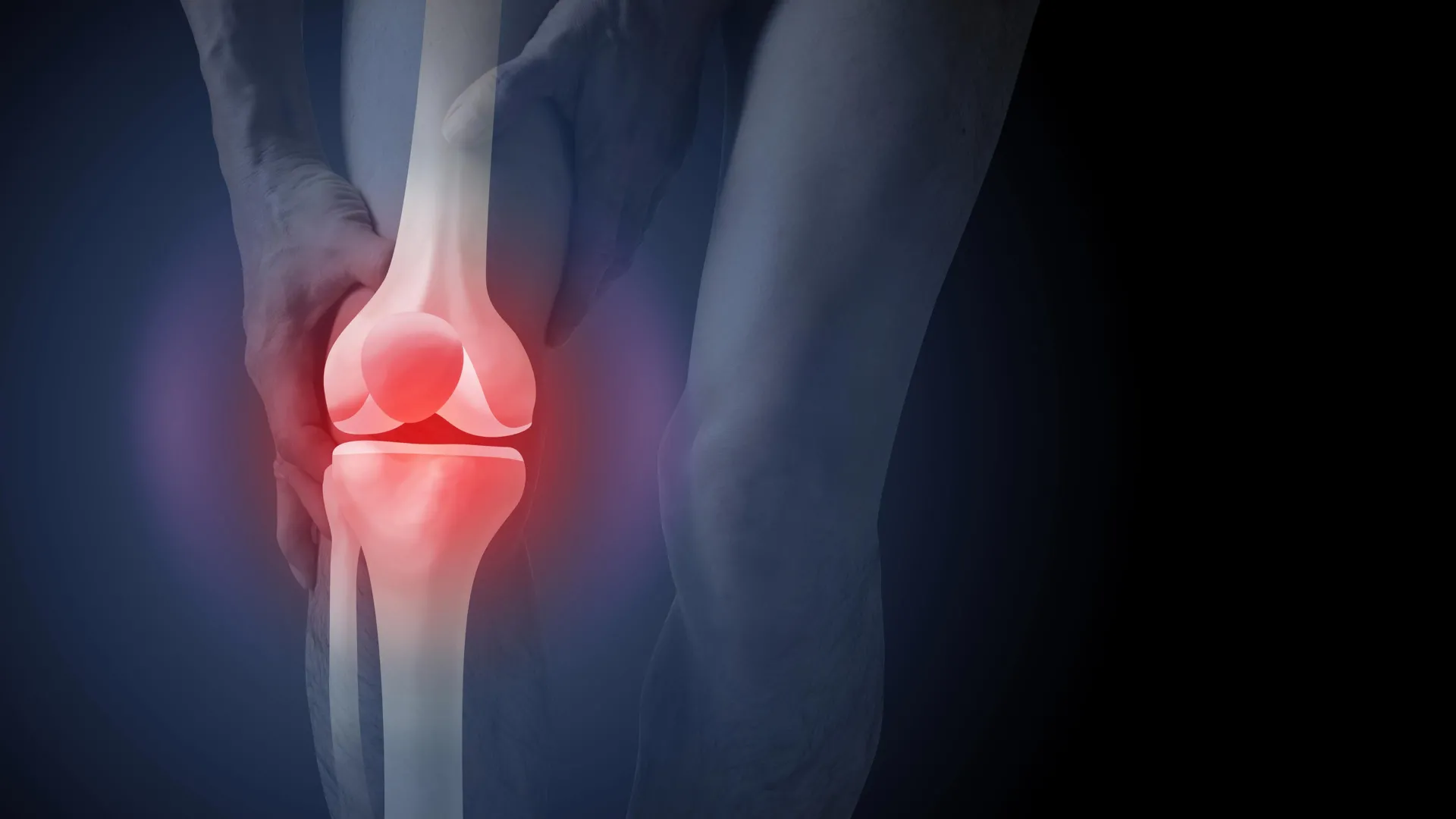
A landmark study involving 617 Australian participants has revealed that the routine use of X-rays to diagnose knee osteoarthritis can significantly distort patient perceptions, leading to increased anxiety, a fear of physical activity, and an unwarranted desire for invasive joint replacement surgery. The research, published in the prestigious journal PLOS Medicine, underscores a growing disconnect between clinical guidelines and everyday medical practice in Australia, where nearly 50% of new patients presenting with knee pain are referred for imaging despite evidence that such scans are often unnecessary. This clinical trend not only impacts patient outcomes but also imposes a substantial financial burden on the national healthcare system, with osteoarthritis-related imaging costing an estimated A$104.7 million annually.
The Shift from Clinical Diagnosis to Over-Imaging
Knee osteoarthritis is a chronic condition characterized by changes within the entire joint environment, including the bones, cartilage, ligaments, and muscles. While traditionally viewed as a simple "wearing out" of the joint, modern medical understanding defines it as an active process where the joint works to repair itself in response to various stressors, such as aging, high body weight, or previous injuries. Despite this nuanced understanding, the diagnostic process in Australia frequently defaults to radiographic imaging.
Current clinical care standards, including those set by the Australian Commission on Safety and Quality in Health Care and the National Institute for Health and Care Excellence (NICE), recommend a "clinical diagnosis" for patients aged 45 and over. This approach relies on a patient’s medical history and symptoms—specifically, joint pain during activity and morning stiffness that lasts less than 30 minutes. However, data from the Australian Institute of Health and Welfare (AIHW) suggests that the medical community remains heavily reliant on X-rays. This reliance persists despite the fact that structural changes visible on an X-ray often correlate poorly with the level of pain or disability a patient experiences.
Methodology and Findings of the PLOS Medicine Study
To investigate the psychological impact of imaging, researchers conducted a randomized controlled trial using a sample of 617 adults. The study utilized a "hypothetical consultation" model where participants were assigned to one of three groups, each watching a video of a GP consultation regarding knee pain.
In the first group, the GP provided a clinical diagnosis based solely on age and symptoms, explicitly stating that an X-ray was not required. In the second group, the GP ordered an X-ray to confirm the diagnosis but did not show the images to the patient. In the third group, the GP used an X-ray and showed the patient the radiographic images, pointing out structural "damage."
The results were stark. Participants in the group shown their X-ray images reported a 36% higher perceived need for knee replacement surgery compared to the clinical diagnosis group. Furthermore, those who received an X-ray-based diagnosis were significantly more likely to believe that exercise and physical activity could damage their joints. This phenomenon, often referred to as "kinesiophobia" or fear of movement, is particularly detrimental to osteoarthritis management, as exercise is considered the first-line treatment for the condition.
The "Wear and Tear" Myth and the Nocebo Effect
The study highlights the danger of the "wear and tear" narrative. When patients see an X-ray showing narrowed joint spaces or bone spurs, they often internalize the idea that their joint is "crumbling" or "bone-on-bone." This visual evidence acts as a "nocebo"—the opposite of a placebo—where the information provided causes a worsening of the patient’s perceived condition.
Medical experts argue that the extent of joint damage seen on an X-ray does not predict the trajectory of the disease. Many individuals with significant radiographic osteoarthritis experience little to no pain, while others with "normal" X-rays report debilitating symptoms. By focusing on the image rather than the person, clinicians may inadvertently steer patients toward the belief that only a mechanical fix—surgery—can solve their problem.
The Economic Impact on the Australian Healthcare System
The financial implications of over-diagnosis and over-imaging are profound. Beyond the A$104.7 million spent annually on X-rays and MRIs for osteoarthritis, the downstream costs of surgery are staggering. In the 2020–21 financial year, hospital services for osteoarthritis, primarily driven by total knee replacements, cost the Australian healthcare system A$3.7 billion.
In the 2021–22 period, more than 53,000 Australians underwent knee replacement surgery for osteoarthritis. While these procedures can be life-changing for those with end-stage disease who have exhausted all other options, the PLOS Medicine study suggests that a significant portion of the demand for these surgeries may be driven by patient beliefs formed through unnecessary imaging. Reducing the rate of routine X-rays could potentially decrease the volume of elective surgeries, freeing up resources for non-surgical interventions that are both cheaper and lower-risk.
Risks of Premature Surgical Intervention
Joint replacement surgery is a major medical procedure that carries inherent risks, including blood clots (deep vein thrombosis), pulmonary embolisms, surgical site infections, and complications from anesthesia. Furthermore, clinical outcomes are not universally positive; a notable percentage of patients continue to experience chronic pain even after a technically successful surgery.
Clinical guidelines emphasize that surgery should be a last resort. Effective management strategies that should be prioritized include:
- Education: Helping patients understand that their joints are robust and that "hurt does not always mean harm."
- Exercise Programs: Structured strength training and aerobic activity, such as the GLA:D (Good Life with Arthritis: Denmark) program, which has shown high success rates in Australia.
- Weight Management: Reducing the mechanical load on the knee joints through dietary changes and lifestyle interventions.
Global Context and the "Choosing Wisely" Initiative
The findings of the Australian study align with the global "Choosing Wisely" campaign, an international initiative aimed at reducing unnecessary medical tests, treatments, and procedures. In many OECD nations, there is a concerted effort to move away from low-value care—medical services that provide little benefit to patients and may even cause harm.
The over-utilization of X-rays for musculoskeletal pain is not unique to the knee. Similar studies in back and shoulder pain have demonstrated that imaging often leads to "labelling," where a patient identifies as "injured" or "damaged," leading to worse long-term disability outcomes. The Australian research adds to a growing body of evidence that "less is often more" when it comes to the initial diagnosis of chronic pain conditions.
Strategic Implications for Health Policy
The implications of this study suggest a need for a multi-pronged approach to reform:
- GP Education and Support: General practitioners require better tools to explain why an X-ray is not necessary, helping them manage patient expectations and the pressure to "do something" visible.
- Public Health Campaigns: National initiatives are needed to debunk the "wear and tear" myth and promote the "joint repair" and "movement as medicine" frameworks.
- Medicare Reform: Reviewing the reimbursement structures for imaging could disincentivize the routine ordering of X-rays for uncomplicated knee pain in older adults.
- Patient-Centered Communication: Encouraging doctors to use neutral or positive language when discussing joint health, avoiding terms like "degenerative" or "eroded" which can trigger fear-based responses.
Conclusion
The study published in PLOS Medicine serves as a critical reminder that medical interventions carry psychological consequences as well as physical ones. For the millions of Australians living with knee osteoarthritis, the path to better health may not begin with a picture of their bones, but with a conversation about lifestyle, movement, and long-term management. By aligning clinical practice with evidence-based guidelines, the Australian health system can reduce unnecessary costs, lower surgical risks, and empower patients to take an active, confident role in their own recovery without the shadow of a "damaged" X-ray hanging over their prognosis.
