
 By admin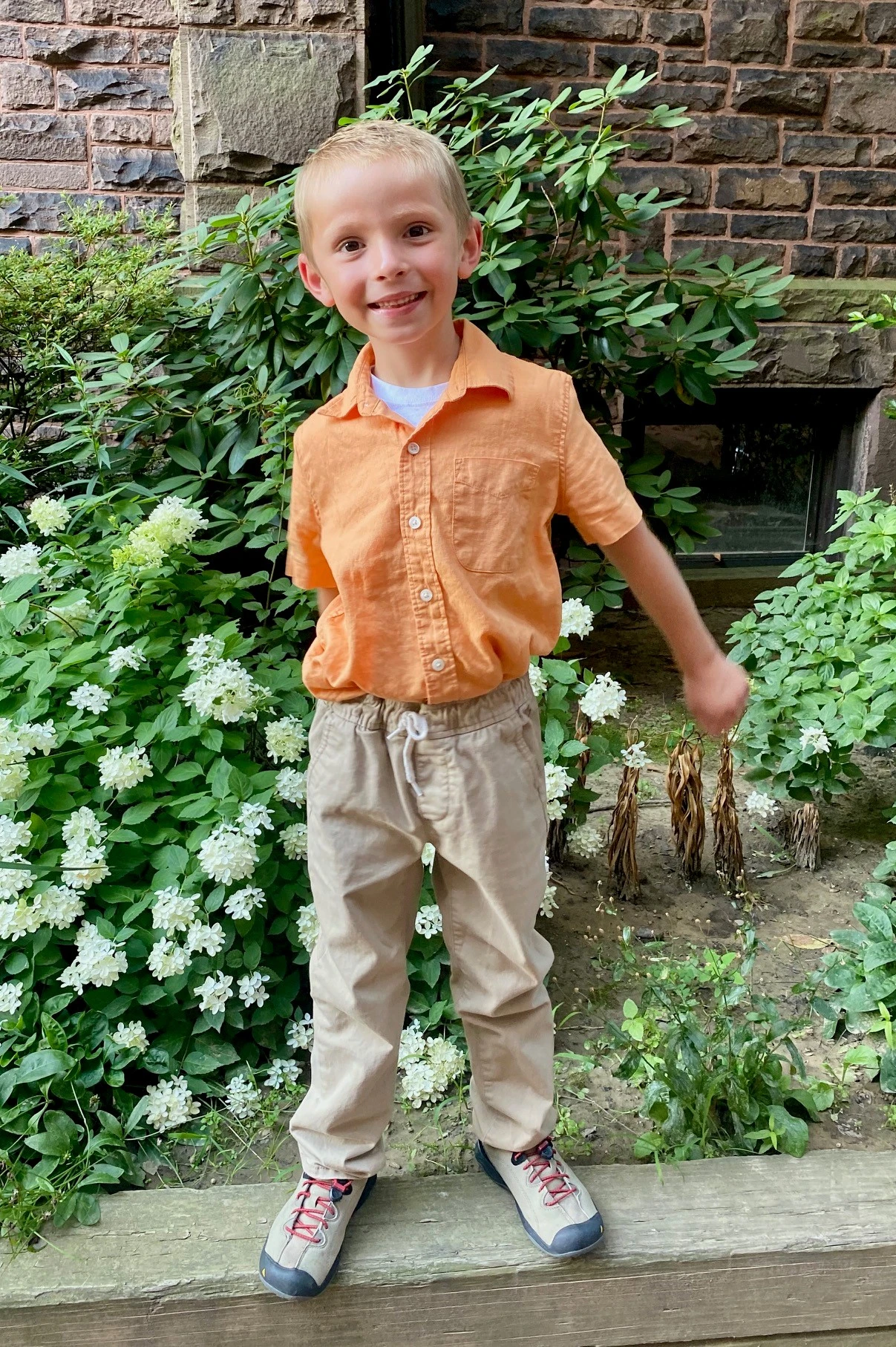
The transition into a new school year is traditionally a period of anticipation and growth for young students, yet for the Gray family of Pennsylvania, Natalie Gray’s entry into the fourth grade this year represented a poignant and painful milestone. Standing in the hallway of her children’s school during a "Meet the Teacher" night, Patricia Gray was confronted with the stark reality of her daughter’s emotional burden. Natalie, in a classroom assignment regarding her feelings about the upcoming year, expressed a sentiment that resonates with many families affected by pediatric loss: "I’m excited for basketball, but I’m also sad, because going into fourth grade was the last step to completely passing all the events that happened in Nathan’s short life."
Nathan Gray, Natalie’s older brother, succumbed to a rare form of kidney cancer known as Wilms tumor on January 6, 2022, at the age of eight. Because Nathan’s academic journey was cut short during his third-grade year, Natalie’s progression into the fourth grade marked the first time she would inhabit a space or reach an age her brother never saw. This personal milestone serves as a microcosm of the broader struggle faced by thousands of families dealing with pediatric cancer, highlighting not only the emotional toll of survivorship but also the critical necessity for medical advancements in treating high-risk relapses.
The Diagnostic Challenge and Early Medical History
The trajectory of Nathan Gray’s illness began with subtle, non-specific symptoms that are frequently encountered in pediatric primary care. At the age of two, Nathan began experiencing recurrent high fevers. Despite his mother’s persistent concerns, the clinical presentation was intermittent; Nathan would remain energetic and "goofy" between episodes, leading healthcare providers to initially dismiss the symptoms as routine childhood infections. Patricia Gray recalls being told that her son was "too happy to be sick," a common narrative in cases where pediatric malignancies present with atypical or fluctuating symptoms.
The situation escalated when a subsequent fever spike led the family to an emergency department. Clinical evaluation at that stage revealed a critical need for a blood transfusion, prompting an immediate transfer to a specialized children’s hospital. It was there that the family received the diagnosis of Wilms tumor, or nephroblastoma.
Wilms tumor is the most common type of kidney cancer in children, primarily affecting those between the ages of three and four. While the overall prognosis for Wilms tumor is generally favorable—with modern multi-modal therapies yielding survival rates exceeding 90%—the medical community recognizes a distinct and dangerous subset of patients for whom standard treatments fail. Nathan initially responded well to treatment and maintained a cancer-free status for two years. However, in May 2019, the family’s stability was shattered when routine imaging discovered tumors in both of Nathan’s lungs.

The Relapse Paradox: Statistics and Survival Realities
The clinical challenge of Wilms tumor lies in the "relapse paradox." While initial cure rates are high, the prognosis for patients who experience a relapse, particularly those classified as high-risk, drops precipitously. According to oncological data, approximately 80% of children with very high-risk relapsed Wilms tumor do not survive. This statistical reality placed Nathan in a category where existing medical protocols were often insufficient.
During his six-year battle, Nathan underwent an exhaustive regimen of treatments at some of the nation’s leading medical institutions, including Geisinger Medical Center, the Children’s Hospital of Philadelphia (CHOP), and Memorial Sloan Kettering Cancer Center (MSKCC). His treatment plan included multiple rounds of high-dose chemotherapy, radiation, and surgical interventions. Despite the expertise of his oncology teams, the family eventually reached a "research ceiling." The specific biological mutations driving Nathan’s relapsed disease lacked a targeted therapy, as the necessary clinical trials and drug developments had not yet been realized due to a historical lack of funding for rare pediatric cancers.
Community Response and the "Orange" Movement
As Nathan’s condition progressed, his struggle became a focal point for his local community. Public support manifested in highly visible ways, intended to provide psychological comfort to a child facing terminal illness. Local law enforcement and fire departments organized a massive caravan of emergency vehicles to pass by the Gray residence, a gesture designed to honor Nathan’s resilience.
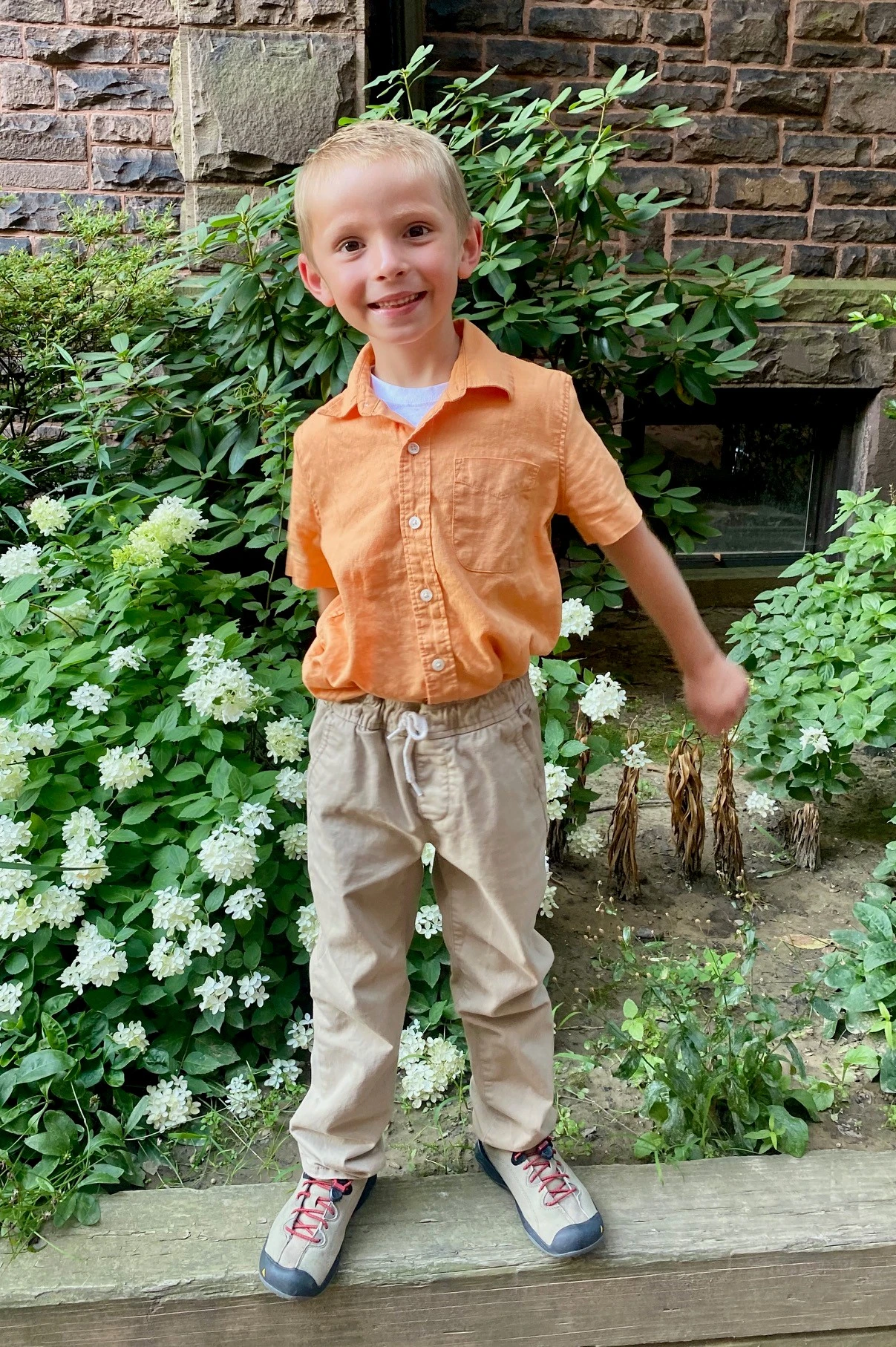
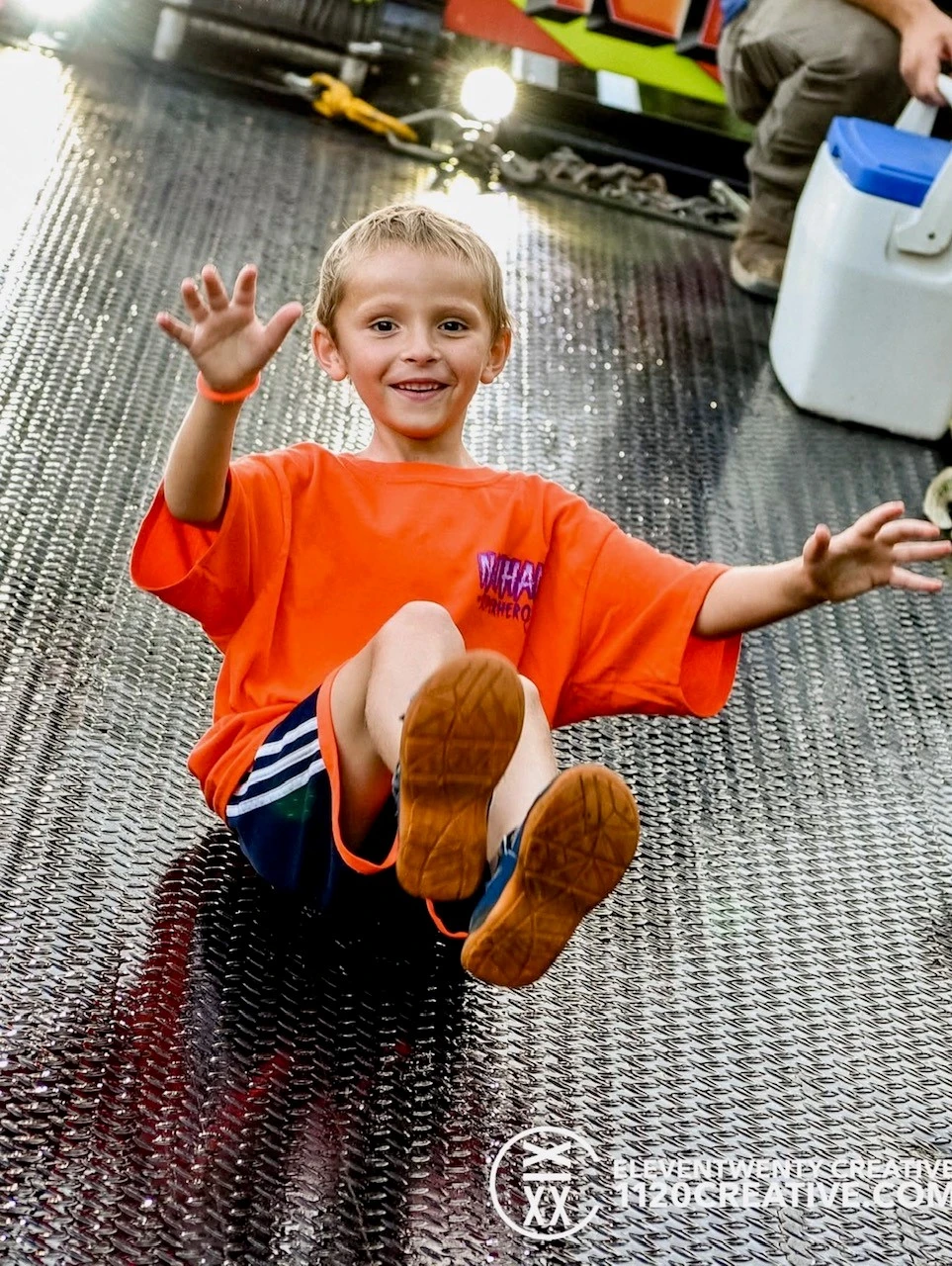
The community’s solidarity was perhaps most visible through the adoption of the color orange—Nathan’s favorite hue. From "orange-out" events at local schools to the vibrant colors worn at his funeral in early 2022, the movement symbolized a collective refusal to let Nathan’s story end with his diagnosis. For Patricia Gray and her husband, this community support provided the foundation upon which they would later build a national advocacy platform.
A Strategic Shift: Funding the Ortiz Clinical Trial
Following Nathan’s death, the Gray family transitioned from seekers of care to champions of research. They identified a significant gap in the pediatric oncology landscape: while many resources are directed toward initial treatments, relapsed and refractory cases often suffer from a lack of private and federal investment.
In late 2024, the family partnered with the Children’s Cancer Research Fund (CCRF) to support a specific, high-impact research project led by Dr. Michael V. Ortiz, a pediatric oncologist at Memorial Sloan Kettering who had personally treated Nathan. Dr. Ortiz’s work focuses on a multi-center clinical trial testing a novel therapeutic agent specifically designed for very high-risk relapsed Wilms tumor.
The primary hurdle for such trials is often logistical and financial rather than scientific. Rare disease trials require participation from multiple sites to gather a statistically significant cohort of patients. With the infusion of funds raised through the Gray family’s efforts, Dr. Ortiz was able to expand the trial from a single site to eight prestigious medical centers across the United States, including:
- Atlanta
- Boston
- Chicago
- Cincinnati
- Los Angeles
- Palo Alto
- St. Louis
- Washington, D.C.
This expansion is designed to enroll 21 pediatric patients. For these children, the trial represents a therapeutic option that did not exist during Nathan’s final months. If successful, the drug could redefine the standard of care for relapsed nephroblastoma, moving the needle on the current 20% survival rate.
Financial Advocacy and the Forbes | SHOOK Summit
The mobilization of funds reached a milestone in October 2024, when the Gray family was invited to speak at the Forbes | SHOOK Top Advisor Summit. Addressing an audience of nearly one thousand of the country’s leading financial advisors, Patricia, Jeffery, and Natalie shared the intimate details of Nathan’s life and the systemic failures in pediatric cancer funding.
The presentation resulted in an immediate and substantial philanthropic response, raising $1 million for Dr. Ortiz’s clinical trial. This level of private funding is critical because federal grants from the National Cancer Institute (NCI) are often prioritized for more common adult cancers. Pediatric cancer research as a whole typically receives less than 4% of the NCI’s annual budget, leaving "rare" pediatric cancers like relapsed Wilms tumor almost entirely dependent on private donations and family-led foundations.
The family’s advocacy also includes a grassroots component. Natalie Gray notably contributed her own savings—from birthday gifts and "tooth fairy" money—to her brother’s former doctor. This multi-generational commitment underscores the family’s philosophy that while they could not save Nathan, they possess a moral obligation to ensure future families do not face the same "untuned rocks" and dead-end treatment paths.
Broader Implications for Pediatric Oncology
The story of the Gray family and the expansion of the Ortiz trial highlights several critical themes in modern medicine. First, it emphasizes the role of the "patient-advocate" in driving scientific progress. In many cases of rare disease, it is the persistence of bereaved families that secures the funding necessary for Phase I and Phase II clinical trials.
Second, it brings attention to the necessity of multi-center collaboration. Because relapsed Wilms tumor is rare, no single hospital sees enough patients to conduct a robust study independently. The expansion to eight cities is a logistical triumph that allows for a more diverse patient pool and faster data collection, potentially accelerating FDA approval for new treatments.
Finally, the Gray family’s mission addresses the psychological concept of "finding meaning in grief." Patricia Gray often cites the Jamie Anderson quote, "Grief is just love with no place to go." By redirecting that love into a million-dollar research initiative, the family is attempting to bridge the gap between Nathan’s short life and a future where "high-risk" no longer equates to a terminal prognosis.
As Natalie Gray continues her fourth-grade year—surpassing the age her brother ever reached—the clinical trial she helped fund continues to enroll patients. The data generated from these 21 children will serve as the next chapter in Nathan’s story, potentially providing the breakthrough that will allow future children to see their own fourth-grade classrooms and beyond.
