
 By admin
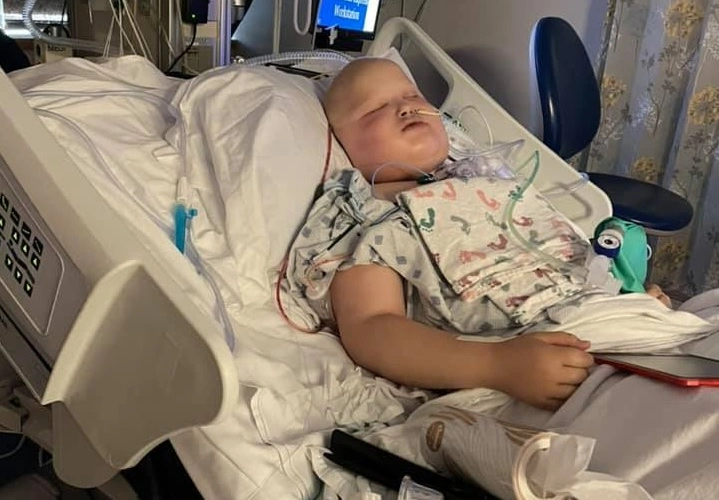
The medical emergency that would redefine the life of nine-year-old Fritz and his family began not in a hospital, but in a routine dental chair. What was initially suspected to be a common impacted tooth quickly escalated into a life-threatening diagnosis of Ewing sarcoma, an aggressive and rare bone cancer. The transition from a standard check-up to an emergency room CT scan was near-instantaneous, marked by a frantic text from Erika to her husband, Joe: “Come here right now. Something big is happening.” This moment served as the catalyst for a multi-year medical journey that highlights both the extraordinary advancements in pediatric oncology and the harrowing long-term costs of current treatment protocols.
When Fritz arrived at the emergency department, the medical staff bypassed the standard waiting room procedures, a signal that Erika noted as an immediate red flag. In the high-stakes environment of pediatric emergency medicine, the "red carpet" treatment usually indicates a case of extreme severity. A subsequent biopsy of the mass found in Fritz’s jaw proved perilous; the tumor was so highly vascular that the procedure resulted in the loss of nearly a liter of blood. Fritz required an immediate transfusion to stabilize his condition. The eventual diagnosis confirmed the family’s fears: Fritz was suffering from Ewing sarcoma, a malignancy that accounts for only about 1% of all childhood cancers.
The Statistical Anomaly of Ewing Sarcoma of the Jaw
Ewing sarcoma is a primary bone cancer that most frequently affects children and adolescents, typically manifesting in the long bones of the legs or arms, or within the pelvis. However, Fritz’s case represented a statistical anomaly within an already rare disease category. His tumor originated in the jaw, a presentation that occurs in less than 1% of all Ewing sarcoma cases. This "rare among the rare" status necessitated a rapid and aggressive clinical response, as there is no standard "mild" treatment for a malignancy of this nature.
According to the National Cancer Institute (NCI), Ewing sarcoma is characterized by a specific genetic translocation, most commonly involving the EWSR1 gene on chromosome 22 and the FLI1 gene on chromosome 11. This genetic "mismatch" creates a fusion protein that drives the uncontrolled growth of cancer cells. Because these tumors are highly aggressive and prone to metastasis, the treatment regimen is traditionally intensive, involving a combination of systemic chemotherapy, surgical intervention, and sometimes radiation.

A Comprehensive Clinical Intervention
The treatment plan for Fritz was multifaceted and physically demanding. To address the primary tumor site, surgeons performed a radical resection of his jaw. This complex reconstructive surgery involved removing more than two-thirds of the jawbone and replacing it with bone harvested from his leg—a procedure known as a fibula free flap. This type of microsurgery requires the connection of tiny blood vessels to ensure the transplanted bone remains viable in its new location.
Following the surgery, Fritz underwent a grueling course of chemotherapy. Among the drugs administered was Doxorubicin, a potent chemotherapeutic agent often referred to by patients and staff as the “Red Devil.” The nickname is derived from the drug’s bright red hue and its notorious toxicity. While Doxorubicin is highly effective at killing cancer cells, it is also known for its potential to cause significant damage to the heart muscle and other healthy tissues.
The medical journey did not end with chemotherapy and bone grafts. Fritz also required a complex airway reconstruction surgery to ensure he could breathe properly following the structural changes to his face and neck. Throughout these procedures, Fritz’s parents noted that he maintained a resilient spirit, frequently using humor and pranks to navigate the sterile and often frightening hospital environment. Joe recalled that Fritz’s personality remained intact despite the physical toll, a factor the family considers a vital component of his recovery.
The Long-Term Realities of Pediatric Cancer Survivorship
Today, Fritz’s scans show no evidence of disease (NED), a milestone that brings immense relief but does not signal the end of his medical needs. The very treatments that eradicated the cancer have left behind a legacy of "late effects"—chronic health issues that arise months or years after treatment concludes. This is a common reality for the estimated 500,000 childhood cancer survivors in the United States.
Erika observed that Fritz transitioned from a healthy child taking daily vitamins to a teenager who requires a complex regimen of medications usually reserved for older adults. His current care involves a multidisciplinary team of specialists, including:
- Oncologists: For ongoing monitoring of potential relapse.
- Endocrinologists: To manage hormonal imbalances often caused by intensive chemotherapy and radiation.
- Surgeons: To monitor the integrity of the jaw reconstruction and airway.
- Sleep Medicine Specialists: To address disruptions in sleep patterns caused by physiological changes and medication side effects.
The frequency of these appointments often consumes entire days, highlighting the "hidden" burden of cancer survivorship. The family emphasizes that while they are profoundly grateful for the life-saving treatments available, the severity of the side effects underscores an urgent need for more refined, less toxic therapeutic options.
The Funding Gap and the Role of Private Philanthropy
Fritz’s story serves as a poignant illustration of why dedicated pediatric cancer research is essential. Despite the life-threatening nature of these diseases, pediatric cancer research receives a disproportionately small fraction of federal funding compared to adult cancers. Data from the American Childhood Cancer Organization indicates that only about 4% of the National Cancer Institute’s annual budget is directed toward childhood cancer research.
Because many pediatric cancers like Ewing sarcoma are considered rare, they do not offer the same market incentives for pharmaceutical companies to develop new drugs. Consequently, the burden of funding innovation often falls on private philanthropy and non-profit organizations. The Children’s Cancer Research Fund (CCRF) is one such organization that bridges this gap. CCRF-funded research was instrumental in launching a recent major clinical trial focused on Ewing sarcoma. This trial is exploring targeted treatments designed to attack cancer cells specifically while sparing healthy tissue, with the ultimate goal of reducing the long-term side effects that Fritz and many others face.
Implications for Future Treatment Protocols
The shift toward "precision medicine" in pediatric oncology represents the next frontier in treatment. By understanding the specific genetic drivers of a tumor—such as the EWS-FLI1 fusion protein in Fritz’s case—researchers can develop small-molecule inhibitors or immunotherapies that are more effective and less damaging than traditional "Red Devil" chemotherapy.
Medical analysts suggest that the success of these targeted trials could revolutionize the standard of care. If successful, future patients may not have to endure the same level of physiological trauma currently required to achieve remission. Joe’s assertion that "our kids deserve better" reflects a growing sentiment among advocates and medical professionals alike: survival is the first goal, but the quality of that survival must be the second.
Conclusion: The 2026 Glamorama Ambassador
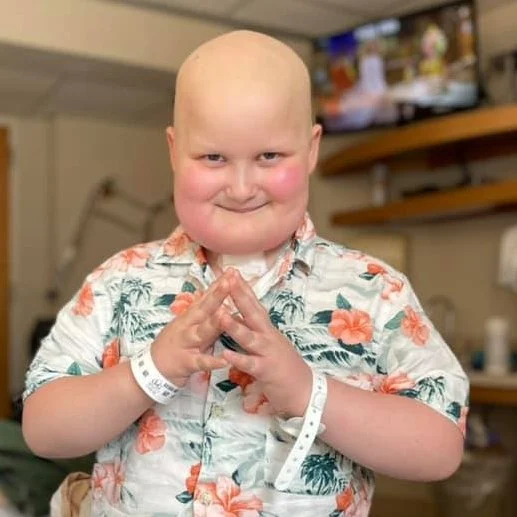
In recognition of his journey and his advocacy for other children, Fritz has been named the 2026 Glamorama Ambassador. Glamorama, a high-profile event benefiting the Children’s Cancer Research Fund, serves as both a celebration of survivors and a critical fundraising platform. As Fritz enters his teenage years, his role as an ambassador allows him to share his story on a national stage, putting a face to the statistics and highlighting the ongoing need for community-driven research support.
His journey from a 9-year-old in the ER to a teenage advocate underscores a broader narrative of hope and necessity. While the medical community has made significant strides in increasing the five-year survival rate for Ewing sarcoma—which now stands at approximately 60% to 70% for localized tumors—the challenges faced by survivors like Fritz remind society that the battle is not over when the last round of chemo is administered. The focus must now expand to ensuring that survivors can lead long, healthy lives free from the debilitating side effects of their own cure. Through continued investment in targeted research and the support of the community, the goal of a "better answer" for childhood cancer remains within reach.
