
 By admin
Held on April 9th at the distinguished New York Genome Center, Lumanity’s Cancer Progress 2026 convened an elite assembly of leaders from biotech, pharmaceutical companies, and academic research. Far from a mere showcase of innovation, the one-day forum, a tradition spanning nearly four decades, was specifically designed to rigorously pressure-test the current paradigms in oncology. The enduring mission of this annual gathering is to cultivate a space for frank, often challenging, dialogues about what truly propels cancer treatment forward and, crucially, what roadblocks persist. By the time the day’s final panel, provocatively titled "Beyond Next-Gen: How Should We Engineer Future Breakthroughs?", commenced, a palpable atmosphere of candid reflection had settled over the attendees. The discussions unequivocally underscored a critical juncture in cancer research, calling for a decisive pivot from broad, undirected experimentation to a more strategic, data-driven approach.
The Lumanity Cancer Progress Forum: A Legacy of Candor
The Lumanity Cancer Progress event has, since its inception in 1989, served as a vital crucible for critical thinking in oncology. Lumanity, a global healthcare consulting firm renowned for its expertise in life sciences, partners with key institutions like the New York Genome Center, an independent, non-profit academic research institution dedicated to genomic research, to host this influential forum. For nearly 40 years, the forum has fostered an environment where leaders can dissect successes and failures without reservation, pushing against conventional wisdom and challenging the status quo. This commitment to open dialogue is paramount in a field as complex and rapidly evolving as oncology, where the stakes are measured in human lives. The forum’s longevity and reputation are built on its ability to convene diverse perspectives, from drug developers to clinicians and basic scientists, all united by the common goal of eradicating cancer. This year’s gathering was no exception, drawing a robust attendance reflecting the industry’s eagerness to confront pressing challenges and collectively chart a more effective path forward.
From Serendipity to Strategy: The Evolution of Oncology Research
A central theme that resonated deeply across the panels, particularly in the concluding session, was the acknowledgment that much of the significant progress achieved in cancer treatment thus far has, in the words of one panelist, resulted from "throwing spaghetti at the wall." This colorful metaphor aptly describes an era characterized by strong biological hypotheses, the use of often imperfect preclinical models, and a general willingness to empirically test numerous interventions before a complete understanding of their mechanisms was in hand. Indeed, many of immuno-oncology’s most transformative breakthroughs, such as the initial development of checkpoint inhibitors, emerged from this very approach, where clinical observation often outpaced comprehensive mechanistic elucidation. Early successes with combination chemotherapies and later, targeted therapies, also benefited from this iterative, experimental methodology.
However, the consensus among the panelists was clear: this era of "productive chaos" is nearing its end. Dr. Alicia Zhou, Chief Executive Officer of the Cancer Research Institute (CRI), articulated this evolving perspective with precision. She clarified that experimentation itself remains indispensable but must be contextualized within the development pipeline. "There has to be the right time in the development pipeline—when I do think ‘spaghetti’ could be the right technique," Dr. Zhou explained. "But, I think when it comes to combinations, when you’re thinking about the multiple permutations that you could possibly have—that’s where we have to be more directed."
This sentiment reflects a growing concern within the oncology community regarding the over-indexing of experimentation, particularly concerning combination therapies. The prevailing logic has often been to combine any two therapies showing even modest benefit, and if that combination works in one context, to broadly apply it across various tumor types, lines of therapy, and modalities. This iterative process, while seemingly logical, has created a sprawling landscape of clinical trials—estimated to be over 18,000 active oncology trials globally in recent years, with a significant proportion exploring combinations—that often generates more data than actionable insight. The analogy was made to testing a recipe versus haphazardly dumping an entire pantry into a pot; thoughtful experimentation quickly devolves into excess, overwhelming researchers with variables and burying meaningful signals under a deluge of data. The average cost of bringing a single oncology drug to market can exceed $2 billion and take over a decade, making undirected, high-volume trial generation an increasingly unsustainable and inefficient model.
Unpacking Cancer’s Intricacies: Beyond the One-Size-Fits-All Paradigm
One of the most profound and persistent challenges in oncology is not a scarcity of innovative ideas but rather a fundamental mismatch between the inherent complexity of cancer and the often simplistic, uniform approaches applied to its treatment. Cancer is not a singular disease but rather a vast, heterogeneous collection of fundamentally distinct problems, each requiring a tailored solution. Dr. Zhou emphasized this point, stating that "The reason why we’re not seeing great outcomes across all tumor types is different. There are very different problem sets to be solved."
This heterogeneity manifests at multiple levels, from the genetic and molecular diversity within a single tumor (intra-tumor heterogeneity) to the vast differences between tumors of the same origin in different patients, and certainly across different organ systems. A therapy might "fail" for myriad reasons: it might never reach its intended target, the tumor might lack the necessary biomarker for response, or the cancer might adapt and develop resistance mechanisms. In other scenarios, disease progression might slow, only for metastasis or clonal expansion to lead to eventual relapse. Yet, these critical distinctions often fail to translate effectively into how therapies are developed, tested, or even categorized in clinical trials. The prevailing tendency to apply broad-spectrum approaches or to define "failure" as a monolithic outcome hinders the development of precision medicine strategies that are truly responsive to the unique biological landscape of each patient’s cancer. This disconnect between the intricate nature of the disease and the often uniform therapeutic response represents a significant bottleneck in achieving more widespread and durable cures. Understanding the nuanced mechanisms of resistance and non-response, rather than simply moving on to the next combination, is crucial.
AI as an Accelerator, Not an Oracle: Navigating the Future of Discovery
The omnipresent theme throughout the Lumanity Cancer Progress 2026 discussions was the transformative potential of artificial intelligence (AI) in revolutionizing new therapy development and patient access. Dr. Zhou offered a pragmatic and insightful perspective, asserting that while AI holds immense promise for oncology, it is not without fundamental limitations. "I believe generative AI is going to hit a wall," she cautioned. "It cannot predict things that we cannot actually validate biologically in the physical world."
Her statement served as a critical reminder not to overstate AI’s inherent understanding of human biology. While AI excels at pattern recognition, data synthesis, and hypothesis generation from vast datasets, its predictions remain, at their core, statistical inferences based on existing data. Without robust biological validation in the wet lab or clinical setting, AI-generated insights risk becoming "hallucinations"—plausible but ultimately biologically unsound. Dr. Zhou stressed that "letting AI run amok in that space is actually not useful, because there’s no way for us to validate if the prediction is a hallucination or if it’s biologically sound."
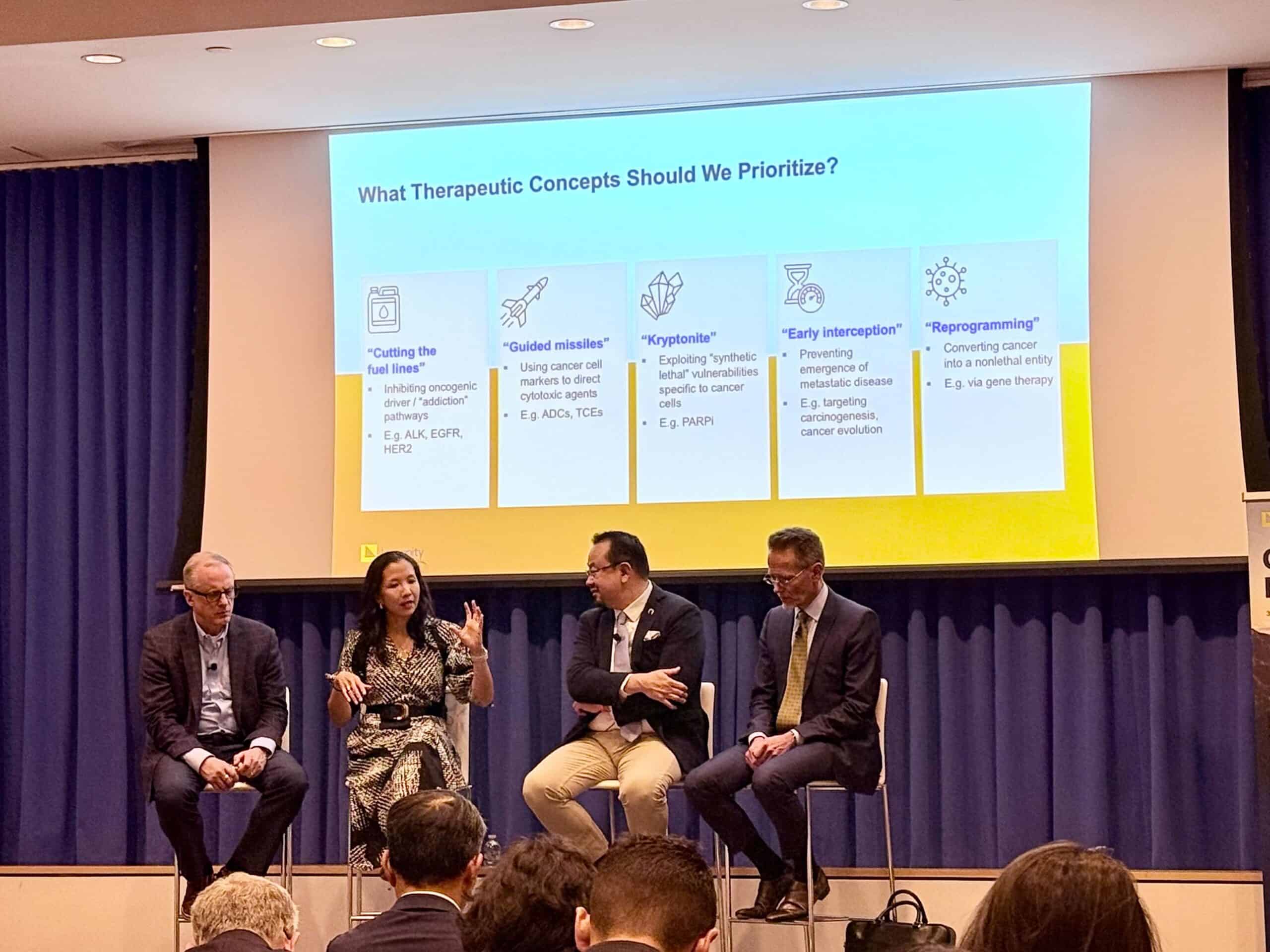
The true power of AI, she argued, lies in its ability to amplify human intelligence when supplied with high-quality, curated underlying data. "Ultimately, if we can supply the model with the right underlying data, I think that’s where AI can have a real, transformative, and accelerating approach," she affirmed. She pointed to the Cancer Research Institute’s newest endeavor, the CRI Discovery Engine, as a potential solution to the challenges scientists face in integrating AI into their daily workflows. This initiative aims to consolidate, standardize, and curate diverse immunological and oncology data, providing a robust foundation for AI algorithms. Current applications of AI in oncology already span diverse areas, including accelerated drug discovery (e.g., identifying novel drug targets, optimizing lead compounds), improving diagnostic accuracy (e.g., pathology image analysis, radiological interpretation), and refining clinical trial design by identifying optimal patient cohorts. The global market for AI in healthcare is projected to reach hundreds of billions of dollars by the next decade, indicating massive investment and belief in its potential. However, the panelists underscored that AI is not the breakthrough itself, but rather a powerful tool that, when wielded intelligently and responsibly, can illuminate where the next breakthroughs are hidden, helping researchers understand the "mechanism of what’s actually happening" rather than blindly exploring.
The Immunotherapy Conundrum: A Call for Deeper Biological Understanding
Nowhere is the inherent complexity of cancer more starkly illuminated than in the realm of immuno-oncology. Unlike conventional targeted therapies that aim to directly inhibit specific molecular pathways within tumor cells, immunotherapy operates by engaging and unleashing the patient’s own immune system to recognize and destroy cancer cells. This involves initiating a dynamic "conversation between two different cell types and systems at the same time," as Dr. Zhou described, making it an extraordinarily intricate process.
When immunotherapy fails, the reasons are often opaque. Did the therapeutic agent effectively reach the immune system? Did the immune system mount a robust response? If so, did that response successfully infiltrate the tumor microenvironment and exert its cytotoxic effects, or was it somehow thwarted along the way? Instead of systematically answering these critical mechanistic questions, the field has frequently resorted to adding more variables—more drugs, more combinations, more trials—in an effort to find a synergistic effect through brute force. This approach, while generating a flurry of activity, has not consistently led to a commensurate increase in fundamental biological understanding. Response rates to checkpoint inhibitors, for instance, vary widely, from over 50% in certain indications like melanoma to less than 15% in many other solid tumors, underscoring the profound gaps in our knowledge.
The panel reached a clear consensus: there has been a critical underinvestment in truly understanding the intricate biology of these immune-tumor interactions. This knowledge gap has now become a significant bottleneck, impeding the rational design of next-generation immunotherapies and more effective combination strategies. Moving forward, a renewed emphasis on comprehensive mechanistic studies, employing advanced techniques such as single-cell transcriptomics, spatial biology, and sophisticated immunological assays, is indispensable to unlock the full potential of immuno-oncology.
Reinventing the Economic Blueprint for Cancer Drug Development
Beyond the scientific and technological discussions, the Lumanity forum broadened its scope to address the structural economic challenges plaguing cancer drug development. The paradox is stark: scientific innovation continues to sharpen, yielding more targeted therapies and, in many cases, improved patient outcomes, yet the underlying economic model has demonstrably failed to keep pace. The pharmaceutical industry is grappling with declining returns on investment (ROI) despite soaring research and development (R&D) expenditures. The average cost of bringing a new drug to market, often cited between $1 billion and $2.6 billion, coupled with increasing development times (averaging 10-15 years), creates an unsustainable pathway, especially for therapies targeting smaller, more defined patient populations. The traditional "blockbuster" model is increasingly challenged by the rise of precision medicine, which, while offering more effective treatments for specific cohorts, often results in smaller market sizes.
This structural challenge, the panel argued, cannot be solved by scientific progress alone. It necessitates systemic-level changes. Discussions revolved around rethinking conventional clinical trial designs, exploring the utility of synthetic control arms derived from real-world data, and innovating regulatory approval pathways. Traditional randomized controlled trials, while the gold standard, are often lengthy, expensive, and may not be feasible for rare cancers or highly stratified patient populations. Adaptive trial designs, basket trials (testing one drug across multiple tumor types with a common biomarker), and umbrella trials (testing multiple drugs in one tumor type stratified by biomarkers) offer more efficient alternatives. Furthermore, the concept of leveraging real-world evidence (RWE) to create synthetic control arms could significantly reduce the cost and duration of clinical development, accelerating patient access. Policymakers and regulatory bodies, such as the FDA and EMA, are already exploring these avenues, but broader implementation and acceptance are crucial. These proposed shifts are not incremental tweaks; they represent fundamental paradigm changes in how oncology research is funded, conducted, and regulated, with profound implications for innovation, drug accessibility, and the overall sustainability of healthcare systems.
A New Horizon: Disruption as the New Constant in Oncology
Since its inaugural meeting in 1989, Lumanity’s Cancer Progress has always maintained a forward-looking perspective. This year, however, the sense of an imminent paradigm shift felt more acute, the horizon of disruption closer than ever. Dr. Zhou framed this disruption not as a mere possibility but as an inevitability. Her unequivocal statement, "AI is going to fundamentally transform the way we do everything," underscored the pervasive impact expected from this rapidly advancing technology.
However, AI is just one facet of a broader landscape of accelerating change. Global competition in scientific discovery and technological innovation is intensifying, with nations vying for leadership in biotech and pharma. The looming "patent cliffs" for numerous blockbuster drugs—where exclusivity expires, opening the door to generic competition—are forcing pharmaceutical companies to aggressively pursue new pipelines and business models. Concurrently, new players, including tech giants, venture-backed startups, and non-traditional research entities, are entering the healthcare ecosystem, bringing novel approaches and challenging established incumbents. The emergence of new therapeutic modalities, such as gene editing technologies (e.g., CRISPR), advanced mRNA-based therapies, and sophisticated cell therapies, further amplifies the pace of change. This confluence of technological, economic, and geopolitical forces means that the oncology landscape is undergoing a profound and irreversible transformation. The luxury of slow, incremental adaptation is no longer an option; the imperative for agility, foresight, and a willingness to embrace radical change is paramount.
Charting a Deliberate Course: The Path Forward for Cancer Breakthroughs
If Lumanity’s Cancer Progress forum is designed to challenge entrenched assumptions and provoke forward-thinking, this year’s concluding panel unequivocally delivered on that promise. The insights shared by the distinguished panelists were not a rejection of the historical approaches that have brought the industry to its current point, but rather a clear articulation that those same methods are insufficient to propel it into the future.
The core message was unambiguous: while experimentation remains crucial and serendipity will always play a role, the next wave of transformative breakthroughs in oncology will not emerge from simply "throwing more spaghetti at the wall" or generating an ever-increasing volume of undifferentiated ideas. Instead, future discoveries will necessitate a far more intentional, directed, and biologically informed approach. This requires a deeper commitment to understanding the fundamental mechanisms of cancer and immune system interactions, a more strategic integration of advanced computational tools like AI with robust biological validation, and a fundamental reimagining of the economic and regulatory frameworks governing drug development. At this pivotal juncture, the critical challenge is no longer about our capacity to generate novel ideas; it is about our ability to critically evaluate, integrate, and ultimately make profound sense of the vast wealth of information and therapeutic possibilities that already exist, thereby charting a deliberate and effective course toward a future free from the burden of cancer.
