
 By Billy Candra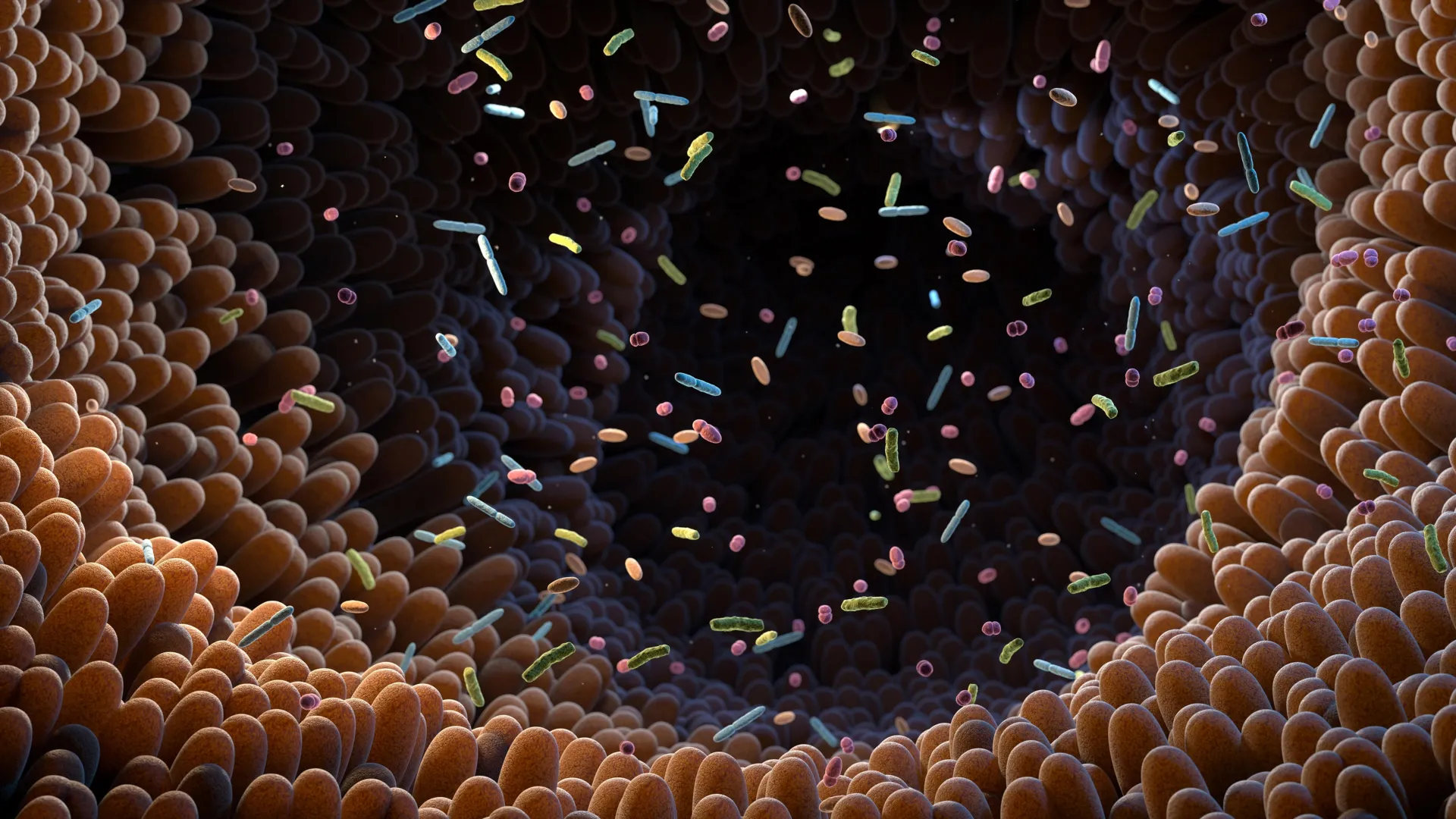
Cardiovascular diseases (CVDs) stand as an unparalleled global health crisis, claiming an estimated 17.9 million lives each year, according to the World Health Organization (WHO), making them the leading cause of death worldwide. This staggering figure represents approximately 32% of all global deaths, with heart attacks and strokes accounting for over three-quarters of these fatalities. The economic burden is equally immense, with healthcare costs, lost productivity, and premature mortality placing significant strain on economies globally. While well-established risk factors such as genetics, lifestyle choices (diet, exercise, smoking), hypertension, and diabetes are widely recognized, scientific inquiry is increasingly pointing towards an unexpected, yet profoundly influential, player: the trillions of microorganisms residing within the human gut. These microbes, collectively known as the gut microbiome, are now understood to be deeply involved in the genesis and progression of coronary artery disease (CAD), a condition characterized by the narrowing of the arteries that supply blood to the heart. For decades, the precise mechanisms through which these microscopic inhabitants exert such a substantial influence on heart health have remained largely enigmatic.
Recent advancements in microbial research have begun to illuminate the complex interplay between the gut microbiome and the cardiovascular system. It is increasingly evident that the gut ecosystem can promote CAD through a diverse array of biological pathways, profoundly impacting systemic inflammation, lipid metabolism, and glucose regulation—all critical factors in arterial health. Despite this growing understanding, the identification of specific bacterial species responsible for these effects, and the detailed molecular processes by which they contribute to disease progression, has presented a formidable challenge. Unraveling these intricacies is paramount for developing targeted interventions.
Pioneering Research from Seoul: Unraveling the Mystery
A significant stride towards demystifying this complex relationship has been made by a dedicated team of researchers in Seoul, South Korea. Their groundbreaking work, recently published in the esteemed scientific journal mSystems, offers unprecedented insights into how gut microbes interact with the cardiovascular system. The study, led by Dr. Han-Na Kim, Ph.D., from the Samsung Advanced Institute for Health Sciences and Technology at Sungkyunkwan University, represents a crucial shift in focus. "We’ve gone beyond merely identifying ‘which bacteria live there’ to uncovering what they actually do in the heart-gut connection," Dr. Kim explained, emphasizing the team’s commitment to functional characterization over simple enumeration. This research is part of a broader, global effort to integrate microbiome science into mainstream medicine, recognizing its potential to transform diagnostics and therapeutics.
The methodology employed by Dr. Kim’s team involved a meticulous analysis of fecal samples, serving as a proxy for the gut microbiome. The study cohort comprised 14 individuals diagnosed with coronary artery disease and a control group of 28 healthy participants. To gain a comprehensive understanding of the microbial landscape, the researchers utilized metagenomic sequencing, a powerful molecular technique. Unlike 16S rRNA gene sequencing, which targets a specific gene to identify bacterial species, metagenomic sequencing involves sequencing all the DNA present within a sample. This allows for the reconstruction of the complete genetic makeup of individual microbes, providing not only species-level identification but also insights into their metabolic potential and functional capabilities. Through this high-resolution approach, the research team successfully identified 15 specific bacterial species demonstrably linked to CAD and, more importantly, began to map the intricate biological pathways connecting these microbes to the severity of the disease. This level of detail moves the field beyond mere correlation towards mechanistic understanding.
Key Discoveries: Inflammation, Imbalance, and Microbial Shifts
The findings from Seoul paint a vivid picture of a gut ecosystem in disarray among individuals with CAD. Dr. Kim elaborated on the dramatic functional alterations observed: "Our high-resolution metagenomic map shows a dramatic functional shift toward inflammation and metabolic imbalance, a loss of protective short-chain fatty acid producers, such as Faecalibacterium prausnitzii, and an overactivation of pathways, such as the urea cycle, linked to disease severity."
This statement encapsulates several critical insights. Firstly, the gut microbiome in CAD patients appears to be functionally primed for inflammation. Chronic low-grade inflammation is a well-established driver of atherosclerosis, the hardening and narrowing of arteries. An imbalanced gut microbiota can contribute to systemic inflammation through various mechanisms, including the production of pro-inflammatory metabolites, disruption of the gut barrier (leading to "leaky gut" and translocation of bacterial components into the bloodstream), and modulation of host immune responses.
Secondly, the observed "metabolic imbalance" points to a disruption in normal physiological processes regulated by gut microbes. This can include altered bile acid metabolism, impaired glucose homeostasis, and changes in lipid processing, all of which are directly relevant to cardiovascular risk. The loss of beneficial bacteria, particularly short-chain fatty acid (SCFA) producers like Faecalibacterium prausnitzii, is a significant concern. SCFAs, such as butyrate, propionate, and acetate, are crucial for maintaining gut barrier integrity, exerting anti-inflammatory effects, and serving as an energy source for colonocytes. A reduction in these protective compounds can weaken the gut barrier, allowing inflammatory molecules to enter circulation and exacerbate systemic inflammation, thereby contributing to atherosclerosis. F. prausnitzii is consistently identified as one of the most abundant and important butyrate producers in a healthy gut, and its depletion is often associated with various inflammatory conditions, including inflammatory bowel disease and, now, CAD.
Thirdly, the overactivation of pathways like the urea cycle is a novel and intriguing finding. The urea cycle is primarily involved in detoxifying ammonia in the liver. Its overactivation in the context of the gut microbiome, potentially driven by specific bacterial activities, could lead to altered nitrogen metabolism. While the precise link to CAD severity requires further elucidation, this could involve the production of uremic toxins that negatively impact vascular health, or it might signal broader metabolic stress influencing systemic inflammation and endothelial dysfunction. These shifts collectively offer a compelling explanation for the gut microbiome’s profound influence on cardiovascular disease.
The "Dr. Jekyll and Mr. Hyde" of the Gut: Challenging Assumptions
Perhaps one of the most surprising and paradigm-shifting discoveries of the study was the revelation that bacteria typically classified as beneficial can, under certain circumstances, adopt harmful roles. Species such as Akkermansia muciniphila and F. prausnitzii, widely recognized as "friendly" or protective microbes, appeared to behave differently depending on whether they originated from a healthy or a diseased gut environment. A. muciniphila, for instance, is often lauded for its role in strengthening the gut barrier and improving metabolic health, frequently targeted by probiotic interventions. Yet, its altered function in a diseased gut suggests a remarkable plasticity.
Dr. Kim underscored the profound implication of this dual nature: "This dual nature highlights how context can transform even protective microbes into contributors to disease." This finding challenges the simplistic "good bacteria, bad bacteria" dichotomy that has often characterized early microbiome research. Instead, it emphasizes the dynamic and context-dependent nature of microbial function. A bacterium’s impact is not solely defined by its species identity but by its genetic strains, the metabolic environment it inhabits, the presence of co-existing microbes, and the host’s physiological state. This complexity underscores why translating general probiotic advice into personalized health outcomes remains a significant challenge.
Further complicating the narrative, the study also provided conflicting insights into the Lachnospiraceae family. Previous research had indicated a decrease in certain species within this family in individuals with CAD, leading to the assumption that they were broadly protective. However, Dr. Kim’s team discovered that other Lachnospiraceae species actually increased in abundance in CAD patients. This contradictory evidence prompted Dr. Kim to quip, "Lachnospiraceae may be the Dr. Jekyll and Mr. Hyde of the gut." This vivid analogy perfectly captures the perplexing reality: some types within this family appear beneficial, contributing to SCFA production, while others may exacerbate disease. The critical unanswered question, she noted, is "which strains are the healers, and which are the troublemakers." Distinguishing between these specific strains will be crucial for developing targeted microbial therapies.
Implications for Cardiovascular Medicine
The implications of these findings are far-reaching for the field of cardiovascular medicine. They reinforce the concept of the "heart-gut axis" as a critical nexus for health and disease. Understanding the specific microbial shifts and functional changes provides new targets for intervention beyond traditional pharmacological approaches. The nuanced understanding that even "beneficial" bacteria can turn harmful under certain conditions necessitates a more sophisticated approach to microbiome modulation.
From a clinical perspective, this research suggests that personalized diagnostics based on an individual’s gut microbiome profile could become a powerful tool for assessing CAD risk and disease progression. Instead of a one-size-fits-all approach, future interventions could be tailored to correct specific microbial imbalances identified in a patient. This represents a significant shift from broad-spectrum treatments to precision microbial medicine.
Toward Precision Microbial Medicine: The Future of Prevention
Looking ahead, the researchers are committed to integrating microbial data with other layers of biological information, including genetic and metabolic profiles. This "multi-omics" approach aims to construct an even more comprehensive understanding of how gut microbes influence heart disease at a mechanistic level. By combining genomics (host and microbial), metabolomics (identifying metabolites produced by microbes and host), and proteomics, scientists can gain a holistic view of the complex interactions that drive cardiovascular pathology.
The overarching long-term goal of Dr. Kim’s team is ambitious yet transformative: to develop precision-based treatments that leverage microbial insights to prevent cardiovascular disease before its onset. Dr. Kim emphatically stated that prevention remains the most promising strategy for mitigating the devastating global impact of heart disease. This proactive approach contrasts sharply with current strategies that often focus on managing established disease.
Potential preventive and therapeutic strategies stemming from this research are diverse and innovative. They include:
- Microbial Therapies: This could involve highly targeted probiotic interventions, where specific beneficial strains are introduced to restore balance, or prebiotics, which are non-digestible food ingredients that selectively stimulate the growth and activity of beneficial gut microorganisms. More advanced strategies might include fecal microbiota transplantation (FMT) for severe dysbiosis, though its application for CAD would require extensive research and safety protocols.
- Stool-Based Diagnostic Screening: Developing non-invasive diagnostic tests based on gut microbiome analysis could allow for early identification of individuals at high risk for CAD, even before clinical symptoms appear. Such screening could identify specific microbial signatures indicative of impending cardiovascular issues, enabling timely preventive measures.
- Dietary Interventions: Given the profound influence of diet on the gut microbiome, personalized dietary recommendations tailored to an individual’s microbial profile could be a powerful tool. This could involve promoting foods that encourage the growth of beneficial SCFA producers or inhibiting the pathways of harmful microbes. For example, a diet rich in fermentable fibers could be recommended to boost F. prausnitzii populations where they are deficient.
Expert Perspectives and Broader Context
While Dr. Kim’s team is pioneering this specific research, the broader scientific and medical communities are increasingly recognizing the gut microbiome’s role in health. Dr. Martin Blaser, a prominent microbiologist and author of "Missing Microbes," has long championed the idea that the disruption of our microbial ecosystems is contributing to a rise in chronic diseases. Dr. Stanley Hazen at the Cleveland Clinic has conducted extensive research on the gut microbe-generated metabolite trimethylamine N-oxide (TMAO), demonstrating its strong link to cardiovascular disease. These independent lines of research collectively underscore the growing consensus on the microbiome’s importance.
The timeline of microbiome research has seen an explosion of activity in the last two decades, driven by advances in sequencing technologies. From initial studies simply identifying species (16S rRNA) to current functional metagenomics and multi-omics approaches, the field is rapidly maturing. This Seoul study represents a cutting-edge example of this evolution, moving from association to a more mechanistic understanding, which is crucial for clinical translation.
However, the path to implementing precision microbial medicine is not without its challenges. Regulatory hurdles for microbial therapies, the standardization of diagnostic tests, the cost of advanced sequencing, and public education on the importance of gut health are all significant considerations. Ethical questions surrounding the manipulation of the microbiome also warrant careful consideration.
Conclusion: A New Frontier in Heart Health
By meticulously uncovering specific bacterial species and elucidating the complex biological mechanisms through which they influence cardiovascular health, scientists are charting a new course in the fight against heart disease. The research from Dr. Han-Na Kim’s team in Seoul marks a pivotal moment, shifting the focus from broad correlations to precise, functional insights. This deeper understanding of the heart-gut connection holds immense promise for developing innovative, precision-based strategies that could fundamentally transform how we prevent, diagnose, and treat coronary artery disease, ultimately leading to a future where maintaining heart health is inextricably linked to nurturing a balanced and functional gut microbiome. This new frontier in medicine offers a beacon of hope for lowering the global impact of cardiovascular diseases, offering personalized solutions where traditional approaches have fallen short.
