
 By admin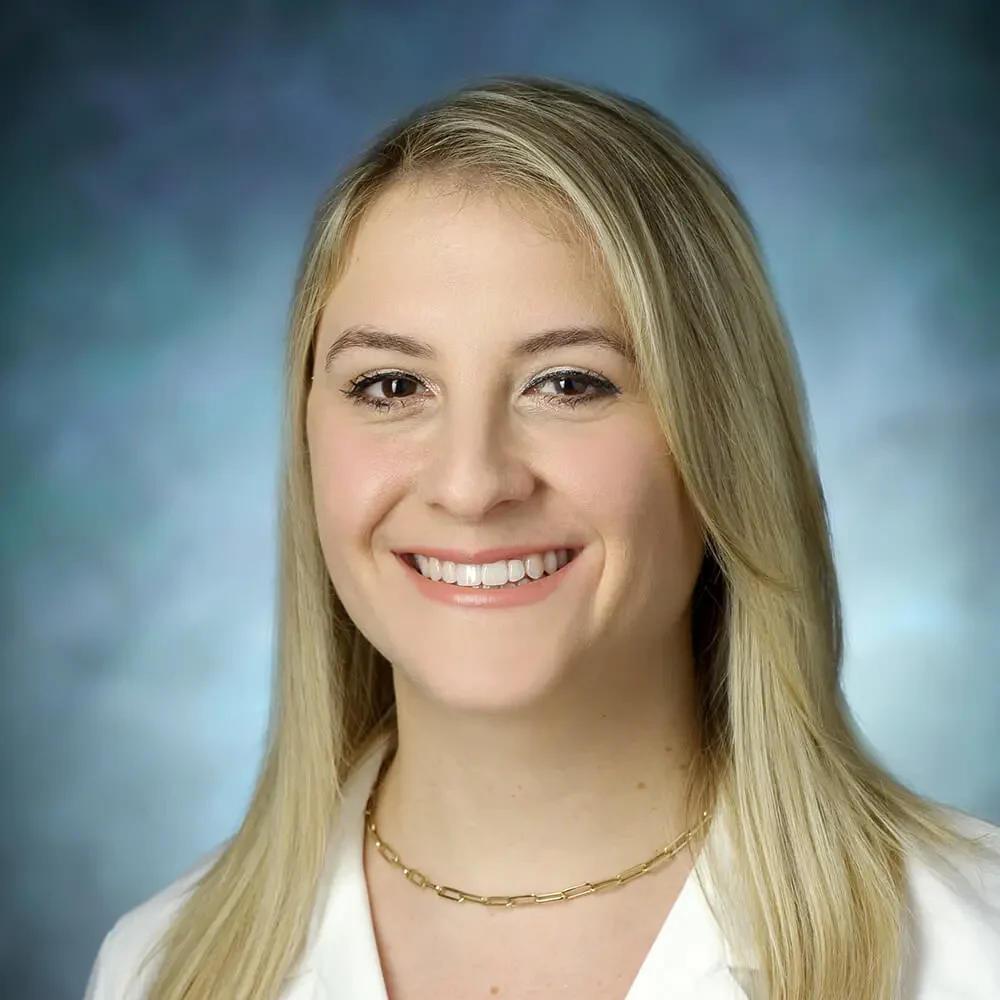
The landscape of cancer treatment is undergoing a profound transformation, shifting from a generalized approach to one hyper-focused on the individual patient. At the forefront of this revolution is Dr. Julie Deutsch, a distinguished physician-scientist and pathologist at Johns Hopkins University, who has recently been honored with the prestigious Cancer Research Institute (CRI) STAR award. This significant grant will fuel her groundbreaking research aimed at developing the next generation of tissue-based biomarkers, leveraging advanced computational approaches, including machine learning, to precisely guide cancer treatment decisions. Dr. Deutsch’s work promises to unlock critical information hidden within routinely collected tissue samples, offering clinicians an unprecedented ability to tailor therapies, predict patient responses, and ultimately improve outcomes in the fight against cancer.
The Evolving Paradigm of Cancer Treatment: From Aggregate to Individualized Care
For decades, cancer treatment often followed a largely empirical path, with therapies selected based on population-level clinical trial data. While these aggregate statistics have led to significant advancements, they inherently overlook the vast biological heterogeneity of cancer and, crucially, the unique responses of individual patients. A therapy deemed "successful" in a large cohort might fail spectacularly for a specific patient, exposing them to debilitating toxicities without any clinical benefit. This challenge has driven a global scientific imperative to transition towards "precision oncology," a model that seeks to understand each patient’s tumor at a molecular level and match them with the most effective, least toxic treatment regimen.
The journey towards precision oncology began in earnest with the advent of targeted therapies in the early 2000s, which demonstrated remarkable efficacy in patient subsets whose tumors harbored specific genetic mutations. For example, the discovery of EGFR mutations in non-small cell lung cancer or HER2 amplification in breast cancer paved the way for drugs specifically designed to inhibit these aberrant pathways. However, even with these breakthroughs, predicting which patients will respond, for how long, and when resistance might emerge remains a formidable challenge. This is where the development of robust, predictive biomarkers becomes paramount – molecular or cellular indicators that can reliably forecast a patient’s response to a particular therapy.
Dr. Julie Deutsch: A Visionary Pathologist at the Intersection of Biology and AI
Dr. Julie Deutsch embodies the interdisciplinary spirit required to navigate this complex frontier. As a pathologist, her professional life revolves around the meticulous examination of tissue samples under the microscope, a practice that forms the bedrock of cancer diagnosis. Yet, where others might see merely a standard pathology slide, Dr. Deutsch perceives a rich, untapped reservoir of biological information. "I’ve seen the power of having the pathology specimen and what information we can glean from it make a real difference for patients," Dr. Deutsch stated. "Not only in prognosticating them, but also in giving clinicians an opportunity to make decisions based on the pathology that these patients have." Her unique vantage point allows her to bridge the microscopic world of cellular architecture with the macroscopic reality of patient care, identifying critical links between tissue morphology and therapeutic efficacy.
Her research endeavors are fundamentally rooted in the belief that these routinely collected tissue samples, often preserved for years, hold secrets that modern computational tools can now unlock. By integrating traditional pathology with cutting-edge machine learning algorithms, Dr. Deutsch aims to extract nuanced patterns and correlations that are imperceptible to the human eye but could be highly predictive of treatment response or resistance. This innovative fusion of classical pathology with artificial intelligence represents a significant leap forward in biomarker discovery.
Unlocking Hidden Information: The Core of Her CRI-Funded Research
With the support of the CRI STAR award, Dr. Deutsch’s research program is poised to delve deep into the microscopic world of tumor tissue, employing advanced computational methods to decipher its intricate language. Her approach involves digitizing pathology slides – converting high-resolution images of tissue samples into data that can be analyzed by algorithms. Machine learning models are then trained to identify specific features, patterns, or spatial relationships within these images that correlate with how a patient’s cancer responds to therapy. This could include subtle changes in cell morphology, the spatial arrangement of different cell types (tumor cells, immune cells, stromal cells), or the distribution of specific protein markers.
The potential impact of this work is vast. Currently, many treatment decisions rely on a limited set of biomarkers, often genetic mutations identified through sequencing. While invaluable, these provide only a partial picture. Dr. Deutsch’s tissue-based biomarkers aim to capture a broader spectrum of biological information, including the tumor microenvironment, which is increasingly recognized as a critical determinant of treatment response. By analyzing the "context" within the tissue, her research seeks to answer questions like: Is the immune system actively infiltrating the tumor? Are there signs of fibrosis or angiogenesis that might impede drug delivery? How does the tumor architecture itself evolve under therapy?
The Promise of Precision Oncology: Matching the Right Patient with the Right Treatment
The ultimate goal of Dr. Deutsch’s research is to achieve precision oncology at its most practical and impactful level. Her work is designed to develop biomarkers that can serve as real-time guides for clinicians, enabling them to:
- Predict Response: Identify patients most likely to benefit from a specific therapy before treatment initiation, sparing non-responders from unnecessary toxicity and expense.
- Monitor Efficacy: Detect early signs of treatment response or, critically, resistance, allowing for timely adjustments to therapy.
- Personalize Treatment: Facilitate the matching of individual patients with the optimal treatment strategy, moving beyond broad classifications.
"You don’t want to expose patients to a therapy that they’re not going to benefit from, and they’re just going to have toxicity," Dr. Deutsch emphasized. "Really trying to match the right patient with the right therapy is so critically important." This patient-centric philosophy underpins her entire research agenda, aiming to minimize harm and maximize benefit. According to the National Cancer Institute, only about 25-30% of cancer patients typically respond to standard chemotherapy, highlighting the urgent need for more precise predictive tools. Even for targeted therapies, resistance often develops, making dynamic biomarkers essential for sustained efficacy.
The Crucial Challenge of Implementation: From Lab to Clinic
Discovering a promising biomarker is merely the first hurdle; the greater challenge often lies in its successful translation and implementation into routine clinical practice. This is a defining focus of Dr. Deutsch’s research – ensuring that her laboratory discoveries are not just scientifically elegant but also clinically practical and scalable. This means developing approaches that are robust enough to work not only in highly specialized academic medical centers equipped with state-of-the-art technology and expertise but also eventually in community hospitals and clinics, where the vast majority of patients receive their care.
"You can have the best biomarker in the world, but if it doesn’t get to patients and doesn’t help them in real time, then it’s useless," she asserted. This pragmatic outlook is critical for bridging the notorious "valley of death" between basic scientific discovery and widespread clinical utility. Implementation research addresses questions of feasibility, cost-effectiveness, workflow integration, and the generalizability of new diagnostic tools across diverse healthcare settings. Without a dedicated focus on these translational aspects, even the most revolutionary biomarker might remain confined to research laboratories.
The Cancer Research Institute’s STAR Award: Empowering Ambitious Science
The Cancer Research Institute (CRI) STAR (Scientists Taking A Risk) award is uniquely designed to support exceptional early-career scientists like Dr. Deutsch, offering the flexibility and sustained funding necessary for ambitious, high-impact research. Unlike traditional grants that often fund narrowly defined projects, the STAR program invests in the investigator, providing them with the freedom to explore unconventional ideas, adapt their research as scientific understanding evolves, and pursue directions that might be considered too risky or nascent for conventional funding mechanisms.
This flexibility has proven invaluable for Dr. Deutsch. Her integration of machine learning into pathology, for instance, was not an initial part of her envisioned career path. However, by collaborating across disciplines and allowing the science to guide her, she embraced computational approaches that opened entirely new avenues for answering her core research questions. "The ability to be in the right space and have access to samples and come up with new ideas, and that ability to sort of adapt in real time to the changing needs of science and of medicine is really amazing," she reflected. This adaptive capacity is precisely what the STAR award aims to foster, recognizing that groundbreaking discoveries often emerge from unexpected interdisciplinary synergies.
Bridging Disciplines: The Transformative Role of Machine Learning
The incorporation of machine learning into pathology represents a paradigm shift. Historically, pathologists have relied on their extensive training and pattern recognition skills to interpret tissue samples. While indispensable, human analysis can be subject to variability and limitations in processing vast amounts of complex data. Machine learning algorithms, by contrast, can analyze thousands of features simultaneously, identify subtle correlations, and learn to predict outcomes based on patterns that are invisible or too complex for human cognition alone.
For Dr. Deutsch, this means moving beyond subjective qualitative assessments to objective, quantitative analysis of pathology slides. These algorithms can identify and quantify specific cell types, measure their proximity, analyze their nuclear morphology, and even detect changes in tissue texture or architecture that correlate with drug response. This blend of human expertise and artificial intelligence creates a powerful synergy, enhancing diagnostic accuracy and predictive power, thereby accelerating the journey toward truly personalized medicine. The field of computational pathology is rapidly expanding, with AI tools showing promise in areas from prostate cancer grading to predicting immunotherapy response in melanoma.
Supporting the Next Generation of Scientists: A Critical Investment
The timing of the STAR award is particularly critical for early-career researchers like Dr. Deutsch. Securing funding for innovative, high-risk, high-reward research, especially in translational science where discoveries must move from the laboratory bench to the patient bedside, can be exceedingly difficult through traditional federal grant mechanisms. These mechanisms often favor established investigators and projects with extensive preliminary data, leaving a significant funding gap for promising young scientists whose ideas are still in their formative stages.
"As an early-stage researcher, my career goals and ability to conduct research would not be possible without foundations like this," Dr. Deutsch affirmed. "It’s foundations like CRI that make that possible." Organizations like CRI play an indispensable role in nurturing the next generation of scientific leaders, providing the crucial early-career support that allows them to establish their independent research programs and pursue transformative ideas. Without such philanthropic investment, many potentially life-saving discoveries might never come to fruition.
The Broader Impact: A Future of Tailored Therapies
Ultimately, every facet of Dr. Deutsch’s research converges on a single, paramount objective: improving patient care. By extracting new, actionable information from existing tissue samples and developing practical, scalable methods to deploy this knowledge, she aims to fundamentally reshape how clinicians make treatment decisions for individual cancer patients. This involves moving beyond generalized protocols to a future where each patient’s unique biological profile dictates their therapeutic journey.
The implications of this work extend beyond individual patient benefits. Widespread adoption of these advanced biomarkers could lead to:
- Reduced Healthcare Costs: By preventing the use of ineffective therapies, healthcare systems can save billions annually in drug costs, hospitalization, and managing adverse events.
- Accelerated Drug Development: Better biomarkers can streamline clinical trials by more accurately identifying responsive patient populations, making drug development faster and more efficient.
- Enhanced Patient Experience: Minimizing exposure to toxic, ineffective treatments dramatically improves patients’ quality of life during their cancer journey.
Challenges and the Road Ahead
Despite the immense promise, the path to widespread biomarker implementation is not without its challenges. These include the need for rigorous validation of new biomarkers in diverse patient cohorts, the development of standardized protocols for data collection and analysis, regulatory hurdles for new diagnostic tests, and the continuous education of clinicians on how to integrate these complex data points into their practice. Moreover, ensuring equitable access to these advanced diagnostic tools across different socioeconomic and geographical contexts will be crucial.
However, Dr. Deutsch’s explicit focus on practicality and scalability, coupled with the flexible support from the CRI STAR award, positions her research to overcome many of these hurdles. Her commitment to developing tools that are not only scientifically sound but also clinically deployable underscores a visionary approach to translational science.
Conclusion: Investing in a More Precise Future
From unearthing novel insights within familiar pathology slides to meticulously planning their real-world application, Dr. Julie Deutsch embodies the bold, patient-centered innovation that the Cancer Research Institute’s STAR program was designed to champion. Her work represents a critical step forward in the quest for truly personalized cancer medicine, where "flying blind" is no longer an acceptable standard of care. CRI’s investment in her vision is an investment in a future where increasingly precise, AI-driven biomarkers will make cancer treatment more informed, more effective, and profoundly more personal for every patient who faces this formidable disease.
