
 By Suherman Candra Maholtra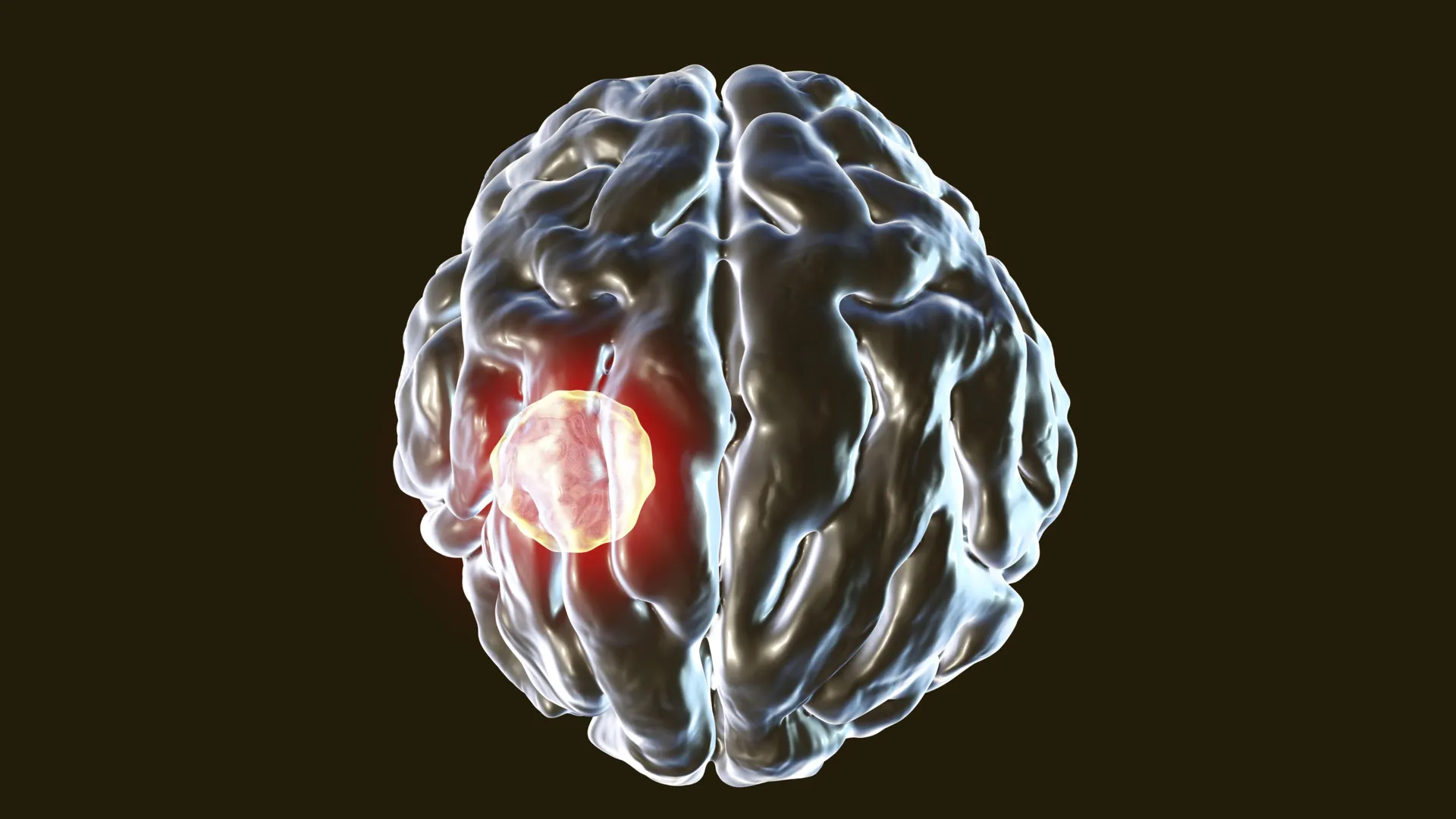
In a significant advancement for the field of neuro-immunology, researchers at the University of Virginia School of Medicine have identified a critical survival mechanism the body employs to combat Toxoplasma gondii, a pervasive parasite that establishes lifelong infections in the brain. The study, led by Tajie Harris, PhD, reveals that the very immune cells dispatched to eliminate the parasite—specialized CD8+ T cells—can themselves become targets of infection. However, the research demonstrates that the body has evolved a sophisticated "fail-safe" strategy: when these T cells are breached by the parasite, they utilize an enzyme called caspase-8 to undergo a programmed self-destruction. This cellular suicide effectively traps and neutralizes the parasite, preventing it from using the immune system as a vehicle for further spread.
The findings, published in the journal Science Advances, offer a new perspective on the arms race between pathogens and the host immune system. By understanding the molecular triggers that allow the body to maintain a stalemate with T. gondii, scientists may be better equipped to develop treatments for individuals whose immune systems are unable to sustain this balance, particularly those with HIV/AIDS, organ transplant recipients, and patients undergoing chemotherapy.
The Global Prevalence and Pathogenesis of Toxoplasma gondii
Toxoplasma gondii is arguably one of the most successful parasites on Earth. While it can only sexually reproduce within the digestive tracts of felids (members of the cat family), it is capable of infecting nearly all warm-blooded animals, including humans. According to the Centers for Disease Control and Prevention (CDC), more than 40 million people in the United States alone carry the parasite. Globally, it is estimated that one-third of the human population is chronically infected.
Human exposure typically occurs through three primary routes: the ingestion of undercooked, contaminated meat (particularly pork, lamb, or venison); the accidental ingestion of oocysts shed in cat feces (often via litter boxes or contaminated garden soil); and mother-to-child transmission during pregnancy. Once the parasite enters the host, it undergoes a rapid proliferative stage known as the tachyzoite phase, during which it spreads through the bloodstream to various tissues.
The immune system eventually forces the parasite into a dormant state, known as the bradyzoite phase, where it forms cysts in the muscular and neural tissues. In most healthy individuals, the immune system keeps these cysts in check indefinitely, resulting in an asymptomatic latent infection. However, if the host’s immune defenses wane, the parasite can re-emerge, leading to toxoplasmosis—a condition that can cause severe brain inflammation (encephalitis), vision loss, and neurological damage.
The Role of CD8+ T Cells: From Hunters to Prey
The primary defense against T. gondii in the central nervous system is the CD8+ T cell. These "killer" T cells are programmed to recognize specific proteins expressed by infected cells. Once a target is identified, the T cell releases cytotoxic granules that puncture the infected cell’s membrane and trigger apoptosis, or it secretes signaling molecules like interferon-gamma to activate other immune cells.
For decades, the scientific consensus was that T cells acted exclusively as the aggressors in this interaction. However, the UVA research team, led by Dr. Harris, Director of the Center for Brain Immunology and Glia (BIG Center), discovered a paradoxical vulnerability. During the course of their investigation, they observed that T. gondii is capable of invading the CD8+ T cells themselves.
"We know that T cells are really important for combatting Toxoplasma gondii, and we thought we knew all the reasons why," Dr. Harris explained. "T cells can destroy infected cells or cue other cells to destroy the parasite. We found that these very T cells can get infected, and, if they do, they can opt to die."
This discovery challenged the traditional understanding of T cell dynamics. Usually, if a pathogen infects an immune cell, it is seen as a failure of the immune system—a "Trojan Horse" scenario where the pathogen hijacks the body’s defenses to move undetected. In the case of T. gondii, the UVA team found that the infection of a T cell is not the end of the fight, but rather the beginning of a different defensive maneuver.
Caspase-8: The Molecular Self-Destruct Switch
The crux of the study focused on how the T cell responds once it has been compromised. The researchers identified caspase-8 as the pivotal enzyme in this process. Caspases are a family of protease enzymes that play essential roles in programmed cell death and inflammation. Caspase-8, in particular, is known as an "initiator" caspase that can trigger the extrinsic pathway of apoptosis.
To test the importance of this enzyme, the UVA team conducted laboratory experiments using two groups of mice. The first group consisted of wild-type mice with normal caspase-8 function in their T cells. The second group was genetically engineered to lack caspase-8 specifically within their T cell population. Both groups were then exposed to T. gondii.
The results were definitive. While both groups of mice initially mounted a strong immune response, the outcomes diverged sharply as the infection progressed. The mice lacking caspase-8 in their T cells were unable to control the parasite. They developed significantly higher parasite loads in their brain tissue, became severely ill, and eventually succumbed to the infection. In contrast, the mice with functioning caspase-8 remained healthy, maintaining the parasite at low, manageable levels.
Microscopic examination of the brain tissue revealed that in the absence of caspase-8, the CD8+ T cells became "nurseries" for the parasite. Without the ability to self-destruct, the infected T cells remained intact, allowing T. gondii to replicate within them and eventually burst out to infect neighboring cells.
"Toxoplasma parasites need to live inside cells, so the host cell dying is game over for the parasite," Harris noted. "Prior to our study, we had no idea that Caspase-8 was so important for protecting the brain from Toxoplasma."
Scientific Context and Comparative Pathology
The UVA study contributes to a broader understanding of why so few pathogens are known to successfully infect and thrive within T cells. While viruses like HIV are famous for targeting T cells (specifically CD4+ T cells), the vast majority of bacteria and parasites avoid them. The research suggests that the caspase-8 "self-destruct" mechanism may be a widespread evolutionary deterrent that makes T cells an inhospitable environment for most invaders.
"We scoured the scientific literature to find examples of pathogens infecting T cells. We found very few examples," said Dr. Harris. "Now, we think we know why. Caspase-8 leads to T cell death. The only pathogens that can live in CD8+ T cells have developed ways to mess with Caspase-8 function."
This finding aligns with recent studies on other pathogens, such as Yersinia pestis (the cause of the plague) and certain strains of Salmonella, which have evolved specific proteins to inhibit host caspases. The fact that Toxoplasma has not evolved a way to fully bypass the caspase-8 response in CD8+ T cells explains why the human body is generally so effective at containing the parasite for decades.
Implications for Clinical Treatment and Public Health
The identification of the caspase-8 pathway has significant implications for clinical medicine. For patients with healthy immune systems, the current discovery provides a clearer picture of how the body maintains a "dormant" state of infection. However, for those with compromised immunity, the research highlights a specific vulnerability.
In patients with advanced HIV, the depletion of T cells is a hallmark of the disease. Without a sufficient pool of T cells capable of undergoing caspase-8 mediated death, T. gondii can transition from its dormant bradyzoite state back into the aggressive tachyzoite state, leading to toxoplasmic encephalitis. This condition is characterized by headache, confusion, poor coordination, seizures, and, if untreated, death.
By understanding that caspase-8 is the "gatekeeper" of this process, researchers can now explore pharmacological ways to bolster this response. Potential future therapies could involve:
- Adjuvant Therapies: Developing drugs that sensitize infected cells to caspase activation, ensuring the "self-destruct" mechanism is triggered more efficiently.
- Predictive Diagnostics: Screening patients for genetic variations in the caspase-8 gene to identify those who may be at higher risk for severe toxoplasmosis if they become immunocompromised.
- Vaccine Development: Using this knowledge to design vaccines that specifically prime the CD8+ T cell response to utilize the caspase-8 pathway more effectively upon initial exposure to the parasite.
Research Team and Funding Acknowledgments
The study was a collaborative effort within the UVA Department of Neuroscience and the Center for Brain Immunology and Glia. The research team included Lydia A. Sibley, Maureen N. Cowan, Abigail G. Kelly, NaaDedee A. Amadi, Isaac W. Babcock, Sydney A. Labuzan, Michael A. Kovacs, Samantha J. Batista, and John R. Lukens, alongside lead author Tajie Harris.
The scientists involved reported no financial conflicts of interest, emphasizing the objective nature of the findings. The research was supported by extensive funding from the National Institutes of Health (NIH), reflecting the high priority placed on understanding neuro-parasitic infections. Specific grants included R01NS112516, R01NS134747, and several training grants (T32) aimed at fostering the next generation of neuro-immunologists. Additional support was provided by the University of Virginia through the Pinn Scholars Award, the Shannon Fellowship, and the Strategic Investment Fund.
Conclusion: A New Frontier in Brain Immunology
The discovery by the UVA Health team represents a paradigm shift in how we view the relationship between the brain, the immune system, and chronic parasites. By demonstrating that the death of an immune cell can be a form of victory, the study underscores the complexity of the body’s defensive strategies.
As the scientific community continues to unravel the mysteries of the "brain-immune axis," the role of enzymes like caspase-8 will likely prove central to understanding a host of other conditions, from viral meningitis to autoimmune disorders. For now, the research provides a vital piece of the puzzle in the fight against Toxoplasma gondii, offering hope that we can better protect the millions of people living with this "silent" passenger in their brains.
