
 By admin
The observance of Women’s History Month serves as a pivotal moment for the global scientific community to recognize the indispensable contributions of female researchers, clinicians, and advocates. In the specialized field of pediatric oncology, this recognition is not merely symbolic but is tied to the material progress of life-saving research. The Children’s Cancer Research Fund (CCRF), a national nonprofit organization dedicated to ending childhood cancer, has marked this occasion by highlighting a decade of targeted investment in female-led science. Over the past 10 years, the organization has awarded 63 grants to female researchers, representing a total investment of $8.55 million. This funding is directed toward some of the most daunting challenges in the field, including high-risk diagnoses, systemic health disparities, and the long-term health outcomes of cancer survivors.
The ethos of this initiative is grounded in the principle of visibility: the belief that when young women see themselves represented in leadership roles within laboratories and clinics, the pipeline for future discovery is strengthened. By fostering an environment where women are fully included in the collaborative process of scientific inquiry, CCRF asserts that the entire medical landscape benefits from a broader range of perspectives, lived experiences, and innovative approaches.
A Decade of Strategic Investment in Female-Led Research
The $8.55 million investment by CCRF over the last decade reflects a broader trend toward addressing the historical gender gap in clinical research funding. While women make up a significant portion of the workforce in biological and medical sciences, they have historically faced hurdles in securing high-level research grants and leadership positions in academic medicine. By awarding 63 grants specifically to female scientists, CCRF is actively working to dismantle these barriers.
These grants are not merely financial vehicles; they are strategic interventions into the most complex areas of pediatric oncology. The research funded by these grants focuses on three primary pillars:
- Hard-to-Treat Diagnoses: Investigating rare and aggressive forms of childhood cancer that have historically seen lower survival rates and fewer treatment breakthroughs.
- Health Disparities: Analyzing how socioeconomic status, race, and geographic location impact the diagnosis and treatment outcomes of pediatric patients.
- Survivorship and Long-Term Health: Developing protocols to mitigate the "late effects" of toxic cancer treatments, ensuring that survivors can lead healthy, productive lives into adulthood.
The Evolution of Visibility: The Career of Dr. Smita Bhatia
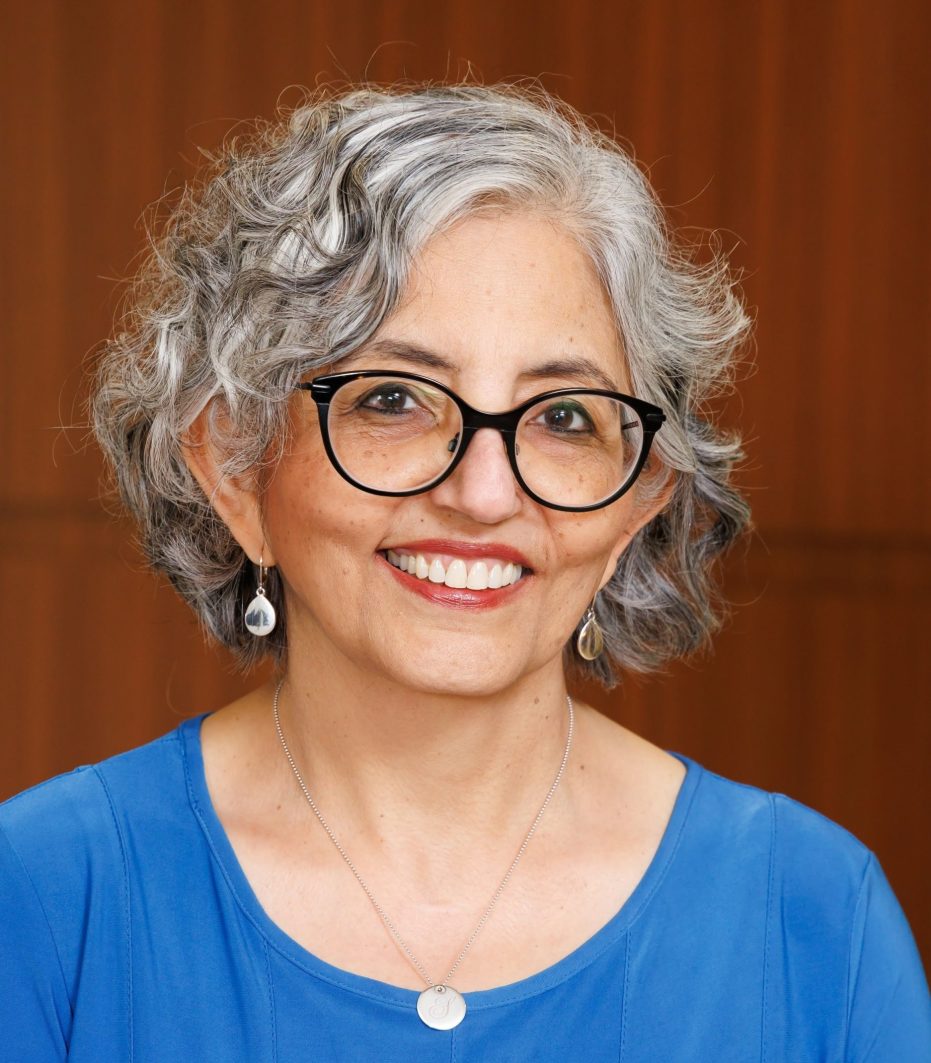
A primary example of the impact of CCRF’s investment is the career of Smita Bhatia, MD, MPH. Dr. Bhatia, a pediatric oncologist and professor at the University of Alabama at Birmingham (UAB), serves as the director of the Institute for Cancer Outcomes and Survivorship. Her journey illustrates the long-term benefits of early-career support for female scientists.
Dr. Bhatia’s initial connection to CCRF began decades ago when she received her first career grant from the organization. This early support provided the foundation for a career that has since transformed the understanding of cancer outcomes. Today, she is a world-renowned expert in the field and serves on CCRF’s Research Advisory Committee (RAC), where she helps determine the direction of future research funding.
Reflecting on the changes within the medical profession, Dr. Bhatia notes that while the path for women in science was once fraught with significant obstacles, the landscape has become increasingly welcoming. She emphasizes that women in the contemporary era are more frequently recognized as colleagues and leaders first, with their gender being a secondary consideration. However, she acknowledges the persistent challenge of balancing the rigors of a demanding medical career with family life—a reality she views not as a deterrent, but as a source of professional strength.
"You can be incredibly efficient with limited time and still rise to the top," Dr. Bhatia stated, addressing the next generation of female scientists. Her message is one of empowerment, suggesting that the dual roles of researcher and caregiver are not mutually exclusive, but can coexist through efficiency and dedication.
From Public Health to Pediatric Oncology: The Journey of Dr. Lucie Turcotte
The trajectory of Lucie Turcotte, MD, MPH, MS, further illustrates the importance of mentorship and the evolving nature of medical research. Dr. Turcotte, currently an associate professor and the division director of Pediatric Hematology/Oncology at the University of Minnesota, did not initially set out to become a pediatric oncologist. During her medical training, her interests were primarily focused on public health.
However, her experience during residency—specifically the deep, lasting relationships formed with children and their families during their most vulnerable moments—pivoted her career toward oncology. This transition highlights a key aspect of pediatric medicine: the integration of clinical excellence with profound empathy. Dr. Turcotte’s research now focuses on the science of survivorship, a critical area of study as survival rates for many childhood cancers have increased, leaving a growing population of survivors who face unique long-term health challenges.
Dr. Turcotte now serves alongside Dr. Bhatia on the CCRF Research Advisory Committee. Her advice to young women entering the field emphasizes the importance of patience and self-compassion. She advocates for "grace," noting that a successful career in science does not have to follow a rigid, linear timeline. "Don’t doubt the gifts you have to share," she said. "It’s all possible, even if it doesn’t happen all at once."
Data and Context: The Gender Gap in STEM and Medicine
To understand the significance of CCRF’s $8.55 million investment, it is necessary to examine the broader context of women in science, technology, engineering, and mathematics (STEM). Despite making up nearly half of the total workforce in the United States, women remain underrepresented in many high-level scientific roles. According to data from the National Science Foundation, while women earn about half of the doctorates in science and engineering, they hold only about one-third of the faculty positions in these fields.
In the realm of medical research, the "leaky pipeline" phenomenon remains a concern. This term refers to the trend where women enter medical school and residency in equal numbers to men but are less likely to reach the rank of full professor or department chair. Factors contributing to this include a lack of mentorship, unconscious bias in grant review processes, and the challenges of balancing career milestones with family responsibilities.
By specifically targeting female researchers for grant awards, CCRF is addressing this disparity at its source. Early-career grants, such as the one Dr. Bhatia received, are often the most critical factor in determining whether a researcher remains in academia or moves into the private sector. These grants allow researchers to gather the preliminary data necessary to apply for larger federal grants from the National Institutes of Health (NIH) or the National Cancer Institute (NCI).
The Broader Impact of Survivorship Research
A significant portion of the work led by women like Dr. Bhatia and Dr. Turcotte centers on "survivorship." This field of study has become increasingly vital as the five-year survival rate for all childhood cancers has risen to approximately 85%. However, this success comes with a cost: many survivors experience "late effects" caused by the very treatments that saved their lives.
Late effects can include:
- Secondary Cancers: A higher risk of developing a different type of cancer later in life.
- Cardiovascular Issues: Heart damage resulting from specific chemotherapy agents or radiation to the chest.
- Cognitive Impairment: Learning disabilities or memory issues following brain surgery or cranial radiation.
- Infertility: Challenges in starting a family due to the impact of treatment on reproductive organs.
The research conducted by female-led teams is instrumental in developing "de-escalation" protocols—finding ways to treat cancer effectively while using lower doses of toxic substances. This work ensures that "cured" children do not just survive, but thrive.
Implications for the Future of Childhood Cancer Research
The investment in female researchers by the Children’s Cancer Research Fund is a recognition that the future of science depends on a diversity of thought. Scientific discovery is rarely the result of a single individual working in isolation; it is the product of collaboration across disciplines and perspectives. When women are excluded from the leadership of these teams, the scientific community loses out on the unique insights they bring to problem-solving and patient care.
Furthermore, the impact of these 63 grants extends far beyond the immediate research results. Each grant recipient serves as a mentor to the students and fellows in their labs. This creates a multiplier effect, where one investment in a female researcher can inspire and support dozens of other young women over the course of a career.
The Children’s Cancer Research Fund’s commitment to this cause signals a shift in the culture of pediatric oncology. By prioritizing inclusion and visibility, the organization is not only funding the next breakthrough in cancer treatment but is also building a more equitable and robust scientific infrastructure.
As Women’s History Month continues to highlight the achievements of the past, the work of CCRF, Dr. Bhatia, and Dr. Turcotte serves as a reminder that history is currently being made in the labs and clinics of today. The $8.55 million invested over the last decade is an investment in a future where every child diagnosed with cancer has the best possible chance at a long, healthy life, driven by a scientific community that reflects the full diversity of human potential. Through persistence, curiosity, and courage, these women are proving that when she can see it, she can indeed be it—and the future of childhood cancer research is stronger for it.
