
 By admin
The diagnosis of childhood cancer initiates a profound shift in family dynamics, moving from the stability of a conventional routine into a protracted period of medical crisis and long-term management. While the immediate goal of pediatric oncology is clinical remission, the subsequent years of treatment and follow-up care often create a state of perpetual uncertainty for parents and caregivers. For many families, the concept of returning to "normal" is viewed as an unattainable or even anachronistic goal. Instead, pediatric health advocates and experts suggest that the path to psychological resilience lies in "normalizing the abnormal"—a process of integrating rigorous medical protocols into a structured, sustainable daily existence.
Laura DeKraker Lang-Ree, a prominent childhood cancer advocate and author of The Cancer Parent’s Handbook: What Your Oncologist Doesn’t Have Time to Tell You, posits that the length of treatment is one of the most significant stressors for families. With certain conditions requiring three or more years of active intervention, the traditional "crisis mode" of operation is unsustainable. Clinical data and psychological research indicate that families who successfully establish a "New Normal" through boundary setting, environmental control, and the empowerment of the pediatric patient tend to experience better long-term mental health outcomes and reduced rates of post-traumatic stress.
The Clinical Landscape of Pediatric Cancer Treatment
To understand the necessity of this "New Normal," it is essential to examine the medical reality facing thousands of families annually. According to the American Cancer Society, approximately 1 in 285 children in the United States will be diagnosed with cancer before the age of 20. Acute Lymphoblastic Leukemia (ALL), the most common form of childhood cancer, exemplifies the grueling timeline of pediatric oncology. While the five-year survival rate for ALL has risen to approximately 90%, the road to recovery is exceptionally long.
The typical treatment trajectory for ALL is divided into several distinct phases:
- Induction Therapy: A high-intensity period lasting approximately four weeks, designed to achieve clinical remission by eliminating the vast majority of cancer cells.
- Consolidation (CNS Prophylaxis): A phase lasting several months focused on preventing the spread of cancer to the central nervous system.
- Maintenance Therapy: The longest phase, which can last between two and three years. This period involves less intensive chemotherapy but requires consistent medication, frequent laboratory monitoring, and periodic clinic visits to ensure the cancer does not return.
It is during the maintenance phase that the challenge of normalization becomes most acute. The patient may appear healthy and resume many regular activities, yet the underlying threat of relapse and the daily requirements of treatment remain ever-present.
Establishing Boundaries and Psychological Acceptance
The first step in navigating this long-term landscape is the psychological shift from rebellion to acceptance. Lang-Ree emphasizes that acceptance in this context is not synonymous with resignation or giving up. Rather, it is a strategic recognition of the current reality that allows the brain to pivot from a state of fight-or-flight to one of creative problem-solving. Mental health professionals support this concept, noting that chronic stress inhibits the prefrontal cortex—the area of the brain responsible for complex decision-making. By surrendering to the facts of the diagnosis, caregivers can reclaim the mental bandwidth necessary to manage the logistics of treatment.
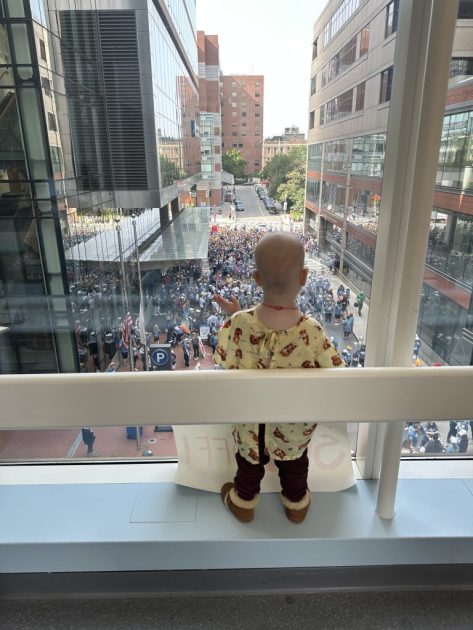
A critical component of this boundary-setting involves the language used to describe the patient. Dr. Lori Wiener, a pediatric psychologist at the National Cancer Institute, notes that children in the maintenance phase of treatment often look well, which can lead to confusion among peers and adults. Dr. Wiener advocates for shifting the narrative from the child being "sick" to the child being "in treatment." This distinction is vital for a child’s social identity and psychological adjustment. When a child is labeled as "sick," they are often treated as fragile or incapable; when they are described as "in treatment," the focus shifts to their resilience and the management of a chronic, but treatable, condition.
Normalizing Medical Procedures Through Agency and Routine
One of the most disruptive elements of pediatric cancer is the frequent requirement for invasive procedures, such as blood draws (labs), chemotherapy injections, and lumbar punctures. For a young child, these events can become sources of significant trauma and daily anxiety. However, research into pediatric pain management suggests that providing children with a sense of agency—the ability to make choices within the framework of their treatment—can drastically reduce distress.
Lang-Ree’s methodology involves integrating medical requirements into "fun" or highly predictable routines. For instance, if a child requires weekly chemotherapy injections that can be administered at home, the family might pair the procedure with a favorite meal or a specific media program. By allowing the child to choose the timing (within a window), the setting, and the reward (such as a sugar-free popsicle), the medical event is transformed from a frightening intrusion into a manageable part of the weekly schedule.
Furthermore, the implementation of breathwork and mindfulness techniques has been shown to have a physiological impact on the nervous system. By teaching children "whale breaths" or other deep-breathing exercises, parents can help them activate the vagus nerve, which triggers a relaxation response and lowers the heart rate during painful or stressful procedures. These tools not only assist in the immediate moment but also provide the child with lifelong coping mechanisms for anxiety.
Environmental Controls and the Role of the Home
While the clinical environment is managed by medical professionals, the home environment remains the primary domain of parental control. This control is essential because many pediatric cancer treatments result in a low Absolute Neutrophil Count (ANC). A low ANC indicates that the child’s immune system is severely compromised, making them highly susceptible to infections that could lead to hospitalization or delays in life-saving treatment.
Creating a "safe space" within the home involves several evidence-based hygiene protocols:
- Shoe Removal: Studies have shown that shoes are significant vectors for outdoor toxins, bacteria, and germs. Establishing a "no-shoes" policy inside the home is a simple, non-invasive way to reduce the microbial load in the child’s environment.
- Hand Hygiene: The Centers for Disease Control and Prevention (CDC) identifies handwashing as one of the most effective ways to prevent the spread of respiratory and gastrointestinal infections. Normalizing a 30-second handwashing routine for all family members and visitors is a foundational defense.
- Non-Toxic Cleaning: Lang-Ree and other advocates caution against the overuse of harsh chemicals like bleach or ammonia. These substances can irritate the respiratory systems of immunocompromised children and add environmental stress to a liver already taxed by processing chemotherapy drugs. Utilizing non-toxic, plant-based cleaners can maintain a sterile environment without introducing additional chemical burdens.
The "Positude" Framework: Gratitude and Play Therapy
The final pillar of the New Normal is the cultivation of what Lang-Ree terms "Positude"—a portmanteau of positive attitude. This is not a form of "toxic positivity" that ignores the gravity of the situation, but rather a deliberate focus on gratitude and play to sustain the family’s spirit.

Gratitude rituals, such as the "Roses and Thorns" exercise, allow family members to acknowledge the difficulties of the day while also identifying positive moments. This practice helps rewire the brain to look for "the good," which can be easily overshadowed by the "the bad" in a medical context.
For the pediatric patient, play is often the primary way they process their reality. Visualization techniques—such as imagining toy dinosaurs "fighting" the cancer cells—allow children to externalize their fear and view themselves as active participants in their recovery rather than passive victims of a disease. This sense of being a "warrior" can significantly bolster a child’s emotional resilience during the long years of maintenance therapy.
Broader Implications and Official Responses
The shift toward "normalizing the abnormal" reflects a broader movement in pediatric oncology toward "total care"—addressing the psychological, social, and emotional needs of the family alongside the biological needs of the patient. Organizations like the American Childhood Cancer Organization (ACCO) emphasize that the burden of cancer extends far beyond the hospital walls, affecting siblings, parental relationships, and financial stability.
Expert consensus suggests that when parents take proactive steps to stabilize the home environment and empower their children, the entire family unit is better protected against the "collateral damage" of the disease. The strategies outlined in The Cancer Parent’s Handbook serve as a blueprint for this transition. By establishing boundaries, creating routines, and maintaining a focus on play and gratitude, families can navigate the long road of treatment not just as survivors, but as a cohesive, resilient unit.
Ultimately, the goal of finding a "New Normal" is to ensure that while cancer may be a part of the family’s story, it does not become the only story. Through deliberate action and psychological adaptation, caregivers can provide their children with a childhood that is defined by more than just a diagnosis, fostering an environment where healing and growth can coexist with the rigors of medical treatment.
