
 By admin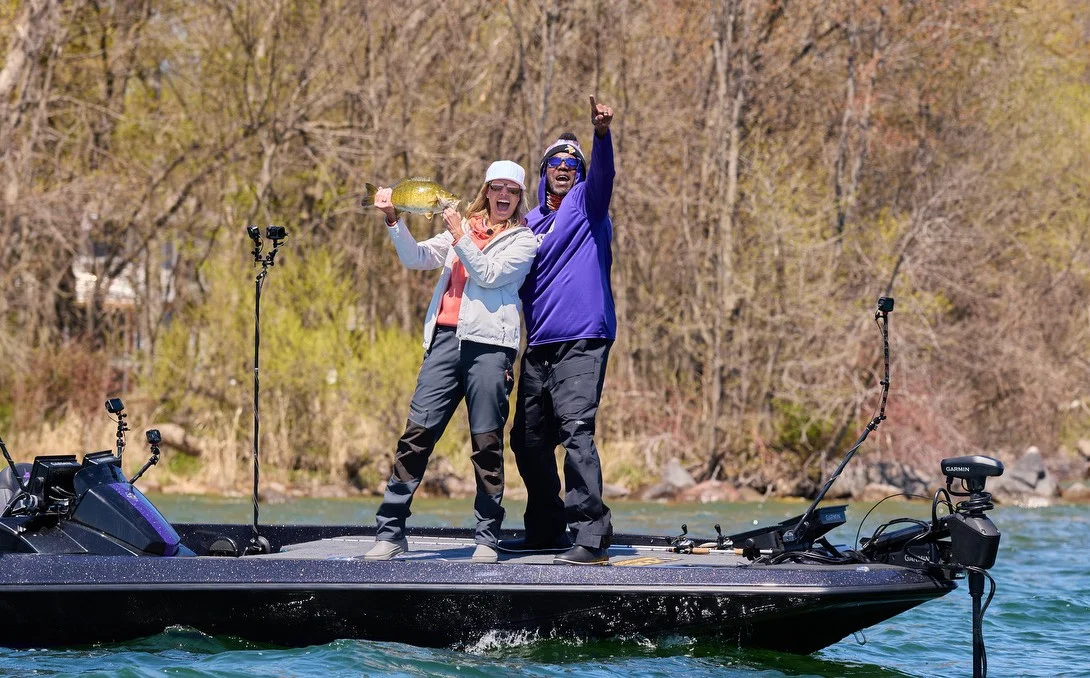
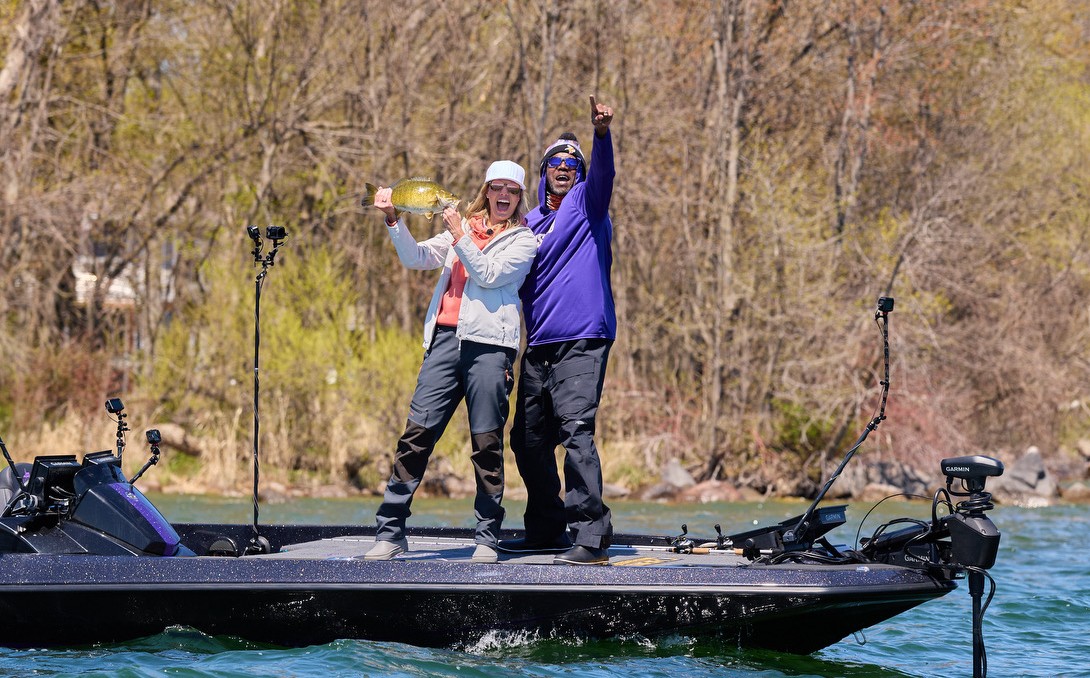
Randy Moss, the Pro Football Hall of Fame wide receiver celebrated for his acrobatic catches and unmatched athleticism, has transitioned his focus from the end zone to the serene waters of northern Minnesota to champion a cause far more critical than sports. In a recent installment of his popular YouTube series, Chasing 10, Moss joined Kenna Dooley, the Chief Development Officer of the Children’s Cancer Research Fund (CCRF), for a day of fishing on Leech Lake. While the title of the series refers to the pursuit of a legendary ten-pound walleye—a "trophy catch" that keeps anglers returning to the water—the mission of this specific outing was redefined by Moss himself. "We’re not just chasing 10," Moss declared during the excursion. "We’re chasing a cure."
The partnership marks a significant milestone for the Chasing a Cure campaign, an initiative spearheaded by CCRF to accelerate the development of safer, more effective treatments for pediatric cancer. By leveraging Moss’s massive platform and personal connection to the rigors of medical treatment, the campaign aims to highlight the urgent need for research funding that moves beyond traditional, often toxic, therapies.
A Legacy Rooted in Leech Lake: The Story of Katie Hageboeck
The choice of Leech Lake as the backdrop for this collaboration was far from coincidental. For the Children’s Cancer Research Fund, these waters represent the very genesis of their mission. Decades before Moss cast his line into the lake, it was the cherished summer retreat of Katie Hageboeck. Katie spent her formative years swimming, fishing, and creating lifelong memories at her family’s cabin, a property that had been a fixture of the Hageboeck family for generations.
In 1979, at the age of 13, Katie’s life was cut short by leukemia. In the wake of their devastating loss, the Hageboeck family chose to transform their grief into a legacy of hope. Using $10 that Katie had saved in her piggy bank—which she requested be given to cancer research—her parents founded what would eventually become the Children’s Cancer Research Fund. Since its humble beginnings, the organization has grown into a national powerhouse, raising over $200 million to fund groundbreaking research and support services for families battling pediatric cancer.
Today, Katie’s influence is physically manifested in the "North Woods" aesthetic of the University of Minnesota’s pediatric facilities. CCRF established Katie’s Clinic and "The Porch" at the University of Minnesota to provide a healing environment that reflects the natural beauty and tranquility of the lake country she loved. These spaces are designed to offer a sense of normalcy and peace to children undergoing intensive medical interventions.
The Human Cost of Conventional Treatment: Personal Reflections
During the Chasing 10 episode, the conversation shifted from the mechanics of fishing to the grueling reality of cancer treatment. Randy Moss shared a deeply personal perspective on the toll that aggressive medical protocols can take on the human body and spirit. Referring to his own experiences with medical challenges, Moss noted, "Chemotherapy beat me up so bad. It was more mental than it was physical."
This sentiment resonates with thousands of families across the country. While chemotherapy and radiation have been the standard of care for decades and have successfully saved many lives, they are often described as a "double-edged sword" in pediatric oncology. Children who survive cancer frequently face "late effects"—chronic health issues resulting from the toxicity of their treatments. These can include heart disease, secondary cancers, infertility, and cognitive impairments.
Kenna Dooley emphasized that the goal of the Chasing a Cure campaign is to move toward a future where these harsh methods are no longer the primary option. "If we can get rid of radiation and chemotherapy—that’s a win-win for everybody," Dooley stated. The focus of CCRF-funded research is increasingly shifting toward immunotherapy, a field of medicine that trains the body’s own immune system to identify and destroy cancer cells without damaging healthy tissue.
The Evolution of Pediatric Oncology Research and Immunotherapy
The research supported by CCRF at institutions like the University of Minnesota is at the forefront of a global shift in oncology. Immunotherapy, particularly CAR-T cell therapy, has shown remarkable success in treating certain types of pediatric leukemia that were previously considered terminal. By re-engineering a patient’s T-cells to target specific proteins on cancer cells, doctors can achieve remission with significantly fewer long-term side effects than traditional chemotherapy.
Furthermore, CCRF is a major contributor to the Children’s Oncology Group (COG), the world’s largest organization devoted exclusively to childhood and adolescent cancer research. The data generated through these clinical trials is shared globally, ensuring that a breakthrough in a lab in Minnesota can save a child in New York, London, or Tokyo.
The "Chasing a Cure" campaign specifically targets the "funding gap" in pediatric research. Despite cancer being the leading cause of death by disease for children in the United States, pediatric cancer research receives only a small fraction of the federal funding allocated by the National Cancer Institute (NCI) compared to adult cancers. Private foundations like CCRF and high-profile advocates like Moss are essential in bridging this financial chasm.
Statistical Landscape of Childhood Cancer in the United States
The urgency of the Moss-CCRF partnership is underscored by the current statistical reality of pediatric oncology. According to data from the American Cancer Society and the NCI:
- Incidence: Approximately 15,000 children and adolescents under the age of 20 are diagnosed with cancer each year in the United States.
- Survival Rates: While the overall five-year survival rate for childhood cancer has risen to about 85%, survival rates for certain aggressive types, such as diffuse intrinsic pontine glioma (DIPG) or certain relapsed leukemias, remain tragically low.
- Long-term Impact: More than 95% of childhood cancer survivors will have a significant health-related issue by the time they are 45 years old as a direct result of the treatments they received as children.
- Funding Disparity: Historically, only about 4% of the NCI’s annual budget is dedicated specifically to childhood cancer research.
These figures highlight why the shift toward immunotherapy and targeted biological therapies is not just a scientific preference, but a moral imperative. The "win-win" Dooley referenced involves not only higher survival rates but a significantly higher quality of life for survivors.
Institutional Support and the University of Minnesota Connection
The University of Minnesota remains a focal point for the funds raised by CCRF. As a land-grant institution with a world-class medical school, the university has been a pioneer in bone marrow transplantation and cellular therapies. The partnership between CCRF and the university has allowed for the creation of specialized roles and facilities that prioritize the unique needs of young patients.
Katie’s Clinic, for instance, serves as a model for holistic pediatric care. It integrates advanced medical treatment with psychological support, education, and family resources. By incorporating the "North Woods" theme, the clinic honors Katie Hageboeck’s memory while providing a calming atmosphere that stands in stark contrast to the sterile, intimidating environment of a traditional hospital.
Celebrity Advocacy and the Future of Philanthropic Funding
Randy Moss’s involvement in the Chasing a Cure campaign represents a growing trend of high-profile athletes and entertainers using their influence to drive "venture philanthropy" in the medical sector. By appearing in the Chasing 10 series, Moss brings the message of CCRF to a demographic—sports fans and outdoor enthusiasts—that may not otherwise be engaged with pediatric oncology fundraising.
The broader implications of this advocacy are significant. When a figure of Moss’s stature speaks openly about the mental and physical toll of chemotherapy, it humanizes the scientific struggle and provides a relatable entry point for donors. It transforms the abstract concept of "cancer research" into a tangible mission: allowing kids to be kids, to fish on lakes, and to grow up without the shadow of chronic illness.
As the Chasing a Cure campaign continues, the integration of digital content, celebrity outreach, and historical storytelling remains central to its strategy. The episode featuring Moss and Dooley serves as a call to action, reminding viewers that while a ten-pound walleye is a prize for a season, a cure for childhood cancer is a victory for generations.
In the words of the CCRF leadership, the ultimate goal is to reach a day where the organization no longer needs to exist because the "chase" has ended in success. Until then, the legacy of Katie Hageboeck and the advocacy of figures like Randy Moss will continue to fuel the search for a future where every child has the chance to spend their summers on the water, far away from the confines of a hospital ward.
