
 By admin
The indelible contributions of women to the annals of science and medicine have consistently served as a driving force, challenging established conventions, broadening the scope of human knowledge, and forging new pathways for discovery. During Women’s History Month, the Cancer Research Institute (CRI) stands to honor these pioneering researchers and transformative leaders whose unwavering commitment has disrupted the status quo and significantly advanced human health. Their stories illuminate a legacy of courage, curiosity, and determination that spans generations, informing our fundamental understanding of disease, shaping the development of innovative treatments, and redefining patient care. These eight remarkable women, from the foundational architects of modern biology and medical regulation to the contemporary scientists and leaders spearheading breakthroughs in cancer immunotherapy, and the resilient patients advocating for others, collectively demonstrate that scientific progress is not merely a product of discovery but of the audacious willingness to question what is possible.
Rekindling a Legacy: Helen Coley Nauts and the Birth of Immunotherapy
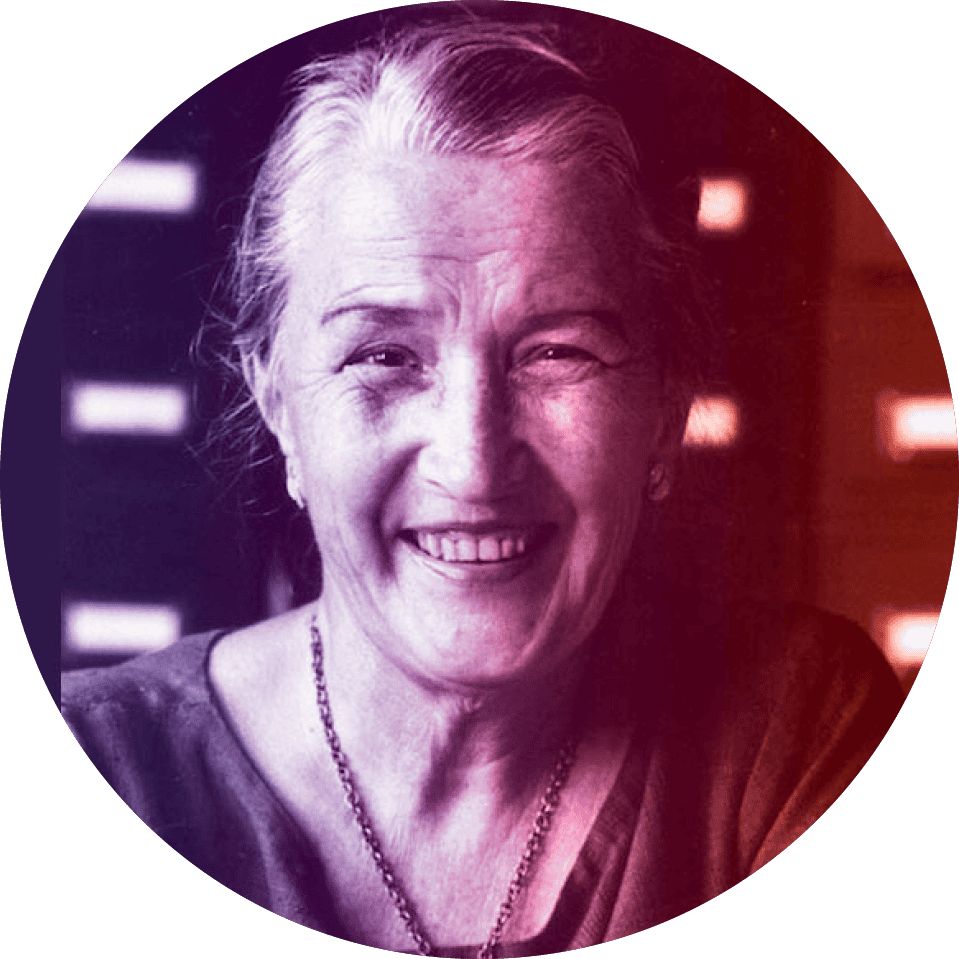
The narrative of cancer immunotherapy’s modern resurgence cannot be told without acknowledging the profound impact of Helen Coley Nauts, co-founder of the Cancer Research Institute (CRI) in 1953. Her dedication reignited a field of research based on the groundbreaking, yet largely forgotten, work of her father, Dr. William B. Coley. In the late 19th century, Dr. Coley, a surgeon, observed that some cancer patients experienced spontaneous tumor regression following bacterial infections. This led him to develop a radical approach: deliberately inoculating patients with live or partially killed bacteria, later known as "Coley’s Toxins," to stimulate their immune systems against cancer. At a time when surgery and radiation were the primary cancer treatments, Coley’s work was revolutionary but struggled for mainstream acceptance.
After her father’s passing, Helen Coley Nauts embarked on a monumental task: meticulously documenting and researching his extensive patient records and findings. This two-decade-long endeavor was more than a filial tribute; it was a scientific reclamation. Nauts uncovered compelling evidence of Coley’s Toxins’ efficacy, particularly in cases of advanced sarcoma where conventional treatments offered little hope. Her research compiled thousands of case histories, highlighting instances of remarkable, long-lasting remissions. Despite lacking a formal scientific degree and operating in an era where women rarely held leadership positions in scientific institutions, Nauts possessed an unshakeable conviction in her father’s work. In 1953, alongside Oliver R. Grace, she co-founded CRI with the explicit mission to support research into the immune system’s role in cancer. This act of profound vision laid the organizational bedrock for what would eventually become the vibrant, global field of cancer immunotherapy. Nearly three-quarters of a century later, CRI continues to embody Nauts’ founding spirit, funding scientists whose discoveries are now bringing life-saving treatments to patients worldwide, a testament to her foresight and perseverance.
Safeguarding Public Health: The Unwavering Integrity of Dr. Frances Kelsey
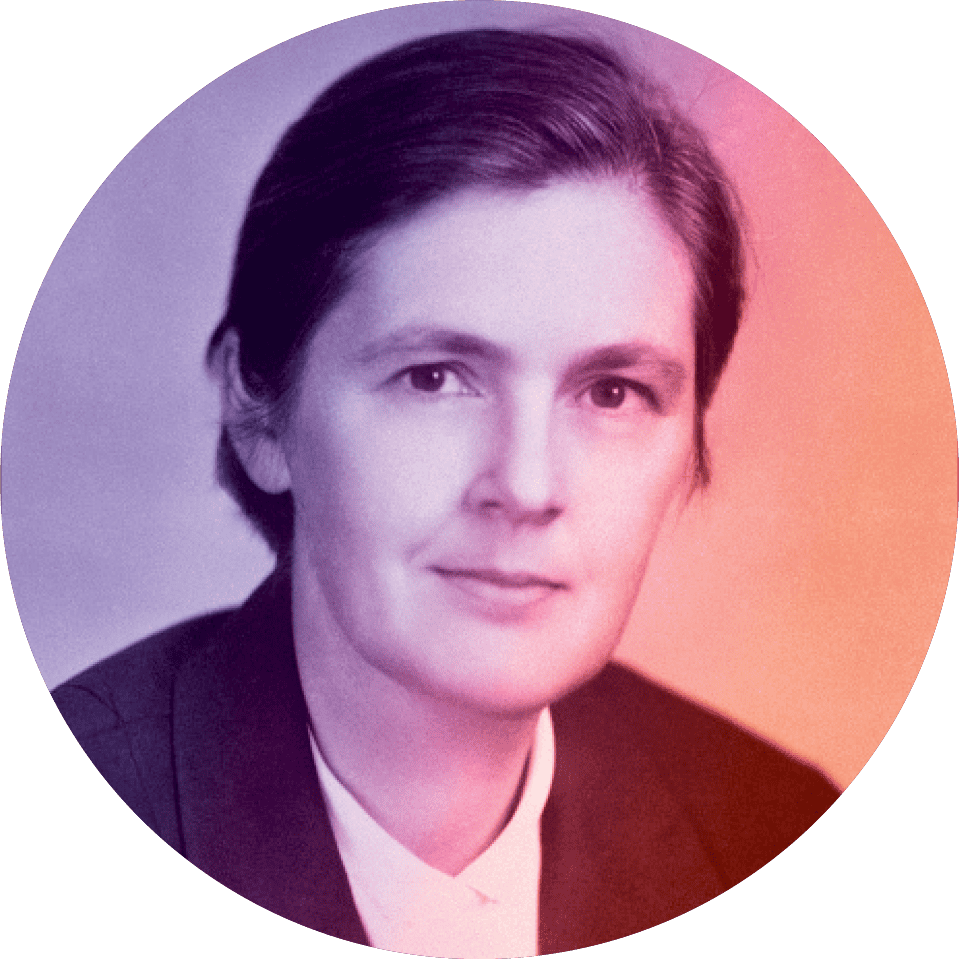
Dr. Frances Kelsey, a medical officer at the U.S. Food and Drug Administration (FDA), stands as a monumental figure in the history of pharmaceutical regulation, her actions in 1960 saving countless lives and permanently transforming how drugs are brought to market. Appointed to the FDA, Kelsey was tasked with reviewing the application for thalidomide, a sedative widely prescribed in Europe and other parts of the world to treat morning sickness in pregnant patients. Despite intense commercial pressure from the drug’s manufacturer, she harbored deep concerns over insufficient safety data, particularly regarding potential fetal effects. Her scientific skepticism and rigorous adherence to data led her to repeatedly refuse approval for thalidomide in the United States.
Kelsey’s resolute stance proved lifesaving. As reports emerged from Europe detailing a tragic epidemic of severe birth defects, including phocomelia (limb deformities), linked directly to thalidomide use during pregnancy, the drug was never approved or widely distributed in the U.S. An estimated 10,000 to 20,000 infants globally were born with these devastating defects, highlighting the catastrophic potential of inadequate drug testing. Kelsey’s foresight not only averted a similar public health disaster in America but also served as a powerful catalyst for sweeping legislative reforms. The Kefauver-Harris Amendments of 1962, passed in direct response to the thalidomide tragedy, mandated that pharmaceutical companies provide robust evidence of both a drug’s safety and its effectiveness before it could be approved for sale. This legislation dramatically strengthened the FDA’s regulatory authority, establishing a global precedent for rigorous drug evaluation that continues to protect patients today. For her courage and unwavering scientific integrity, Dr. Kelsey was awarded the President’s Award for Distinguished Federal Civilian Service by President John F. Kennedy in 1962, becoming only the second woman to receive this prestigious honor at the time. Ironically, a dark shadow of the thalidomide crisis was the implementation of policies that, for decades until 1993, broadly excluded women of childbearing potential from clinical trials, contributing significantly to the long-standing underrepresentation of women in medical research and creating data gaps that persist in some areas.
Unlocking Life’s Code: Rosalind Franklin and the Structure of DNA
The foundational discovery of the double helix structure of DNA, the molecule encoding all genetic information, is largely attributed to James Watson and Francis Crick. However, the indispensable contributions of Dr. Rosalind Franklin, a British physical chemist and expert X-ray crystallographer at King’s College London, were absolutely critical to this revelation. In the early 1950s, while scientists understood that DNA was present in every cell and contained a phosphate backbone, its precise three-dimensional structure remained an elusive mystery, sparking a fierce scientific race.
Franklin, working alongside Maurice Wilkins, employed advanced X-ray diffraction techniques to study DNA fibers. Her meticulous experimental work produced exceptionally clear and precise X-ray images, most famously "Photograph 51," which provided undeniable evidence of DNA’s helical form. Beyond merely capturing the image, Franklin’s unparalleled skill allowed her to interpret these complex diffraction patterns, deducing key structural features such as the sugar-phosphate backbone on the outside of the molecule and the helical repeat distances. Tragically, and without her knowledge or explicit permission, Photograph 51 was shown to Watson by Wilkins. This crucial piece of evidence, combined with Franklin’s detailed unpublished data and interpretations, directly informed Watson and Crick’s model of DNA’s structure. They published their findings in Nature in 1953, largely without fully crediting Franklin’s pivotal contributions. The Nobel Prize in Physiology or Medicine was awarded to Watson, Crick, and Wilkins in 1962, four years after Franklin’s untimely death from ovarian cancer at the age of 37.
Despite the historical injustice regarding her recognition, Franklin’s groundbreaking discoveries laid the essential groundwork for decades of advancements in genetics, molecular biology, and medicine. Her work was instrumental in helping scientists unlock the fundamental code of life, paving the way for everything from genetic engineering to personalized medicine and our deep understanding of diseases like cancer. The entirety of modern molecular biology, including the sophisticated work carried out by CRI-funded scientists today, rests upon the bold and visionary brand of science exemplified by Dr. Franklin.

Pioneering Modern Immunotherapy: Dr. Miriam Merad and Dr. Elizabeth Jaffee
Shifting to the contemporary landscape of cancer research, Dr. Miriam Merad and Dr. Elizabeth Jaffee represent the vanguard of women leaders driving breakthroughs in cancer immunotherapy today.
Dr. Miriam Merad, Chair of the Department of Immunology and Immunotherapy at The Icahn School of Medicine at Mount Sinai, is a visionary oncologist and immunologist whose research is profoundly transforming our understanding of the innate immune system and its intricate role in disease. Her pioneering work has illuminated how specific innate immune cells, particularly macrophages and dendritic cells, can either combat or, paradoxically, promote disease progression, including cancer and inflammatory conditions. By meticulously dissecting the complex interactions between tumors and the immune system, her research opens critical new avenues for therapeutic intervention, guiding the development of more effective and targeted cancer treatments. A fervent advocate for translational science, Dr. Merad is deeply committed to accelerating the journey from laboratory discovery to patient benefit. Her laboratory is seamlessly integrated within the vibrant Mount Sinai research ecosystem, providing her team with unique access to primary patient samples, enabling them to translate groundbreaking insights directly into early-stage clinical trials. Beyond her formidable scientific achievements, Dr. Merad is equally dedicated to nurturing the next generation of scientists, having mentored dozens of postdoctoral fellows, PhD, and MD-PhD students, fostering a collaborative and innovative culture within her lab and the broader scientific community. Her expertise is further leveraged as a distinguished member of CRI’s Scientific Advisory Council, where she plays a crucial role in evaluating and selecting the most promising immunotherapy research initiatives for investment.

Similarly, Dr. Elizabeth Jaffee, Deputy Director of The Sidney Kimmel Comprehensive Cancer Center at Johns Hopkins, stands as a pioneering leader in cancer immunotherapy, her work actively reshaping the future of cancer treatment, with a particular focus on pancreatic cancer. Pancreatic cancer is notoriously aggressive and difficult to treat, with current 5-year survival rates remaining distressingly low, often in the single digits. Dr. Jaffee’s research centers on developing innovative vaccine-based approaches meticulously designed to overcome the immune system’s inherent tolerance to tumors. She has been instrumental in leading the development of a first-generation pancreatic cancer vaccine and holds multiple patents related to these cutting-edge cancer vaccine technologies. Her vision extends beyond treatment to prevention, aiming for a future where vaccines could potentially prevent pancreatic cancer from ever developing. Dr. Jaffee’s commitment to bridging laboratory discovery with direct clinical application ensures that these advances are rapidly translated to patients. Her profound dedication to mentorship is also a hallmark of her career; she selects trainees not only for their intellectual prowess but for their deep commitment to the mission, often maintaining lifelong professional relationships and collaborations with scientists who trained under her guidance. Dr. Jaffee’s invaluable insights also contribute to CRI’s strategic direction through her service as Associate Director of CRI’s Scientific Advisory Council.
The Power of Experience: Patient Advocates Karen Peterson and Sharon Belvin
The journey of scientific discovery and therapeutic advancement is profoundly enriched by the voices and experiences of patients who embody the very reason for research. Karen Peterson and Sharon Belvin are two such powerful advocates, whose personal battles with advanced cancer have transformed them into beacons of hope and champions for patient empowerment and research investment.

Karen Peterson is a remarkable survivor and one of the longest-living individuals in the United States diagnosed with stage 4 triple-negative breast cancer (TNBC). TNBC is an aggressive form of breast cancer, characterized by the absence of estrogen, progesterone, and HER2 receptors, making it unresponsive to hormone therapy or HER2-targeted drugs and historically associated with poorer prognoses. After an initial diagnosis of stage 1 breast cancer and a double mastectomy, the cancer returned two years later as aggressive stage 4 disease, giving her a life expectancy of merely 18 to 24 months. Already well-versed in her disease and treatment options, Karen was determined to avoid the debilitating side effects of conventional chemotherapy and was acutely aware that certain treatments could disqualify her from crucial clinical trials. This led her to actively search for alternative, innovative approaches. Her relentless pursuit led her to a phase 1 immunotherapy clinical trial, where she became the very first triple-negative breast cancer patient to enroll. Astoundingly, she emerged as one of the study’s only complete responders. "I was given a 4% chance of survival," Karen often recounts, "And here I am." Today, Karen channels her extraordinary experience into powerful advocacy and education, urging patients to proactively engage with their diagnosis and explore all available treatment options, particularly clinical trials. She participated in CRI’s Patient Roundtable in 2025 and, driven by a commitment to address health disparities, founded Karen’s Club, an advocacy group specifically dedicated to empowering cancer patients of color with the knowledge and confidence to pursue clinical trials that could extend – or even save – their lives. Her tireless efforts underscore the critical importance of equitable access to cutting-edge treatments.
Sharon Belvin’s story is equally compelling, illustrating the transformative power of immunotherapy. At just 22 years old, Sharon was diagnosed with stage 4 melanoma, a highly aggressive skin cancer. At that time, treatment options for advanced melanoma were severely limited, and survival rates were bleak. After multiple rounds of conventional chemotherapy failed to halt her cancer’s progression, Sharon faced a grim reality, with her oncologist offering one final, experimental possibility: a clinical trial for an immunotherapy drug called ipilimumab, now widely known as Yervoy®. Ipilimumab was a groundbreaking checkpoint inhibitor, one of the first drugs designed to unleash the immune system’s natural ability to fight cancer by blocking a protein (CTLA-4) that acts as a brake on immune cells. Sharon became one of the inaugural patients to enroll in this pioneering trial. After only four rounds of treatment, her tumors began to recede, and a year later, she was declared cancer-free, a status she remarkably maintains to this day. Ipilimumab received FDA approval in 2011, marking a watershed moment in cancer treatment, particularly for melanoma, and ushering in a new era of cancer immunotherapy that has since expanded to treat numerous cancer types. Decades after her diagnosis, Sharon is a wife, a mother of three, and an impassioned advocate for cancer research and clinical trials. She shares her incredible journey to inspire others facing cancer and to powerfully remind the world why sustained investment in scientific research is not just important, but life-saving. "My life – and the lives of so many others – are proof that this work matters," she affirms.
Steering the Future: Dr. Alicia Zhou and the Cancer Research Institute’s Vision

Leading the charge into the future of cancer immunotherapy is Dr. Alicia Zhou, the Chief Executive Officer of the Cancer Research Institute (CRI). Dr. Zhou assumed leadership at a truly pivotal moment in the history of human health, as immunotherapy continues to revolutionize cancer care and expand its reach to more patients and cancer types. Under her dynamic leadership, CRI is strengthening its commitment to scientific rigor, accelerating the translation of groundbreaking discoveries from the laboratory bench to the patient’s bedside, and fostering unparalleled global collaboration across basic, translational, and clinical immuno-oncology research.
Dr. Zhou brings a distinctive background that seamlessly bridges the worlds of cutting-edge scientific discovery and practical healthcare implementation. Before her tenure at CRI, she served as Chief Science Officer at Color Health, where she spearheaded large-scale scientific initiatives and forged critical partnerships with prominent organizations such as the American Cancer Society and the National Institutes of Health. Her work at Color Health focused on expanding equitable access to cancer prevention and care, addressing systemic disparities in healthcare. A testament to her capabilities in high-stakes environments, in 2020, Dr. Zhou led the rapid development and deployment of COVID-19 diagnostics and large-scale testing infrastructure. This included orchestrating the drive-up testing program for San Francisco’s public health system. From expertly navigating complex FDA regulatory approvals to designing high-capacity testing sites capable of processing thousands of samples daily, her team unequivocally demonstrated how mission-driven science can be rapidly translated into tangible, widespread public health impact. Today, her visionary leadership positions CRI at the forefront of shaping the future of cancer immunotherapy. She is committed to convening the brightest and most innovative minds from across the globe, ensuring that CRI maximizes the societal impact of these life-saving treatments, bringing the promise of immunotherapy to every patient who can benefit.
A Legacy of Disruption and Hope

The eight extraordinary women highlighted here – from the pioneering vision of Helen Coley Nauts who founded CRI, the unyielding ethical fortitude of Frances Kelsey who reshaped drug regulation, and the brilliant scientific insights of Rosalind Franklin who unlocked the structure of DNA, to the cutting-edge research of Miriam Merad and Elizabeth Jaffee who are advancing immunotherapy, the courageous advocacy of Karen Peterson and Sharon Belvin who epitomize the patient experience, and the strategic leadership of Alicia Zhou guiding CRI into the future – represent just a fraction of the incredible women who have reshaped the landscape of science and medicine. Their collective work is a powerful reminder that true progress is not solely propelled by novel ideas, but fundamentally by the courage to challenge entrenched conventions, the persistence to pursue the most difficult and unanswered questions, the unwavering dedication to profoundly improve patients’ lives, and the audacity to step boldly into the unknown.
As the field of cancer immunotherapy continues its remarkable evolution, the enduring legacy of these trailblazers, combined with the tireless efforts of those currently advancing the field, serves as an inspiring and powerful testament. It reinforces the critical understanding that the future of science, and indeed the future of human health, is inextricably built by individuals – particularly women – who possess the profound willingness to disrupt the status quo, to innovate, and to lead with both intellect and compassion. The continuous investment in research, spurred by such relentless spirits, holds the promise of a future where cancer is no longer a death sentence, but a manageable disease, or even preventable.
