
 By admin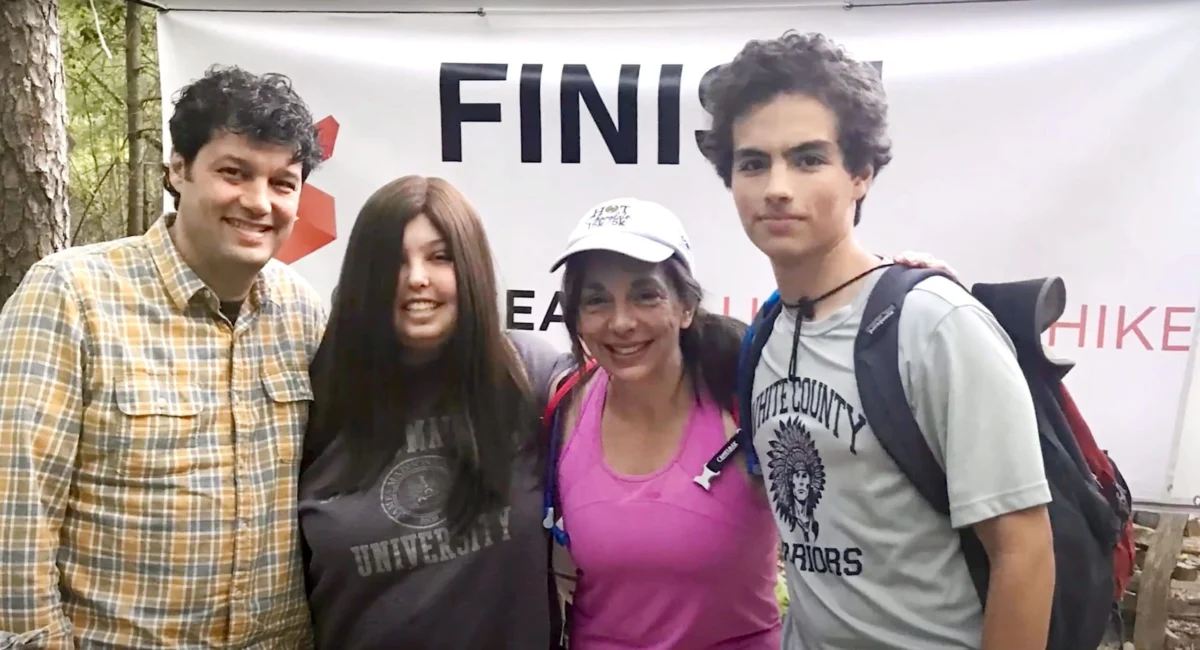
The intersection of extreme physical endurance and medical philanthropy has carved a unique niche in the landscape of non-profit fundraising, with the CureSearch Ultimate Hike standing as a primary example of this evolution. By challenging participants to navigate rugged terrains while simultaneously raising significant capital for pediatric cancer research, the program has transformed the traditional "charity walk" into a rigorous test of resilience that mirrors the arduous journey of the patients it aims to serve. The program’s central iconography—a heart containing a map—serves as a literal and figurative representation of the organization’s mission: to navigate the complex landscape of childhood cancer treatment through the power of collective compassion and physical determination.
The Evolution of the Ultimate Hike and its Organizational Roots
CureSearch for Children’s Cancer, the parent organization behind the Ultimate Hike, emerged from a critical need to bridge the funding gap in pediatric oncology. While cancer remains the leading cause of death by disease for children in the United States, pediatric research often receives a disproportionately small fraction of federal funding compared to adult cancers. To address this, CureSearch developed the Ultimate Hike as a signature endurance program designed to engage a dedicated donor base through high-stakes physical challenges.
The program began as a localized effort but has since expanded into a national series of events. It is specifically designed as a "life-changing" endurance trek, often covering approximately 28.3 miles of technical trail in a single day. This distance is not arbitrary; it represents a grueling physical commitment that requires months of training, echoing the sustained effort required by families and medical professionals fighting pediatric malignancies. Over the years, the Ultimate Hike has expanded to iconic locations, including the Appalachian Trail, the Foothills Trail in South Carolina, and various rugged terrains across the Ozarks and the Ice Age Trail in Wisconsin.
The Statistical Landscape of Pediatric Cancer Research
The necessity of the Ultimate Hike is underscored by sobering data regarding the state of pediatric oncology. According to the National Cancer Institute (NCI), only approximately 4% of the federal budget for cancer research is dedicated specifically to childhood cancers. This funding disparity creates a reliance on private non-profits like CureSearch to drive innovation in the field.
Statistically, about 1 in 285 children in the United States will be diagnosed with cancer before the age of 20. While survival rates for certain types of pediatric cancer, such as acute lymphoblastic leukemia, have improved significantly over the last several decades, others—such as certain brain tumors and sarcomas—remain stubbornly resistant to current therapies. Furthermore, the treatments that do exist often come with a heavy "toxic" price. Up to 60% of childhood cancer survivors experience long-term side effects, including secondary cancers, heart disease, and cognitive impairments, due to the intensity of chemotherapy and radiation on developing bodies.
CureSearch utilizes the funds raised through the Ultimate Hike to prioritize "Accelerated Search" grants. These grants are specifically designed to move research out of the laboratory and into clinical trials more quickly, focusing on targeted therapies that are less toxic than traditional treatments.
The Chronology of an Ultimate Hike Season
The Ultimate Hike is not a single-day event but a comprehensive four-month program that follows a specific chronological path:
- Recruitment and Orientation: The cycle begins with information sessions where prospective hikers learn about the physical requirements and the fundraising minimums, which typically range from $2,500 to $4,000 per person.
- The Training Phase: Participants are grouped into local cohorts and assigned "Hike Leads"—veteran hikers who provide mentorship. Over 12 to 16 weeks, hikers follow a progressive training schedule that builds cardiovascular endurance and prepares them for the specific elevation changes of their chosen trail.
- The Fundraising Campaign: Parallel to physical training, hikers engage in intensive community outreach. This phase is critical, as it transforms the individual hike into a broader community awareness campaign for pediatric cancer research.
- The Event Weekend: The culmination is a three-day weekend. It begins with a "Pasta Party" or "Inspiration Dinner," where participants share stories of why they are hiking. The following day is "Hike Day," starting before dawn and often ending after sunset.
- Post-Hike Impact Analysis: Following the event, the organization reports back to donors and participants on the total funds raised and the specific research projects those funds will support.
Participant Profiles: The Motivations of "The Hike Family"
The demographics of the Ultimate Hike are diverse, ranging from professional athletes to individuals who have never hiked before. However, the unifying factor is a personal connection to the cause. Participants are often categorized as "legacy hikers"—those hiking in memory of a child lost to cancer—or "honor hikers," who walk for a child currently in treatment or a survivor.
A poignant example of this motivation is found in the story of Terri Cohen, a long-time supporter who hikes in memory of her daughter, Leah. Cohen’s involvement began during the final stages of Leah’s battle with cancer. Cohen notes that during her first hike, Leah was well enough to meet her at the finish line—a memory that now serves as a foundational motivation for her continued participation. For parents like Cohen, the physical pain of a 28-mile hike serves as a constructive outlet for grief and a tangible way to ensure that other families might have different outcomes.
The "Hike Family" concept is a documented psychological phenomenon within the program. The shared experience of physical exhaustion and emotional vulnerability creates a support network that extends beyond the trail. Social psychologists suggest that such "ordeal-based" fundraising creates deeper organizational loyalty than traditional gala-style events, as the shared struggle fosters a profound sense of collective identity.
Analysis of Implications: The Economic and Social Impact
The Ultimate Hike represents a shift toward the "experience economy" in the non-profit sector. In an era where donors are increasingly looking for transparency and engagement, the Ultimate Hike provides a direct link between the donor’s effort and the cause. From a financial perspective, the program is highly efficient. By utilizing volunteer Hike Leads and leveraging outdoor spaces, the overhead costs are kept lower than traditional indoor events, allowing a higher percentage of proceeds to go directly to research.
Furthermore, the program has a significant impact on public policy and awareness. Each hiker essentially becomes a brand ambassador for pediatric cancer research. By reaching out to their personal networks for donations, they educate thousands of people about the 4% funding gap and the need for less toxic treatments. This grassroots advocacy is essential for maintaining pressure on federal agencies to increase pediatric-specific allocations.
The technical nature of the hike also mirrors the current trends in medical research. Just as hikers must navigate "rugged terrain" and "scale peaks," researchers must navigate the complex regulatory and biological hurdles of drug development. The metaphor of the "heart of a lion" used by the organization resonates with this dual struggle—the bravery of the child in the hospital bed and the determination of the hiker on the trail.
Official Responses and Strategic Directions
While CureSearch leadership maintains a focus on the immediate goal of funding research, they also emphasize the program’s role in providing a sense of agency to those who often feel powerless in the face of a cancer diagnosis. "We carry the hearts of children battling cancer with us on the trail," the organization states, reinforcing the idea that the hike is a symbolic extension of the patient’s own fight.
In recent strategic reviews, CureSearch has indicated a move toward expanding the Ultimate Hike into the digital and "virtual" space, allowing participants who cannot travel to specific trails to participate in their local areas. This expansion aims to democratize the experience while maintaining the high standard of physical challenge that defines the brand.
The organization also continues to refine its research focus. By targeting the "Valley of Death"—the phase in drug development where promising laboratory discoveries often stall due to a lack of funding—CureSearch ensures that the millions of dollars raised by hikers are utilized where they can have the most immediate clinical impact.
Conclusion: The Long-Term Vision for a Cure
The CureSearch Ultimate Hike is more than a test of physical stamina; it is a vital engine for medical innovation. As participants continue to tackle the most challenging trails in the country, they do so with the understanding that every mile covered contributes to a future where pediatric cancer is no longer a terminal diagnosis. The program’s success is measured not just in miles hiked or dollars raised, but in the potential for new, more effective treatments that allow children to move past their diagnosis and into a healthy adulthood.
By combining the universal symbol of the heart with the practical necessity of a map, the Ultimate Hike provides a blueprint for how modern philanthropy can address complex medical crises. Through the dedication of hikers like Terri Cohen and the thousands of donors who support them, the trail toward a cure becomes more navigable with every passing year. The relentless courage of the "lion-hearted" participants ensures that the mission to end childhood cancer remains on a steady, upward trajectory toward its ultimate peak.
