
 By admin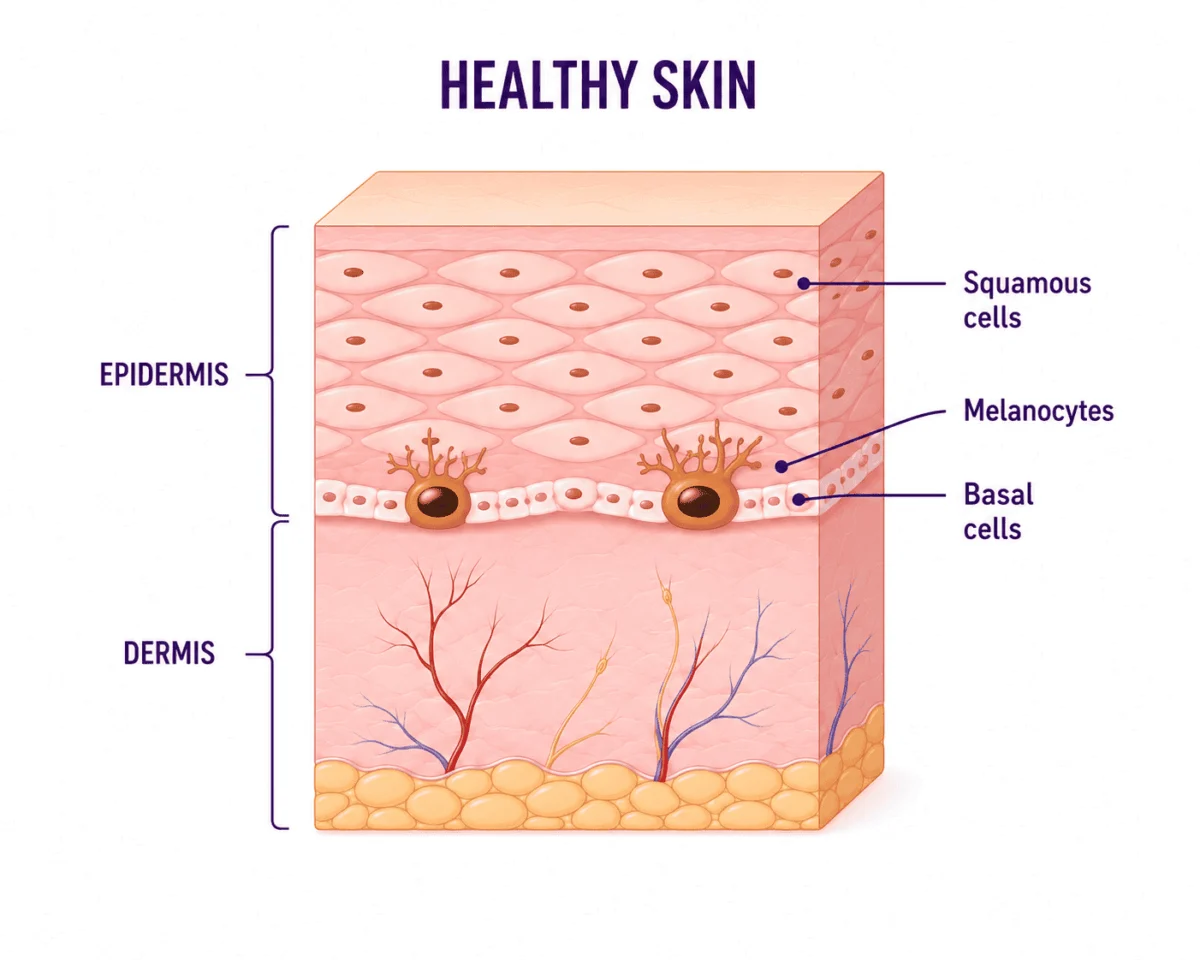
As July unfolds, marking Ultraviolet (UV) Radiation Safety Awareness Month, a renewed focus is cast upon the critical importance of skin protection and the groundbreaking scientific advancements in combating skin cancer. The skin, humanity’s largest organ, serves as the first line of defense against environmental aggressors, making its diligent protection not merely a cosmetic concern but a vital health imperative. Institutions like the Cancer Research Institute (CRI) leverage this awareness period to disseminate crucial information, emphasizing that while skin cancer remains a significant public health challenge, the vast majority of cases are preventable through simple, consistent measures. Simultaneously, the landscape of treatment, particularly for aggressive forms like melanoma, has been revolutionized by innovative immunotherapies, offering unprecedented hope where once there was despair.
The Pervasive Threat of UV Radiation
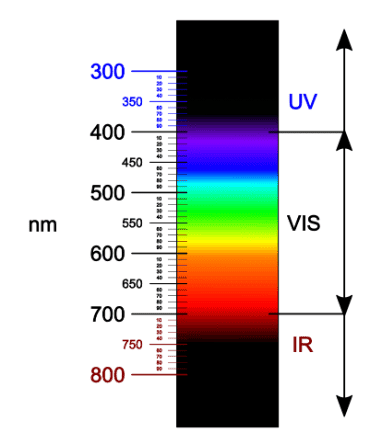
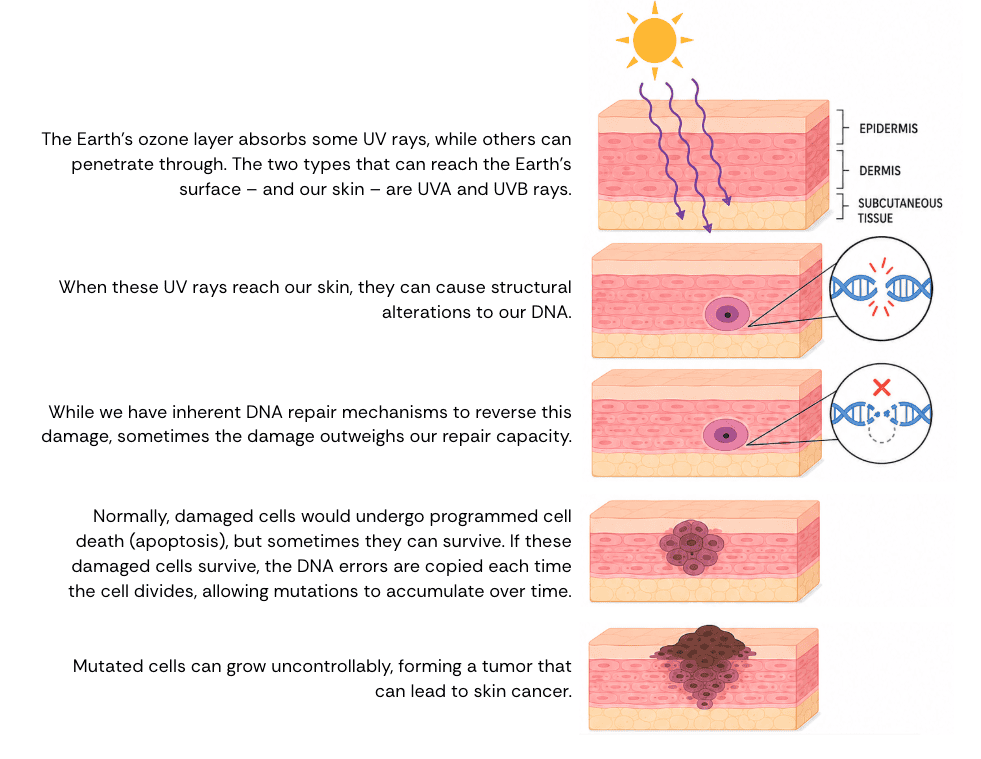
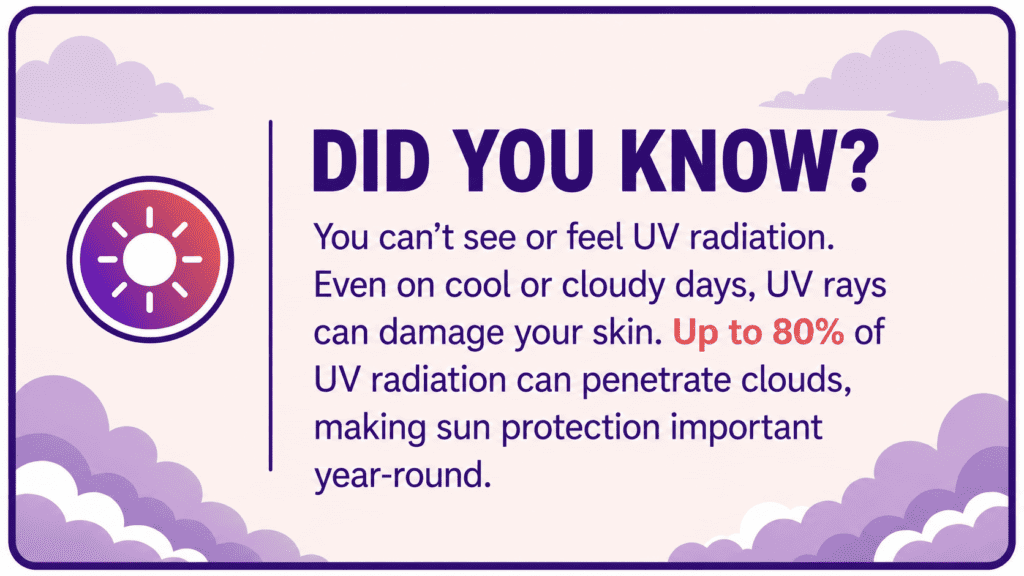
Ultraviolet radiation, an invisible component of sunlight and artificial sources like tanning beds, represents the primary environmental carcinogen for skin cancer. With wavelengths shorter than visible light, UV radiation is categorized into three main types: UV-A, UV-B, and UV-C. While UV-C is largely absorbed by the Earth’s ozone layer and poses minimal threat, both UV-A and UV-B rays penetrate the atmosphere and skin, inflicting cellular damage. UV-A rays, comprising approximately 95% of the UV radiation reaching the Earth’s surface, are associated with skin aging and contribute to DNA damage, while UV-B rays are the primary cause of sunburn and directly damage DNA, significantly increasing the risk of skin cancer. The cumulative effect of this radiation, building up over years of exposure, underlies the development of various skin malignancies. This damage compromises the genetic material within skin cells, leading to uncontrolled growth and proliferation. Protecting the skin with broad-spectrum sunscreen of SPF 30 or higher, alongside physical barriers like clothing, stands as the most accessible and effective strategy to mitigate this insidious DNA damage.
Understanding Skin Cancer: Types, Incidence, and Risk Factors
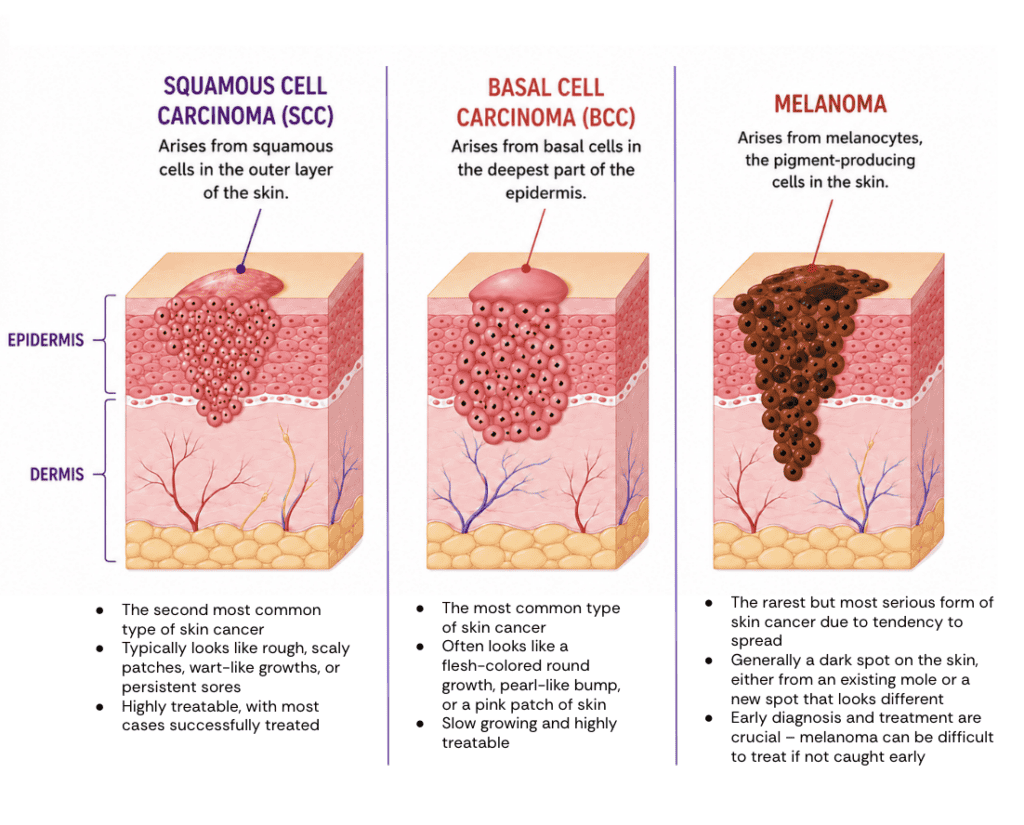
Skin cancer is broadly categorized into non-melanoma skin cancers (NMSC) and melanoma. Non-melanoma skin cancers, including Basal Cell Carcinoma (BCC) and Squamous Cell Carcinoma (SCC), are the most common forms. BCC typically appears as a pearly or waxy bump on sun-exposed areas and accounts for about 80% of all NMSC cases. SCC, the second most common, often presents as a firm, red nodule or a flat, scaly lesion, and accounts for approximately 20% of NMSC. While BCC and SCC are generally less aggressive and highly curable when detected early, they can be disfiguring if left untreated and, in rare instances, can metastasize.
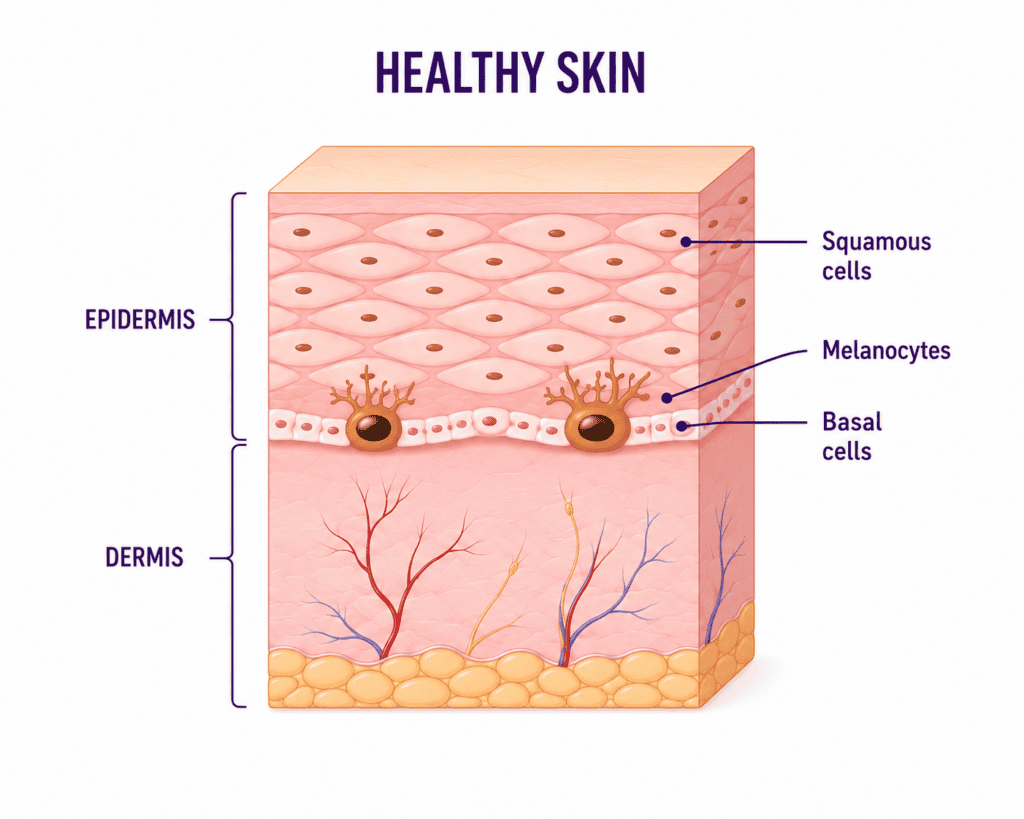
Melanoma, though less common than NMSC, is significantly more dangerous due to its higher propensity for metastasis and its aggressive nature. Originating in melanocytes, the pigment-producing cells of the skin, melanoma can arise from existing moles or appear as new, unusually shaped or colored lesions. According to the American Cancer Society, an estimated 99,780 new melanomas will be diagnosed in the U.S. in 2024, and about 7,650 people are expected to die from the disease. The incidence of melanoma has been steadily rising for several decades, making it a critical public health concern. Beyond UV exposure, risk factors for skin cancer include fair skin, a history of sunburns, numerous moles, a family history of skin cancer, and a weakened immune system.
Prevention: The Forefront of Skin Cancer Control
The good news amidst these statistics is that most skin cancers are highly preventable. Public health campaigns, like UV Radiation Safety Awareness Month, serve to reinforce simple yet profoundly impactful preventive strategies. These include:
- Seeking Shade: Especially during peak UV hours, typically between 10 AM and 4 PM, when the sun’s rays are strongest.
- Wearing Protective Clothing: Long-sleeved shirts, pants, wide-brimmed hats, and UV-blocking sunglasses provide excellent physical barriers against UV radiation. Many fabrics now offer UPF (Ultraviolet Protection Factor) ratings for enhanced protection.
- Applying Sunscreen Diligently: Use broad-spectrum sunscreen with an SPF of 30 or higher, even on cloudy days. It should be applied generously to all exposed skin 15-30 minutes before sun exposure and reapplied every two hours, or more frequently after swimming or sweating.
- Avoiding Tanning Beds: Artificial tanning devices emit harmful UV radiation, significantly increasing the risk of melanoma and NMSC.
- Regular Skin Self-Exams: Periodically checking one’s skin for new or changing moles, lesions, or growths can aid in early detection. The "ABCDEs" of melanoma (Asymmetry, Border irregularity, Color variation, Diameter greater than 6mm, Evolving) serve as a useful guide for identifying suspicious lesions.
- Professional Skin Checks: Annual dermatological examinations are recommended, especially for individuals with higher risk factors.
The consistent adoption of these habits can dramatically reduce an individual’s lifetime risk of developing skin cancer, underscoring the power of proactive health management.
A Paradigm Shift: Immunotherapy’s Triumph in Melanoma
While prevention remains paramount, for those diagnosed with advanced skin cancers, particularly melanoma, the advent of immunotherapy has marked a profound turning point. Before these breakthroughs, metastatic melanoma carried a grim prognosis, with limited treatment options and poor long-term survival rates. Traditional chemotherapy offered only modest benefits, often accompanied by severe side effects. The landscape began to shift dramatically with the understanding of the immune system’s role in cancer surveillance and the development of therapies designed to unleash its innate power.
Central to this revolution are Immune Checkpoint Inhibitors (ICIs). These drugs target specific proteins on immune cells or cancer cells that act as "brakes" on the immune system, preventing T-cells from recognizing and attacking cancer. By blocking these checkpoints, ICIs essentially remove the suppressive signals, allowing the immune system to mount a robust anti-tumor response. The foundational work leading to ICIs was pioneered by scientists like James P. Allison, PhD, Director of CRI’s Scientific Advisory Council. Dr. Allison’s groundbreaking discovery of CTLA-4 as an immune checkpoint and the subsequent development of ipilimumab, the first ICI approved for melanoma, earned him the Nobel Prize in Physiology or Medicine in 2018, shared with Tasuku Honjo for his work on PD-1.
Since then, a suite of ICIs targeting CTLA-4 and PD-1 (or its ligand PD-L1) have transformed melanoma treatment. Examples include nivolumab, pembrolizumab, and the combination of nivolumab and ipilimumab, which have significantly improved overall survival rates for patients with advanced melanoma. These therapies have been celebrated as one of immunotherapy’s greatest success stories, demonstrating durable responses and long-term remission in a substantial subset of patients.
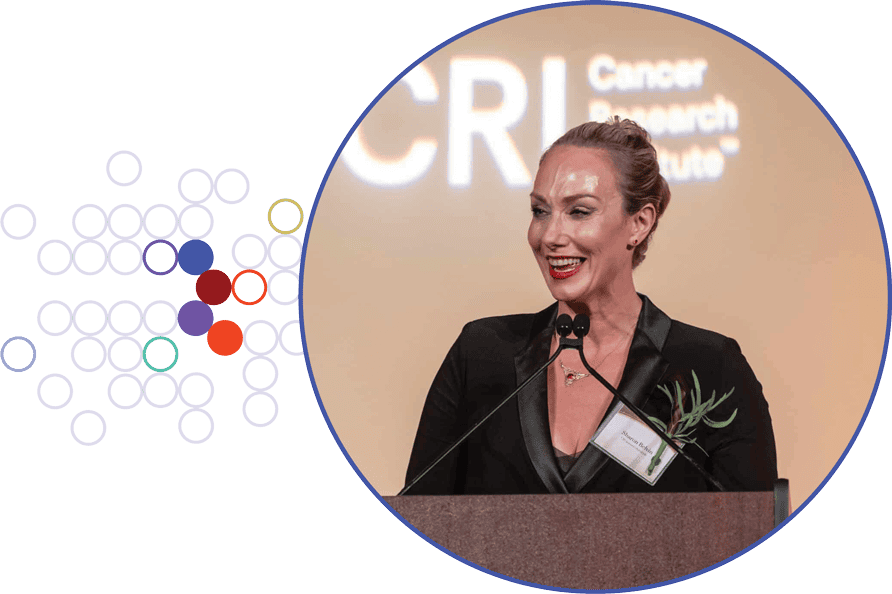
The profound impact of these treatments is vividly illustrated by patient stories such as Sharon Belvin. Diagnosed with Stage 4 melanoma at just 22 years old, Sharon was running out of options when she enrolled in one of the early clinical trials for ICIs. Her remarkable and lasting recovery, remaining cancer-free for over two decades, stands as a testament to the life-changing potential of this research. Her story, culminating in Dr. Allison officiating her wedding, symbolizes the deeply personal victories born from decades of dedicated scientific inquiry. These efforts in the lab have translated directly into extended, quality life for countless individuals like Sharon, fundamentally altering the trajectory of a once-devastating diagnosis.
The Unfinished Battle: Advancing Immunotherapy Research
Despite the monumental progress, immunotherapy does not universally succeed. Between 30% and 50% of patients with advanced melanoma still do not respond to ICIs, prompting an urgent focus within the scientific community to understand the mechanisms of resistance and to develop strategies to broaden the efficacy of these treatments.
Leading this charge are researchers like Katie Campbell, PhD, a former CRI Postdoctoral Fellow and adjunct assistant professor at UCLA. Dr. Campbell’s research delves beyond simply identifying the presence of immune cells within tumors. Instead, her work meticulously analyzes their spatial arrangement and architectural organization, seeking to uncover what these "cellular neighborhoods" reveal about a patient’s likelihood of benefiting from immunotherapy. She likens these complex microenvironments, where cancer cells, immune cells, and blood vessels interact, to a dynamic ecosystem.
Crucially, Dr. Campbell’s team studies biopsies taken both before and during treatment. This longitudinal approach allows researchers to capture the immune system in motion, rather than a static snapshot. As she eloquently describes it, "It’s like taking a picture of a bike race before it starts. Before the race, you can just say there’s a bunch of bikes. Once they’re moving, you can say which cyclists are at the front of the pack versus the back – and you can do a lot more inference about what’s happening." This dynamic understanding is vital for deciphering why some immune responses succeed and others falter.
The broader vision behind this intricate research is to enable smarter, earlier intervention. Currently, patients who don’t respond to initial immunotherapy might undergo multiple treatment regimens, losing critical time and potentially diminishing their capacity to respond to subsequent therapies. Dr. Campbell’s goal is to develop predictive biomarkers and diagnostic tools that can guide clinicians in selecting the most effective therapy from the outset, tailoring treatment to individual patient profiles and improving outcomes for a greater number of individuals. This personalized medicine approach holds the promise of minimizing trial-and-error, reducing patient suffering, and optimizing therapeutic success.
Broader Public Health Implications and Future Outlook
The dual emphasis on prevention and treatment innovation holds significant public health implications. Continued public awareness campaigns are essential to combat rising skin cancer rates, which place a substantial burden on healthcare systems and individual lives. Education about UV safety, early detection practices, and the dangers of artificial tanning must remain a cornerstone of public health initiatives.
Concurrently, sustained investment in fundamental immunology research is vital. The trajectory from Dr. Allison’s basic science discovery to Sharon Belvin’s long-term remission underscores the critical link between laboratory research and clinical breakthroughs. The ongoing efforts of scientists like Dr. Campbell exemplify the relentless pursuit of knowledge necessary to overcome remaining challenges in cancer treatment.
Ultimately, the future vision for skin cancer control is one where fewer people develop the disease, and for those who do, the prognosis is increasingly favorable. This future hinges on a collective commitment: individuals adopting sun-safe behaviors, healthcare providers promoting early detection, and scientific institutions fostering groundbreaking research. Whether it’s the simple act of applying sunscreen before stepping outdoors or supporting the scientific endeavors that fuel tomorrow’s breakthroughs, every action contributes to a world where skin cancer is not only more treatable but also significantly less prevalent. The journey toward conquering skin cancer is a testament to human resilience and scientific ingenuity, a continuous effort to protect our largest organ and preserve countless lives.
