
 By admin
LifeMine Therapeutics, a pioneering biotechnology firm spearheading innovation in natural product drug discovery under the leadership of serial entrepreneur Greg Verdine, announced on Thursday the successful closure of $263 million in venture financing. This substantial capital infusion, comprising a Series D and a Series E round, is earmarked to accelerate the clinical development of LIFE-001, a novel, protective treatment for organ transplant recipients, pushing it deeper into later-stage human testing. The funding underscores significant investor confidence in LifeMine’s distinctive approach to unearthing therapeutic agents from the vast chemical diversity embedded within the fungal genome.
Reimagining Immunosuppression for Organ Transplants
Organ transplantation represents a life-saving intervention for hundreds of thousands of individuals worldwide suffering from end-stage organ failure. According to the Organ Procurement and Transplantation Network (OPTN), over 46,000 organ transplants were performed in the United States alone in 2023, a record high. Globally, this number exceeds 150,000 annually. However, the long-term success of these procedures is critically dependent on effective immunosuppression to prevent the recipient’s immune system from rejecting the transplanted organ. Current immunosuppressive regimens, while life-extending, are often fraught with significant side effects that compromise patient quality of life and long-term graft survival.
At the core of many existing immunosuppressive strategies are calcineurin inhibitors (CNIs) such as cyclosporine and tacrolimus. These drugs are highly effective at preventing acute organ rejection by blocking the activity of calcineurin, an enzyme crucial for activating T cells, which are key mediators of the immune response. Despite their efficacy, both cyclosporine and tacrolimus are notorious for their narrow therapeutic window and a wide array of severe adverse effects. These include nephrotoxicity (kidney damage), neurotoxicity (tremors, seizures), hypertension, hyperlipidemia, and post-transplant diabetes mellitus (PTDM), which affects up to 30% of kidney transplant recipients. Furthermore, their mechanism of action often involves an indirect "molecular glue" effect, forcing together two proteins that would not naturally bind, leading to off-target interactions and the cascade of undesirable side effects.
LifeMine’s lead candidate, LIFE-001, emerges from this critical unmet need. It is designed to overcome the limitations of current CNIs by offering a potentially safer and more targeted approach. The compound directly inhibits calcineurin by binding to a previously uncharacterized site within the enzyme’s structure. This novel binding mode is expected to confer a more specific action profile, minimizing the off-target effects seen with conventional CNIs. Crucially, preclinical data suggests that LIFE-001 exhibits limited penetration into the brain and other peripheral tissues, a factor that could significantly reduce the incidence of neurotoxicity and other systemic side effects commonly associated with existing treatments.
Beyond its direct inhibitory mechanism, LIFE-001 is being developed as a long-acting injectable. This formulation aims to "flatten out the pharmacokinetics," as described by Verdine, CEO of LifeMine Therapeutics. This means reducing the dramatic peaks and troughs in drug concentration that occur with oral medications, thereby minimizing periods of both excessive immunosuppression (increasing infection risk) and insufficient suppression (increasing rejection risk). A more stable drug level could lead to improved efficacy, reduced side effects, and potentially enhanced patient adherence, a critical factor in long-term transplant success.
Tapping into a Billion-Year-Old Pharmacy: The Fungal Genome
The genesis of LIFE-001 lies in a revolutionary approach to natural product drug discovery. For centuries, fungi have served as an invaluable source of therapeutic compounds. The discovery of penicillin from Penicillium chrysogenum in 1928 by Alexander Fleming revolutionized medicine. Later, the cholesterol-lowering statins and the potent immunosuppressant cyclosporine, crucial for the success of organ transplantation, also originated from fungal metabolites. These discoveries underscore the immense, largely untapped pharmaceutical potential residing within the microbial world.
LifeMine Therapeutics has taken this historical precedent and modernized it through its proprietary platform. Instead of relying on serendipitous discovery or traditional, labor-intensive fermentation screening methods, LifeMine systematically mines the genomic information of fungi. By analyzing fungal genomes, the company aims to identify the biosynthetic gene clusters responsible for producing novel small molecules with therapeutic potential. This genomic-driven approach allows for a more targeted and repeatable discovery process, moving beyond the limitations of traditional natural product screening. LifeMine has amassed an extensive database of fungal genomic information, leveraging advanced bioinformatics and artificial intelligence to predict and isolate promising drug candidates. LIFE-001 is a direct outcome of this sophisticated platform, demonstrating the power of systematically exploring this "billion-year-old place."
Clinical Trajectory and Strategic Vision
LIFE-001 is currently undergoing evaluation in an ongoing Phase 1 study to assess its safety and tolerability in human subjects. Following this initial assessment, LifeMine plans a rapid advancement into Phase 2 studies. One key Phase 2 trial will enroll individuals who have undergone kidney transplants, a population critically in need of safer and more effective immunosuppression. Concurrently, a Phase 1b trial is slated for patients receiving islet cell transplants, a procedure used to manage conditions such as type 1 diabetes and chronic pancreatitis. Islet cell transplantation offers the potential to restore insulin production and improve glycemic control, but its widespread adoption is hampered by the need for lifelong immunosuppression.
The company anticipates data from the islet transplant recipient study by the end of 2027, with results from the larger kidney transplant study expected in 2028. These milestones represent critical inflection points for LifeMine, as positive data would further validate LIFE-001’s potential and the underlying discovery platform.
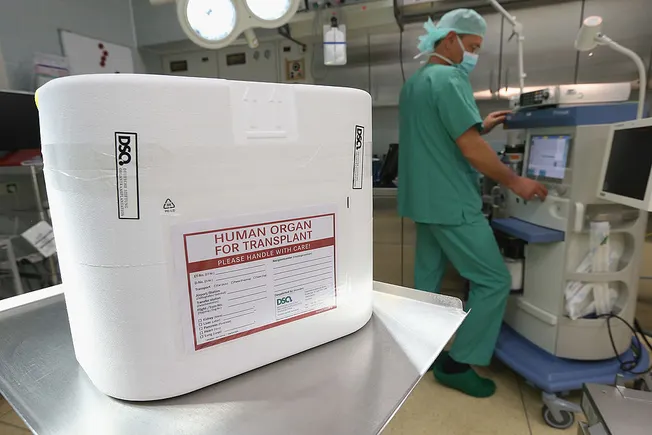
While the calcineurin pathway is also implicated in various autoimmune disorders like Crohn’s disease and lupus nephritis, Greg Verdine articulated a deliberate strategic choice to focus primarily on transplantation. Despite exploring the possibility of using LIFE-001 in these areas, the company opted against it, citing the crowded and highly competitive landscape of autoimmune drug development. Verdine described transplantation as a "major opportunity that was hiding in plain sight that everyone just overlooked," emphasizing the profound unmet need and the potential for a truly differentiated product to make a significant impact in this patient population. This strategic focus highlights LifeMine’s commitment to addressing high-impact areas where their unique therapeutic approach can offer distinct advantages.
A Strong Financial Foundation and Esteemed Backing
LifeMine’s journey has been marked by substantial financial backing, culminating in approximately $580 million in private financing to date. The latest funding rounds, totaling $263 million, reflect strong investor confidence. This includes a $75 million Series D financing secured in the fourth quarter of 2025, followed by a robust $188 million Series E round. The Series E was led by Milky Way Investments and featured participation from a consortium of high-profile investors, including Jeff Bezos’s investment firm Bezos Expeditions, Gates Frontier, GV (Google Ventures), RA Capital Management, and Arch Venture Partners, among others. The involvement of such prominent venture capital firms and strategic investors underscores the perceived value and potential of LifeMine’s platform and pipeline.
In 2023, LifeMine also entered into a significant research collaboration with global pharmaceutical giant GSK, further validating the potential of its genomic-based fungal drug discovery platform. Such collaborations are often indicative of external scientific and commercial interest in a biotech company’s core technology.
Looking ahead, LifeMine is considering various commercialization strategies for LIFE-001. While the company is still early in its development journey, Verdine indicated that LifeMine might eventually commercialize LIFE-001 independently. An initial public offering (IPO) remains a potential path, though the company plans to wait until it has accumulated more definitive data from its initial human studies, particularly the Phase 2 kidney transplant and Phase 1b islet cell transplant trials, before pursuing such a move.
The Visionary Behind LifeMine: Greg Verdine
LifeMine Therapeutics is one of numerous innovative drug startups co-founded by Greg Verdine, a distinguished former chemical biologist from Harvard University. Verdine’s entrepreneurial track record is extensive, including co-founding publicly traded drug developers such as Parabilis Medicines and Wave Life Sciences. He also founded Warp Drive Bio, a company that was acquired by Revolution Medicines in 2018. His deep scientific expertise combined with a proven ability to translate groundbreaking research into successful biotech ventures provides a strong foundation for LifeMine’s ambitious goals. Verdine’s vision for LifeMine is not merely to discover new drugs but to establish a systematic, repeatable process for uncovering the vast chemical diversity that nature has evolved over billions of years, particularly within the fungal kingdom.
Broader Implications for Patients and the Biotech Landscape
The potential success of LIFE-001 carries profound implications for organ transplant recipients. A safer, more targeted, and better-tolerated immunosuppressant could significantly improve the quality of life for patients, reduce the burden of chronic side effects, and potentially extend the functional lifespan of transplanted organs. This could lead to a paradigm shift in post-transplant care, allowing patients to lead healthier, more active lives free from the debilitating complications of current therapies. Moreover, if a new generation of immunosuppressants proves safer, it might expand the pool of eligible transplant recipients and potentially reduce the long-term economic burden associated with managing chronic complications and re-transplantations.
The global market for immunosuppressants is substantial, projected to exceed $10 billion annually and continue growing due to increasing transplant volumes and the expansion of autoimmune disease indications. Within this market, calcineurin inhibitors remain a cornerstone. A novel CNI with a superior safety profile could capture a significant share of this market, particularly if it demonstrates meaningful improvements in patient outcomes.
For the broader biotech industry, LifeMine’s journey exemplifies the renewed interest in natural products, but with a crucial modern twist. The integration of genomics, bioinformatics, and computational biology is transforming how scientists explore natural sources for drug discovery. LifeMine’s success could inspire further investment and research into other underexplored natural product reservoirs, potentially unlocking a new era of therapeutic innovation. The significant capital raised by LifeMine also reflects a continued appetite among investors for platform companies that possess proprietary discovery technologies with the potential to generate multiple drug candidates across various therapeutic areas.
While the path from early clinical development to market approval is long and fraught with challenges, LifeMine Therapeutics, with its innovative fungal genome mining platform, strong financial backing, and focused clinical strategy, is poised to potentially redefine immunosuppression for organ transplantation. The coming years, with critical clinical data readouts on the horizon, will be pivotal in determining the extent of LIFE-001’s transformative impact.
