
 By admin
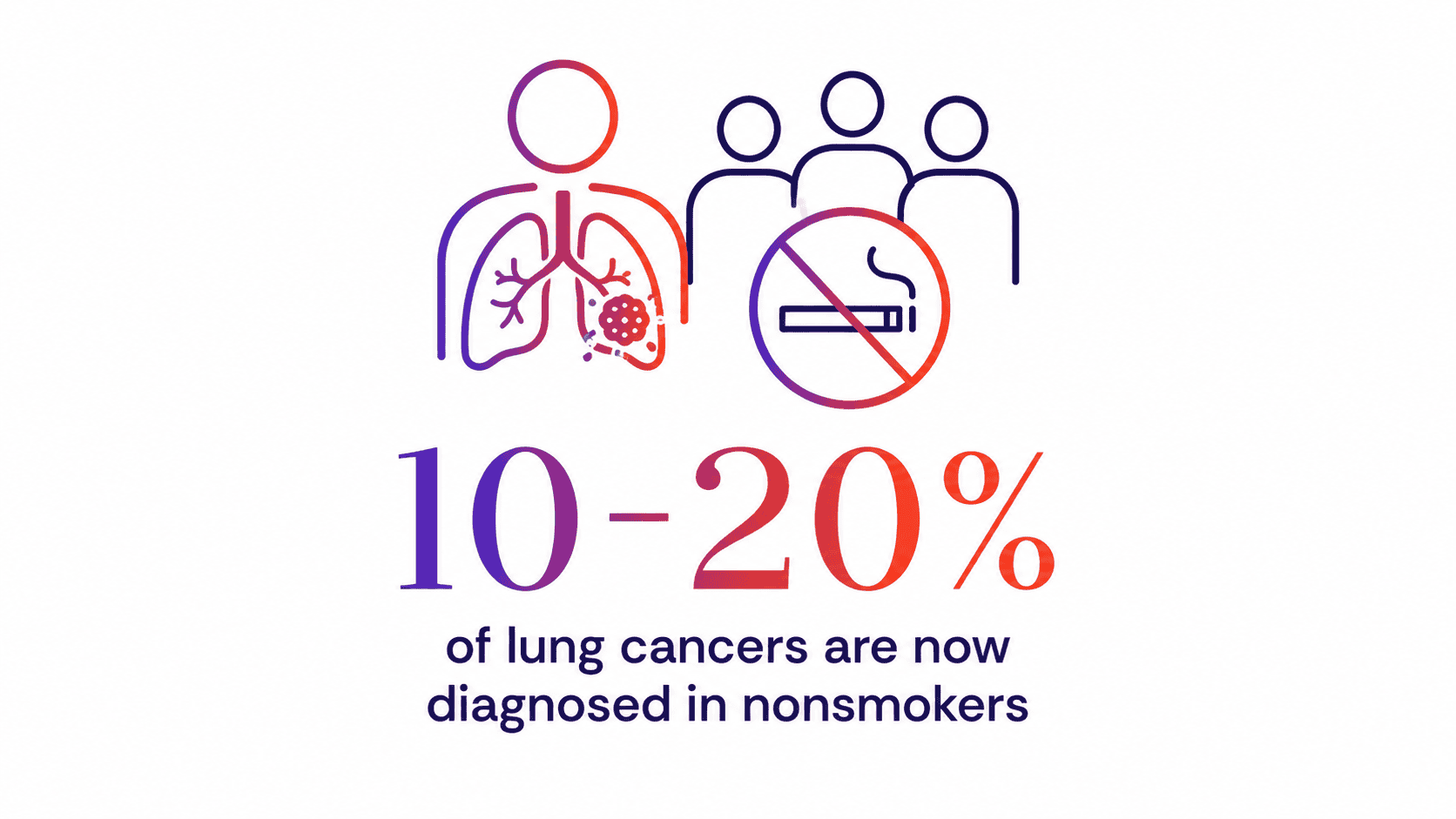
For decades, lung cancer has been inextricably linked with tobacco use, a perception rooted in overwhelming scientific evidence establishing smoking as the predominant cause globally. However, a significant and concerning shift is underway in the landscape of this deadly disease, challenging long-held assumptions and demanding a re-evaluation of public health strategies. An increasing proportion of lung cancer diagnoses, now estimated to be between 10% and 20% of all cases, are occurring in individuals who have never smoked, prompting researchers to recognize this phenomenon as a distinct disease entity: lung cancer in never-smokers (LCINS). This evolving understanding underscores the multifaceted nature of cancer development and highlights the critical need for broader public awareness and targeted research.
A Shifting Paradigm: Recognizing a Distinct Disease
Historically, lung cancer was primarily viewed through the lens of smoking, leading to a pervasive societal stigma and often delaying diagnosis in non-smokers. However, advanced molecular profiling and epidemiological studies have revealed that LCINS is biologically and genetically distinct from smoking-related lung cancer. While tobacco smoke inflicts widespread DNA damage, leading to thousands of genetic mutations, LCINS tumors are typically driven by a smaller number of specific, actionable gene mutations. This fundamental difference in etiology and pathogenesis has profound implications for diagnosis, treatment, and prevention strategies.
The recognition of LCINS as a unique disease has been a gradual process, accelerating over the past two decades as diagnostic technologies improved and more comprehensive patient data became available. Early observations of lung cancer in non-smoking women, particularly those of Asian descent, hinted at underlying genetic predispositions and environmental factors beyond tobacco. Today, LCINS is increasingly diagnosed in younger adults and women, with approximately two-thirds of cases occurring in women. Research indicates that certain cancer-driving mutations, such as those in the EGFR, ALK, and ROS1 genes, are more prevalent in these populations, providing crucial insights into the molecular mechanisms at play. This demographic shift challenges the traditional image of a lung cancer patient, demanding a more inclusive approach to risk assessment and early detection.
The Enigma of Rising Incidence: Unpacking Contributing Factors
The exact reasons behind the increasing prevalence of LCINS are complex and multifactorial, likely stemming from a combination of environmental exposures, inherited genetic susceptibilities, and improved diagnostic capabilities. While a single definitive cause remains elusive, researchers have identified several significant risk factors that appear to play a crucial role in the development of LCINS. Understanding these factors is paramount for developing effective public health interventions and personalized prevention strategies.
Environmental Culprits: Secondhand Smoke, Radon, and Air Pollution
Three primary environmental exposures are consistently cited as major risk factors for LCINS: secondhand smoke, radon, and outdoor air pollution. Each contributes to cellular damage in the lungs through distinct mechanisms, cumulatively increasing the risk of malignant transformation.
-
Secondhand Smoke (Environmental Tobacco Smoke – ETS): Despite widespread awareness campaigns against direct smoking, the dangers of secondhand smoke often remain underestimated. ETS contains over 7,000 chemicals, with at least 70 identified as carcinogens. Even brief exposure can inflict damage on lung cells, promoting inflammation and DNA mutations. Living or working environments with regular exposure to secondhand smoke significantly elevate the risk of lung cancer for non-smokers. The insidious nature of ETS lies in its ubiquity and the fact that individuals may be unknowingly exposed, making it a persistent public health challenge. Global efforts to ban smoking in public places have reduced exposure in some regions, but domestic and occupational exposures remain prevalent, particularly in cultures where smoking is still widespread.
-
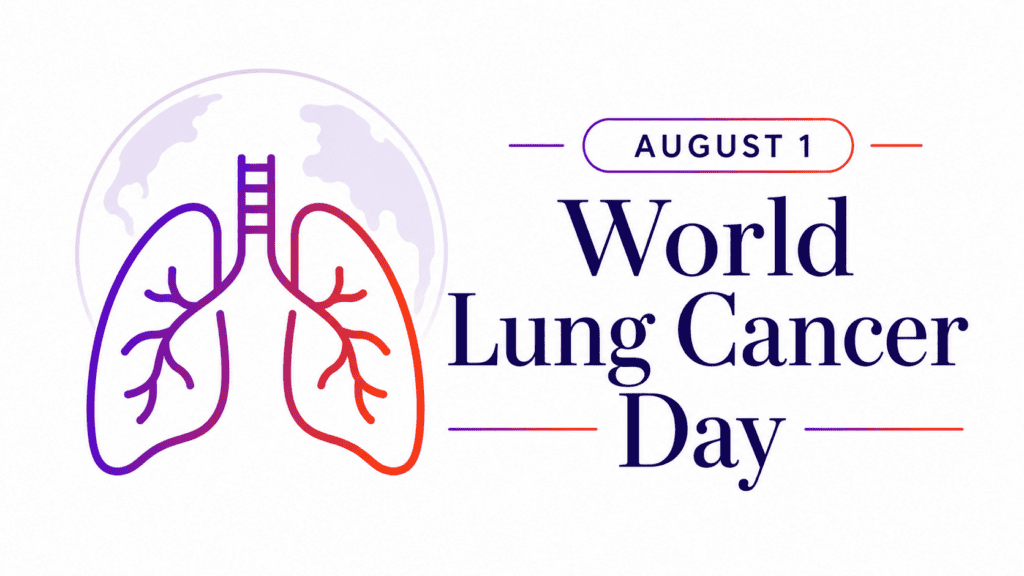
Radon: The Invisible Threat: Radon is the leading cause of lung cancer among never-smokers and the second leading cause overall, after smoking. This naturally occurring radioactive gas is a decay product of uranium found in soil and rocks. It is colorless, odorless, and tasteless, making it virtually undetectable without specialized testing. Radon infiltrates homes and buildings through cracks in foundations, pipes, and other openings, accumulating to hazardous levels, especially in poorly ventilated indoor spaces. When inhaled, radon particles deposit in the airways, emitting alpha radiation that can damage cellular DNA, initiating and promoting cancer development.
The U.S. Environmental Protection Agency (EPA) estimates that radon causes about 21,000 lung cancer deaths per year, with approximately 2,900 of these occurring among never-smokers. Radon levels can vary dramatically even within the same neighborhood, making home testing a critical preventive measure. Fortunately, inexpensive test kits are widely available, and elevated levels can often be mitigated through relatively straightforward home ventilation systems. Public health campaigns increasingly emphasize radon testing and mitigation, recognizing its significant but often overlooked contribution to lung cancer incidence. -
Air Pollution: A Global Health Crisis: Outdoor air pollution, particularly fine particulate matter (PM2.5), is a growing global concern and a recognized carcinogen. PM2.5 refers to microscopic particles with a diameter of 2.5 micrometers or less, which are small enough to penetrate deep into the respiratory tract and even enter the bloodstream. These particles, originating from vehicle emissions, industrial processes, power generation, and combustion, carry toxic chemicals and heavy metals. Chronic exposure to PM2.5 causes persistent inflammation, oxidative stress, and DNA damage in lung cells, creating a fertile ground for cancer development.
The World Health Organization (WHO) recommends PM2.5 concentrations remain below 5 µg/m³ for optimal health. However, many urban and industrial areas worldwide consistently exceed this guideline. In the United States, the average PM2.5 concentration hovers around 7 µg/m³, but this pales in comparison to regions like India, where the average can approach 50 µg/m³, with some cities experiencing levels well over 100 µg/m³. This stark global disparity highlights a critical environmental justice issue, as populations in developing nations often bear a disproportionate burden of air pollution-related diseases, including LCINS. Studies have even shown a direct association between air pollution exposure and the acquisition of specific genetic mutations in lung tumors of non-smokers, further solidifying its role as a direct carcinogen.
The Menace of Wildfire Smoke: Adding to the air pollution burden, the increasing frequency and intensity of wildfires globally present an acute and chronic public health threat. Wildfire smoke is a complex mixture of gases and fine particulate matter, including PM2.5, that can travel hundreds or even thousands of miles. Events like the Canadian wildfires in the summer of 2026, which drove pollution values over 175 µg/m³ across the northeastern U.S., including the New York City metro area, illustrate the far-reaching impact of these events. Such extreme and prolonged exposures to highly concentrated smoke raise significant concerns about long-term respiratory and carcinogenic effects, particularly for vulnerable populations and those with pre-existing conditions. As climate change continues to exacerbate wildfire seasons, this risk factor is projected to intensify, demanding urgent policy responses for air quality management and public health preparedness.
Genetic Susceptibility and Acquired Mutations: Beyond environmental exposures, an individual’s genetic makeup plays a role. Inherited genetic susceptibilities can increase a person’s risk of developing LCINS. Furthermore, acquired gene mutations, often linked to the environmental factors mentioned, are crucial drivers. For instance, mutations in the EGFR gene are found in approximately 10-15% of NSCLC cases in Western populations and up to 50% in East Asian populations, with a higher prevalence in never-smokers. Other common mutations include ALK, ROS1, BRAF, and MET. These "driver mutations" fuel uncontrolled cell growth and are critical targets for personalized therapies. The interplay between genetic predisposition and environmental triggers is a key area of ongoing research, aiming to unravel the precise pathways leading to LCINS.
Challenges in Early Detection and Diagnosis

One of the most critical challenges in managing LCINS is the difficulty in achieving early diagnosis. Over 70% of lung cancer cases, including those in never-smokers, are diagnosed at advanced stages, primarily because early-stage tumors often present with no discernible symptoms. When symptoms do emerge, they are often subtle and non-specific, easily mistaken for more common, benign respiratory conditions such as asthma, allergies, bronchitis, or persistent infections. This diagnostic delay is further compounded by current lung cancer screening guidelines.
Current recommendations, such as those from the U.S. Preventive Services Task Force (USPSTF), primarily target adults aged 50 to 80 with a history of heavy smoking (at least 20 pack-years and who currently smoke or have quit within the past 15 years). These criteria effectively exclude the majority of never-smokers, even those with other risk factors. Consequently, younger adults and individuals who have never smoked are not routinely screened, leading to missed opportunities for early detection. The lack of a "smoking history" as a red flag means that healthcare providers may not consider lung cancer until symptoms become severe or the disease has metastasized. This disparity in screening access contributes significantly to poorer prognoses for LCINS patients.
Recognizing Potential Symptoms: While non-specific, it is crucial for both patients and healthcare providers to be aware of potential warning signs that, if persistent or worsening, warrant further investigation. These include:
- A persistent cough that does not go away or worsens
- Coughing up blood or rust-colored sputum
- Chest pain that is often worse with deep breathing, coughing, or laughing
- Hoarseness
- Weight loss and loss of appetite
- Shortness of breath
- Feeling tired or weak
- New onset of wheezing
- Recurrent infections such as bronchitis or pneumonia
Having one or more of these symptoms does not definitively indicate lung cancer. However, if they persist for several weeks, intensify, or occur without a clear explanation, seeking medical evaluation is imperative. Early consultation with a healthcare provider can facilitate timely diagnosis and significantly improve treatment outcomes.
The Evolution of Personalized Treatment
The recognition of LCINS as a distinct disease has revolutionized its treatment paradigm, moving away from a one-size-fits-all approach to highly personalized therapies. Since LCINS tumors often harbor specific "driver" mutations, treatments are increasingly tailored to the genetic profile of the individual patient’s cancer, a concept known as precision medicine.
-
Targeted Therapies: For patients with specific genetic mutations like EGFR, ALK, ROS1, BRAF, or MET alterations, targeted therapies are often highly effective. These oral medications are designed to specifically block the activity of the mutated proteins that are driving cancer growth. Unlike traditional chemotherapy, which broadly attacks rapidly dividing cells, targeted therapies precisely home in on cancer cells, often resulting in fewer side effects and improved efficacy for eligible patients. The development of these therapies has dramatically improved outcomes for many LCINS patients, transforming lung cancer from a universally grim prognosis to a more manageable chronic disease for some.
-
Immunotherapy: Immunotherapy, particularly immune checkpoint inhibitors, has emerged as a cornerstone of lung cancer treatment. These drugs work by unleashing the body’s own immune system to recognize and destroy cancer cells. For smoking-related lung cancers, which often accumulate numerous DNA mutations, the immune system may more readily identify these "foreign" cancer cells, making immunotherapy particularly effective. However, LCINS tumors, with their fewer mutations, can sometimes be less responsive to immunotherapy alone. This has led researchers to actively investigate combination approaches, such as combining immunotherapy with chemotherapy or with other targeted agents, to improve responses in LCINS patients.
-
Chemotherapy and Radiation: Traditional treatments like chemotherapy and radiation therapy remain vital components, often used in conjunction with targeted therapies or immunotherapy, or as primary treatments for patients without identifiable driver mutations. Advanced radiation techniques, such as stereotactic body radiation therapy (SBRT), deliver high doses of radiation with precision, minimizing damage to surrounding healthy tissues.
-
Surgery: For early-stage LCINS, surgical resection remains the gold standard, offering the best chance for a cure. Advances in minimally invasive surgical techniques, such as video-assisted thoracoscopic surgery (VATS) and robotic-assisted thoracoscopic surgery (RATS), have reduced recovery times and improved patient quality of life.

The treatment landscape for LCINS is dynamic, with ongoing clinical trials exploring novel agents, combination strategies, and ways to overcome resistance to existing therapies. This continuous innovation holds immense promise for improving the lives of those affected by this challenging disease.
Global Implications and the Path Forward
The rising incidence of lung cancer in never-smokers presents a significant global health challenge. It highlights the urgent need for a multi-pronged approach encompassing enhanced public health initiatives, refined clinical guidelines, and intensified research efforts.
-
Public Awareness and Education: There is a critical need to broaden public understanding of lung cancer beyond its association with smoking. Campaigns should educate about environmental risk factors like radon, secondhand smoke, and air pollution, and empower individuals to mitigate these risks in their homes and communities. Furthermore, awareness of persistent symptoms, regardless of smoking history, is crucial for promoting early consultation with healthcare providers.
-
Policy and Regulation: Governments and international bodies must strengthen environmental regulations to reduce exposure to known carcinogens. This includes more rigorous air quality standards, improved monitoring, and proactive measures to address threats like wildfire smoke. Policies supporting affordable radon testing and mitigation programs are also essential.

-
Revisiting Screening Guidelines: The current lung cancer screening guidelines, heavily reliant on smoking history, leave a significant portion of LCINS patients vulnerable to late diagnosis. Researchers and policymakers are actively exploring new risk stratification models that incorporate other factors like genetic predisposition, environmental exposures, and demographic data to identify high-risk never-smokers who could benefit from early screening.
-
Accelerated Research: Continued investment in research is paramount to fully unraveling the etiology of LCINS. This includes large-scale epidemiological studies to identify new risk factors, sophisticated molecular analyses to discover novel genetic drivers, and clinical trials to develop more effective and personalized treatments. International collaborations are vital to pool resources and data, accelerating the pace of discovery.
While lung cancer in never-smokers still constitutes a smaller proportion compared to smoking-related cases, its growing incidence is a stark reminder of how much remains unknown about cancer development. Every new discovery, from understanding environmental triggers to identifying specific genetic mutations, brings the medical community closer to earlier detection, more personalized treatments, and ultimately, better outcomes for patients. As the scientific community continues to unravel the complexities of LCINS, the emphasis on proactive prevention, vigilant symptom awareness, and cutting-edge research offers the best hope for mitigating the impact of this silent threat.
