
 By admin
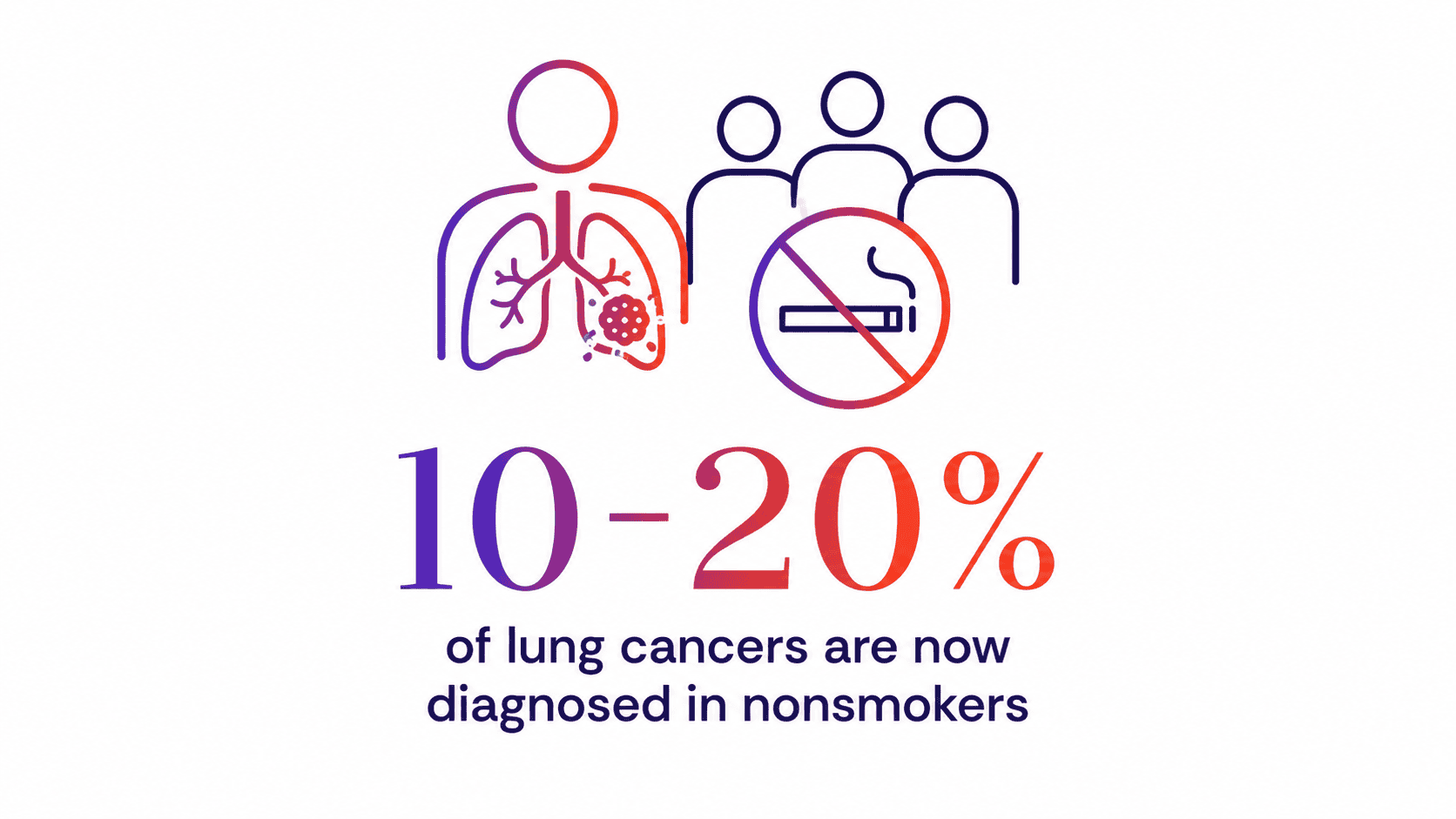
For decades, lung cancer has been almost exclusively associated with tobacco use, a perception rooted in overwhelming scientific evidence that identifies smoking as the primary cause of this devastating disease worldwide. This entrenched understanding has shaped public health campaigns, diagnostic protocols, and treatment strategies for generations. However, a significant and concerning paradigm shift is underway in the medical community: an estimated 10% to 20% of all lung cancer diagnoses are now made in individuals who have never smoked, challenging long-held assumptions and highlighting a critical, evolving public health crisis. This growing cohort, often referred to as Lung Cancer in Never-Smokers (LCINS), is increasingly recognized not as an anomaly, but as a distinct disease entity with its own unique biological underpinnings, genetic drivers, and epidemiological patterns. The rise of LCINS demands a re-evaluation of how lung cancer is understood, diagnosed, and treated, moving beyond the singular focus on smoking to encompass a broader spectrum of risk factors and disease mechanisms. This shift carries profound implications for prevention strategies, early detection initiatives, and the development of personalized therapeutic interventions for millions globally.
A Distinct Biological Entity: More Than Just an Absence of Smoking
The scientific community now largely concurs that LCINS is biologically distinct from smoking-related lung cancer. This differentiation is crucial for advancing both research and clinical care. Unlike lung cancers in smokers, which are characterized by a high tumor mutational burden resulting from thousands of DNA changes induced by tobacco carcinogens, LCINS typically arises from a smaller number of specific, identifiable gene mutations that act as primary drivers of tumor growth. This fundamental difference in molecular pathology is a cornerstone of the new understanding.
Key oncogenic drivers frequently identified in LCINS include mutations in the EGFR (epidermal growth factor receptor), ALK (anaplastic lymphoma kinase), and ROS1 genes. These mutations, particularly EGFR, are significantly more prevalent in LCINS patients compared to those with smoking-related lung cancer. For instance, EGFR mutations can be found in up to 50% of adenocarcinoma cases in never-smokers of East Asian descent. These distinct molecular profiles are not merely academic curiosities; they have profoundly transformed treatment paradigms, moving away from a one-size-fits-all approach to highly individualized strategies based on the tumor’s genetic signature. This understanding underscores the urgent need for comprehensive molecular profiling at diagnosis for all lung cancer patients, irrespective of their smoking history, to identify actionable targets for therapy.
Epidemiologically, LCINS also presents a distinct profile. While lung cancer historically affects older adults, LCINS is increasingly observed in younger individuals and exhibits a notable gender disparity: approximately two-thirds of LCINS cases occur in women. Furthermore, there is a higher prevalence among women of Asian descent. Researchers are actively investigating the reasons behind these demographic trends, exploring potential links to hormonal factors, specific inherited genetic predispositions within these populations, and varying regional environmental exposures. This demographic specificity suggests that a complex interplay of genetic susceptibility and environmental triggers contributes to LCINS development, demanding more targeted research into these populations.
Rising Incidence: Unraveling the Multifactorial Causes
The increasing prevalence of LCINS is not attributable to a single cause but rather a complex interplay of environmental exposures, genetic predispositions, and improved diagnostic capabilities. While researchers continue to meticulously investigate the precise mechanisms, several key risk factors have emerged as significant contributors, challenging the traditional narrative of lung cancer causation.
Secondhand Smoke: A Persistent Threat
Despite widespread awareness campaigns and significant declines in active smoking rates in many developed countries, exposure to secondhand smoke (SHS) remains a substantial and preventable risk factor for LCINS. Also known as environmental tobacco smoke (ETS), SHS contains over 7,000 chemicals, of which at least 70 are known carcinogens. Inhaling even small amounts of secondhand smoke can cause immediate damage to the cells lining the respiratory tract, leading to chronic inflammation, oxidative stress, and direct DNA damage over time. The U.S. Environmental Protection Agency (EPA) classifies secondhand smoke as a Group A carcinogen, indicating its definitive role in causing cancer in humans. Globally, an estimated 1.3 billion people are still exposed to tobacco smoke, with around 65,000 children dying each year from diseases attributable to SHS, according to the World Health Organization. This pervasive exposure underscores the global challenge of tobacco control and the need for continued vigilance against all forms of tobacco-related harm.
Radon: The Silent Killer in Homes
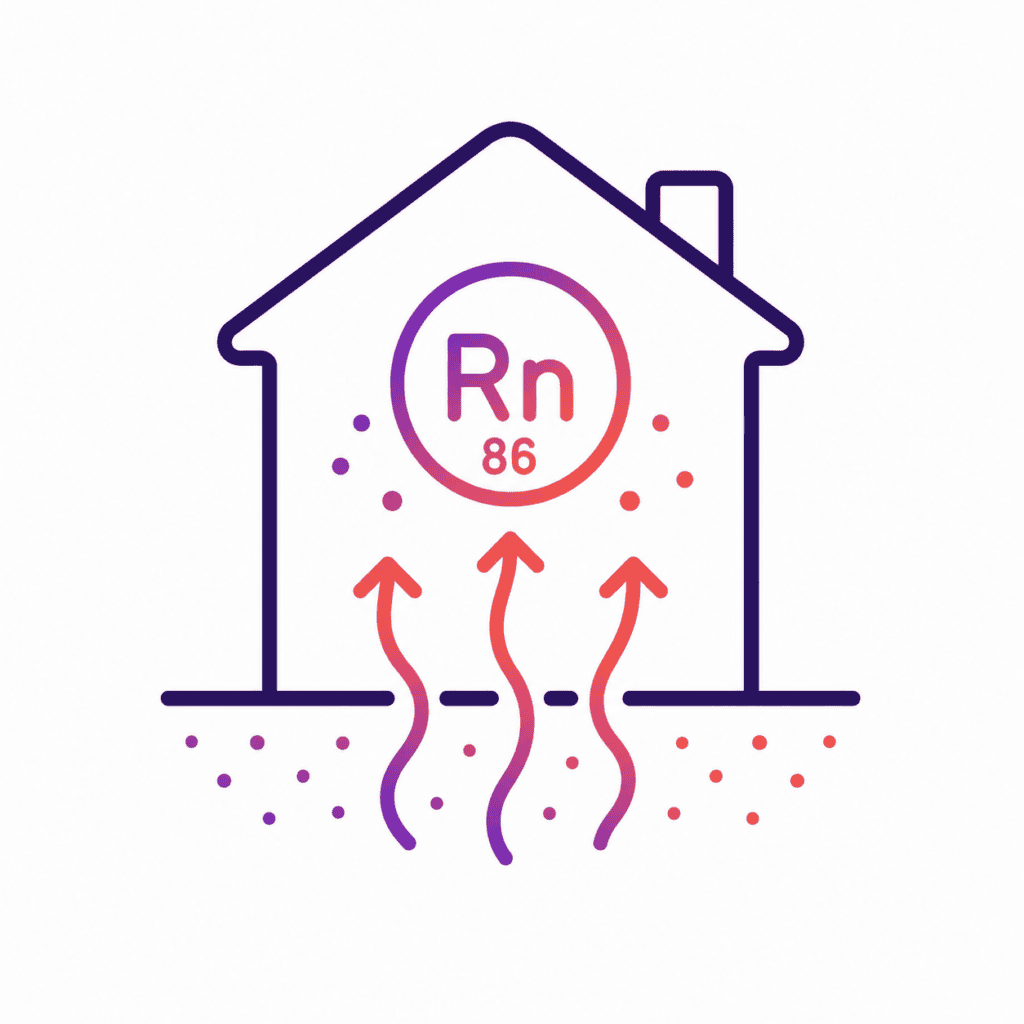
Radon gas is now recognized as the leading cause of lung cancer among never-smokers. This naturally occurring radioactive gas is odorless, colorless, and tasteless, making it undetectable without specialized testing. Radon is produced by the radioactive decay of uranium found in soil, rock, and water. It seeps into homes and buildings through cracks in foundations, floor drains, and other openings, accumulating to dangerous concentrations, especially in poorly ventilated indoor environments.

Once inhaled, radon decay products (e.g., polonium-218, polonium-214) deposit radioactive particles in the airways. These alpha particles emit high-energy radiation that can damage the DNA of lung cells, initiating the carcinogenic process. The EPA estimates that radon exposure causes about 21,000 lung cancer deaths per year in the United States, with approximately 2,900 of these occurring among people who have never smoked. Globally, radon is a significant public health concern, with varying prevalence depending on local geology. The U.S. Surgeon General, EPA, and Centers for Disease Control and Prevention (CDC) have all warned about the health risk of indoor radon exposure. Fortunately, inexpensive home test kits can detect elevated radon levels, and mitigation systems, which typically involve venting the gas from beneath the house to the outside, can effectively reduce concentrations by up to 99%. Public health campaigns promoting radon testing and mitigation are vital, as this preventable risk factor is often overlooked.
Air Pollution: A Global Environmental Carcinogen
Ambient air pollution, particularly fine particulate matter (PM2.5), is increasingly implicated as a major environmental carcinogen driving LCINS. PM2.5 refers to microscopic particles less than 2.5 micrometers in diameter, small enough to penetrate deep into the lungs and even enter the bloodstream. These particles, originating from industrial emissions, vehicle exhaust, biomass burning, and other sources, cause chronic inflammation, oxidative stress, and direct DNA damage, creating a microenvironment conducive to tumor development.
Recent groundbreaking studies have established a strong association between chronic exposure to PM2.5 and the development of specific genetic mutations in lung tumors of never-smokers, particularly EGFR mutations. This research suggests a direct mechanistic link between air pollution and the distinct biology of LCINS, indicating that pollution doesn’t just damage cells but can actively drive the very mutations found in these cancers. The World Health Organization (WHO) recommends that average annual PM2.5 concentrations should not exceed 5 µg/m³. However, many regions globally, including parts of the United States (averaging around 7 µg/m³), consistently exceed this guideline. The disparity is even starker in rapidly industrializing nations, with countries like India experiencing average PM2.5 levels nearing 50 µg/m³, and some urban centers routinely surpassing 100 µg/m³. This global inequity in air quality translates directly into varying levels of cancer risk, emphasizing the urgent need for international cooperation on air quality standards and enforcement.
The Growing Threat of Wildfire Smoke
Adding to the complexity of air pollution as a risk factor is the escalating frequency and intensity of wildfires across the globe. Driven by climate change and altered land management practices, wildfires produce immense plumes of hazardous smoke laden with extremely high concentrations of fine particulate matter, volatile organic compounds, and other toxic chemicals, including polycyclic aromatic hydrocarbons (PAHs), which are known carcinogens. For instance, the summer of 2026 witnessed unprecedented Canadian wildfires that propelled pollution values in the New York City metropolitan area and across vast swathes of the U.S. to over 175 µg/m³, levels far exceeding even the most polluted urban environments on a typical day. Such acute, high-level exposures, especially when they become more frequent, are a growing concern for long-term respiratory health and cancer risk, particularly for vulnerable populations and those with pre-existing conditions. The long-term health consequences of repeated exposure to wildfire smoke, including its potential contribution to LCINS, are an active area of epidemiological and toxicological research, demanding immediate attention from public health authorities and policymakers.
Challenges in Early Diagnosis and Screening Protocols
A significant hurdle in improving outcomes for LCINS patients is the challenge of early diagnosis. Over 70% of all lung cancer cases, including those in never-smokers, are diagnosed at advanced stages. This late detection is primarily due to the insidious nature of early-stage lung cancer, which often presents with no obvious symptoms or vague complaints easily mistaken for common respiratory ailments. Symptoms such as a persistent cough, shortness of breath, chest pain, unexplained weight loss, or fatigue are frequently attributed to asthma, allergies, bronchitis, or even the common cold, leading to critical delays in seeking appropriate medical evaluation.

Furthermore, current lung cancer screening guidelines are primarily tailored for high-risk smokers. In the U.S., for example, guidelines from organizations like the U.S. Preventive Services Task Force (USPSTF) recommend annual low-dose computed tomography (LDCT) screening only for adults aged 50 to 80 years with a 20 pack-year smoking history and who currently smoke or have quit within the past 15 years. These criteria effectively exclude the vast majority of never-smokers and younger adults, who are not traditionally considered high-risk. This leaves a critical gap in early detection for LCINS, as patients often do not fit the established risk profiles. The absence of routine screening for this population means that by the time symptoms become severe enough to warrant a cancer investigation, the disease has often progressed to an incurable stage, significantly impacting prognosis and treatment options. Leading oncologists and public health advocates are increasingly calling for a re-evaluation of these screening guidelines to incorporate non-smoking risk factors and potentially develop novel screening strategies for at-risk never-smoker populations, possibly involving biomarker testing or AI-enhanced imaging for risk stratification.
The Evolving Landscape of Personalized Treatment
The recognition of LCINS as a distinct disease has revolutionized its treatment approach, which is becoming increasingly personalized and sophisticated. Unlike smoking-related lung cancers that typically respond well to conventional chemotherapy and, in many cases, immunotherapy, LCINS treatment hinges heavily on the cancer’s stage and, critically, its specific genetic profile.
For patients with early-stage LCINS, surgical resection remains the primary curative option. However, for advanced or metastatic disease, targeted therapies have emerged as a cornerstone of treatment. These medications are designed to specifically inhibit the activity of the mutated proteins that drive tumor growth. For instance, tyrosine kinase inhibitors (TKIs) are highly effective for patients with EGFR mutations, significantly improving progression-free survival and overall survival compared to traditional chemotherapy. Similarly, inhibitors targeting ALK and ROS1 rearrangements have transformed the prognosis for patients with these specific genetic alterations, offering a precision medicine approach previously unavailable. The effectiveness of these therapies underscores the paramount importance of comprehensive genomic testing at diagnosis to identify actionable mutations.

Immunotherapy, particularly checkpoint inhibitors that unleash the immune system’s attack on cancer cells, has revolutionized cancer treatment. However, its efficacy in LCINS can be more nuanced. Lung cancers caused by smoking often have a high tumor mutational burden (TMB), meaning they carry many DNA mutations that make them "visible" to the immune system. When the "brakes" on immune cells are released by checkpoint inhibitors, the immune system can effectively target these highly mutated tumors. LCINS tumors, by contrast, generally have a lower TMB, making them less immunogenic or "cold" tumors, and thus immunotherapy alone may be less effective for some patients. Consequently, researchers are actively investigating combination approaches, such as combining immunotherapy with chemotherapy or targeted therapies, to improve responses and expand the benefits of immunotherapy to a broader range of LCINS patients. Clinical trials are continuously exploring novel drug combinations, biomarkers to predict response, and strategies to overcome resistance mechanisms, pushing the boundaries of what is possible in lung cancer treatment.
Looking Ahead: A Collective Effort for a Healthier Future
While lung cancer in never-smokers still represents a smaller proportion compared to smoking-related cases, its rising incidence and distinct characteristics highlight a significant and evolving challenge in global public health. The journey to fully understand LCINS, identify individuals at greatest risk, and develop universally effective treatments is ongoing and complex. The paradigm shift in understanding lung cancer demands a concerted, multi-pronged approach from researchers, healthcare providers, policymakers, and the public.
The path forward requires:
- Enhanced Research: Continued investment in basic and translational research is crucial to unravel the intricate biology of LCINS, identify novel genetic drivers, and understand the synergistic effects of various environmental exposures. International collaborations are vital to pool resources and data from diverse populations, accelerating discovery.
- Public Awareness and Education: Greater public awareness campaigns are needed to educate individuals about non-smoking risk factors like radon and air pollution. Promoting home radon testing and advocating for policies that improve air quality are essential preventive measures that empower individuals and communities.
- Revised Screening Guidelines: A critical re-evaluation of current lung cancer screening guidelines is imperative. Future guidelines must consider incorporating non-smoking risk factors, potentially leveraging advanced biomarker tests or artificial intelligence to identify high-risk never-smokers who could benefit from early detection.
- Improved Diagnostic Pathways: Healthcare providers need increased training and awareness to recognize the subtle, often non-specific symptoms of lung cancer in younger adults and never-smokers, preventing diagnostic delays that are often fatal.
- Policy Advocacy: Stronger environmental regulations to mitigate air pollution, including industrial emissions, vehicle exhaust, and comprehensive wildfire management strategies, are essential to reduce population-level exposure to known carcinogens.
While no individual can eliminate every potential risk factor, understanding these environmental exposures, recognizing persistent and unexplained symptoms, and proactively seeking medical evaluation when concerns arise can make a profound difference in early detection and improved outcomes. As scientists worldwide continue to unravel the complexities of LCINS, each new discovery brings us closer to a future where earlier diagnosis, more personalized and effective treatments, and ultimately, better survival rates become a reality for all patients, regardless of their smoking history. This evolving understanding underscores the dynamic nature of cancer research and the continuous need for vigilance and adaptation in public health strategies, emphasizing that the fight against lung cancer is far from over, and its front lines are expanding.
