
 By admin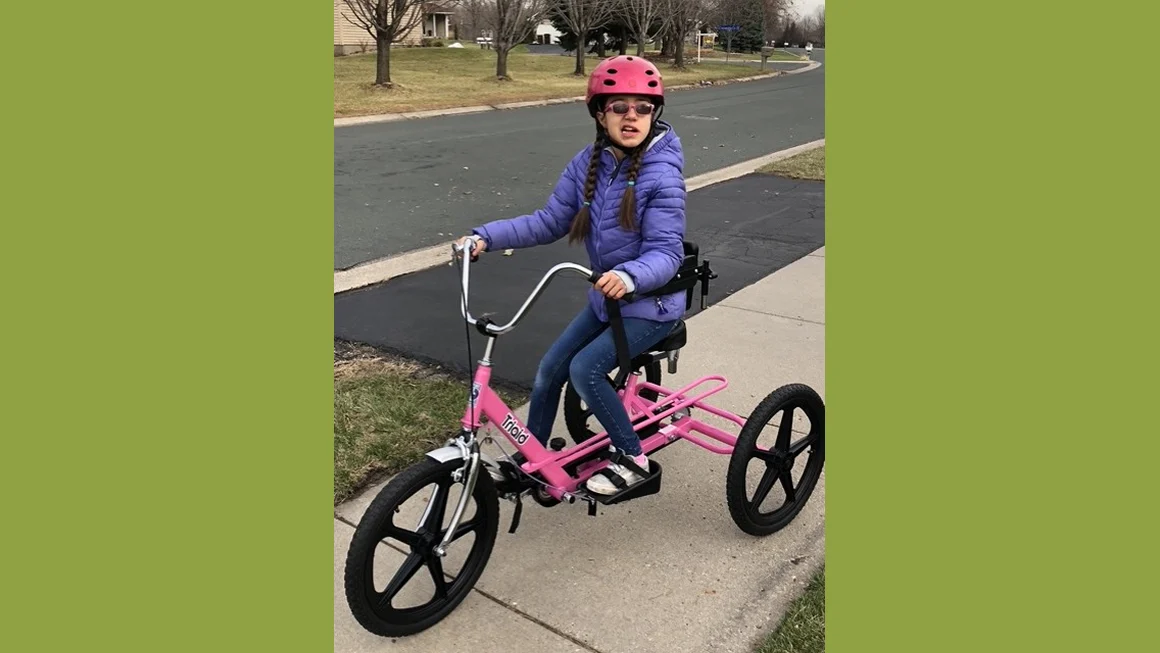
The trajectory of pediatric oncology has shifted dramatically over the last several decades, moving from a desperate search for survival to a complex management of long-term survivorship. For Anikah Schmidt and her parents, Vanessa and Ben, this transition began when Anikah was only 19 months old. What started as a seemingly routine developmental phase—a toddler losing her balance—soon evolved into a life-altering medical crisis. When the loss of balance was followed by persistent early-morning vomiting, her parents sought medical intervention. Following a series of inconclusive blood tests and dietary adjustments, a computed tomography (CT) scan revealed a devastating reality: a brain tumor the size of a golf ball.
Anikah was diagnosed with an ependymoma, a primary central nervous system (CNS) tumor that arises from the ependymal cells lining the ventricles of the brain and the center of the spinal cord. In Anikah’s case, the mass was creating critical pressure within her skull, necessitating emergency surgery to prevent permanent neurological damage or death. This initial procedure was only the beginning of a decade-and-a-half-long battle that highlights the profound "late effects" of modern cancer treatments.
The Clinical Challenge of Pediatric Ependymoma
Ependymomas represent approximately 5% to 10% of pediatric brain tumors. While surgical resection is the primary mode of treatment, the location of these tumors—often in the posterior fossa near the brain stem—makes complete removal technically challenging and fraught with risk. In Anikah’s case, the neurosurgeon successfully removed the entire visible mass. However, in pediatric oncology, the removal of the primary tumor is rarely the end of the protocol. To eradicate microscopic cancer cells and prevent recurrence, oncology teams often recommend adjuvant therapies.
For Anikah, the recommended course was proton beam radiation. Unlike traditional photon radiation, which uses X-rays that can travel through the body and damage healthy tissue beyond the tumor site, proton therapy utilizes positively charged particles. These particles can be programmed to release their energy at a specific depth, theoretically sparing more of the surrounding healthy brain tissue. At the time of Anikah’s diagnosis, this technology was available at only a few specialized centers in the United States. Consequently, the Schmidt family was forced to relocate from their home in Minnesota to Houston, Texas, for an eight-week intensive treatment cycle at the MD Anderson Cancer Center.
The Paradox of Treatment: When the Cure Becomes the Threat
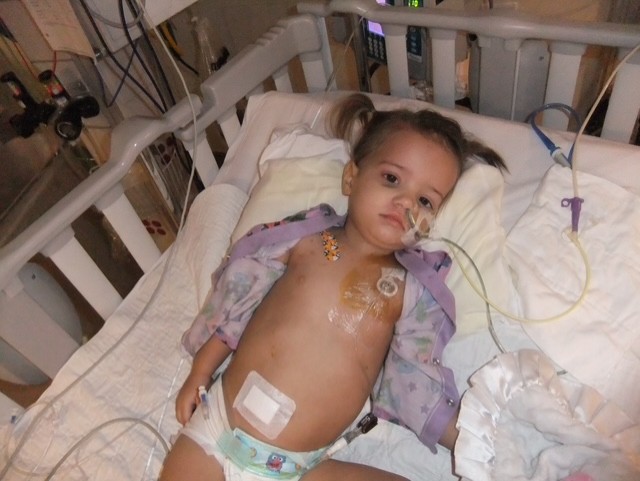
The paradox of pediatric cancer treatment lies in the toxicity of the interventions required to save a child’s life. While proton therapy is designed to be more precise, the developing brains of toddlers remain exceptionally vulnerable. Months after returning home to Minnesota, Anikah’s health took a catastrophic turn. The balance issues returned, followed by an inability to swallow and, eventually, a total respiratory collapse.
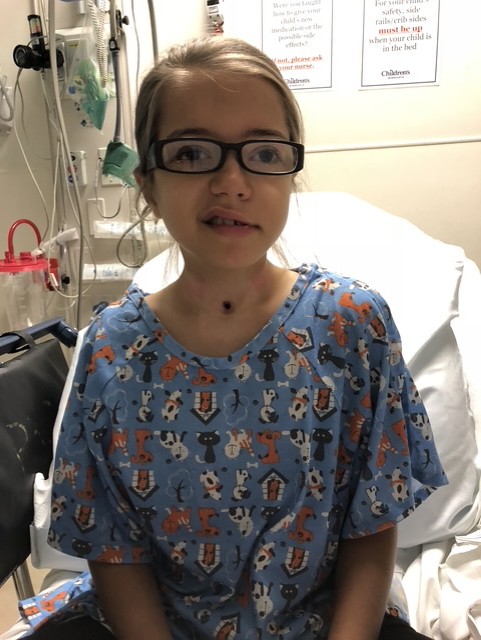
Medical imaging revealed that the very treatment intended to save her—radiation—had caused severe swelling, or edema, on her brain stem. The brain stem is the command center for vital functions, including breathing, heart rate, and swallowing. To keep her alive, doctors performed a tracheostomy and placed her on a ventilator and a feeding tube.
"The thing meant to protect her was now threatening her life," Vanessa Schmidt recalled. This sentiment echoes a growing concern in the medical community regarding the "cost of the cure." While hyperbaric oxygen treatments—a process that involves breathing pure oxygen in a pressurized chamber to promote tissue healing—eventually halted the swelling, the neurological damage was already sustained. Anikah’s journey shifted from fighting a malignant growth to managing a lifelong disability caused by the intervention itself.
A Chronology of Survivorship and the "Late Effects" Phenomenon
The timeline of Anikah’s recovery spans fourteen years and illustrates the persistent nature of pediatric cancer’s aftermath:
- Age 19 Months: Diagnosis of ependymoma; emergency shunt surgery followed by total tumor resection.
- Post-Surgery (Toddlerhood): Eight weeks of daily proton beam radiation in Houston.
- Late Infancy/Early Childhood: Respiratory collapse due to radiation-induced brain stem swelling; implementation of a ventilator, tracheostomy, and gastrostomy tube (G-tube).
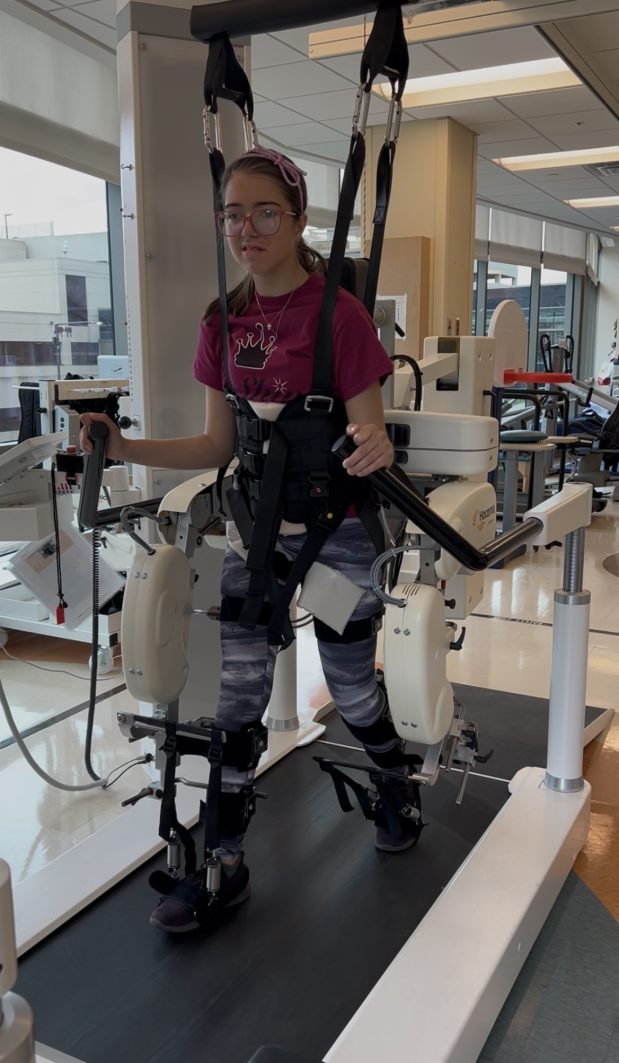
- Ages 3 to 10: Intensive physical, occupational, and speech therapy to regain basic motor functions and the ability to walk.
- Fourth Grade: Successful decannulation (removal of the tracheostomy tube), though respiratory support remained necessary at night.
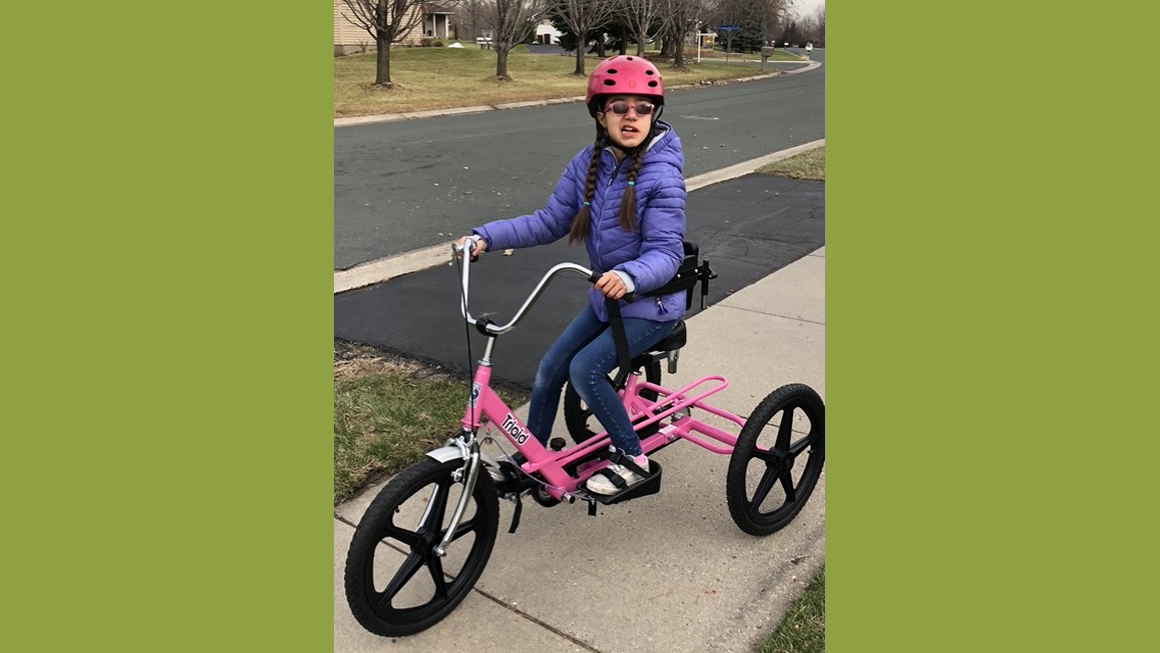
- Age 16 (Present Day): Anikah remains cancer-free but lives with significant "late effects," including reliance on a feeding tube for nutrition and supplemental oxygen during sleep. She uses a walker for safety in crowded environments like her high school.
The term "late effects" refers to health problems that appear months or years after cancer treatment has ended. According to data from the Children’s Oncology Group, nearly two-thirds of childhood cancer survivors will develop at least one late effect, and approximately one-third will face a "severe or life-threatening" complication by the time they reach their 30s. These can include secondary cancers, cardiovascular disease, endocrine disorders, and significant cognitive or physical impairments.
Statistical Context: The Growing Population of Survivors
Anikah is part of a growing demographic. Due to advancements in surgical techniques, radiation precision, and chemotherapy protocols, the five-year survival rate for all childhood cancers combined has risen from less than 60% in the 1970s to over 85% today. In the United States alone, there are now more than 500,000 survivors of childhood cancer.
However, these statistics often mask the qualitative reality of survival. For brain tumor survivors, the stakes are particularly high. A study published in the Journal of Clinical Oncology indicates that survivors of pediatric CNS tumors report lower health-related quality of life (HRQoL) scores compared to survivors of other childhood cancers, largely due to the permanent neurological and physical deficits associated with the brain’s delicate nature.
The Socio-Emotional Burden of the "Special Needs Survivor"
For Anikah, the transition into adolescence has highlighted a different kind of challenge: the social isolation that comes with being a "special needs survivor." While her peers are reaching milestones of independence—such as driving, staying out late, or attending unmonitored sleepovers—Anikah’s medical requirements necessitate a higher level of parental involvement.
"She’s a cancer survivor, and she’s also a kid with special needs," Vanessa Schmidt noted, highlighting a distinction that many families struggle with. In the public eye, "beating cancer" is often framed as a return to normalcy. For Anikah, there is no "normal" to return to; her entire conscious life has been defined by the adaptations required by her post-treatment body.
This struggle for belonging is a common theme among adolescent survivors. They often find themselves in a "middle ground"—too healthy to be in the acute oncology ward, but too physically or cognitively burdened to fully integrate into the typical teenage experience. The psychological toll of "standing out" because of a walker, a feeding tube, or a modified schedule can be as taxing as the physical ailments themselves.
The Role of Community and Specialized Support: Camp Norden
Recognizing the need for social spaces where survivors can feel unobserved and understood, organizations like the Children’s Cancer Research Fund (CCRF) have invested in programs like Camp Norden. These specialized camps are designed to accommodate the complex medical needs of survivors while providing the traditional "summer camp" experience.
For Anikah, Camp Norden represented a rare opportunity to engage in social activities without the burden of explanation. When she participated in a talent show or a physical challenge, she was not "the girl with the walker"; she was a peer among others who shared similar histories of medical trauma and resilience.
"Camp was a huge deal for her," Vanessa said. "They really made the effort to draw her out." This type of psychosocial support is increasingly recognized by the medical community as a vital component of "survivorship care plans." It addresses the isolation that can lead to depression and anxiety in long-term survivors, providing a sense of agency and community that is often lost in the clinical setting.
Broader Implications for Pediatric Oncology Research
Anikah’s story serves as a poignant reminder of the need for continued research into "de-escalation" and targeted therapies. The goal of modern pediatric oncology is no longer just to increase the survival rate, but to increase the "quality of survival."
This involves:
- Developing Targeted Biologics: Moving away from broad-spectrum radiation and chemotherapy toward drugs that target specific genetic mutations within a tumor, sparing healthy tissue.
- Improving Neuro-Regeneration: Researching ways to repair the damage caused by radiation and surgery to the central nervous system.
- Standardizing Survivorship Care: Ensuring that as survivors age, they have access to multidisciplinary clinics that understand the unique long-term risks associated with pediatric treatments.
As Anikah navigates her sixteenth year, involved in theater, cheer, and dance, she embodies both the triumph of modern medicine and the work that remains to be done. Her journey underscores the reality that for many children, the end of cancer treatment is not the end of the battle; it is simply the start of a new, lifelong chapter of adaptation and endurance. The medical community and society at large must continue to evolve to support these survivors, ensuring they have the resources not only to live but to thrive in a world that often forgets the hidden costs of a cure.
