
 By Budi Oetomo Narendra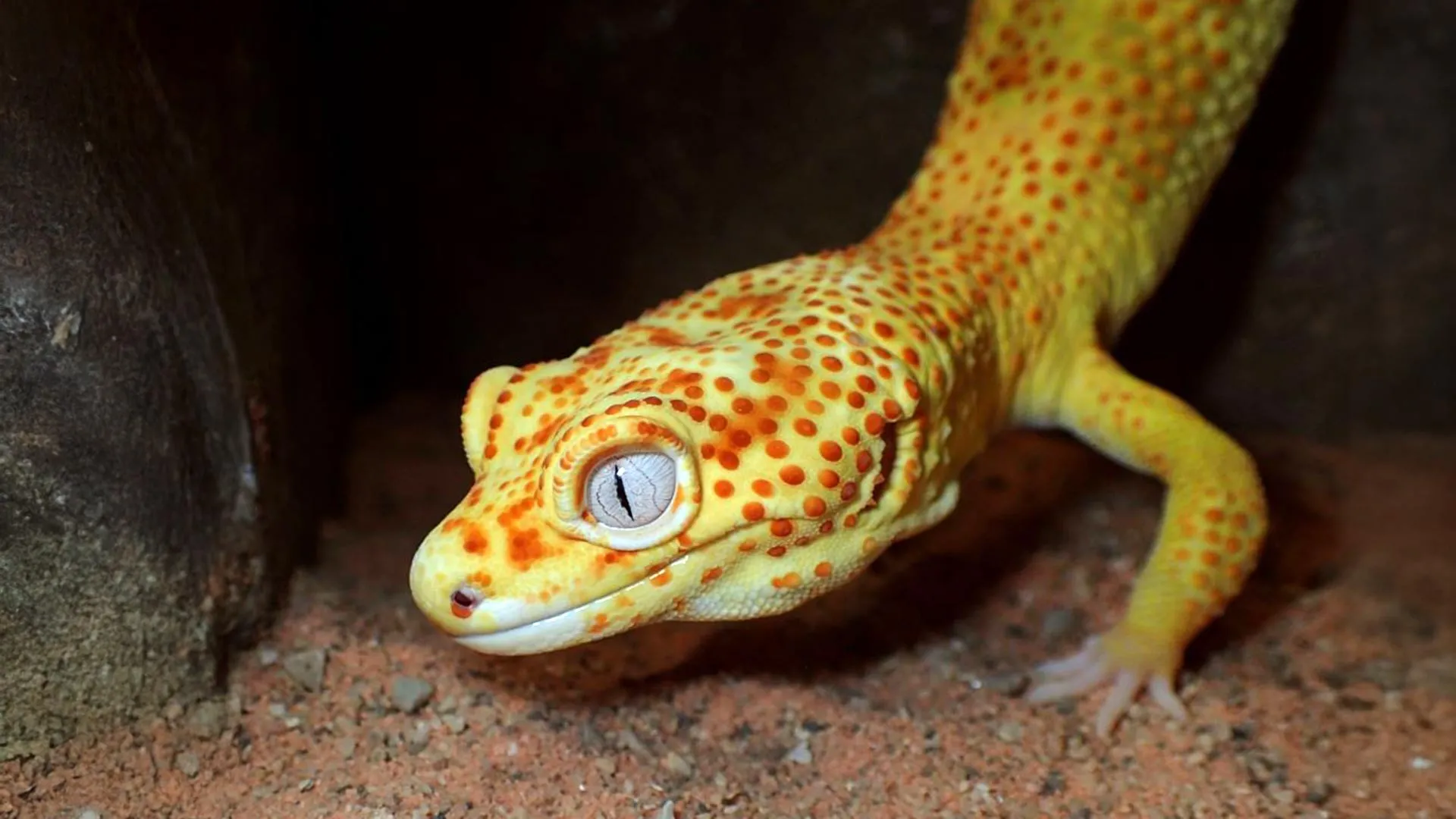
The discovery, detailed in a recent publication in BMC Biology, unveils a unique genetic predisposition in a specific variety of leopard gecko, Eublepharis macularius, making it an invaluable living model for understanding the complex mechanisms of oncogenesis. Scientists from an international collaboration, spearheaded by the University of Nottingham, identified a recurring set of genetic alterations in these geckos’ tumors, many of which mirror the genes and biological pathways implicated in human cancers. This striking parallel raises the potential for this small reptile to significantly advance comparative oncology and ultimately contribute to new strategies for cancer prevention, detection, and treatment in humans.
Unveiling a Natural Cancer Model: The Lemon Frost Leopard Gecko
The research centers on the "lemon frost" morph of the leopard gecko, a visually distinctive variety characterized by its striking white and yellow coloration. While its aesthetic appeal made it highly sought after in the pet trade, breeders soon observed a troubling pattern: an alarmingly high incidence of aggressive tumors, appearing at a relatively young age and frequently metastasizing to other organs. Approximately 80% of individuals within this specific morph are afflicted by these aggressive melanomas, a stark contrast to the general cancer prevalence observed across the reptile kingdom, where some species like turtles and tortoises exhibit remarkable resistance to the disease.
Dr. Ylenia Chiari, from the School of Life Sciences at the University of Nottingham, who led this groundbreaking study, highlighted the significance of this natural phenomenon. "By studying why some animals are so susceptible to cancer while others are remarkably resistant, we hope to uncover the different ways species have evolved to deal with cancer," Dr. Chiari explained. "Specifically, this gecko could become an incredible model in cancer research because tumors appear naturally at a relatively early age. Together, these natural strategies could inspire new ways of preventing, detecting, and treating cancer in humans."
The Origins of a Vulnerability: Selective Breeding and Spontaneous Mutation
The story of the lemon frost gecko’s cancer susceptibility traces back to its origins within the captive breeding community. Leopard geckos, native to the arid grasslands of Afghanistan, Pakistan, northwestern India, and parts of Iran, have been popular pets for decades due to their docile nature, relatively easy care, and the wide array of color morphs developed through selective breeding. These morphs, which can number in the hundreds, are the result of breeders selectively pairing individuals with desirable aesthetic traits, often involving genetic mutations affecting pigmentation.
The "lemon frost" morph emerged from a spontaneous genetic mutation that occurred within a large captive colony. The exact timing of this initial mutation is not precisely documented, but its distinctive white and yellow patterning quickly captured the attention of breeders in the mid-2000s, leading to its rapid propagation within the pet trade. Initially, the focus was solely on the gecko’s unique appearance, driving its high demand and value. However, as more lemon frost geckos were bred and matured, an unfortunate and unforeseen consequence became apparent: a high propensity for developing skin tumors, often presenting as dark lesions that rapidly progressed. These observations by dedicated breeders were crucial in alerting the scientific community to this unprecedented natural model of cancer.
Unlike laboratory mice, which often require researchers to artificially induce tumor growth through genetic engineering or exposure to carcinogens, lemon frost geckos develop cancer naturally and spontaneously. This critical distinction provides scientists with a rare opportunity to observe the entire lifecycle of cancer – its initiation, evolution, and metastasis – under conditions that closely mimic natural disease progression. The fact that these tumors frequently metastasize, spreading from their primary site to other parts of the body, further enhances their utility as a model for studying one of cancer’s most lethal characteristics.
Genetic Insights: Shared Pathways with Human Cancers
To delve into the underlying causes of this vulnerability, the international research team, which included PhD researcher Brandon Hastings (University of Nottingham), Dr. Scott Glaberman (University of Birmingham), Dr. Tony Gamble (Marquette University), Dr. Robert Ossiboff (University of Florida), and Virginia Gazziero and Dr. Giulio Caravagna (University of Trieste), employed whole genome sequencing. This advanced technique allowed them to meticulously compare the genetic makeup of tumor samples with healthy tissue from the same geckos.
The detailed analysis revealed a consistent pattern of genetic changes across the tumors. Crucially, many of the identified altered genes and biological processes are well-established players in human cancer. These include genes involved in cell cycle regulation, DNA repair mechanisms, and signaling pathways that control cell growth and differentiation. The striking similarities suggest that the fundamental molecular machinery driving cancer development may be conserved across a wide evolutionary spectrum, extending from reptiles to humans. For instance, disruptions in pathways like MAPK (Mitogen-Activated Protein Kinase) or PI3K (Phosphoinositide 3-kinase), commonly implicated in human melanomas and other cancers, could be similarly dysregulated in the geckos.
Brandon Hastings, a co-author of the study, emphasized the broader implications of these findings. "Overall, our paper demonstrates the importance of looking across the tree of life in search of answers that are needed to better understand diseases that can have a profound impact on human life, such as cancer," Hastings stated. He also highlighted the methodological versatility: "Methodologically, it also highlights that the variety of genomic software programs developed to analyze human cancers can be adapted to provide meaningful insights in diverse organisms." This adaptability means that sophisticated bioinformatics tools developed for human genomics can be effectively repurposed to decode the genetic secrets of other species, accelerating discoveries in comparative biology and medicine.
Beyond Traditional Models: The Value of Comparative Oncology
The study underscores a growing recognition within the scientific community regarding the value of diversifying animal models in medical research. For decades, laboratory mice have been the workhorse of cancer research, providing invaluable insights into disease mechanisms and therapeutic interventions. However, mouse models often have limitations; they may not fully recapitulate the complexity of human disease, and artificially induced cancers can differ from naturally occurring ones.
The lemon frost gecko offers a compelling alternative and complement to these traditional models. Its naturally occurring, aggressive, and metastatic tumors provide a more authentic representation of the disease. This natural incidence means researchers can study the intricate interplay between genetics, environment, and tumor development without the need for artificial induction, offering a unique window into the evolutionary dynamics of cancer.
Comparative oncology, the study of cancer across different species, has gained significant traction in recent years. Researchers are increasingly turning to diverse animal populations to uncover novel mechanisms of cancer resistance and susceptibility. For example, naked mole-rats, known for their exceptional longevity and resistance to cancer, produce high-molecular-mass hyaluronan, which acts as a protective barrier against tumor formation. Elephants, despite their large size and long lifespan, have a surprisingly low cancer rate, attributed in part to multiple copies of the TP53 tumor suppressor gene. Conversely, species like dogs, particularly certain breeds, exhibit high rates of specific cancers, making them valuable models for veterinary oncology and for informing human cancer research. The lemon frost gecko now joins this expanding roster of species offering unique biological insights.
Broader Impact and Implications for Human Health
The implications of this research extend far beyond the realm of reptile biology. Cancer remains a leading cause of mortality worldwide, with statistics from organizations like the World Health Organization indicating that one in six deaths globally are due to cancer, and roughly one in two people will develop cancer in their lifetime. Despite significant advancements in diagnosis and treatment, there is an urgent need for new approaches to prevention, early detection, and more effective therapies.
The lemon frost gecko model could facilitate several key areas of cancer research:
- Drug Discovery: Identifying the specific genetic pathways driving tumor growth in geckos could reveal novel therapeutic targets. Drugs effective in treating gecko melanomas might offer leads for human melanoma treatments.
- Metastasis Research: The natural propensity for metastasis in these geckos provides an unparalleled opportunity to study the complex cellular and molecular events that enable cancer cells to spread, a process that is often challenging to model accurately.
- Evolutionary Medicine: Understanding why some species are highly resistant to cancer while others, like the lemon frost gecko, are highly susceptible, can illuminate the evolutionary trade-offs and selective pressures that have shaped cancer defense mechanisms over millions of years. These insights could inform strategies to bolster natural defenses against cancer in humans.
- Veterinary Oncology: The findings also have direct implications for the health and welfare of pet geckos. Understanding the genetic basis of their cancer can lead to improved diagnostic tools, targeted treatments, and potentially, selective breeding programs aimed at reducing the incidence of the disease in the lemon frost morph.
Dr. Scott Glaberman of the University of Birmingham underscored the profound value of this diverse approach. "We often look inward to solve human problems, but every species has something to teach us," Dr. Glaberman remarked. "By studying both animals that are vulnerable to cancer and those that resist it, we have far greater power to understand the disease itself. This is one of the many reasons why protecting biodiversity is so important."
The Imperative of Biodiversity and Future Directions
The University of Nottingham-led study serves as a powerful testament to the critical importance of biodiversity. Each species represents a unique biological experiment shaped by millions of years of evolution, potentially holding keys to understanding diseases, developing new medicines, and addressing global challenges. The rapid loss of biodiversity due to human activities means that invaluable sources of scientific knowledge and potential medical breakthroughs are being irreversibly lost before they are even discovered.
The research team plans to continue their investigations, potentially focusing on identifying the precise mutation that led to the lemon frost morph’s coloration and its link to cancer susceptibility. Further studies could involve functional genomics to validate the roles of specific genes in gecko tumor formation and to test potential therapeutic agents. The establishment of this natural cancer model opens new avenues for collaborative research across genetics, oncology, evolutionary biology, and veterinary medicine, promising to enrich our understanding of cancer from a truly cross-species perspective. The vibrant, yet tragically vulnerable, lemon frost gecko thus stands as a poignant reminder that answers to some of humanity’s most persistent medical challenges may lie within the often-overlooked corners of the natural world.
