
 By admin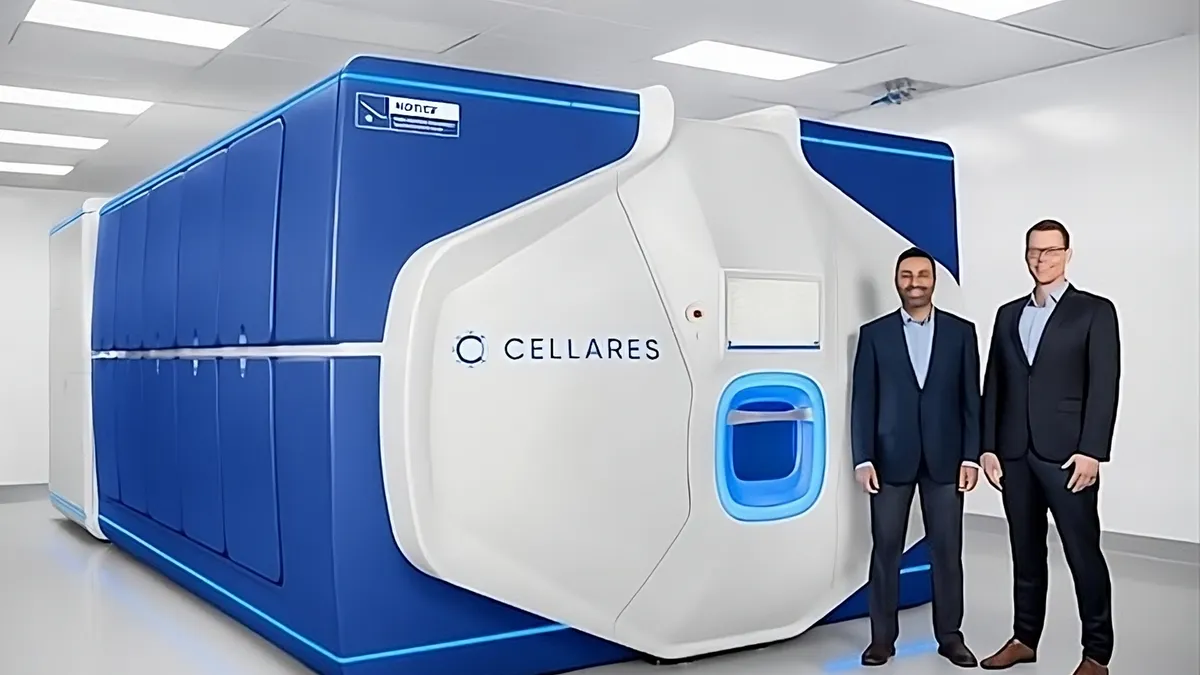
Cellares, a prominent biotechnology startup specializing in automated cell therapy manufacturing, is undergoing a significant restructuring that includes the layoff of 100 employees, according to a recent regulatory filing. This abrupt organizational change comes just two months after the South San Francisco-based company successfully closed a substantial $327 million Series D funding round, underscoring the volatile nature of the biopharmaceutical sector and the inherent risks associated with large-scale commercial contracts. The impetus for this downsizing was the unexpected termination of a contract by an unnamed "large pharmaceutical customer," as disclosed by Cellares CEO Fabian Gerlinghaus in a public LinkedIn post. The affected employees, primarily comprising software engineers, quality control and design staff, and manufacturing specialists, are slated for termination by October 20, 2026, as detailed in a WARN Act filing with California’s Employment Development Department.
The Immediate Impact and Cellares’ Response to a Sudden Setback
The news sent ripples through the biotech community, particularly given Cellares’ recent financial triumph and its position as a leader in innovative cell therapy manufacturing solutions. The termination of a significant contract, especially from a "large pharmaceutical customer," can have far-reaching implications, not only for immediate revenue projections but also for investor confidence and strategic planning. While the identity of the pharmaceutical partner remains undisclosed, a spokesperson for Cellares, in an email to BioPharma Dive, affirmed the company has "more than doubled the number of customers we serve since the beginning of the year." This statement aims to mitigate concerns about the company’s overall client base, suggesting that the loss, while impactful, does not represent a systemic failure in securing new business.
CEO Fabian Gerlinghaus took to LinkedIn to address the situation directly, a move indicative of a leadership team striving for transparency in challenging times. His post acknowledged the restructuring and the difficult decision to reduce the workforce, attributing it directly to the contract termination. He also sought to reassure stakeholders, stating that the companies still aligned with Cellares "have reiterated their commitment to working with Cellares, and several are already discussing additional programs, accelerating existing collaborations, and advancing with us toward commercial manufacturing." This suggests that Cellares’ core business relationships remain robust, and existing partners continue to see value in its technology and services. The WARN Act filing provides a grim confirmation of the human cost, detailing the roles most affected by the layoffs, highlighting the interdisciplinary nature of cell therapy manufacturing, which blends advanced engineering with biological expertise.
Cellares’ Ascent and the Promise of Automated Cell Therapy Manufacturing
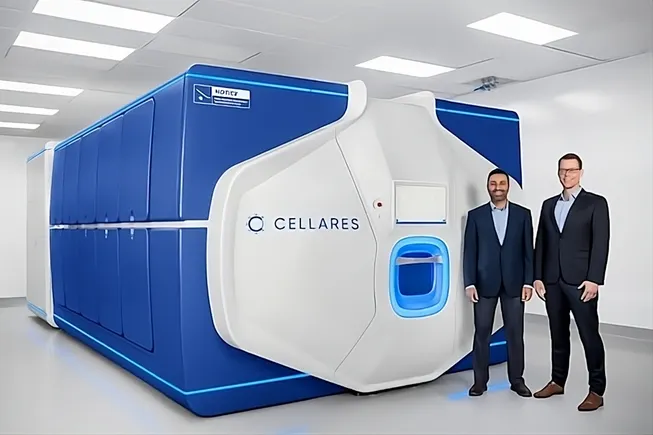
Cellares has carved out a unique niche in the burgeoning cell and gene therapy landscape by positioning itself as an "integrated development and manufacturing organization" (CDMO). Its flagship technology, the "Cell Shuttle," is an automated, closed-system manufacturing platform designed to significantly streamline and scale up the production of complex cell therapies. The traditional manufacturing of cell therapies is notoriously labor-intensive, costly, and prone to variability, often involving numerous manual steps performed in sterile cleanrooms. This complexity creates bottlenecks that hinder patient access and drive up the already exorbitant costs of these groundbreaking treatments.
The "Cell Shuttle" aims to revolutionize this paradigm by automating critical processes, thereby reducing human error, minimizing contamination risks, increasing throughput, and ultimately lowering manufacturing costs. This innovative approach has garnered significant attention and investment, as evidenced by its impressive funding rounds. Investors and pharmaceutical partners recognize the immense potential of automation to transform cell therapy from a bespoke, lab-scale endeavor into a standardized, industrial-scale process. Cellares’ ability to attract major pharmaceutical players like Bristol Myers Squibb, Sonoma Biotherapeutics, and Cabaletta Bio speaks volumes about the perceived value and reliability of its technology. The Bristol Myers Squibb deal, for instance, involved potential payouts totaling $380 million, signifying a deep strategic commitment to Cellares’ manufacturing capabilities for critical CAR-T therapies. Such partnerships are vital for emerging biotechs, providing not only revenue but also crucial validation of their technology and business model.
A Chronology of Growth, Innovation, and Recent Setbacks
Cellares’ journey has been characterized by rapid growth and strategic milestones, leading up to its recent Series D funding and the subsequent restructuring.

- Early Years (Pre-2020s): Cellares was founded with the vision of industrializing cell therapy manufacturing. Initial efforts focused on research and development of the Cell Shuttle platform, securing early-stage venture capital funding (Series A, B) to mature the technology.
- Technology Validation and Early Partnerships (2020-2022): The company began demonstrating the capabilities of its automated platform, attracting initial interest from biotech and pharma companies. This phase likely involved pilot programs and proof-of-concept studies.
- Major Commercial Engagements (2023-2025): Cellares announced significant partnerships that underscored the industry’s confidence in its technology.
- Bristol Myers Squibb (Early 2024, inferred): A landmark collaboration, potentially valued at up to $380 million, for manufacturing BMS’s CAR-T cell therapies. This partnership was a major validation point for Cellares, demonstrating its platform’s readiness for large-scale, high-value commercial production.
- Sonoma Biotherapeutics (Mid-2024, inferred): Collaboration to automate the manufacturing of Sonoma’s SBT-77-7101 engineered Treg cell therapy, highlighting Cellares’ versatility across different cell therapy modalities.
- Cabaletta Bio (Late 2024, inferred): A 10-year commercial agreement, further cementing Cellares’ role as a long-term strategic manufacturing partner for innovative cell therapies.
- Strategic Expansion (Late 2025 – Early 2026): Cellares began constructing new manufacturing facilities in Europe and Japan, alongside its primary facility in New Jersey. This global expansion strategy aimed to meet anticipated worldwide demand for cell therapy manufacturing.
- Regulatory Endorsement (Early 2026): Cellares was selected as the only cell therapy manufacturer for the Food and Drug Administration’s "pre-check" pilot program. This program is designed to streamline regulatory reviews and accelerate the establishment of manufacturing facilities in the U.S., offering Cellares a significant competitive advantage and regulatory de-risking.
- Series D Funding (June 2026): The company successfully closed a Series D funding round, topping off at $327 million. This substantial investment signaled strong investor confidence in Cellares’ technology, market strategy, and growth trajectory. The funding was intended to support further expansion, technology development, and commercialization efforts.
- Contract Termination (July/August 2026): Shortly after the Series D funding, the unnamed "large pharmaceutical customer" terminated its contract with Cellares. The specific reasons for the termination have not been disclosed, but such events in the biopharma industry can stem from various factors including changes in the pharma partner’s pipeline priorities, clinical trial setbacks for the drug in question, or strategic shifts within the larger company.
- Restructuring and Layoffs (August 24, 2026): In response to the significant financial and operational impact of the contract termination, Cellares announced its restructuring plans, including the layoff of 100 employees. This decision, though difficult, reflects the need to realign resources and operational capacity with the revised revenue outlook.
- Implementation (By October 20, 2026): The planned layoffs are to be completed, marking a new phase for Cellares as it navigates this setback with a leaner operational structure.
The Broader Landscape of Cell Therapy Manufacturing
The cell and gene therapy market is one of the fastest-growing segments within biotechnology, projected to reach tens of billions of dollars in the coming years. Driven by breakthroughs in oncology, rare diseases, and autoimmune conditions, these therapies offer curative potential but face immense manufacturing hurdles. The global cell and gene therapy CDMO market, which Cellares operates within, is expected to grow at a compound annual growth rate (CAGR) exceeding 20% over the next decade, according to various market intelligence reports. This robust growth underscores the critical need for specialized manufacturing partners.
However, this growth also comes with significant challenges:
- Complexity: Manufacturing autologous cell therapies, where a patient’s own cells are engineered and returned, involves a "vein-to-vein" process that is highly individualized and complex, demanding strict chain of custody and rapid turnaround times. Allogeneic therapies, using donor cells, offer potential for scale but still present unique challenges in large-batch production and quality control.
- Cost: The high cost of goods sold (COGS) for cell therapies is largely driven by manufacturing expenses, making scalable and cost-effective production solutions paramount for broader patient access.
- Scalability: Moving from clinical trial batches to commercial volumes requires sophisticated infrastructure and processes that many biotech companies, especially startups, cannot afford to build in-house.
- Regulatory Scrutiny: The novelty and complexity of cell therapies mean rigorous regulatory oversight from agencies like the FDA, requiring CDMOs to demonstrate robust quality systems and compliance.
- Talent Shortage: The highly specialized nature of cell therapy manufacturing means there’s a global shortage of skilled personnel, making automation even more attractive.
Against this backdrop, CDMOs like Cellares play a vital role, offering specialized expertise, infrastructure, and technology that can accelerate development and commercialization for their clients. The industry has seen a proliferation of CDMOs, ranging from large, established players to highly specialized niche providers. While some CDMOs focus on specific aspects like viral vector manufacturing or cell expansion, Cellares’ "integrated" approach, combining process development with automated manufacturing, aims to provide a comprehensive, end-to-end solution. This integration is particularly appealing to clients looking to simplify their supply chain and de-risk manufacturing.
The market, however, is not without its casualties. The news of Cellares’ layoffs echoes similar challenges faced by other players in the cell therapy manufacturing space. For instance, Germany-based Evotec, another prominent CDMO with cell therapy capabilities, announced in March 2026 that it would lay off 800 employees in its second round of workforce reductions since 2024. These events, while company-specific in their immediate triggers, hint at broader industry trends, including a potential recalibration of growth expectations, increased cost pressures, or consolidation within the highly competitive CDMO sector. It signals that even within a rapidly expanding market, the path to sustained commercial success for manufacturing partners can be fraught with unforeseen obstacles.

Implications and Industry Outlook
The termination of a major contract, particularly from a "large pharmaceutical customer," carries significant implications for Cellares. Financially, it represents an immediate loss of anticipated revenue, necessitating a re-evaluation of financial forecasts and operational expenditures. Strategically, it prompts a reassessment of customer diversification and risk management, especially concerning reliance on a few large contracts. Reputational impact, while potentially mitigated by Gerlinghaus’s transparent communication and the spokesperson’s emphasis on new customer acquisition, will undoubtedly be a factor as Cellares seeks future partnerships and investment.
For the broader cell therapy manufacturing sector, Cellares’ experience serves as a stark reminder of the inherent volatility in biopharma. Even companies with groundbreaking technology and substantial funding are not immune to the shifts in pharmaceutical pipelines or changes in partner strategies. This incident could lead to increased scrutiny from investors on the stability of CDMO contracts and the robustness of their client portfolios. It may also encourage CDMOs to further diversify their customer base and consider different engagement models to spread risk.
Despite this setback, the fundamental need for scalable, cost-effective, and automated cell therapy manufacturing solutions remains undeniable. The global pipeline for cell and gene therapies continues to expand, and the demand for specialized manufacturing will only grow. Cellares’ core technology, the "Cell Shuttle," addresses a critical bottleneck in the industry, and its partnerships with other committed drugmakers like Sonoma Biotherapeutics and Cabaletta Bio, as well as the significant $380 million deal with Bristol Myers Squibb, underscore the enduring value of its platform. Furthermore, its inclusion in the FDA’s "pre-check" pilot program signals a strong regulatory endorsement and a strategic advantage in accelerating facility readiness and compliance.
The layoffs, while unfortunate, may also represent a strategic pivot for Cellares, allowing it to streamline operations and focus resources on its most promising partnerships and technology enhancements. The construction of new facilities in Europe and Japan, alongside continued engagement with the FDA program, suggests a long-term vision that remains intact. The company’s ability to navigate this period of restructuring, maintain existing client confidence, and continue to attract new business will be critical in determining its trajectory in the dynamic and highly competitive cell therapy market. This episode highlights that while innovation in biotechnology promises transformative treatments, the journey from scientific breakthrough to commercial success is often a complex and challenging endeavor, requiring resilience, strategic agility, and a clear vision for the future.
