
 By Gabriel Paijo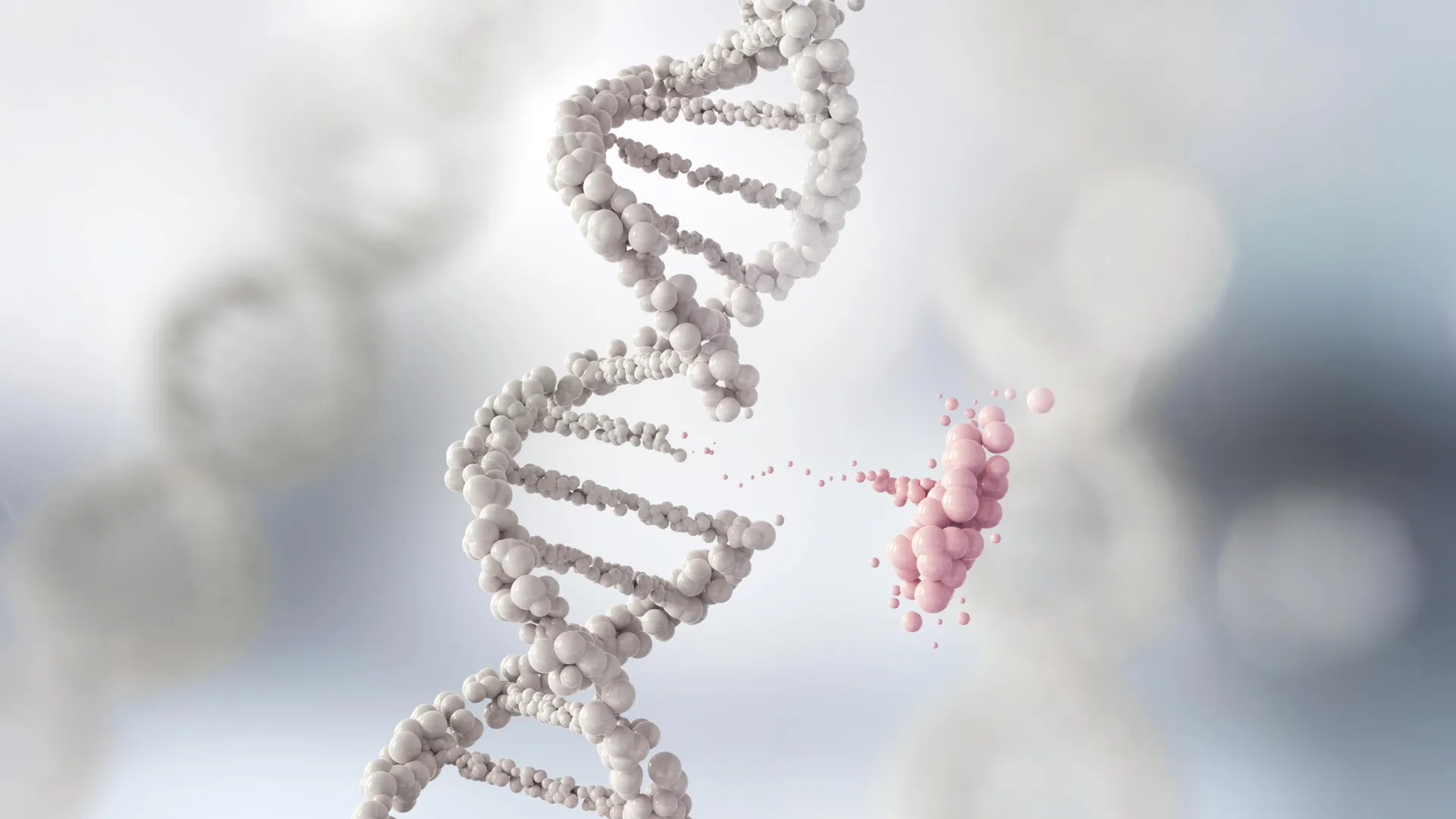
Researchers at ChristianaCare’s Gene Editing Institute have reached a pivotal milestone in oncology by demonstrating that CRISPR technology can effectively disable a genetic mechanism that allows lung cancer tumors to survive chemotherapy. By utilizing CRISPR/Cas9 to "knock out" the NRF2 gene, scientists have successfully restored the sensitivity of lung cancer cells to standard therapeutic agents, offering a potential solution to one of the most persistent challenges in modern cancer treatment: drug resistance. The comprehensive study, published on November 14 in the journal Molecular Therapy Oncology, details how this genetic intervention not only halts the defensive mechanisms of tumors but also significantly slows their growth when used in conjunction with conventional drugs.
This breakthrough addresses a critical need in the treatment of non-small cell lung cancer (NSCLC), specifically the squamous cell carcinoma subtype. For decades, the medical community has struggled with the fact that many patients initially respond to chemotherapy only to have their tumors develop resistance, leading to relapse and limited survival options. The findings from ChristianaCare suggest that instead of discarding existing chemotherapy regimens, gene editing can be used as a "re-sensitizing" tool, making established drugs like carboplatin and paclitaxel effective once again.
Understanding the Biological Shield: The Role of NRF2 and the R34G Mutation
At the heart of this research is the NRF2 gene (Nuclear Factor Erythroid 2-Related Factor 2), which serves as a master regulator of the cellular antioxidant response. In healthy cells, NRF2 is a protective entity; it activates during periods of oxidative stress to prevent damage from toxins and pollutants. However, in the context of malignancy, cancer cells hijack this pathway to ensure their own survival. When NRF2 is overactive, it creates a formidable shield that neutralizes the oxidative stress caused by chemotherapy, essentially "cleaning up" the damage intended to kill the cancer cell.
The research team specifically targeted a mutation known as R34G. This tumor-specific mutation keeps the NRF2 pathway in a permanent "on" state, providing the cancer with an unrelenting defense against medical intervention. By using CRISPR/Cas9—a precise molecular tool often described as "genetic scissors"—the researchers were able to target the R34G mutation and effectively disable the NRF2 gene within the tumor cells. This genetic "knockout" removes the tumor’s primary defense mechanism, leaving it vulnerable to the cytotoxic effects of chemotherapy.
The Growing Burden of Lung Squamous Cell Carcinoma
The study’s focus on lung squamous cell carcinoma (LSCC) is particularly significant given the epidemiological landscape of the disease. According to data from the American Cancer Society, lung cancer remains the leading cause of cancer-related deaths in the United States, accounting for about one in five of all cancer deaths. For 2025, projections suggest that over 190,000 Americans will be diagnosed with lung cancer.
LSCC accounts for approximately 20% to 30% of all non-small cell lung cancer cases. It is characterized by its aggressive nature and its tendency to develop in the central airways of the lungs. Unlike some other forms of lung cancer that have seen a surge in targeted therapies, LSCC has remained notoriously difficult to treat once it becomes resistant to first-line chemotherapy. The ChristianaCare study provides a beacon of hope for this specific patient population, where treatment options have historically been constrained by the rapid onset of chemoresistance.
Technical Precision: CRISPR/Cas9 and the Advantage of Lipid Nanoparticles
One of the most technically impressive aspects of the study is the delivery method used to transport the CRISPR components into the cells. The researchers utilized lipid nanoparticles (LNPs), a non-viral delivery system that gained global prominence for its role in the development of mRNA COVID-19 vaccines. LNPs offer a safer alternative to viral vectors, which can sometimes trigger immune responses or cause unintended genetic integrations.
In animal models, the LNPs were used to deliver the CRISPR/Cas9 machinery directly to the tumors. The precision of this approach was verified through rigorous genomic sequencing, which confirmed that the edits were highly specific to the NRF2 gene. This level of accuracy is crucial for clinical safety, as it minimizes "off-target effects"—unintended changes to other parts of the genome that could potentially lead to new health complications.
"The power of this CRISPR therapy lies in its precision. It’s like an arrow that hits only the bullseye," said Kelly Banas, Ph.D., lead author of the study and associate director of research at the Gene Editing Institute. "This level of specificity with minimal unanticipated genomic side effects offers real hope for the cancer patients who could one day receive this treatment."
Surmounting the Efficiency Barrier: The Significance of Partial Gene Editing
A major hurdle in gene therapy has always been the "efficiency gap"—the difficulty of ensuring that every single cell in a tumor receives the genetic edit. However, the ChristianaCare researchers discovered a surprising and highly encouraging phenomenon: they did not need to edit every cell to see a therapeutic benefit.
The study found that editing only 20% to 40% of the cells within a tumor was sufficient to significantly enhance the overall effectiveness of chemotherapy and reduce the tumor’s size. This suggests a "bystander effect" or a systemic shift in the tumor microenvironment that makes the entire mass more susceptible to treatment. From a clinical perspective, this finding is revolutionary because it lowers the threshold for what constitutes a "successful" delivery of the gene-editing tool, making the transition to human trials more feasible.
A Decade in the Making: The Evolution of Research at the Gene Editing Institute
The publication of this study is the culmination of more than ten years of dedicated research at ChristianaCare’s Gene Editing Institute. Under the leadership of Eric Kmiec, Ph.D., the institute has focused on the intersection of molecular biology and clinical application. The journey began with basic laboratory observations of how cancer cells react to stress and evolved through complex human cell line testing and eventually into sophisticated animal models that mirror the behavior of human tumors.
"This work brings transformational change to how we think about treating resistant cancers," said Dr. Kmiec, senior author of the study and executive director of the Gene Editing Institute. "Instead of developing entirely new drugs, we are using gene editing to make existing ones effective again." This philosophy represents a shift toward "combination gene-chemotherapy," where the focus is on rehabilitating the efficacy of the current pharmacopeia rather than relying solely on the slow and expensive development of new chemical entities.
Expanding the Horizon: Implications for Multiple Solid Tumor Types
While the current study was localized to lung squamous cell carcinoma, the implications of NRF2 inhibition extend far beyond the lungs. Overactivity of the NRF2 pathway is a documented driver of chemoresistance in a variety of solid tumors, including those of the liver, esophagus, and the head and neck.
Medical analysts suggest that if the NRF2 knockout approach proves successful in human clinical trials for lung cancer, it could serve as a universal "plug-in" for treating other treatment-resistant cancers. This would create a new paradigm in oncology where a patient’s tumor is sequenced to identify resistance-driving mutations, and a specific CRISPR intervention is administered to "unlock" the tumor’s sensitivity before chemotherapy begins.
Future Perspectives and the Path Toward Clinical Trials
The success of the laboratory and animal studies has established a strong foundation for the next phase of development: human clinical trials. The researchers at ChristianaCare are currently preparing the necessary data to seek regulatory approval for early-phase trials. These trials will focus on safety and the ability of the CRISPR-LNP system to reach human tumors in a clinical setting.
The potential impact on patient quality of life is a major factor driving the research. By making chemotherapy more effective, patients may require lower doses or fewer cycles to achieve the same or better results, potentially reducing the grueling side effects associated with high-dose cancer treatments.
"We’re hopeful that in clinical trials and beyond, this is what will allow chemotherapy to improve outcomes for patients and could enable them to remain healthier during the entirety of their treatment regimen," Dr. Banas noted.
As the oncology community moves toward more personalized and precise interventions, the work at ChristianaCare stands as a testament to the potential of gene editing to solve the most deep-seated problems in medicine. By neutralizing the genetic defenses of cancer, researchers are not just fighting the disease—they are fundamentally changing the rules of engagement in the battle against cancer. The coming years will be critical as this technology moves from the bench to the bedside, potentially offering a new lease on life for thousands of patients facing the daunting reality of treatment-resistant disease.
