
 By admin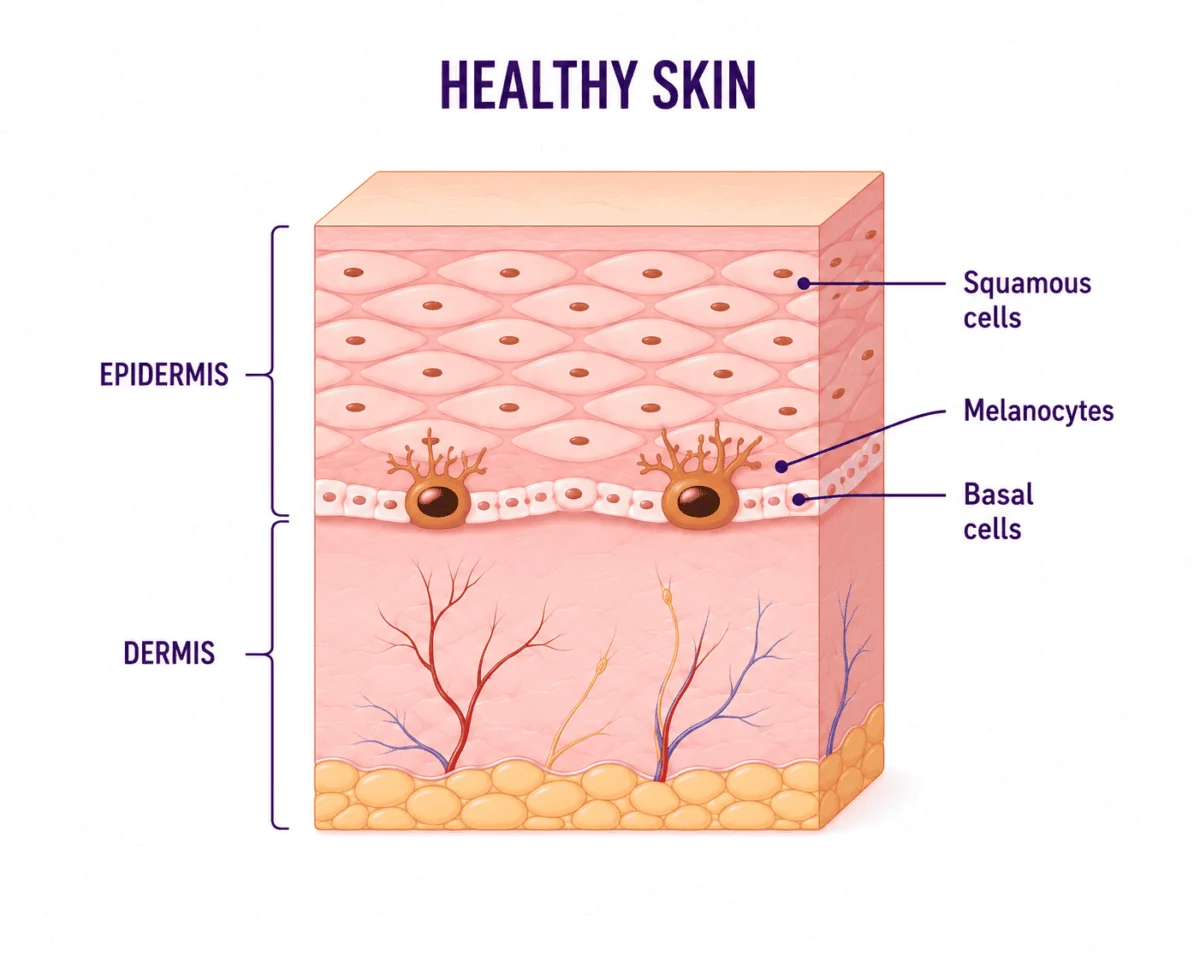
July serves as a critical period for public health, designated as Ultraviolet (UV) Radiation Safety Awareness Month, underscoring the paramount importance of protecting the body’s largest organ: the skin. This annual observance, championed by organizations like the Cancer Research Institute (CRI), aims to disseminate vital information and actionable strategies to mitigate the escalating risk of skin cancer, a disease whose incidence continues to rise globally. While prevention remains the cornerstone of defense, groundbreaking advancements in cancer immunotherapy have simultaneously transformed the landscape for patients facing advanced stages of the disease, particularly melanoma, offering renewed hope and significantly improved prognoses. This dual focus—on robust prevention and innovative treatment—highlights a comprehensive approach to combating skin cancer.
The Silent Threat: Understanding Skin Cancer Statistics and Types
Skin cancer is not merely a cosmetic concern; it represents the most common form of cancer worldwide, with staggering statistics illuminating its pervasive impact. According to the American Academy of Dermatology (AAD), an estimated one in five Americans will develop skin cancer in their lifetime. More than 5.4 million cases of nonmelanoma skin cancer are diagnosed in over 3.3 million people annually in the U.S. alone. While often less aggressive, these nonmelanoma types, primarily Basal Cell Carcinoma (BCC) and Squamous Cell Carcinoma (SCC), can still cause significant disfigurement and, if left untreated, can metastasize. Melanoma, though less common, is the most dangerous form of skin cancer, responsible for the vast majority of skin cancer-related deaths. The American Cancer Society estimates approximately 100,000 new cases of melanoma are diagnosed each year in the U.S., resulting in over 7,000 deaths. The cumulative nature of UV damage means that the risk accrues over years, making lifelong sun protection imperative.
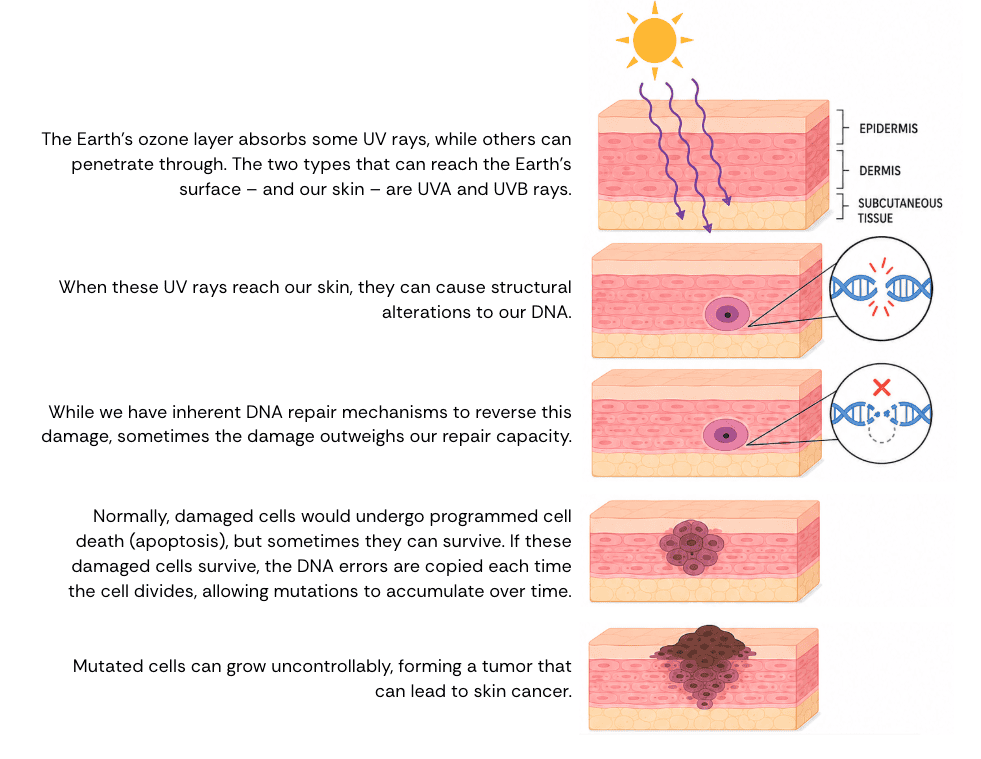
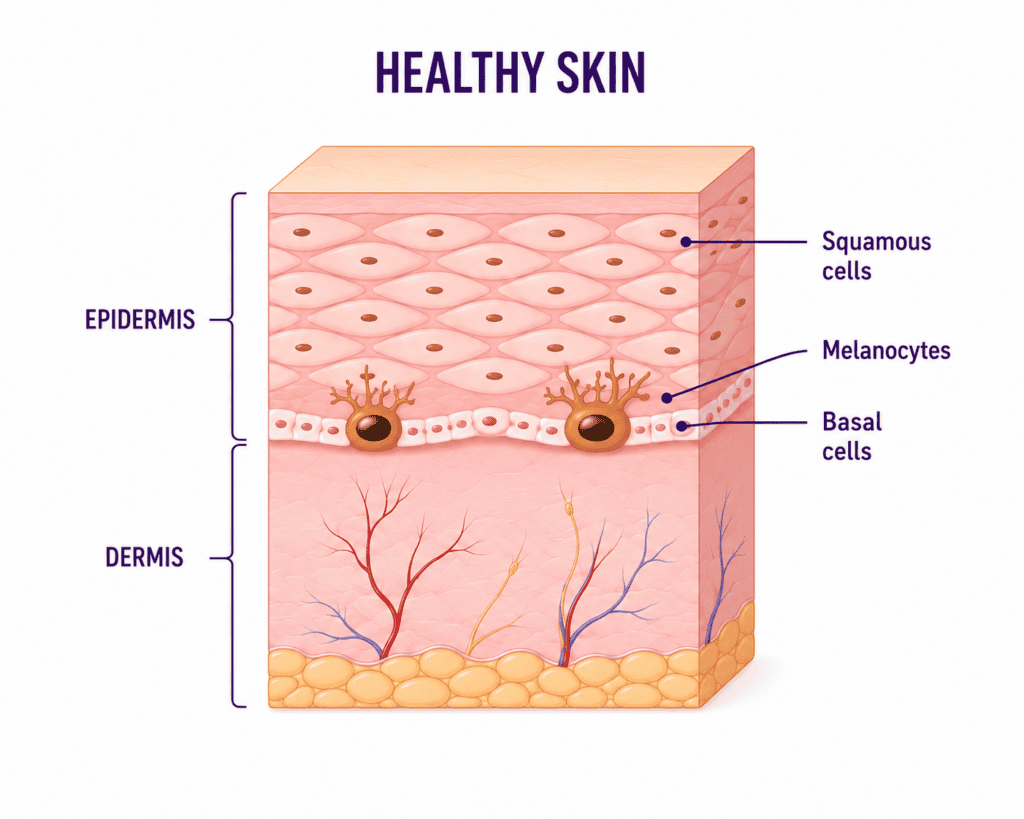
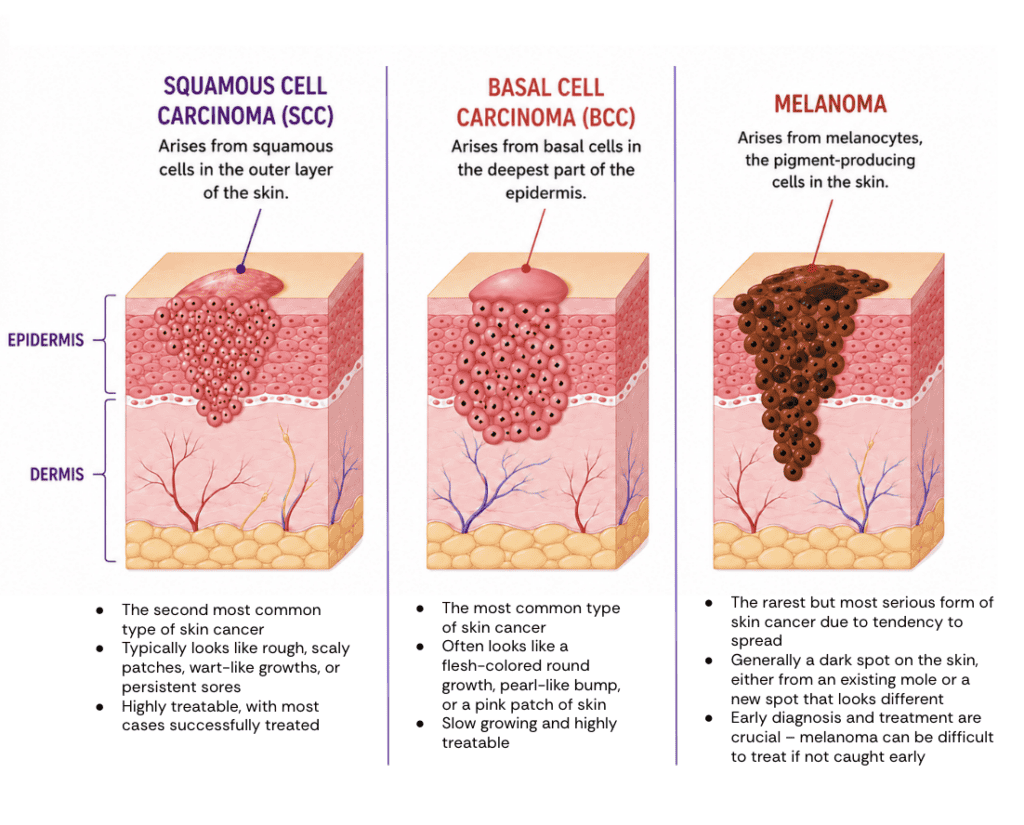
Skin cancer originates when UV radiation damages the DNA within skin cells, causing them to multiply uncontrollably. The type of skin cancer is determined by the specific cells affected:
- Basal Cell Carcinoma (BCC): The most common type, BCCs arise in the basal cells, which are found in the outermost layer of the skin (epidermis). They often appear as pearly or waxy bumps on sun-exposed areas like the face, neck, and ears. While rarely spreading to other parts of the body, they can be locally destructive.
- Squamous Cell Carcinoma (SCC): The second most common type, SCCs develop in the squamous cells, also in the epidermis. They frequently manifest as firm, red nodules or flat, scaly lesions, particularly on sun-exposed skin. SCCs have a higher potential for metastasis compared to BCCs but are still highly treatable when detected early.
- Melanoma: This aggressive cancer originates in melanocytes, the cells responsible for producing melanin, the pigment that gives skin its color. Melanoma can develop anywhere on the body, even in areas not typically exposed to the sun, and often presents as a new mole or a change in an existing one. Its ability to spread rapidly to other organs makes early detection and treatment crucial for survival.
Unpacking UV Radiation: The Invisible Danger
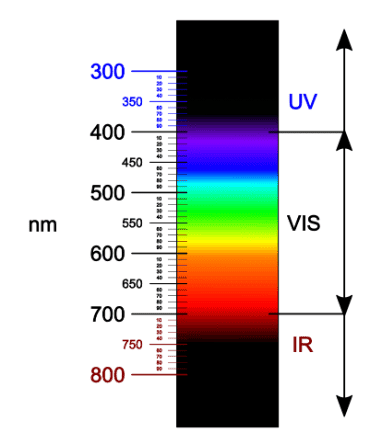
Ultraviolet radiation, an invisible component of the electromagnetic spectrum, is the primary environmental carcinogen linked to skin cancer. With wavelengths shorter than visible light but longer than X-rays, UV radiation is categorized into three main types based on wavelength and biological effect:
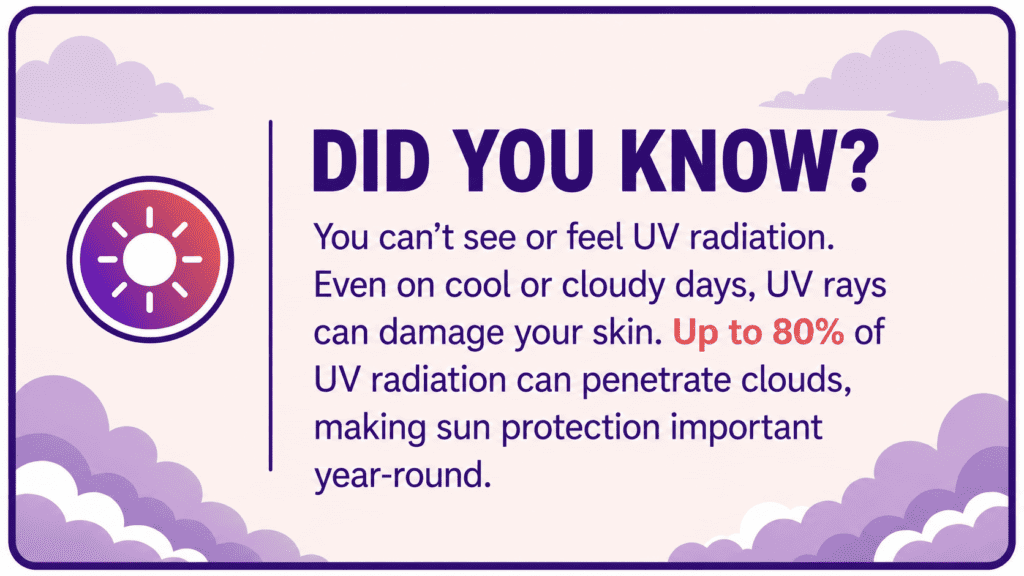
- UVA (320-400 nm): These rays penetrate the skin most deeply, contributing to premature skin aging (wrinkles, age spots) and playing a significant role in skin cancer development. They can penetrate clouds and glass, meaning exposure occurs even on cloudy days or indoors near windows.
- UVB (290-320 nm): Shorter and more intense than UVA, UVB rays are the primary cause of sunburn and are directly responsible for most skin cancers. Their intensity varies by season, time of day, and geographical location.
- UVC (100-290 nm): The shortest and most energetic UV rays, UVC is almost entirely absorbed by the Earth’s ozone layer and does not typically reach the surface, posing less of a direct threat from natural sources.
While the sun is the most prominent natural source of UV radiation, artificial sources like tanning beds also emit harmful UV rays, predominantly UVA, at levels that can be several times more intense than midday sun. The World Health Organization (WHO) classifies tanning beds as Group 1 carcinogens, the same category as tobacco. The cumulative damage caused by UV radiation to cellular DNA is a key mechanism in the development of skin cancer, emphasizing the need for consistent and effective sun protection throughout one’s life.
The recognition of the sun’s carcinogenic potential has evolved over centuries. Early observations of sun-related skin damage date back to ancient times, but the scientific link between UV radiation and skin cancer solidified in the 20th century. The discovery of the ozone layer’s role in filtering UVC, and later concerns about ozone depletion, further heightened public awareness of UV risks. Public health campaigns, such as Australia’s iconic "Slip, Slop, Slap" (slip on a shirt, slop on sunscreen, slap on a hat) campaign launched in the early 1980s, marked a turning point in promoting sun-safe behaviors globally.
Proactive Protection: Essential Sun Safety Measures
Given that most skin cancers are preventable, adopting simple yet effective sun protection habits can dramatically reduce risk. During UV Radiation Safety Awareness Month, health organizations like the CRI reiterate the following recommendations:
- Seek Shade: Especially between 10 AM and 4 PM, when UV rays are strongest. The "shadow rule" is a helpful guide: if your shadow is shorter than you are, the sun’s rays are most intense.
- Wear Protective Clothing: Long-sleeved shirts, pants, and wide-brimmed hats provide physical barriers against UV radiation. Clothing with an Ultraviolet Protection Factor (UPF) rating offers an additional layer of defense.
- Apply Sunscreen Generously: Use a broad-spectrum sunscreen with an SPF of 30 or higher. "Broad-spectrum" indicates protection against both UVA and UVB rays. Apply it 15-30 minutes before sun exposure and reapply every two hours, or more frequently after swimming or sweating. The average adult needs about one ounce (a shot glass full) to cover exposed body parts.
- Don’t Forget Your Eyes: Wear sunglasses that block 99-100% of UVA and UVB rays to protect your eyes and the delicate skin around them from UV-induced damage, which can lead to cataracts and other eye conditions.
- Avoid Tanning Beds: Artificial tanning devices emit concentrated UV radiation and significantly increase the risk of melanoma and other skin cancers. There is no such thing as a "safe" tan from a tanning bed.
- Perform Regular Skin Self-Exams: Check your skin head-to-toe monthly, looking for new moles or changes in existing ones (the "ABCDEs" of melanoma: Asymmetry, Border irregularity, Color variation, Diameter greater than 6mm, Evolving).
- Schedule Professional Skin Exams: Annual check-ups with a dermatologist are crucial for early detection, especially for individuals with a history of sun exposure, numerous moles, or a family history of skin cancer.
These measures collectively form a robust defense against UV-induced damage, representing a proactive investment in long-term health.
A New Dawn in Treatment: The Immunotherapy Revolution
While prevention is key, for those diagnosed with skin cancer, especially advanced melanoma, the therapeutic landscape has been profoundly reshaped by the advent of immunotherapy. Once considered one of the most formidable and lethal cancers, advanced melanoma has become a beacon of hope, largely thanks to a class of drugs known as Immune Checkpoint Inhibitors (ICIs).
The journey to this breakthrough is a testament to decades of fundamental immunology research. Scientists gradually unraveled the intricate mechanisms by which the immune system recognizes and eliminates cancerous cells, as well as the sophisticated "evasion tactics" employed by tumors to escape immune surveillance. A pivotal discovery involved identifying immune checkpoints—molecular "brakes" on the immune response, such as CTLA-4 and PD-1/PD-L1. Tumors often exploit these checkpoints to suppress the immune system’s attack.
The seminal work of Dr. James P. Allison, Director of CRI’s Scientific Advisory Council, revolutionized this understanding. Dr. Allison pioneered the concept of blocking CTLA-4 to "release the brakes" on T-cells, empowering the immune system to recognize and destroy cancer cells. This groundbreaking research led to the development of the first ICI, ipilimumab, approved for melanoma in 2011. His profound contributions, shared with Tasuku Honjo for his independent discovery of PD-1, earned them the Nobel Prize in Physiology or Medicine in 2018.
Immune Checkpoint Inhibitors (ICIs) work by blocking these inhibitory pathways, thereby unleashing the body’s own immune cells to attack cancer. Examples of ICIs successfully used in melanoma treatment include:
- Anti-CTLA-4 antibodies: Ipilimumab
- Anti-PD-1 antibodies: Nivolumab, Pembrolizumab
- Anti-PD-L1 antibodies: Atezolizumab, Avelumab, Durvalumab (though more commonly used in other cancer types, their mechanism is relevant).
The impact of these therapies is perhaps best illustrated by patient stories like that of Sharon Belvin. As one of the very first patients enrolled in early clinical trials for ICIs, Sharon was a thriving 22-year-old diagnosed with Stage 4 melanoma. Facing a dire prognosis and dwindling options, she enrolled in a clinical trial for an anti-CTLA-4 antibody. Her words capture the profound fear: "Hearing the words ‘You have cancer’ carries a weight that’s almost impossible to describe. I remember the fear, the uncertainty, and the question that echoed in my mind every single day: How much time do I really have left?" Today, over two decades later, Sharon remains cancer-free, a living testament to the transformative power of immunotherapy. Dr. Allison himself even officiated her wedding, a poignant symbol of the personal connection forged through scientific endeavor and successful treatment. Her remarkable outcome underscores how decades of foundational immunology research can translate into life-saving therapies, offering extended, high-quality life for patients.
The Frontiers of Research: Advancing Personalized Care
Despite the monumental progress, immunotherapy does not yet work for all patients. Approximately 30% to 50% of individuals with advanced melanoma do not respond to ICIs, a critical challenge that fuels ongoing research. Scientists are intensely focused on understanding the mechanisms of resistance and identifying biomarkers that can predict treatment response, thereby enabling more personalized and effective therapeutic strategies.
One such researcher is Dr. Katie Campbell, a former CRI Postdoctoral Fellow and adjunct assistant professor at UCLA. Her pioneering work delves beyond simply identifying which immune cells are present within tumors. Instead, she investigates their spatial arrangement and the intricate "cellular neighborhoods" they form—regions where cancer cells, immune cells, and blood vessels are in constant communication. This architectural understanding, Dr. Campbell believes, can reveal crucial insights into whether a patient is likely to benefit from ICI treatment.
Critically, Dr. Campbell’s team studies biopsies taken both before and during treatment. This longitudinal approach allows researchers to capture the immune system "in motion," observing how its composition and organization change in response to therapy. She likens this to observing a bike race: "It’s like taking a picture of a bike race before it starts. Before the race, you can just say there’s a bunch of bikes. Once they’re moving, you can say which cyclists are at the front of the pack versus the back – and you can do a lot more inference about what’s happening." By analyzing these dynamic changes, her team aims to uncover predictive patterns that can guide clinical decisions.
The broader vision of this research is to enable smarter, earlier interventions. Currently, patients who do not respond to an initial immunotherapy regimen may endure multiple rounds of different treatments, losing valuable time and potentially diminishing their overall ability to respond. Dr. Campbell’s hope is that these advanced analytical approaches will allow clinicians to identify the most effective therapy sooner, sparing patients from ineffective treatments and maximizing their chances of a positive outcome. This precision oncology approach represents the next frontier in cancer care, aiming to tailor treatments to the unique biological profile of each patient’s tumor and immune response.
Collective Action: A Path Towards a Cancer-Free Future
July’s UV Radiation Safety Awareness Month serves as a potent reminder that while scientific breakthroughs are continuously pushing the boundaries of what’s possible in cancer treatment, prevention remains the most powerful tool at our disposal. Simple, consistent habits—seeking shade, wearing protective clothing, diligently applying broad-spectrum sunscreen, and conducting regular skin checks—are foundational to reducing the incidence of skin cancer. These measures empower individuals to take direct control over a significant portion of their cancer risk.
Simultaneously, the relentless pursuit of knowledge by researchers like Dr. Allison and Dr. Campbell, supported by organizations like the Cancer Research Institute, continues to redefine the outlook for those diagnosed with skin cancer. Immunotherapy has rewritten narratives, transforming advanced melanoma from a death sentence into a manageable, and often curable, condition for many. The ongoing research to understand non-responders and refine treatment selection promises to extend these life-saving benefits to an even wider patient population.
Whether through individual commitment to sun safety or collective support for cutting-edge scientific inquiry, every action contributes to a larger mission. This integrated strategy—combining robust prevention with pioneering research and personalized treatments—is moving humanity closer to a world where fewer people develop skin cancer, and for those who do, the prognosis is increasingly one of hope, healing, and prolonged life.
Sources:
- American Academy of Dermatology (AAD)
- American Cancer Society (ACS)
- Cancer Research Institute (CRI)
- World Health Organization (WHO)
- NobelPrize.org
- UCLA Health
