
 By admin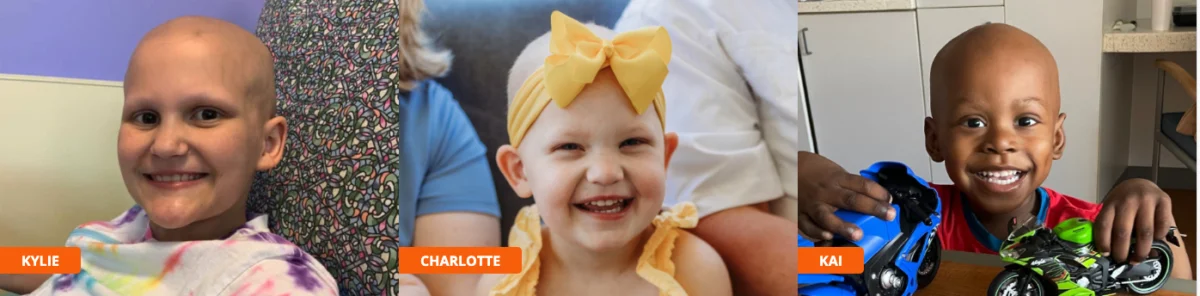
The Great Cycle Challenge, a national fitness and fundraising initiative, has officially entered its 12th year of partnership with the Children’s Cancer Research Fund (CCRF), marking a significant milestone in the ongoing effort to eliminate childhood cancer. Since its inception, the challenge has evolved into one of the most successful peer-to-peer fundraising events in the United States, mobilizing hundreds of thousands of cyclists to log more than 38 million miles. These collective efforts have raised over $87 million to date, providing critical capital for medical research, clinical trials, and the development of less toxic therapies for the youngest and most vulnerable patients.
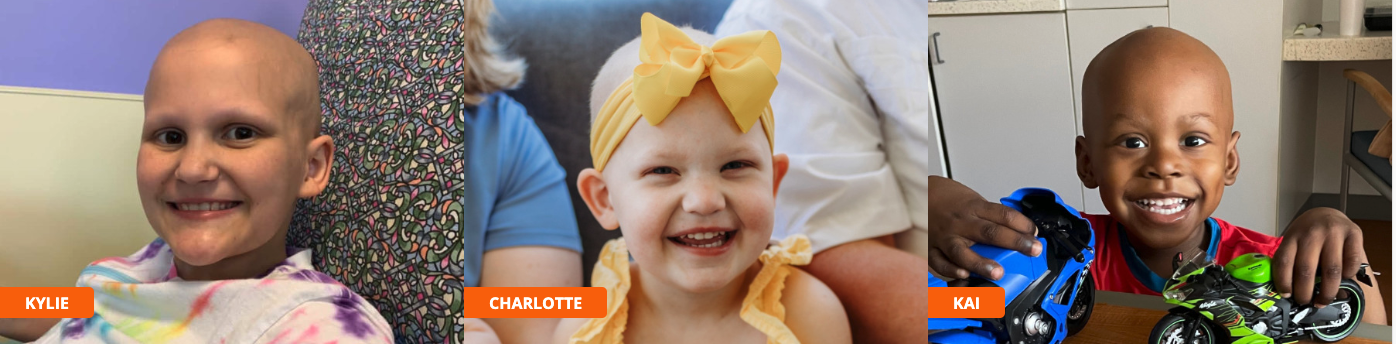
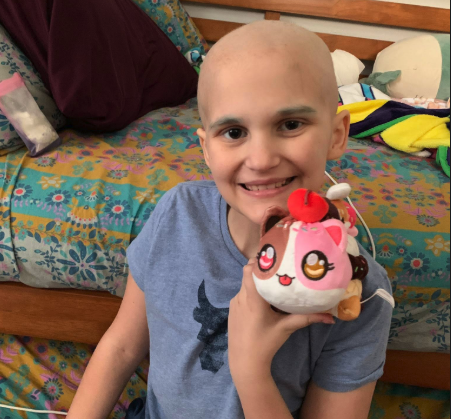
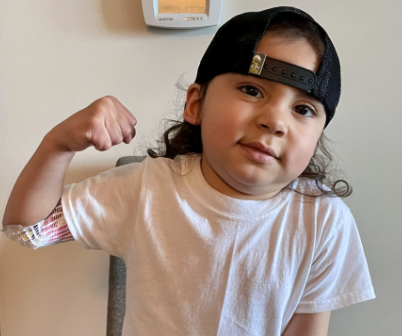
As the 2026 campaign begins, the organization has introduced five National Ambassadors—Charlotte, Kai, Kylie, Jasper, and Emma. These children, representing various stages of diagnosis and recovery, serve as the faces of a movement that seeks to bridge the gap between laboratory breakthroughs and the daily realities of families navigating the oncology ward. Their stories underscore a fundamental truth in pediatric medicine: research is not merely an academic pursuit but a lifeline that enables children to return to the playgrounds, classrooms, and everyday moments that define a healthy childhood.
The Evolution and Impact of the Great Cycle Challenge
The Great Cycle Challenge was established on the premise that collective individual action could solve a systemic lack of funding for pediatric cancer. While cancer remains the leading cause of death by disease for children in the United States, pediatric oncology historically receives a disproportionately small percentage of federal research funding compared to adult cancers. This funding gap necessitates the involvement of non-profit organizations and grassroots initiatives to drive innovation.
Over the past decade, the $87 million raised through the challenge has been directed toward high-impact research areas. This includes the development of precision medicine, which tailors treatment to the genetic makeup of a child’s specific tumor, and immunotherapy, which harnesses the body’s immune system to fight cancer cells without the devastating side effects of traditional chemotherapy and radiation. The 38 million miles logged by participants represent a massive public health effort, combining physical fitness with a philanthropic mission that resonates across all 50 states.
Profiling the 2026 Ambassadors: The Human Face of Pediatric Oncology
The 2026 ambassadors reflect the diverse and complex landscape of childhood cancer. Each child’s journey provides insight into the specific medical challenges that current research is striving to overcome.
Charlotte: The Resilience of the Maintenance Phase
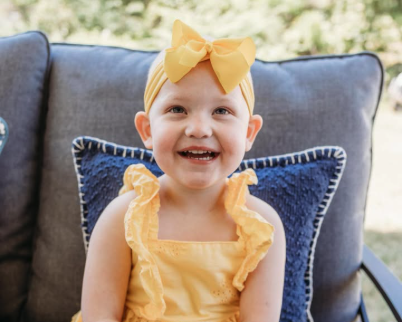
At four years old, Charlotte is currently navigating the "maintenance" phase of treatment for B-cell acute lymphoblastic leukemia (ALL). ALL is the most common form of childhood cancer, and while survival rates have improved significantly over the last 30 years, the treatment regimen remains grueling. Charlotte’s experience involved months of intensive chemotherapy designed to eradicate leukemic cells.
The maintenance phase, which can last for years, is a critical period where low-dose chemotherapy is administered to prevent relapse. For Charlotte’s family, the focus is on reclaiming a sense of normalcy. Her mother, Emily, emphasizes that research is an investment in the future of every child who will eventually face a similar diagnosis. The goal of current ALL research is to shorten these treatment windows and reduce the long-term "late effects" that survivors often face, such as heart or lung complications.
Kai: Confronting the Complexity of Neuroblastoma
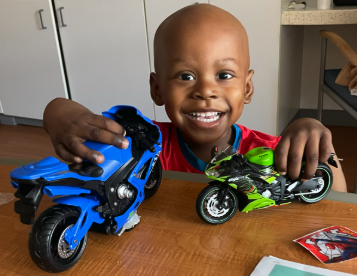
Three-year-old Kai represents the fight against neuroblastoma, a cancer that develops from immature nerve cells and most commonly affects infants and young children. Kai’s treatment protocol has been multi-faceted, involving chemotherapy, surgical intervention, and extended hospital stays. Neuroblastoma is known for its aggressive nature and its tendency to require high-intensity treatment.
Kai’s mother advocates for research as a means of protection, arguing that children should be preoccupied with play rather than the clinical realities of a hospital room. Research into neuroblastoma is currently focused on identifying biological markers that can predict how a tumor will respond to treatment, allowing doctors to avoid over-treating low-risk cases while applying the most advanced therapies to high-risk ones.
Kylie: The Urgent Need for Relapse Solutions
Kylie, age 10, highlights one of the most difficult aspects of pediatric oncology: relapse. After an initial diagnosis in 2022, Kylie faced a recurrence of her cancer in early 2025. Her situation underscores the limitations of current protocols and the urgent need for "salvage" therapies—treatments designed for patients who do not respond to or who relapse after standard care.
Kylie’s parents have called for the development of new protocols that lead to better long-term outcomes. When a child relapses, the cancer is often more resistant to previous treatments, making the role of innovative research and experimental clinical trials even more vital. Kylie’s story is a reminder that a "cure" must be permanent to be truly successful.
Jasper: The Symbolism of the Bell
For five-year-old Jasper, the 2026 Great Cycle Challenge coincides with a major milestone. After undergoing treatment for acute lymphoblastic leukemia, Jasper is expected to "ring the bell" in September—a tradition in oncology wards that signifies the completion of treatment.
As Jasper returns to sports and school, his progress serves as a testament to the efficacy of current ALL protocols. However, his family notes that physical activity has been a cornerstone of his recovery. Research into the rehabilitative aspects of cancer care—how to help a child’s body recover from the toxicity of treatment—is a growing field that the Great Cycle Challenge helps to fund.
Emma: Targeted Therapy for Rare Phenotypes
Three-year-old Emma is battling an exceptionally rare and aggressive form of cancer: acute myeloid leukemia (AML) with a RAM phenotype. Emma’s treatment required a bone marrow transplant, a high-stakes procedure used to replace damaged or destroyed bone marrow with healthy stem cells.
Emma’s survival and current status in maintenance therapy were made possible by access to innovative therapies that were only recently developed through targeted research. Her case illustrates the importance of genomic sequencing and the ability of modern medicine to treat rare subtypes of leukemia that were once considered untreatable.
The Broader Landscape of Pediatric Cancer Research
The stories of these five ambassadors are set against a backdrop of significant medical transition. The field of pediatric oncology is moving away from a "one-size-fits-all" approach toward a more nuanced, data-driven methodology.
- Genomics and Precision Medicine: By understanding the genetic mutations that drive a child’s cancer, researchers can use targeted drugs that attack the cancer cells while sparing healthy tissue. This reduces the immediate and long-term side effects of treatment.
- Immunotherapy (CAR T-cell Therapy): This revolutionary treatment involves reprogramming a patient’s own T-cells to recognize and kill cancer. It has shown remarkable success in treating certain types of leukemia that were previously resistant to all other forms of therapy.
- Survivorship Studies: As survival rates improve, the medical community is increasingly focused on the "afterlife" of cancer. Two-thirds of childhood cancer survivors will develop at least one chronic health condition as a result of their treatment. Research funded by the Great Cycle Challenge aims to refine treatments to ensure that survivors can lead long, healthy lives.
Institutional Support and Community Engagement
The Children’s Cancer Research Fund (CCRF) serves as the primary beneficiary of the Great Cycle Challenge. As a national non-profit, the CCRF identifies the most promising research projects at top-tier institutions across the country. By providing "seed grants" to researchers, the CCRF allows scientists to gather the preliminary data necessary to secure larger federal grants from the National Institutes of Health (NIH).
The Great Cycle Challenge facilitates this by creating a low-barrier entry point for public participation. Cyclists of all ages and abilities set a personal mileage goal for the month and solicit donations from their social networks. The use of a dedicated mobile app allows participants to track their miles via GPS, share updates, and engage with a community of riders who are often motivated by personal connections to the cause.
Analysis of Implications: The Future of Fundraising and Research
The success of the Great Cycle Challenge suggests a shift in how medical research is funded in the 21st century. The move toward decentralized, activity-based fundraising allows for a more consistent stream of revenue that is less dependent on large-scale corporate galas and more reliant on a broad base of individual donors.
Furthermore, the integration of patient stories like those of Charlotte, Kai, Kylie, Jasper, and Emma serves a dual purpose. It humanizes the clinical data, making the need for funding tangible to the average citizen, and it provides a platform for families to advocate for the specific needs of their children. The emphasis on "moments that matter" highlights that the ultimate goal of research is not just the eradication of disease, but the preservation of childhood itself.
As the 2026 Great Cycle Challenge gets underway, the goal remains clear: to continue the momentum that has already seen $87 million raised and 38 million miles ridden. Every mile logged by a participant represents a step toward a future where a cancer diagnosis is no longer a defining feature of a child’s life, but a temporary obstacle that can be overcome through the power of scientific innovation and community support.
Conclusion and Call to Action
The Great Cycle Challenge stands as a testament to what can be achieved when personal health goals are aligned with a greater social mission. For the families of the 2026 ambassadors, the challenge is more than a cycling event; it is a collective promise to the next generation.
The organization invites cyclists of all levels to join the movement. Participants can register at the official website, set their own goals, and contribute to a legacy of research that has already changed the trajectory of thousands of lives. As the riders take to the roads this year, they carry with them the hopes of Charlotte, Kai, Kylie, Jasper, Emma, and the thousands of other children currently in treatment across the nation.
