
 By admin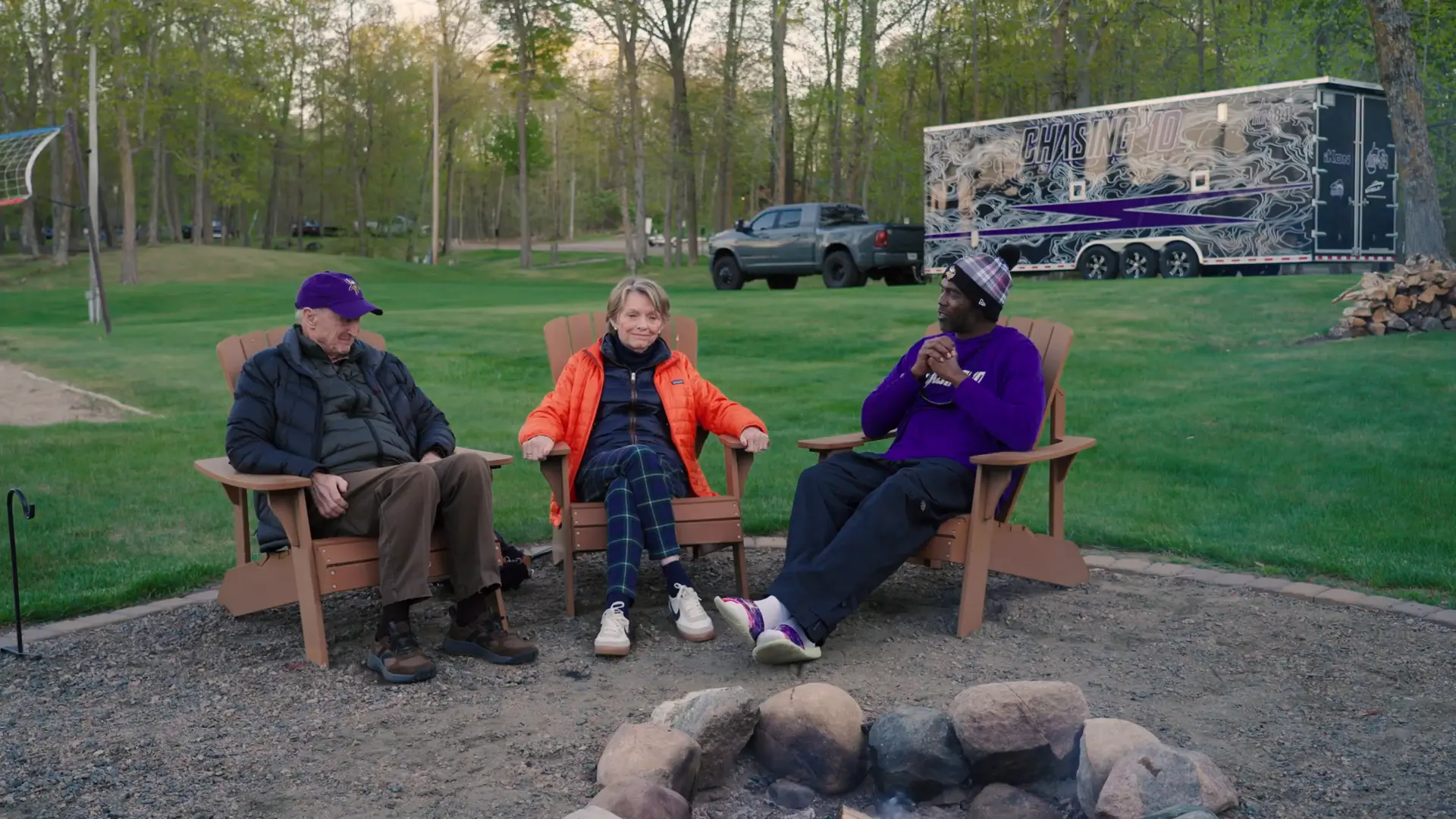
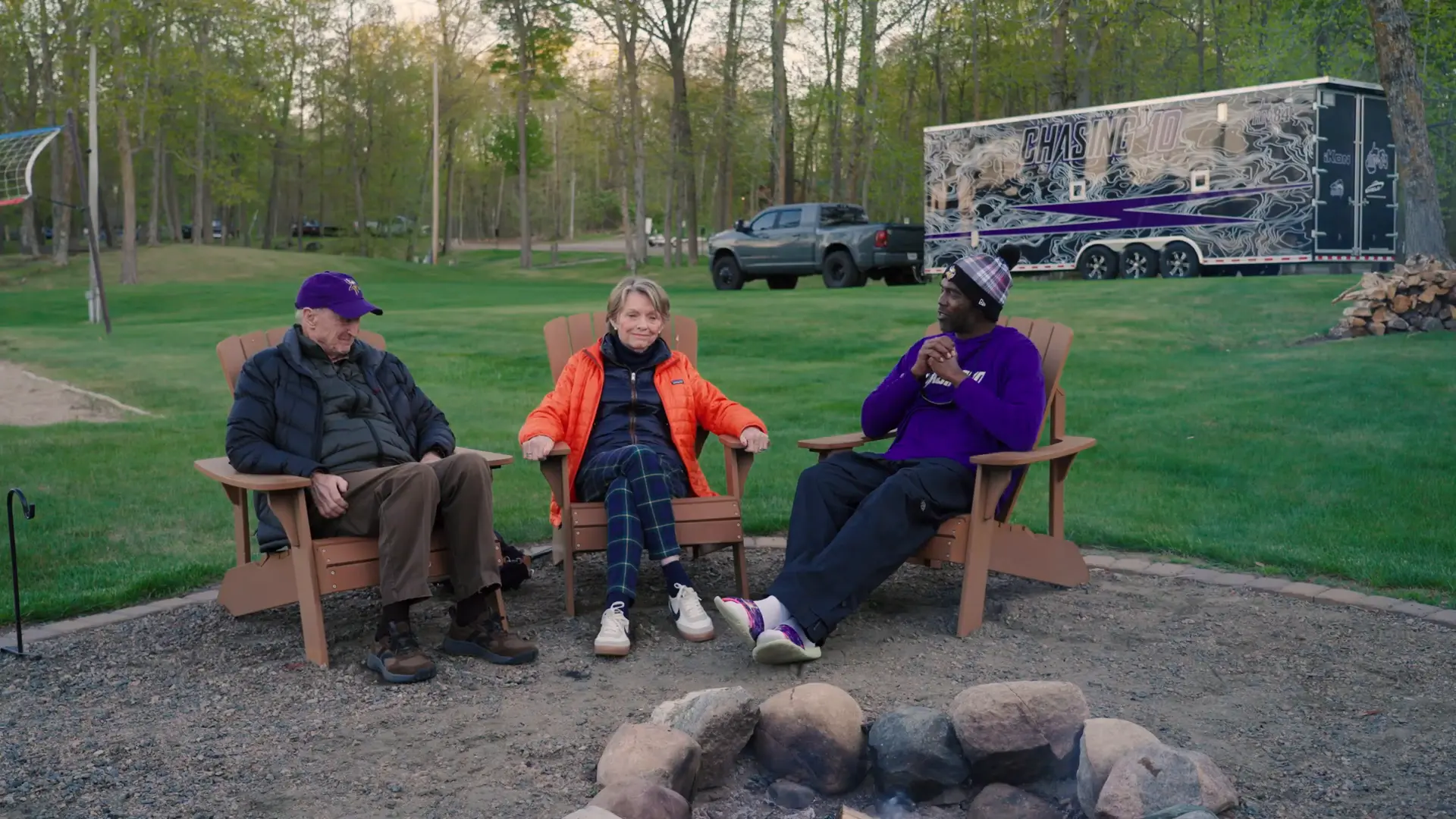
The history of medical philanthropy is often defined by large-scale corporate donations or multi-million dollar endowments from estate settlements, yet one of the most significant forces in American pediatric cancer research began with a single act of sacrifice by a thirteen-year-old girl in 1979. During a recent episode of the digital series Chasing10, Pro Football Hall of Fame wide receiver Randy Moss met with the family of Katie Hageboeck to explore the origins of the Children’s Cancer Research Fund (CCRF). This meeting underscored a narrative that has spanned over four decades, transforming a modest personal donation intended for a bicycle into a national movement that has funneled hundreds of millions of dollars into life-saving medical innovations.
The 1979 Catalyst: A Legacy Born of Personal Loss
In the late 1970s, the landscape of pediatric oncology was markedly different from the modern era of targeted therapies and high survival rates. When Katie Hageboeck was diagnosed with leukemia in 1979, her prognosis was immediate and severe. According to her mother, Diana Hageboeck, the clinical presentation of Katie’s illness was unprecedented at the University of Minnesota, which even then was a hub for hematology research. Medical records at the time indicated that Katie possessed the highest white blood cell count ever recorded at the institution, a metric that signaled a highly aggressive form of the disease.
Despite the physical and emotional toll of her treatment, Katie demonstrated a precocious understanding of the systemic needs of the medical community. Having saved $141 for a red 10-speed bicycle—a significant sum for a teenager in 1979—she made the decision to divert those funds to a nascent research initiative dedicated to childhood cancer. Katie succumbed to her illness shortly thereafter, but her $141 donation became the seed money for what would eventually become the Children’s Cancer Research Fund. This gesture established a founding principle for the organization: that progress in medical science is often accelerated by the collective will of individuals, regardless of the size of the initial contribution.
Historical Timeline of the Children’s Cancer Research Fund
To understand the weight of Katie’s legacy, it is necessary to examine the chronological progression of the CCRF from a local memorial fund to a national leader in the field of oncology.
- 1979: Katie Hageboeck is diagnosed with leukemia and donates $141 to start a research fund.
- 1981: The Children’s Cancer Research Fund is officially incorporated as a 501(c)(3) non-profit organization, focusing its efforts on supporting the University of Minnesota’s pediatric oncology department.
- 1980s – 1990s: The fund expands its reach, initiating the "Dawn of Hope" and other signature fundraising events. During this period, the CCRF began funding critical research into bone marrow transplantation, a field where the University of Minnesota would become a global leader.
- 2004: The organization reaches a milestone of $50 million raised for research, expanding its scope to include quality-of-life programs for families navigating the "survivorship" phase of cancer.
- 2020s: CCRF emerges as a national entity, funding researchers at top-tier institutions across the United States. The organization now focuses on "hard-to-treat" cancers and the long-term side effects of chemotherapy.
Supporting Data: The Impact of Philanthropic Funding on Survival Rates
The significance of Katie’s $141 gift is best measured by the statistical advancements in pediatric cancer survival over the last forty years. In 1979, the five-year survival rate for children diagnosed with all types of cancer was approximately 60%. Today, that figure has risen to over 85%, largely due to the type of innovative research funded by private organizations like the CCRF.
Leukemia, the disease Katie faced, has seen some of the most dramatic improvements. In the mid-20th century, a diagnosis of Acute Lymphoblastic Leukemia (ALL) was almost universally fatal. Through decades of clinical trials and the development of protocols supported by CCRF-funded researchers, the survival rate for ALL now exceeds 90%. However, the organization notes that statistics do not tell the whole story. While survival rates have increased, the intensity of traditional treatments often leaves survivors with lifelong health complications, including heart disease, secondary cancers, and cognitive impairments. Consequently, modern CCRF funding is increasingly directed toward "precision medicine"—treatments designed to kill cancer cells while sparing healthy tissue.
Randy Moss and the Chasing10 Initiative
The involvement of Randy Moss through the Chasing10 series represents a strategic effort to bridge the gap between sports philanthropy and medical research. Moss, known for his record-breaking NFL career, has pivoted his public platform toward social and health-related advocacy. The Chasing10 program is designed to highlight stories of impact, resilience, and the "chase" for solutions to some of society’s most pressing challenges.
During his interview with Diana Hageboeck, Moss expressed a personal commitment to the cause, stating that he viewed himself as a member of the team working toward a cure. For the CCRF, the participation of high-profile figures like Moss serves a dual purpose: it raises awareness among a broader demographic and emphasizes that the "team" required to defeat pediatric cancer includes not only scientists and doctors but also advocates and donors. Moss’s reaction to Katie’s story—specifically the detail regarding the 10-speed bicycle—highlights the relatability of her sacrifice. It humanizes the often-abstract world of medical research by grounding it in the tangible loss of a child’s dream.
Official Responses and Clinical Perspectives
The medical community at the University of Minnesota and beyond has long acknowledged the role of the Hageboeck family in sustaining the momentum of pediatric research. Dr. Jakub Tolar, Dean of the University of Minnesota Medical School, has previously noted that philanthropic organizations like CCRF provide "venture capital" for science. This type of funding allows researchers to explore high-risk, high-reward ideas that might not yet qualify for federal grants from the National Institutes of Health (NIH).
"Katie’s gift allowed us to ask the ‘what if’ questions," a representative from the research community noted in a statement regarding the fund’s history. "In the early days, those questions were about the viability of bone marrow transplants. Today, they are about the potential of the immune system to recognize and destroy cancer through CAR-T cell therapy. None of this happens without the foundational support that began in 1979."
Diana Hageboeck’s perspective remains focused on the communal nature of the effort. In her dialogue with Moss, she emphasized that Katie would have been moved not by the fame of the organization, but by the "bonding" of diverse groups—athletes, researchers, and families—around a single objective. This sentiment reflects a broader trend in modern philanthropy where the focus has shifted from the donor’s identity to the collective impact of the community.
Broader Impact and Future Implications
The story of the red 10-speed bicycle serves as a case study in the "multiplier effect" of charitable giving. The original $141 has effectively been leveraged into over $500 million in total funds raised by the CCRF since its inception. This capital has supported over 500 research projects and contributed to the development of treatments that are now standard of care worldwide.
Furthermore, the CCRF’s evolution mirrors a shift in the oncology field toward a more holistic view of the patient. Beyond the laboratory, the fund supports "Child Life" specialists, financial assistance for families, and psychological support services. This recognizes that cancer is a "family disease" that impacts the economic and emotional stability of the entire household.
As the CCRF looks toward the future, the challenges remain significant. Pediatric cancer is still the leading cause of death by disease for children in the United States. Certain types of brain tumors and rare sarcomas still have survival rates that have not improved significantly since Katie’s era. The organization’s current strategic plan involves doubling down on "innovation grants" that specifically target these recalcitrant forms of cancer.
Conclusion: A Living Legacy
The enduring relevance of Katie Hageboeck’s story lies in its simplicity and its scale. What began as a thirteen-year-old’s decision to forgo a bicycle has evolved into a cornerstone of American medical philanthropy. The recent engagement of Randy Moss and the Chasing10 initiative ensures that this narrative continues to reach new generations of donors and advocates.
For the researchers at the University of Minnesota and the families currently navigating a cancer diagnosis, Katie’s $141 remains a symbol of possibility. It serves as a reminder that the trajectory of medical history can be altered by a single individual’s compassion. As the CCRF continues its mission, the focus remains on the "chase"—not just for better treatments, but for a definitive end to childhood cancer, a goal that Katie Hageboeck envisioned four decades ago.
