
 By admin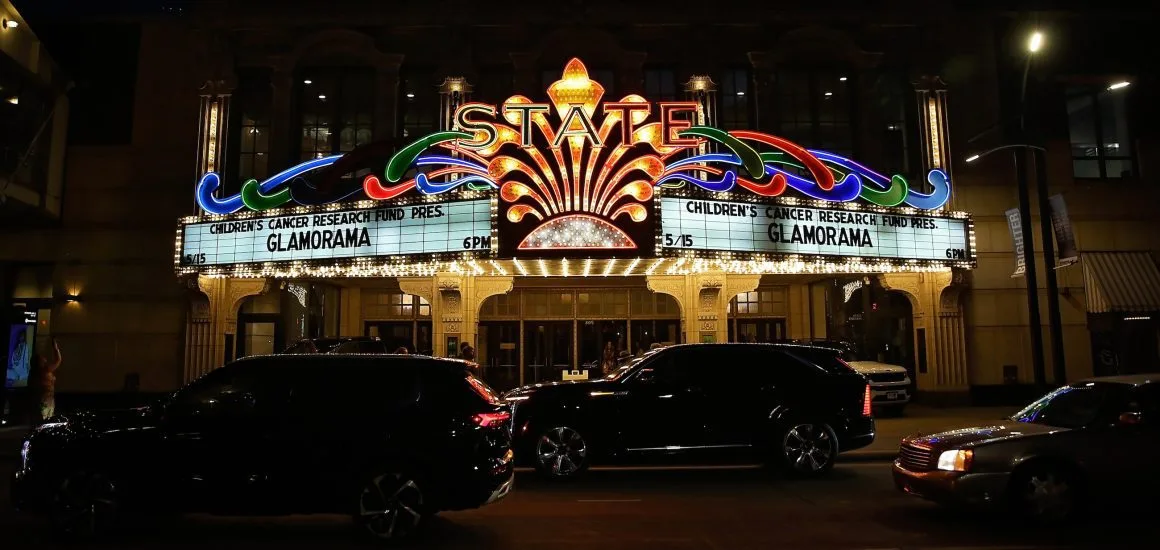
The return of Glamorama to the Twin Cities marks a significant milestone in the intersection of Midwestern fashion and large-scale philanthropic efforts. After a hiatus of more than a decade, the event reclaimed its position as a premier cultural staple, transforming the historic State Theatre in Minneapolis into a multi-sensory environment designed to generate critical support for the Children’s Cancer Research Fund (CCRF). This revival was not merely a retrospective of the event’s storied past, but a forward-looking reimagining that utilized immersive design, high-fashion choreography, and world-class musical performances to advocate for pediatric oncology research.
The Evolution of a Twin Cities Cultural Icon
To understand the weight of Glamorama’s return, one must look at its historical significance within the Minneapolis social and retail landscape. Originally established by the Dayton’s Department Store—and later continued through the Marshall Field’s and Macy’s eras—Glamorama was once the centerpiece of the regional fashion calendar. At its peak, it was a high-budget production that rivaled runway shows in New York and Paris, often featuring celebrity appearances and major musical acts.
The event’s disappearance approximately ten years ago left a void in the local arts and charity circuit. Its absence coincided with broader shifts in the retail industry and corporate sponsorship models. However, the decision to revive the event in 2024 reflects a renewed appetite for experiential philanthropy. By pivoting away from a strictly retail-driven model and centering the mission of the Children’s Cancer Research Fund, organizers have transitioned Glamorama from a corporate showcase into a community-driven advocacy platform.
A Creative Resurrection: The Vision of Grant Whittaker
The 2024 iteration was spearheaded by Grant Whittaker, a longtime champion of both Glamorama and CCRF. Whittaker, acting as the visionary director, was tasked with the challenge of honoring the event’s legacy while modernizing its execution. The production moved away from a traditional runway format, instead opting for a series of immersive fashion experiences. These segments were characterized by vibrant color palettes, intricate textures, and meticulously choreographed movements that blurred the lines between performance art and fashion.
Whittaker’s direction was specifically informed by the lived experiences of five children: Fritz, Isaac, Valerie, Anikah, and Alice. These young individuals, all of whom have faced the realities of a cancer diagnosis, served as the creative catalysts for the evening’s themes. Their imaginations and "worlds" were translated into the visual and auditory elements of the show. This thematic choice served a dual purpose: it provided a platform for the children to see their dreams realized on a grand scale, and it reminded the audience of the human faces behind the clinical research funded by the evening’s proceeds.
Musical Legends and the Atmosphere of the State Theatre
The choice of the State Theatre as the venue provided a backdrop of historic elegance. Opened in 1921, the theater’s Italian Renaissance style and ornate architectural details offered a stark, sophisticated contrast to the modern, high-energy performances on stage. The atmosphere was further electrified by the inclusion of house music icons whose careers defined the 1990s dance scene.
CeCe Peniston, Crystal Waters, and Robin S provided the soundtrack for the night. Their performances—featuring hits like "Finally," "Gypsy Woman (She’s Homeless)," and "Show Me Love"—injected a sense of nostalgic energy into the proceedings. The use of house music, a genre rooted in community and liberation, mirrored the event’s themes of hope and collective action. The integration of these musical legends ensured that the event appealed to long-time supporters of the original Glamorama while introducing a new generation to the high-production standards of the brand.
Statistical Context: The Critical Need for Pediatric Cancer Funding
While the evening was defined by glamour and performance, the underlying driver was the urgent need for pediatric cancer research funding. According to data from the National Cancer Institute, while cancer is the leading cause of death by disease for children in the United States, pediatric cancer research receives a disproportionately small fraction of federal funding compared to adult cancers. It is estimated that only about 4% of the federal budget for cancer research is dedicated specifically to childhood cancers.
This funding gap places a heavy burden on private organizations like the Children’s Cancer Research Fund. CCRF CEO Elizabeth Allen emphasized during the event that "bold support" is the only way to change the trajectory for families facing these diagnoses. Since its inception in 1981, CCRF has contributed over $500 million to research, education, and quality-of-life programs. Events like Glamorama are vital to this financial ecosystem, as they provide the large-scale infusions of capital necessary to fund innovative trials and long-term studies that federal grants may overlook.
Official Responses and Strategic Implications
The leadership at CCRF viewed the return of Glamorama not just as a fundraiser, but as a strategic engagement tool. Kenna Dooley, the Chief Development Officer of CCRF, noted that the night was about bringing the imaginations of the children to life through Whittaker’s direction. This approach shifts the donor relationship from a transactional one to an emotional and experiential one.
CEO Elizabeth Allen further articulated that Glamorama serves as a gateway for the public to enter the organization’s mission. By creating a high-profile event that attracts media attention and diverse demographics, CCRF can spark meaningful connections that extend beyond a single night of giving. The goal is to build "lasting momentum," turning event attendees into long-term advocates and recurring donors.
Community Integration and Corporate Sponsorship
The success of the 2024 revival was also a testament to the strength of local corporate and community partnerships. The list of sponsors reflects a broad cross-section of Twin Cities industries, from retail and design to grocery and automotive. Key contributors included:
- Retail and Fashion: 50th and France, Grethen House, Fashion Avenue, MartinPatrick3, and Opitz. These partners provided the sartorial backbone of the event, showcasing the depth of the local fashion market.
- Lifestyle and Design: Martha Dayton Design, Landscape Structures, and Odele.
- Local Commerce: Kowalski’s Markets and Park Chrysler Jeep.
The involvement of these entities highlights a collaborative model where local businesses leverage their brand equity to support regional healthcare initiatives. For many of these sponsors, Glamorama represents an opportunity to demonstrate corporate social responsibility while engaging with a high-net-worth audience interested in the arts and philanthropy.
Chronology of the Evening’s Events
The event was structured to maximize guest engagement from arrival to the final curtain. The evening began with a red-carpet entry, a nod to the event’s "iconic past," where attendees were encouraged to showcase their own personal style. This was followed by a series of immersive "worlds" within the State Theatre, where guests could interact with the themes inspired by the five featured children.
The main stage production followed a modular format, with different segments highlighting various styles of couture and texture. These were interspersed with the musical performances of Peniston, Waters, and Robin S, creating a rhythmic flow that kept the audience engaged. The night concluded with a call to action, where the direct impact of the donations was highlighted through testimonials and data regarding current research breakthroughs at the University of Minnesota and other partner institutions.
Broader Impact on the Minneapolis Arts Scene
The return of Glamorama has implications that reach beyond the immediate financial gains for CCRF. For the city of Minneapolis, the revival of such a high-profile event is a signal of the post-pandemic recovery of the downtown district. Large-scale events at venues like the State Theatre drive foot traffic to local restaurants and hotels, contributing to the economic vitality of the Hennepin Avenue theater district.
Furthermore, Glamorama reinforces Minneapolis’s reputation as a center for both medical excellence and creative innovation. The city is home to some of the world’s leading researchers in pediatric oncology, and the ability of the community to rally around these experts through a world-class fashion event demonstrates a unique cultural synergy.
Analysis of Future Sustainability
As CCRF looks toward the future, the challenge will be to maintain the momentum generated by this revival. The 2024 event proved that the Glamorama brand still carries significant weight in the Twin Cities. However, to ensure long-term sustainability, the event must continue to evolve. The focus on "immersive experiences" rather than traditional runway shows is a step in the right direction, aligning with modern consumer preferences for interactive and shareable content.
The integration of specific "kid ambassadors" provides a narrative heart that is difficult to replicate through standard marketing. By making the research mission the primary focus, rather than an afterthought to the fashion, CCRF has created a model that is both ethically sound and commercially viable.
In conclusion, the return of Glamorama to the State Theatre was a multifaceted success. It honored a beloved local tradition while redirecting its energy toward one of the most pressing needs in modern medicine. Through the visionary direction of Grant Whittaker, the performances of house music legends, and the unwavering support of the Twin Cities community, the event has set a new standard for how fashion and philanthropy can coexist to create a meaningful impact on the lives of children and families facing cancer.
