
 By Budi Oetomo Narendra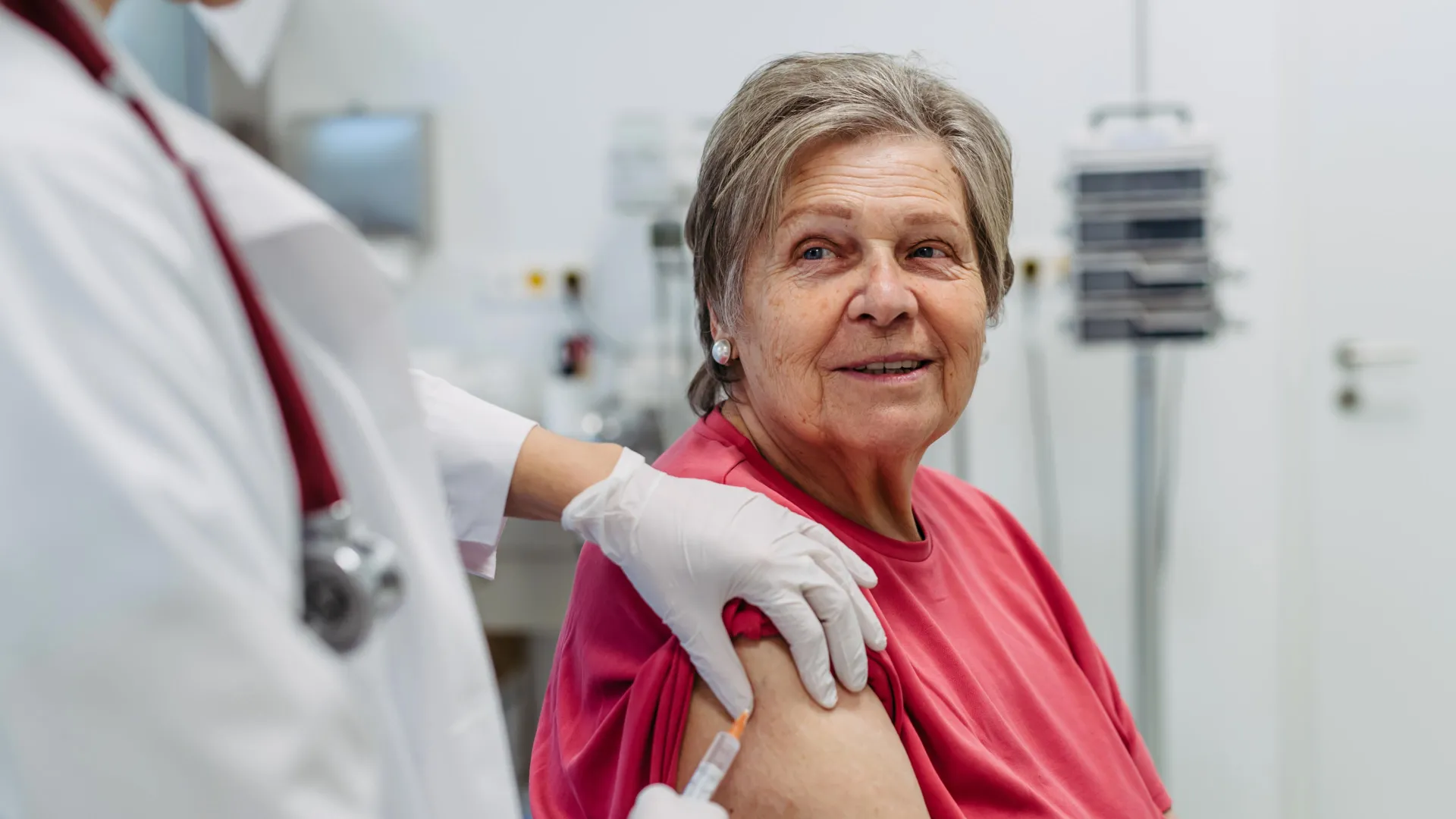
A groundbreaking new study indicates that older adults who received a shingles vaccine after admission to a skilled nursing facility demonstrated a significantly lower likelihood of being diagnosed with dementia over the subsequent four years. Researchers analyzing a vast dataset found that vaccinated individuals exhibited a 24% reduced risk of developing dementia compared with their unvaccinated counterparts, suggesting a potential dual benefit of the vaccine in protecting both physical and cognitive health in a vulnerable population.
The extensive analysis was conducted using a robust collection of Medicare data and electronic health records, encompassing more than 500,000 adults aged 66 and older. These individuals had been admitted to skilled nursing facilities (SNFs) for either short-term rehabilitation or long-term care. The study meticulously compared patients who received at least one dose of the recombinant shingles vaccine, known as RZV or Shingrix, against those who remained unvaccinated throughout the study period. Shingrix, introduced to the market in 2017, currently stands as the sole shingles vaccine available, making this study particularly relevant to contemporary public health strategies.
A Focus on the Newest Vaccine in a Vulnerable Cohort
The significance of this research lies not only in its findings but also in its specific focus. As study author Kaley Hayes, an assistant professor at Brown University’s School of Public Health and associate director of pharmacoepidemiology for Brown’s Center for Gerontology and Healthcare Research, highlighted, "A lot of previous studies with similar results focused on an older vaccine." Hayes further elaborated on the unique contribution of the current study: "This study looks at the newest vaccine only in an older, vulnerable adult population who were not up to date with shingles vaccination and are at a very clear clinical point in care: entering a skilled nursing facility." This distinction is crucial, as the efficacy profile and immune response generated by Shingrix differ markedly from its predecessor, Zostavax.
The consistency of these findings with several earlier studies, which examined a previous shingles vaccine and similarly identified an association between shingles vaccination and a reduced risk of dementia, lends further weight to the emerging hypothesis. Hayes remarked on this broader context, stating, "It fits into this large puzzle that’s just starting to come together that the vaccines are effective at preventing shingles and also appear to have neuroprotective benefits as well." This suggests a more profound interaction between viral infection, immune response, and neurological health than previously understood. The study, a collaborative effort led by Hayes with researchers from Brown, the University of Delaware, the Providence Veterans Affairs Medical Center, and other institutions, was published in the esteemed journal Annals of Internal Medicine.
Methodology and Extensive Data Analysis
To conduct their comprehensive investigation, the researchers employed a sophisticated statistical technique known as target trial emulation. This innovative approach is designed to mimic the conditions of a randomized clinical trial, even in situations where conducting such a trial directly is not practically feasible due to ethical, logistical, or cost considerations. By carefully constructing hypothetical "trials" from observational data, researchers can minimize biases and draw more robust conclusions about treatment effects.
The study incorporated a vast array of Medicare claims and electronic health records from patients admitted to more than 5,500 skilled nursing facilities across the United States between 2017 and 2022. Out of the 509,926 individuals included in the final analysis, a relatively small but significant subset of 8,843 individuals received the shingles vaccine. Crucially, all participants had to be eligible for shingles vaccination and, to ensure a clear baseline, could not have had a prior diagnosis of dementia. This meticulous selection process allowed the researchers to isolate the potential impact of vaccination more effectively.
After a four-year follow-up period, the results were compelling. Dementia developed in 18.8% of the vaccinated participants, a stark contrast to the 24.6% observed among those who remained unvaccinated. This difference translates into a substantial reduction in risk. Hayes underscored the real-world impact of these figures, explaining, "This translates to about one in 17 dementia cases potentially being prevented." Such a statistic highlights the considerable public health implications if these findings are substantiated by further research.
Understanding Shingles and Dementia: A Deeper Dive into the Connection
To fully appreciate the study’s implications, it is essential to understand both shingles and dementia, and the potential biological pathways that might link them.
Shingles (Herpes Zoster): Shingles is a painful viral infection caused by the reactivation of the varicella-zoster virus (VZV), the same virus responsible for chickenpox. After a chickenpox infection, VZV lies dormant in nerve tissue near the spinal cord and brain. Years or even decades later, often triggered by age, stress, or a weakened immune system, the virus can reactivate, traveling along nerve pathways to the skin, causing a characteristic blistering rash, typically on one side of the body. Beyond the painful rash, shingles can lead to severe and debilitating complications, including:
- Postherpetic Neuralgia (PHN): Persistent nerve pain that can last for months or even years after the rash clears, affecting up to 10-18% of shingles patients.
- Ocular complications: If shingles affects the eye, it can lead to vision loss.
- Neurological complications: In rare but serious cases, VZV reactivation can cause encephalitis (brain inflammation), meningitis, myelitis (spinal cord inflammation), or even stroke. Studies have shown an increased risk of stroke and transient ischemic attack (TIA) following shingles, particularly in the months immediately after infection.
According to the Centers for Disease Control and Prevention (CDC), approximately 1 in 3 Americans will develop shingles in their lifetime, resulting in an estimated 1 million cases annually. The risk and severity of shingles and its complications increase dramatically with age.
Dementia: Dementia is an umbrella term for a group of symptoms affecting cognitive functions like memory, thinking, and reasoning, severe enough to interfere with daily life. Alzheimer’s disease is the most common form, but other types include vascular dementia, Lewy body dementia, and frontotemporal dementia.
- Global Burden: The World Health Organization (WHO) estimates that over 55 million people worldwide live with dementia, with nearly 10 million new cases each year. It is a major cause of disability and dependency among older adults globally.
- Risk Factors: While age is the strongest risk factor, others include genetics, cardiovascular disease (hypertension, high cholesterol, diabetes), obesity, smoking, excessive alcohol consumption, physical inactivity, social isolation, and chronic inflammation.
Theories of Connection: While this study cannot prove causation, several biological hypotheses could explain how shingles vaccination might reduce dementia risk:
- Reducing Systemic Inflammation: Shingles infection itself can trigger a significant inflammatory response throughout the body. Chronic inflammation is increasingly recognized as a key contributor to neurodegenerative processes and dementia development. By preventing shingles, the vaccine might avert this inflammatory cascade, thereby protecting brain health.
- Preventing Direct Viral Neuroinvasion/Damage: In some cases, VZV can directly invade the central nervous system, leading to encephalitis or other neurological damage. Such damage could directly contribute to cognitive decline or increase vulnerability to other dementia-causing pathologies. Preventing the infection would eliminate this risk.
- Preventing Associated Vascular Events: As mentioned, shingles is associated with an increased risk of stroke. Strokes, particularly silent or multiple small strokes, are a leading cause of vascular dementia and can exacerbate other forms of dementia. By preventing shingles, the vaccine might indirectly reduce the incidence of these cerebrovascular events, thus lowering dementia risk.
- Immunological Modulation: The vaccine itself, by stimulating a robust immune response against VZV, might have broader beneficial effects on the immune system that contribute to neuroprotection, perhaps by enhancing the clearance of pathological proteins or reducing detrimental immune responses in the brain.
Evolution of Shingles Vaccination and Public Health Impact
The landscape of shingles vaccination has evolved significantly. For many years, the only available vaccine was Zostavax, a live-attenuated vaccine approved in 2006. While effective, its efficacy waned over time, and it was contraindicated for individuals with weakened immune systems.
The introduction of Shingrix (RZV) in 2017 marked a paradigm shift. Shingrix is a recombinant, adjuvanted vaccine, meaning it uses a genetically engineered protein from the virus combined with an adjuvant to boost the immune response. It boasts over 90% efficacy in preventing shingles across all age groups, including those over 70, and maintains high protection against PHN. The CDC currently recommends two doses of Shingrix for healthy adults aged 50 and older. This study’s focus on Shingrix is therefore highly relevant, as it examines the impact of the most effective and widely recommended vaccine currently available.
The consistent findings, spanning both older and newer vaccine types, reinforce the idea that preventing shingles may offer broader health benefits. Hayes’s observation that the results "fit into this large puzzle" underscores a growing scientific consensus that the immune system and neurological health are intricately linked. Public health officials and geriatric care providers are likely to welcome these findings, as they provide additional motivation for promoting shingles vaccination, especially among older, vulnerable populations where both shingles incidence and dementia risk are highest. This information can be integrated into existing campaigns to encourage vaccination, highlighting its potential for comprehensive health protection.
Limitations and the Path Forward
Despite the compelling nature of the findings, the researchers prudently acknowledge an important limitation: the study, being observational, cannot definitively establish cause and effect. While the association is strong, it is impossible to determine with absolute certainty that Shingrix itself was directly responsible for the lower rate of dementia diagnoses.
The study did identify some baseline differences between the vaccinated and unvaccinated groups. For instance, individuals who received the vaccine tended to be slightly younger and, on average, healthier than those who remained unvaccinated. Such differences could independently contribute to a lower dementia risk. However, the researchers meticulously adjusted their statistical analysis to account for these confounding factors and found that these differences did not fully explain the observed association. This rigorous adjustment strengthens the credibility of the findings but does not eliminate the possibility of unmeasured confounders.
Therefore, additional research, most notably prospective randomized clinical trials, will be crucial to unequivocally establish whether shingles vaccination directly reduces the risk of developing dementia. Such trials, while challenging and expensive, would provide the highest level of evidence by randomly assigning participants to receive either the vaccine or a placebo, thereby minimizing bias and allowing for clearer causal inferences.
Broader Implications for Public Health and Geriatric Care
The findings of this study carry significant broader implications for public health, geriatric care, and the ongoing battle against cognitive decline. They strongly suggest that an already widely accessible and effective preventive measure—shingles vaccination—could potentially offer benefits extending beyond physical health to encompass cognitive well-being.
For the vulnerable population residing in skilled nursing facilities, where both the risk of shingles and the prevalence of dementia are elevated, this potential dual benefit is particularly impactful. Integrating shingles vaccination into standard care protocols within SNFs could represent a proactive strategy to enhance overall health outcomes.
The economic and social burden of dementia is immense, costing hundreds of billions of dollars annually in the United States alone and imposing immeasurable emotional strain on individuals and families. Even a modest reduction in dementia incidence through a widely available intervention like vaccination could yield substantial benefits. As Hayes eloquently put it, "Our cognition is so tied to our overall health and what happens to us physically. It’s really amazing to see that something that’s supposed to prevent a physical ailment can also help keep our brain healthy, too." This sentiment encapsulates the exciting prospect of preventive medicine offering unexpected, yet profound, benefits.
It is also important to note that the authors reported receiving funding from GlaxoSmithKline (GSK), the manufacturer of Shingrix. However, they explicitly stated that the company had no control over the study design, the analysis, or the decision to publish the findings, upholding the integrity and independence of the research.
In conclusion, this comprehensive study provides compelling evidence of a significant association between shingles vaccination with Shingrix and a reduced risk of dementia in older adults admitted to skilled nursing facilities. While further research, particularly randomized controlled trials, is needed to confirm a causal link, the findings open promising avenues for understanding the complex interplay between infection, immunity, and neurodegeneration, potentially expanding the scope of preventive strategies for cognitive health.
